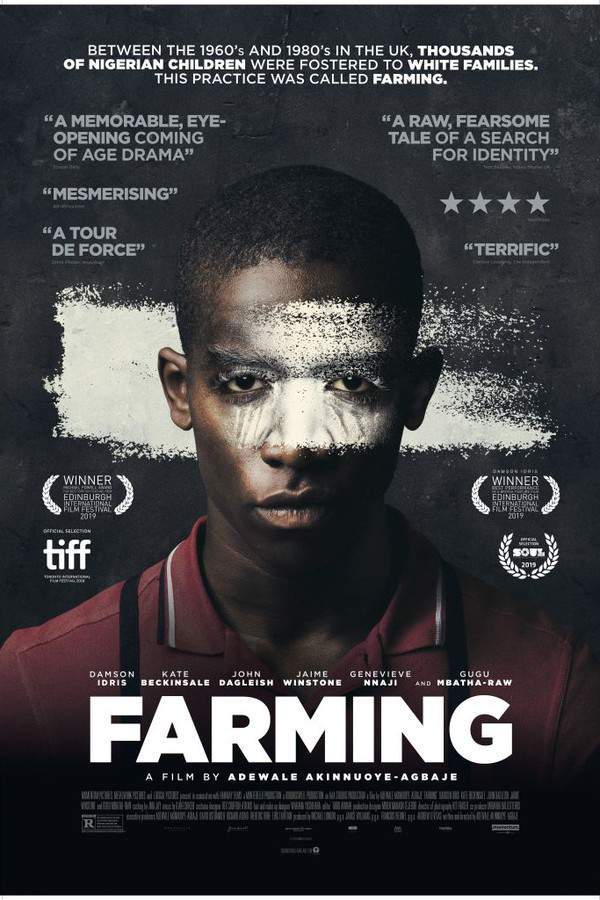
In 1967 Nigeria, Enitan is born to Nigerian parents who send him to Britain as part of a widespread practice called farming, where families place their children with white foster families in the hopes of a better life. Enitan's parents leave him in the care of Ingrid Carpenter, a strict foster mother in Tilbury, England. They frequently bring him back to Nigeria for visits, a pattern that creates confusion and abandonment issues as he grows up.
As a young child, he struggles to fit in with both his foster family and his peers. He faces racism at school, and his dark skin makes him a target for local white supremacists. Isolated and desperate for belonging, he begins to internalize the racist attitudes thrown at him. Ingrid, unable to fully understand his inner turmoil, provides discipline but little emotional support, further alienating him.
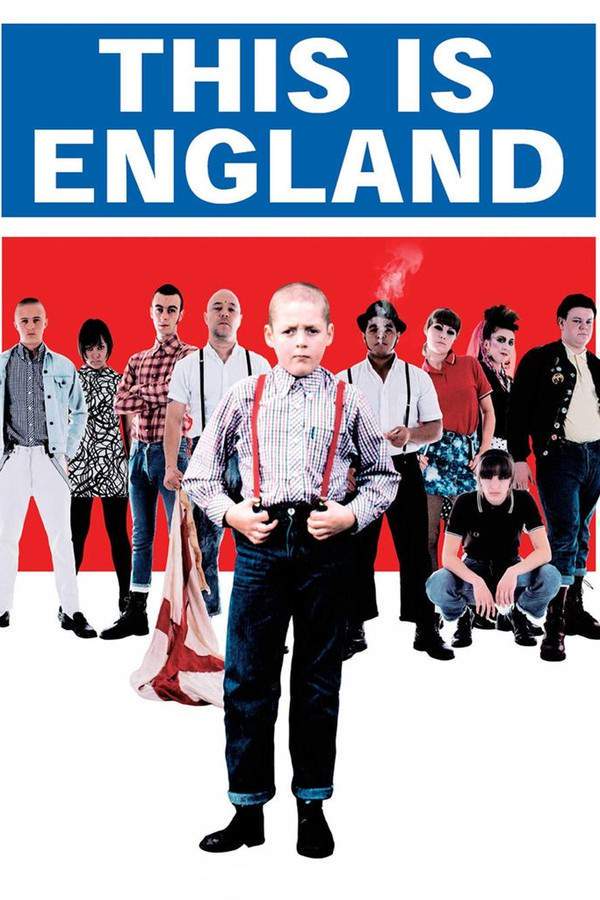
As a teenager, Enitan falls under the influence of a violent skinhead gang led by Levi. To seek acceptance, he joins them, adopting their racist ideologies and turning against his own identity. He becomes deeply involved in their violent activities, from terrorizing immigrants and other minorities in the neighborhood. Ingrid is torn between protecting him and facing the harsh truth of the path he's chosen.
Enitan's descent reaches a breaking point when he is arrested after a brutal attack. A compassionate teacher, Ms. Dapo, intervenes and introduces him to a Nigerian community leader who encourages him to reconnect with his heritage.
Despite initial resistance, Enitan begins to reflect on his identity and the pain he has caused. He confronts the consequences of his actions and struggles to leave the gang, facing violent retribution from Levi and his followers. With Ingrid's help, he seeks redemption by embracing his Nigerian roots and confronting the traumas of his past. He works to repair his fractured relationship with Ingrid as he learns to value his cultural identity.
The film ends with Enitan attending a Nigerian cultural event, symbolizing his journey toward self-acceptance and healing. A final epilogue reveals that Farming is based on the true story of Adewale Akinnuoye-Agbaje, who went on to become a successful actor and filmmaker, using his experiences to inspire others. Adewale Akinnuoye-Agbaje