Plot Explained Spoilers guaranteed!
Plot Explained

Browse by genre

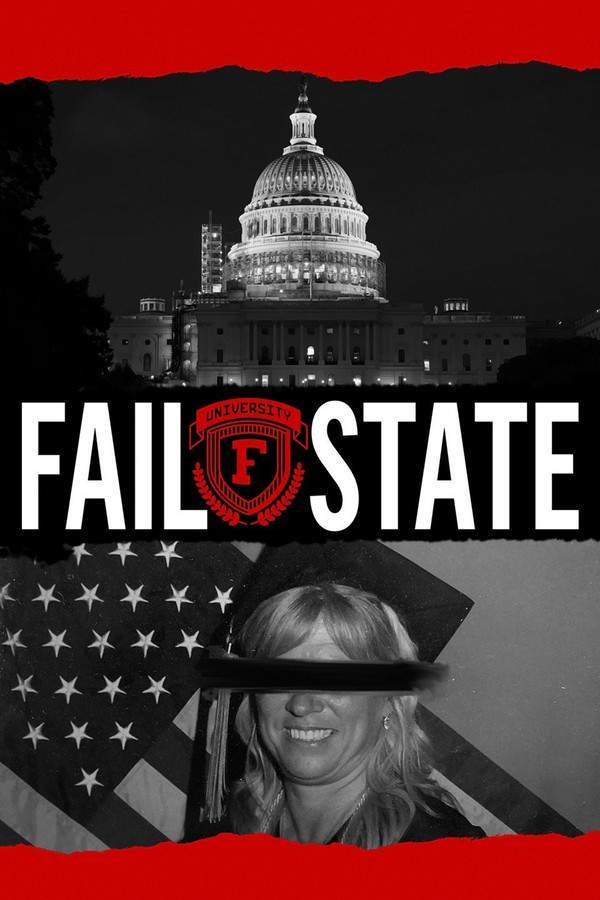
Fail State (2018) movie poster

Characters & Themes

Fail State (2018) Characters, Setting & Themes Explained

Release, runtime and language
2018 · 93 min · English
Echo score 60
Loading streaming availability…
Directed by
Alexander Shebanow
Starring
Gibson Frazier, David Halperin, Maxine Waters, Tom Harkin

Filmmaker Alexander Shebanow investigates the complexities of America's higher education system in this documentary. It exposes how decades of flawed policies in Washington D.C. have fostered a profitable for-profit college industry. The film highlights how these institutions often target vulnerable students, leaving many burdened with substantial debt and questioning the value of their education.

On this page (3)
  1. 1 Where to watch
  2. 2 Movie threads
  3. 3 Every angle
Loading streaming availability…

Characters, themes & setting

Fail State (2018) Characters & Themes Coming Soon

The character, theme and setting guide of Fail State (2018) is not written yet. Request it to move it up the list, or read the full plot summary in the meantime.

Request this guide

Movie threads

More Movies Like Fail State, by Mood & Story

Curated lists built around what makes Fail State tick: the same mood, the same kind of story or the same emotional payoff. Each list explains why these movies belong together.

Investigative exposé documentaries like Fail State

Methodical deep-dives that piece together evidence to expose systemic corruption and quiet failure. If you liked Fail State's patient, evidence-driven exposure of systemic failure, these documentaries share that investigative spirit. Movies like Fail State in this thread use testimony, archival research, and careful pacing to reveal how powerful institutions quietly damage ordinary people. Expect sober tone, steady pacing, and an ending that leaves you disturbed rather than comforted.

  • investigative
  • outraged
  • sobering
  • civic
  • evidence-driven
  • thoughtful
  • Tone: dark, outraged, somber
  • Pacing: methodical, steady, evidence-driven
Why these movies?

The story pattern: Stories in this thread unfold like legal cases or long-form journalism on screen, building a case through expert interviews, leaked documents, and historical context. They often move from a single human story outward to the systemic machinery that enabled the harm, then backward to show how policy decisions made the exploitation possible. The revelations escalate rather than the visuals, and the most disturbing moments tend to be quiet admissions on camera rather than dramatic confrontations.

Why they belong together: These documentaries share methodical, journalistic pacing and a commitment to verifiable truth over narrative flourish. They prioritize institutional critique, civic stakes, and emotional weight produced by implication rather than direct dramatization. Movies grouped here leave the viewer with righteous anger, unfinished questions, and a sense that the system itself is the antagonist.

Institutional exploitation and betrayal stories like Fail State

Stories that reveal how powerful systems quietly target the people least able to fight back. If you liked Fail State and its portrait of predatory for-profit colleges targeting vulnerable students, you'll connect with this thread. Movies like Fail State gathered here expose how institutions and industries profit from harming people who cannot easily resist, from financial scams and predatory lending to corporate cover-ups and policy failures. Expect heavy emotional weight and an ambiguous or somber ending.

  • exploitation
  • systemic failure
  • outraged
  • vulnerable
  • civic
  • moral reckoning
  • Tone: dark, somber, outraged
  • Pacing: measured, steady, escalating
Why these movies?

The story pattern: Narratives in this thread typically follow vulnerable subjects drawn into systems that promise help or opportunity, then reveal those systems as designed to extract value rather than deliver it. The arc moves from individual stories to the policy, profit motive, or bureaucratic indifference that made the harm possible. Endings tend to be somber, ambiguous, or bittersweet: hard-won awareness rather than triumphant justice, leaving the audience to carry the outrage forward.

Why they belong together: These films share a dark, serious tone, heavy emotional stakes, and a focus on systemic critique over individual heroism. They give the viewer no easy villain to defeat and no clear resolution, instead implicating entire industries or political ecosystems. The shared mood is civic grief: a sober look at how ordinary people pay the price for profitable, protected failures of policy and conscience.

Every angle

Fail State (2018) Explained: Plot, Timeline & Characters

Everything about Fail State in one place: what happens in the plot summary, the timeline in chronological order, the characters and meaning and a spoiler-free summary. What's After the Movie adds the cast, box office and post-credit scenes.

Coming soon on iOS and Android

The Plot Explained Movie Summary App

Plot summaries, endings explained and timelines on your phone. Catch up on any movie in minutes, save your favorites and never miss a twist again.

Be the first to know when we launch. Your email stays private, always.

Learn more about the app