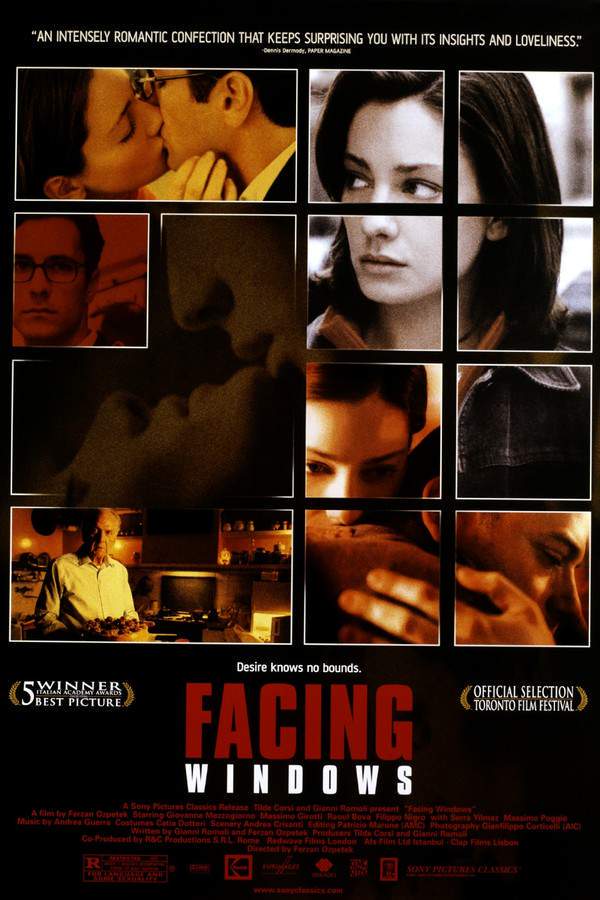
Facing Windows
Year: 2004
Runtime: 102 min
Language: Italian
Director: Ferzan Ozpetek
A woman feels trapped in her marriage and seeks comfort in the kindness of an older man. She becomes increasingly fixated on a captivating neighbor, blurring the line between what is real and imagined. This obsession leads her to examine the void in her own existence and the nature of her relationships.
Warning: spoilers below!
Haven’t seen Facing Windows yet? This summary contains major spoilers. Bookmark the page, watch the movie, and come back for the full breakdown. If you're ready, scroll on and relive the story!
Facing Windows (2004) – Full Plot Summary & Ending Explained
Read the complete plot breakdown of Facing Windows (2004), including all key story events, major twists, and the ending explained in detail. Discover what really happened—and what it all means.
Giovanna, portrayed by Giovanna Mezzogiorno, and her husband Filippo, played by Filippo Nigro, find themselves entrenched in an unsatisfactory routine that shadows their once vibrant marriage. Both are stuck in jobs that drain them—she toils away in a poultry factory, while he endures sleepless nights on the graveyard shift due to a lack of seniority. Their conversations often devolve into arguments about the burdens of money, intimacy, and their hectic work lives. It becomes increasingly clear that love is fading fast, leaving them to merely go through the motions for the sake of their children.
One fateful morning, their paths intersect with an elderly man named Simone, acted by Massimo Girotti, who is burdened by transient global amnesia. Struggling to recollect his identity, he clings only to scattered memories from his distant past. In a moment of compassion—or perhaps foolishness—Filippo insists on bringing Simone back to their home for the night with the intent of taking him to the police the next day. However, what begins as a single night extends into several days filled with unexpected complications. During this time, Simone experiences peculiar episodes, offering tantalizing glimpses of his enigmatic history, while also unwittingly connecting Giovanna with Lorenzo, portrayed by Raoul Bova.
Neighbors separated by the street, Giovanna and Lorenzo share a mutual attraction, each secretly watching the other from their dimly lit apartments. Their friendship ignites quickly, escalating into flirtation and a heated kiss. Yet, the clock is ticking for Lorenzo, as his job requires him to relocate soon. Caught in a whirlwind of emotion, Giovanna grapples with the choice between pursuing her newfound feelings and sticking to her responsibilities.
As the story unfolds, the only name Simone seems to remember is “Simone,” prompting Giovanna and her family to adopt it for him. In a stroke of fate, while taking his suit to the cleaners, Giovanna stumbles upon a poignant love letter addressed to Simone from a man named Davide Veroli. The mystery deepens when Simone vanishes overnight, sending Giovanna on a quest to uncover Davide Veroli’s identity as a means to locate Simone.
Ultimately, Giovanna encounters Davide, who, to her astonishment, reveals that he is the same Simone she sought. In a heart-wrenching narrative, Davide recounts his past—his love for Simone, his harrowing choices during the Nazi regime, and how he saved others at great personal sacrifice. Upon reconciling with his own history, Davide embraces the friendship he formed with Giovanna and her family. He becomes a guiding light, helping her navigate significant life choices, from pursuing her passion for baking to standing up for her marriage and children. Thus, under the shadows of uncertainty, profound connections blossom, leading to newfound strength and hope amidst life’s complexities.
Last Updated: November 08, 2024 at 02:43

Explore Movie Threads
Discover curated groups of movies connected by mood, themes, and story style. Browse collections built around emotion, atmosphere, and narrative focus to easily find films that match what you feel like watching right now.
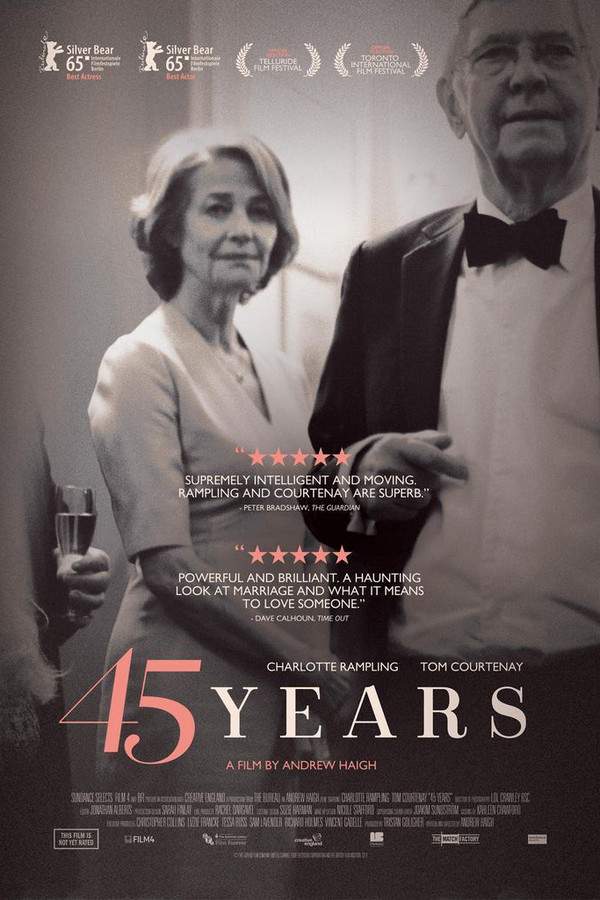
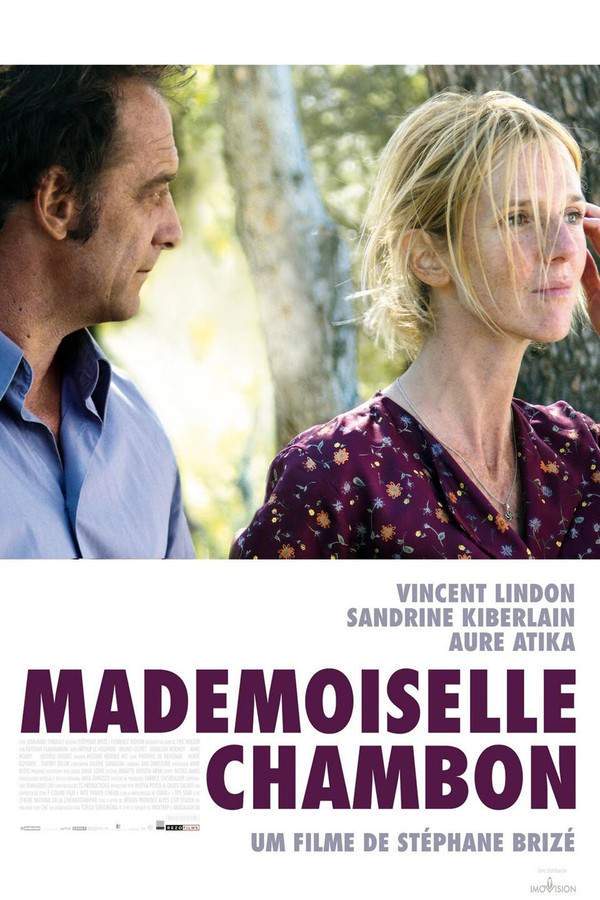
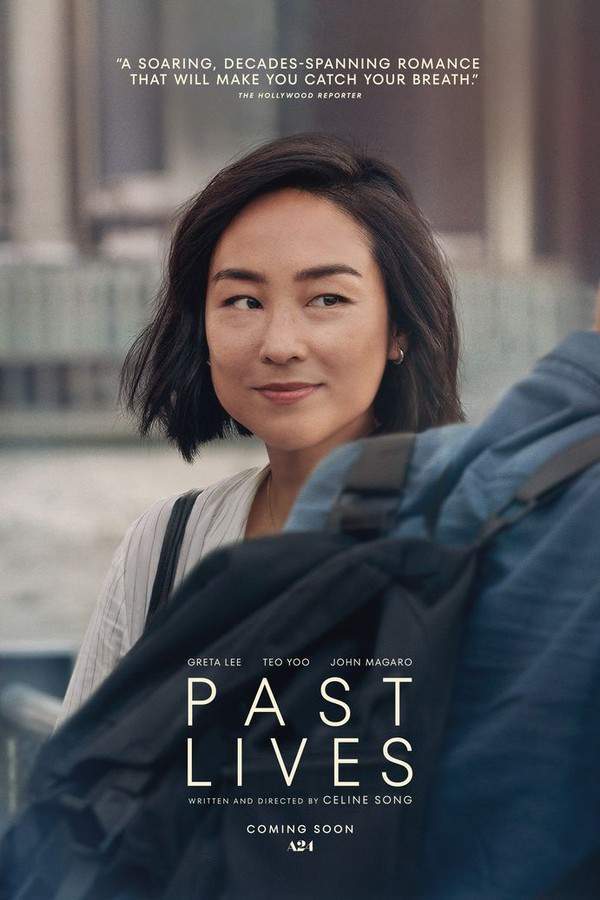
Movies about marital melancholy and secret yearning like Facing Windows
Stories of quiet marital discontent that bloom into tense, liberating obsession.If you liked Facing Windows, explore movies that capture the slow-burn ache of marital crisis and the tense, liberating power of a secret obsession. These stories are for viewers who appreciate melancholic dramas about self-discovery, yearning, and the bittersweet reevaluation of one's life.








Narrative Summary
The narrative follows a protagonist, often in a stale or strained domestic situation, who becomes fixated on an external figure representing an escape or an unfulfilled part of themselves. This obsession drives the plot, forcing a painful but necessary confrontation with their own dissatisfaction and leading to a reevaluation of their identity and choices.
Why These Movies?
Movies are grouped here for their shared focus on internal emotional turmoil, the theme of yearning as a catalyst for change, and a melancholic yet hopeful tone. They feature similar pacing, allowing the emotional weight of the protagonist's crisis to build gradually towards a poignant, often bittersweet, conclusion.
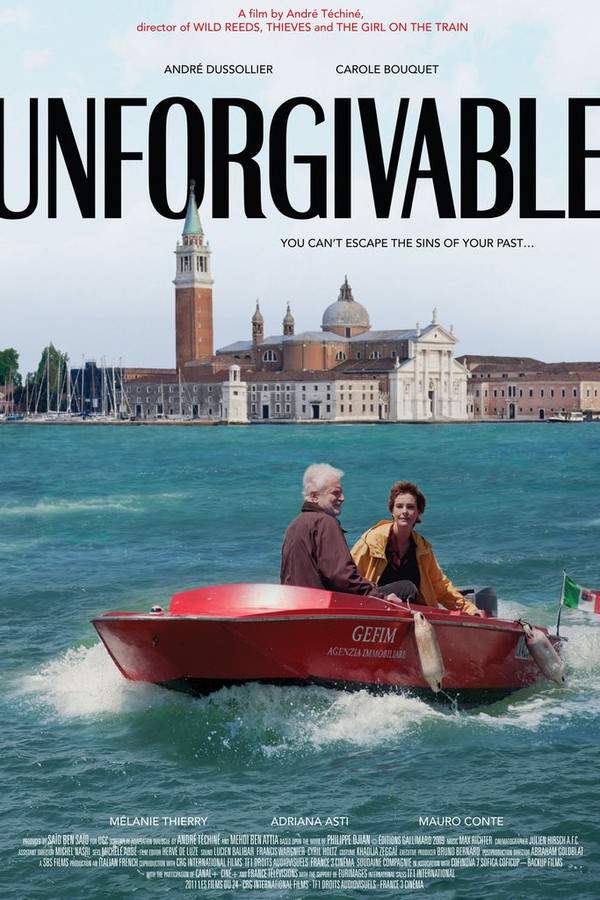
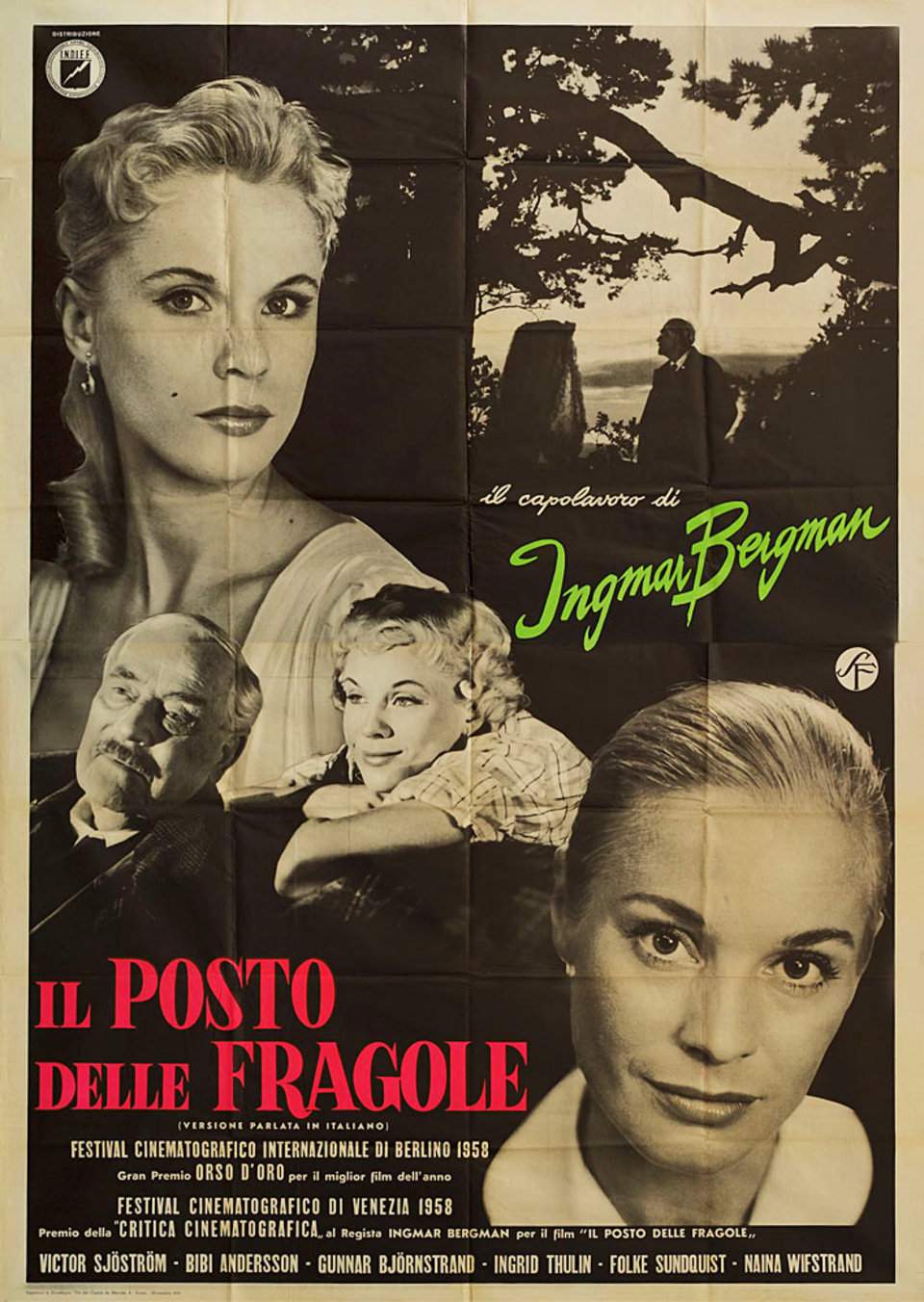
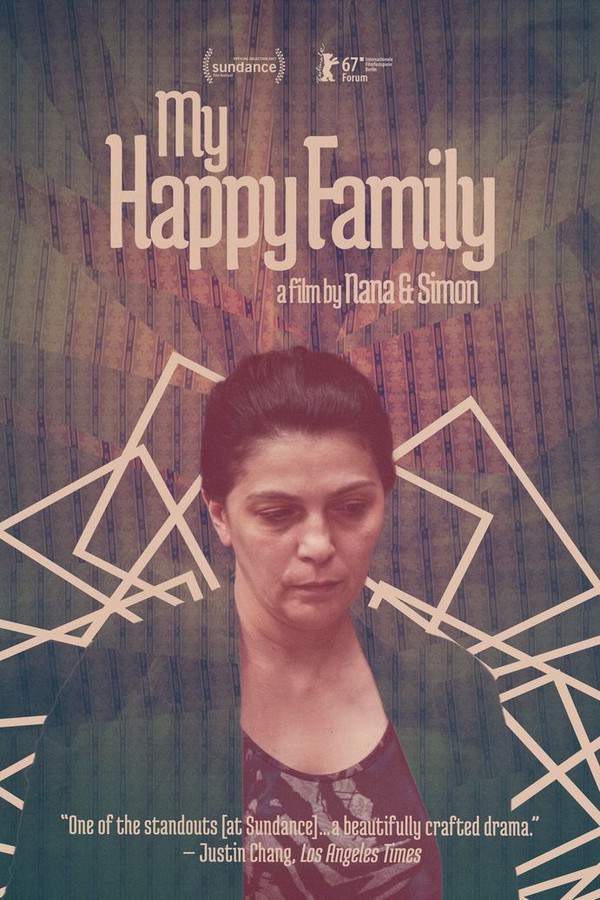
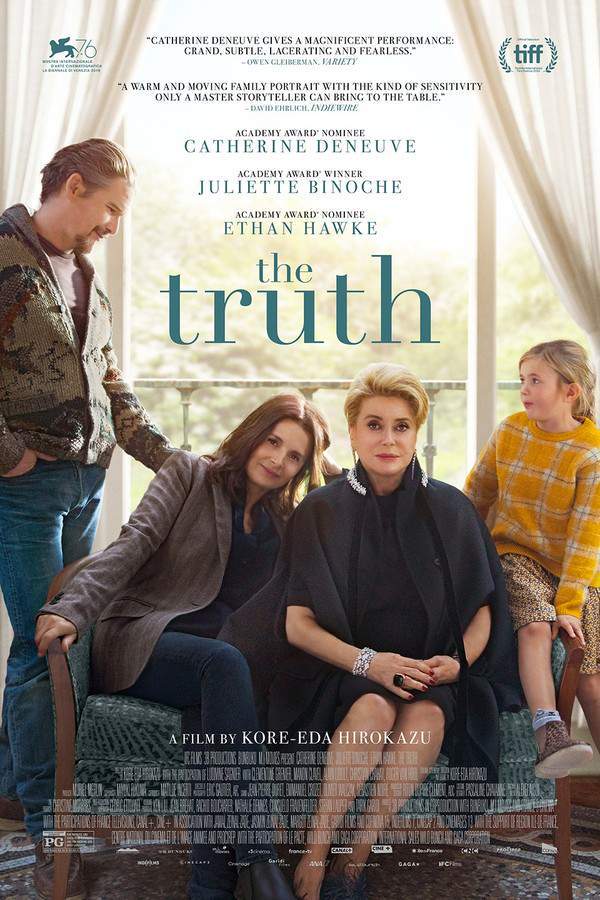
Movies where past secrets shape self-discovery like Facing Windows
Where a character's personal crisis intertwines with a mysterious historical secret.Find movies like Facing Windows that weave together a present-day personal crisis with the unraveling of a traumatic or mysterious past. These narratives use historical secrets as a key to unlocking a character's own identity, offering a deeply reflective and emotionally resonant viewing experience.






Narrative Summary
The story structure features two parallel timelines: the protagonist's current emotional struggle and a hidden history they gradually uncover, often through an enigmatic older figure. The act of piecing together the past becomes a metaphorical journey for the protagonist, forcing them to confront parallel themes of sacrifice, trauma, and identity in their own life.
Why These Movies?
These films share a specific narrative device where an external historical mystery serves as the engine for internal character growth. They are united by a moderate complexity, a reflective and somber mood, and the thematic weight of how memory and hidden truths impact our present understanding of ourselves.
Unlock the Full Story of Facing Windows
Don't stop at just watching — explore Facing Windows in full detail. From the complete plot summary and scene-by-scene timeline to character breakdowns, thematic analysis, and a deep dive into the ending — every page helps you truly understand what Facing Windows is all about. Plus, discover what's next after the movie.
Facing Windows Timeline
Track the full timeline of Facing Windows with every major event arranged chronologically. Perfect for decoding non-linear storytelling, flashbacks, or parallel narratives with a clear scene-by-scene breakdown.

Characters, Settings & Themes in Facing Windows
Discover the characters, locations, and core themes that shape Facing Windows. Get insights into symbolic elements, setting significance, and deeper narrative meaning — ideal for thematic analysis and movie breakdowns.