#14,1855 Year: 2022
Runtime: 176 min
Language: German
Director: Dominik Graf
Echo Score: 75Budget: $178
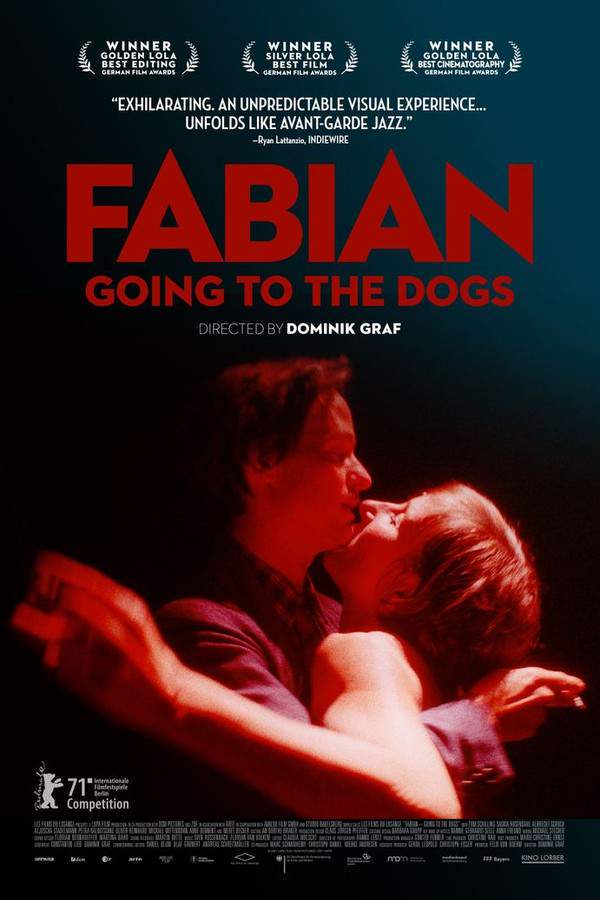
In 1930s Berlin, Jakob Fabian lives a life of pleasure and cynicism until he meets Cornelia, a woman who inspires hope within his skeptical nature. As their relationship deepens, Fabian is forced to confront his own troubled past and the growing turmoil of a Germany struggling with widespread unemployment and social unrest. He must navigate a world on the brink of collapse and re-evaluate his place within it.
Find where to stream, rent, or buy Fabian: Going to the Dogs (2022) in the US with current JustWatch availability, up-to-date pricing, and platform listings for subscription, rental, and digital purchase options.
Warning: spoilers below!
Haven’t seen Fabian: Going to the Dogs yet? This summary contains major spoilers. Bookmark the page, watch the movie, and come back for the full breakdown. If you're ready, scroll on and relive the story!
Explore the full timeline and setting of Fabian: Going to the Dogs (2022). Follow every major event in chronological order and see how the environment shapes the story, characters, and dramatic tension.
Last updated: October 22, 2024 at 23:08
Meet the key characters of Fabian: Going to the Dogs (2022), with detailed profiles, motivations, and roles in the plot. Understand their emotional journeys and what they reveal about the film’s deeper themes.
Last updated: October 22, 2024 at 23:08
Explore the central themes of Fabian: Going to the Dogs (2022), from psychological, social, and emotional dimensions to philosophical messages. Understand what the film is really saying beneath the surface.
Last updated: October 22, 2024 at 23:08
Browse frequently asked questions about Fabian: Going to the Dogs (2022) focused on characters, relationships, themes, symbols, setting, and story context. This movie info FAQ gives spoiler-aware explanations for character arcs, world details, and thematic interpretation so readers can better understand what the film is really about.
The film is set primarily in Berlin during the early 1930s, a city known for its vibrant nightlife with clubs and brothels that defined the Weimar Republic's hedonistic culture. Dresden also appears as a contrasting location, representing memories and introspection for the protagonist Jakob.
The movie is set in 1931, during the early 1930s in Germany. This period was marked by severe economic instability, widespread unemployment, and the rising political influence of the Nazi Party, which shapes the characters' experiences and relationships.
The film explores three core themes: loss, which captures the emotional toll of personal tragedy and dashed aspirations; art and sacrifice, showing the conflict between artistic ambition and personal compromise; and hope, which persists through Jakob and Cornelia's struggle to maintain connection amid overwhelming despair.
Jakob Fabian is the film's protagonist, a disenchanted copywriter in 1930s Berlin who dreams of becoming a writer but is haunted by traumas from World War I. He is marked by deep insecurities and a yearning for genuine connection, navigating a world on the brink of societal collapse.
Cornelia Battenberg is a young aspiring actress whose journey toward stardom becomes intertwined with Jakob's emotional turmoil. She embodies both ambition and vulnerability, facing the tension between artistic integrity and commercial pressures in a rapidly changing society.
Stephan Labude is Jakob's hedonistic best friend, an ambitious yet struggling intellectual whose communist beliefs clash with the societal pressures of the era. His journey reflects the broader political tensions of the time and highlights the consequences of activism in pre-Nazi Germany.
The film carries a predominantly melancholic tone, driven by characters' disillusionment, personal hauntings, and the overwhelming sense of societal collapse. The constant backdrop of Germany's political turmoil creates a foreboding atmosphere that permeates the personal relationships.
Despite the film's overall melancholy, hope persists through Jakob and Cornelia's desire for genuine connection and a shared future. Their relationship serves as a reminder of human resilience, showing how people strive to maintain hope and meaning even as the world around them crumbles.
Berlin is portrayed as a vibrant yet turbulent city, synonymous with the Weimar Republic's hedonistic spirit through its nightlife of clubs and brothels. This setting embodies the contrast between decadent pleasure and the underlying social unrest that defines the era.
The film explores how artistic ambition often demands personal sacrifice, particularly through Cornelia's rising fame at the cost of her relationship with Jakob. Characters must navigate a world that demands compromise, leading to heart-wrenching consequences for those pursuing their creative dreams.
Discover curated groups of movies connected by mood, themes, and story style. Browse collections built around emotion, atmosphere, and narrative focus to easily find films that match what you feel like watching right now.
Love stories that bloom beautifully but inevitably wilt under the weight of societal collapse.Discover movies like Fabian: Going to the Dogs that explore love stories set against the backdrop of societal decay. These films feature passionate but ultimately doomed romances, where the characters' personal hopes are crushed by forces larger than themselves, resulting in a deeply melancholic and tragic viewing experience.
The narrative typically follows characters who find a profound, life-changing connection just as the world around them begins to fracture. Their love offers a temporary escape or a new sense of purpose, but the encroaching political turmoil, war, or social decay inevitably intrudes, testing their bond and leading to a heartbreaking separation or loss.
These films are grouped by their shared focus on the intersection of intimate romance and historical catastrophe. They deliver a specific emotional blend of romantic hope crushed by overwhelming despair, creating a powerful and somber experience centered on the fragility of love and happiness in turbulent times.
Character studies of individuals navigating the moral and economic ruin of their society.If you liked the somber atmosphere of Fabian: Going to the Dogs, explore these similar movies about social decay. These dramas depict the lives of ordinary people caught in eras of profound upheaval, emphasizing the heavy emotional toll and moral ambiguity of living through a society's downfall.
Stories in this thread are often episodic and character-driven, following protagonists as they witness and are personally affected by rising unemployment, political extremism, and the erosion of social norms. The plot is less about a single goal and more about documenting the psychological and emotional impact of a world losing its way, often culminating in a sense of profound loss or tragic finality.
These movies are united by a shared, oppressive mood of melancholy and impending doom, rooted in a specific historical or speculative setting. They prioritize atmosphere and emotional weight over fast-paced action, offering a steady, contemplative, and intensely sad look at the human condition during times of crisis.
Don't stop at just watching - explore Fabian: Going to the Dogs in full detail. From the complete plot summary and scene-by-scene timeline to character breakdowns, thematic analysis, and a deep dive into the ending - every page helps you truly understand what Fabian: Going to the Dogs is all about. Plus, discover what's next after the movie.
Read a complete plot summary of Fabian: Going to the Dogs, including all key story points, character arcs, and turning points. This in-depth recap is ideal for understanding the narrative structure or reviewing what happened in the movie.
Track the full timeline of Fabian: Going to the Dogs with every major event arranged chronologically. Perfect for decoding non-linear storytelling, flashbacks, or parallel narratives with a clear scene-by-scene breakdown.