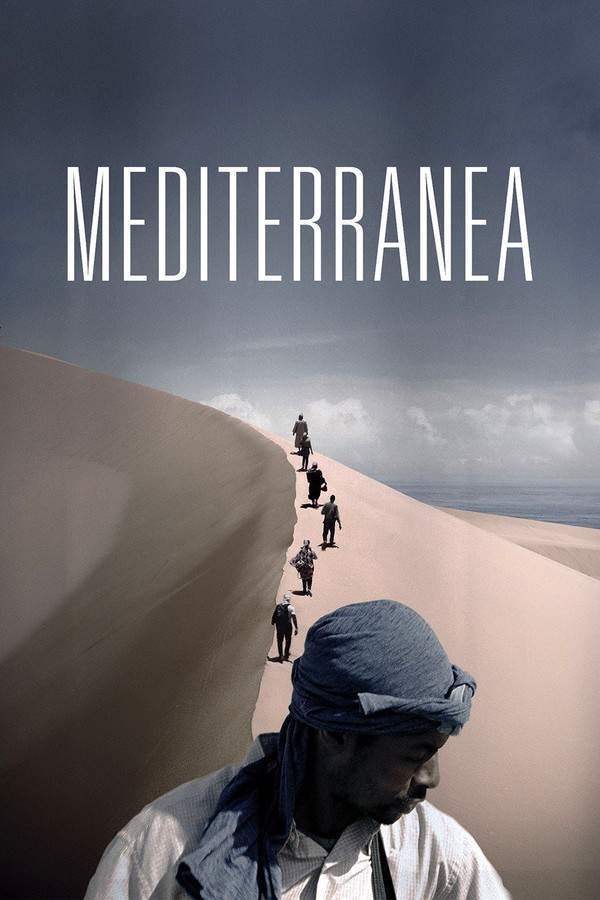
The film is divided into two distinct but thematically connected chapters — "Spain" and "Italy".
Spain
Mofe, Jude Akuwudike, a middle-aged electrician and generator repairman, lives in a crowded, low-income neighborhood of Lagos. He works two demanding jobs—one at a printing press and another fixing electrical equipment—scrambling to save every naira he can to fund a risky journey abroad. He shares a modest apartment with his sister, Precious, Omoye Uzamere, and her two young children, a arrangement that keeps him tethered to the daily grind even as he clings to the dream of migration. He diligently gathers the paperwork that might unlock a new life—passport, visa applications, and reference letters—believing that a future in Spain could be within reach.
Yet tragedy strikes with sudden, shattering force. When Mofe returns home one evening, he discovers that Precious and her children have died from carbon monoxide poisoning caused by a faulty generator. The burst of grief is compounded by the weight of practical obstacles: hospital officials press for money to retrieve the bodies, and the landlord threatens eviction as Mofe grapples with both emotional ruin and financial peril. In the wake of the catastrophe, he also loses his passport in a break-in, a second devastating blow that seems to extinguish his plan to emigrate. The dream he clung to frays, but he refuses to surrender without a fight.
Into this moment of fragility steps a fragile thread of connection. At a bar, Mofe meets Rosa, a woman who becomes a tentative, fragile ally in a world that has grown suddenly colder. Their budding bond offers a small ember of hope, even as the weight of their shared struggles makes it hard to trust or lean on anyone too deeply. The narrative lingers on the quiet endurance of a man who keeps moving forward, even when the path ahead grows unclear and the future he envisioned feels increasingly distant.
Italy
Rosa, Temiloluwa Ami-Williams, is a young hairdresser and bartender who juggles multiple jobs to support herself and her teenage sister Grace. Like Mofe, she dreams of migrating, believing Italy might be the gateway to a steadier life away from the grinding poverty at home. Rosa rents a cramped apartment and strains under constant financial pressure, always balancing work with the ever-present fear of setbacks.
Her boss at the salon offers to introduce her to Peter, a wealthy Lebanese businessman who could help with her visa and travel documents—but at a steep personal cost. Rosa agrees to the arrangement, hoping it might clear a path out of poverty for herself and for Grace. Meanwhile, Grace, Cynthia Ebijie, Rosa’s teenage sister, becomes unexpectedly pregnant by Obinna, the landlord’s son. The news twists the already precarious plan, throwing Grace’s future into new jeopardy and placing Rosa in a position where she must confront both medical and financial burdens.
As the story threads converge, Rosa faces mounting medical bills when Grace falls ill and is hospitalized. Peter withdraws his promised aid, leaving Rosa to navigate humiliation, debt, and the precarious faith she has placed in a chance at escape. She encounters Mofe again, a quiet moment of connection that underscores how two people with parallel dreams can still be held apart by circumstance and sorrow. Yet their shared pain helps them glimpse the limits of the migration dream and the stubborn persistence of life in Lagos, where the noise, the crowds, and the indifference of daily existence continue to press in from all sides.
In the end, the film returns to Lagos’s relentless rhythm, where the hopes that once pointed toward Europe are gradually overtaken by the practical realities of poverty, systemic barriers, and personal tragedy. Mofe and Rosa become emblematic of a broader truth: the dream of a better life abroad remains a powerful, driving force, even as the concrete world around them refuses to yield. The narrative avoids easy answers, instead presenting a patient, human portrait of resilience in the face of loss and the overwhelming weight of circumstance.