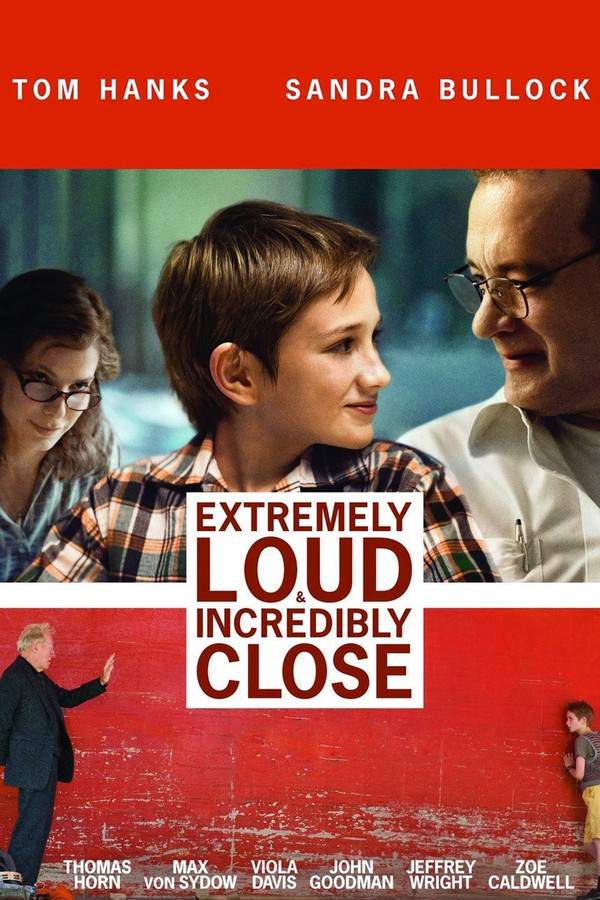
In a world where every detail matters, nine-year-old Oskar Schell navigates his life meticulously, thanks to his autism. Residing in the bustling streets of New York City with his parents, Linda and Thomas Schell, Oskar shares a profound bond with his father, shaped by their adventures to uncover the city's hidden treasures—particularly a mysterious "lost Sixth Borough" known only to them. These missions set forth by his father challenge Oskar to step outside his comfort zone, engage with others, and explore the world around him.
However, everything changes drastically on September 11, 2001. That day, schools close early due to the unfolding tragedy, and Oskar rushes home, only to be met with six cryptic messages from his father left on their answering machine from the World Trade Center. Overwhelmed by fear, Oskar hides under his bed until his grandmother arrives to console him. The pain of losing his father is intensely felt during the funeral, as Oskar grapples with the enormity of the tragedy.
A year after the devastating loss, Oskar seeks refuge in a secret spot filled with memories of his father, including the haunting answering machine messages. While rummaging through his father's belongings, he stumbles upon an envelope with a single key labeled "Black." Determined to find the lock it opens, Oskar believes this key is a message from his father, inspiring him to embark on an extraordinary quest for the truth.
As he investigates further, Oskar meets Abby Black, a woman grappling with her own divorce. Though Abby claims not to have a connection to Oskar’s father, he remains undeterred, spurred by his insatiable curiosity. His adventure takes him through the vibrant cityscape, where he encounters a host of individuals, each with their unique stories and struggles, enriching his journey.
One fateful day, Oskar discovers his grandmother's apartment inhabited by a reclusive elderly man who communicates solely through written notes. Hesitant at first, Oskar finds himself opening up to this stranger, who decides to accompany him on his quest. Together, they navigate the complexities of the city, confronting Oskar's biggest fears, such as traveling on public transport and crossing bridges.
Their exploration reaches a peak when Oskar finally plays the desperate messages left on the answering machine; however, the stranger's agitation compels him to stop. Later, witnessing the stranger arguing with his grandmother before leaving, Oskar confronts him, only to watch him drive away in a taxi.
As Oskar's investigation deepens, a cryptic lead takes him to an estate sale, where he crosses paths with Abby and her ex-husband William. To Oskar's surprise, William recognizes the key, revealing that it was passed on to him by Oskar's late father when he unknowingly sold a vase to Thomas. This profound connection hits Oskar hard as he reflects on the haunting phone call he let ring unanswered on September 11th. The collapse of the tower on TV remains forever etched in his memory, and the burden of his secret becomes so heavy that he replaces the answering machine to protect his mother from the truth.
With a renewed grasp on his father's legacy, Oskar decides to end his search, only to learn from his mother that she had been proactively preparing the people he met along the way for their encounters. This revelation highlights her love and concern, nurturing Oskar's journey towards acceptance. He starts writing heartfelt letters to those whose lives have impacted him, including reconnecting with his grandfather, who returns to live with his grandmother.
As time passes and the weight of grief begins to lift, Oskar finds comfort in creating a scrapbook filled with pop-ups and pull-tabs, aptly named "Extremely Loud and Incredibly Close." This work symbolizes the profound impact of human connection. The tale culminates with Oskar visiting the place where he shared countless moments with his father, discovering a message from beyond that brings him closure—a touching reminder that even in the depths of loss, love and legacy can endure.