Ordinary People

Ordinary People

Year: 2009

Runtime: 80 mins

Language: Serbian

Director: Vladimir Perišić

DramaWar

A hot summer day finds Džoni, a twenty‑year‑old recruit, sent to an abandoned farm on a vague mission. Expecting combat with unnamed terrorists, the unit instead receives a bus of prisoners. Their commander orders the men to execute the captives. Džoni is initially horrified, but as more prisoners arrive he becomes desensitized and even begins to take pleasure in the killings.

Warning: spoilers below!

Haven’t seen Ordinary People yet? This summary contains major spoilers. Bookmark the page, watch the movie, and come back for the full breakdown. If you're ready, scroll on and relive the story!

Ordinary People (2009) – Full Plot Summary & Ending Explained

Read the complete plot breakdown of Ordinary People (2009), including all key story events, major twists, and the ending explained in detail. Discover what really happened—and what it all means.

The Jarretts are an upper-middle-class family living in Lake Forest, a quiet suburb north of Chicago, trying to stitch their life back together after the double blow of Buck’s accidental death and Conrad’s suicide attempt. The family’s recovery feels fragile from the start, shaded by memory and unspoken regrets as they attempt to resume a semblance of normalcy.

Returning from a four-month stay at a psychiatric hospital, Conrad carries the weight of what happened on the sailing trip that claimed Buck. He feels alienated from friends and family and seeks guidance from Dr. Tyrone Berger, whose sessions help him begin to face his pain rather than suppress it. The therapist’s careful questions illuminate a core truth: Conrad’s grief and guilt are entangled with the accident, and he now must navigate the consequences of those feelings while trying to reclaim his place at home.

At home, Calvin tries to be the steady, listening father, eager to bridge the growing distance between himself and his son. Beth, by contrast, denies outright the depth of their loss, clinging to a pretense of perfection and calm that once defined the family. She seems to have favored Buck, and her cool detachment toward Conrad only widens the rift, making it harder for the boy to feel seen or understood. Her determination to maintain appearances strains the already delicate balance, leaving Conrad feeling more isolated as he grapples with trauma in a space that should offer safety.

As Conrad works with Dr. Berger, he begins to experiment with healthier ways to handle his emotions, learning that vulnerability can be a source of strength. He also finds a new connection in Jeannine, a fellow student who offers him warmth and optimism, helping him glimpse a life beyond fear and lingering guilt. Yet connecting with others remains a challenge: communication with his parents and peers is riddled with misreads and unfinished conversations, and small moments of closeness are fragile and easily disrupted.

The tension at home intensifies around Christmas. A moment of anger—Conrad’s outburst at Beth in front of his grandparents after she refuses to take a photo—exposes how fragile their family façade really is. When Beth discovers that Conrad has been lying about after-school activities, the confrontation grows sharper: he accuses her of never visiting him in the hospital, and she snaps that Buck would never have ended up in the hospital in the first place. The argument exposes deeper wounds and forces the parents to confront a question neither wants to answer: whether their love can withstand the test of grief and if warmth and closeness are truly possible again.

Beth and Calvin set out on a trip to Houston to see Beth’s brother Ward, where Calvin presses her about her evasive behavior and her capacity to love. The journey foreshadows a reckoning that will redefine the family’s future, even as Conrad endures a painful setback: Karen, a friend from the hospital, has taken her own life, underscoring the impossible weight some carry in silence.

In a late-night, cathartic session with Dr. Berger, Conrad experiences a breakthrough that lets him stop blaming himself for Buck’s death and begin to accept the more complex truth of his mother’s frailties. When he reaches out for affection, Beth remains cold, prompting Calvin to ask a blunt, aching question about whether she is capable of loving anyone at all. The emotional pressure finally forces Beth to leave behind the apartment’s familiar walls and return to Houston, leaving Calvin and Conrad to reckon with a new family landscape.

What remains is a quiet, stubborn resilience: a father and son choosing to redefine their bond in the wake of loss, arranging themselves around a harder, more honest form of love. The film ultimately centers on the quiet moment when Calvin and Conrad reaffirm their connection, insisting that even after heartbreak, the same household can hold them together if honesty, patience, and a renewed sense of loyalty are allowed to take root.

Last Updated: December 27, 2025 at 11:31

Mobile App Preview

Coming soon on iOS and Android

The Plot Explained Mobile App

From blockbusters to hidden gems — dive into movie stories anytime, anywhere. Save your favorites, discover plots faster, and never miss a twist again.

Sign up to be the first to know when we launch. Your email stays private — always.

Explore Movie Threads

Discover curated groups of movies connected by mood, themes, and story style. Browse collections built around emotion, atmosphere, and narrative focus to easily find films that match what you feel like watching right now.

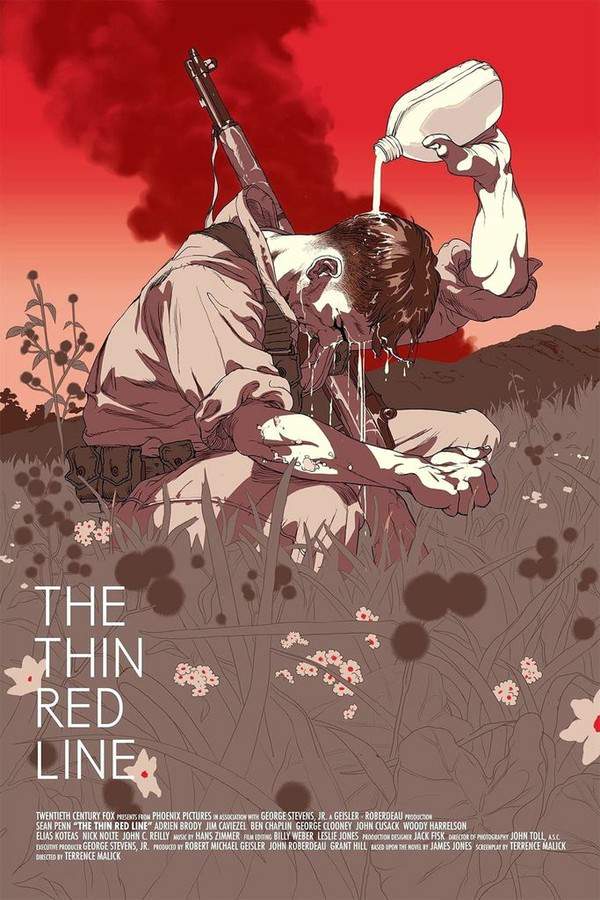
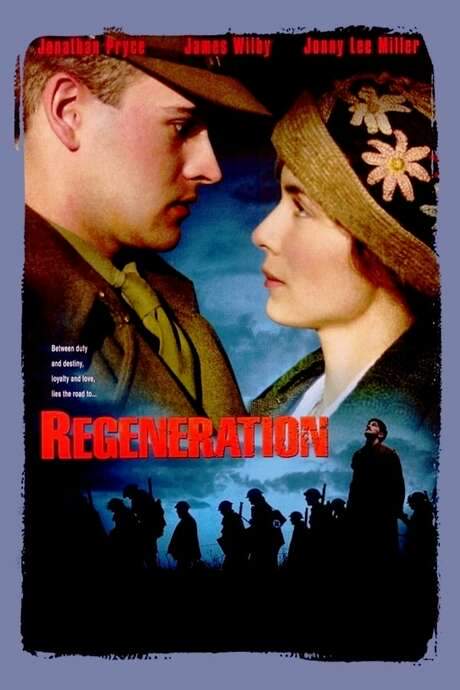
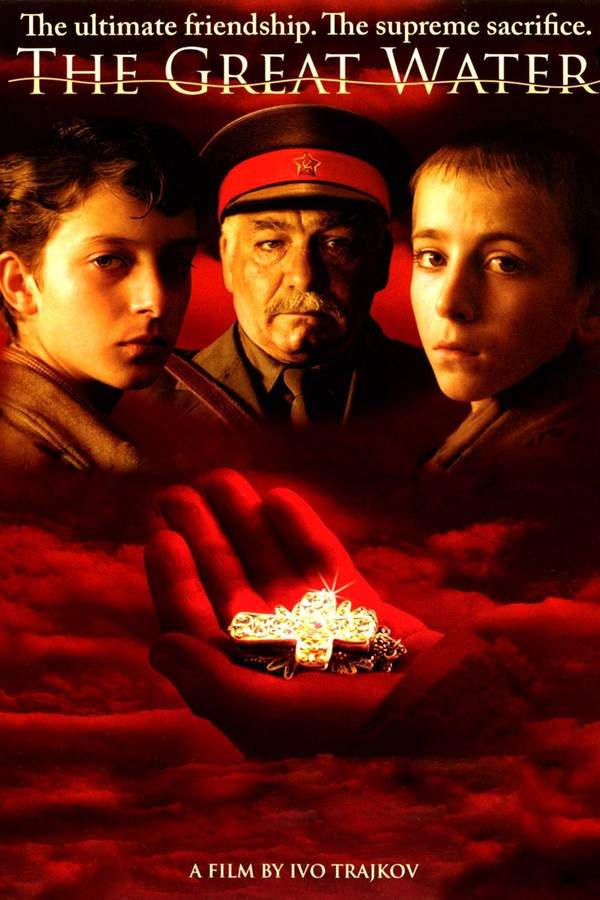
Moral descent stories like Ordinary People

Stories exploring how ordinary people become numb to violence and cruelty.If you were captivated by the moral collapse in Ordinary People, this list features other movies that explore a character's gradual desensitization to violence. These powerful dramas examine how ordinary individuals can become numb to cruelty under extreme circumstances.

morally complextenseuncomfortablepsychologicalrawsomber

Narrative Summary

This narrative follows a protagonist who is initially repulsed by violence or immoral acts but, through repeated exposure or systemic pressure, loses their moral compass. The story structure is often straightforward, building a slow, uncomfortable tension as the character's internal change becomes the central conflict.

Why These Movies?

Movies are grouped here for their shared focus on the psychological journey of moral decay. They share a melancholic, raw tone, heavy emotional weight, and a slow pacing that allows the character's internal transformation to feel both terrifying and believable.

Claustrophobic tension movies like Ordinary People

Films where isolated settings amplify heavy moral and psychological pressure.Fans of the tense, isolated atmosphere in Ordinary People will find similar films here. These stories use confined settings to amplify moral dilemmas and psychological pressure, creating a raw and intimate viewing experience focused on character dynamics.

claustrophobictensequietsomberpsychologicaluncomfortableraw

Narrative Summary

The narrative unfolds primarily in one location, trapping characters both physically and psychologically. The conflict is driven by internal moral dilemmas and interpersonal friction, with a slow pacing that allows dread and tension to simmer. The focus is on character reactions under extreme duress.

Why These Movies?

This thread groups films that share a specific atmospheric quality: the use of a confined setting to create palpable, quiet tension. They prioritize psychological realism over action, featuring heavy emotional stakes, straightforward narratives, and a somber, introspective mood.

Unlock the Full Story of Ordinary People

Don't stop at just watching — explore Ordinary People in full detail. From the complete plot summary and scene-by-scene timeline to character breakdowns, thematic analysis, and a deep dive into the ending — every page helps you truly understand what Ordinary People is all about. Plus, discover what's next after the movie.

Ordinary People Timeline

Track the full timeline of Ordinary People with every major event arranged chronologically. Perfect for decoding non-linear storytelling, flashbacks, or parallel narratives with a clear scene-by-scene breakdown.

Ordinary People Timeline

Characters, Settings & Themes in Ordinary People

Discover the characters, locations, and core themes that shape Ordinary People. Get insights into symbolic elements, setting significance, and deeper narrative meaning — ideal for thematic analysis and movie breakdowns.

Characters, Settings & Themes in Ordinary People

Ordinary People Spoiler-Free Summary

Get a quick, spoiler-free overview of Ordinary People that covers the main plot points and key details without revealing any major twists or spoilers. Perfect for those who want to know what to expect before diving in.

Ordinary People Spoiler-Free Summary

More About Ordinary People

Visit What's After the Movie to explore more about Ordinary People: box office results, cast and crew info, production details, post-credit scenes, and external links — all in one place for movie fans and researchers.

More About Ordinary People

Similar Movies to Ordinary People

Discover movies like Ordinary People that share similar genres, themes, and storytelling elements. Whether you’re drawn to the atmosphere, character arcs, or plot structure, these curated recommendations will help you explore more films you’ll love.