Plot Summary
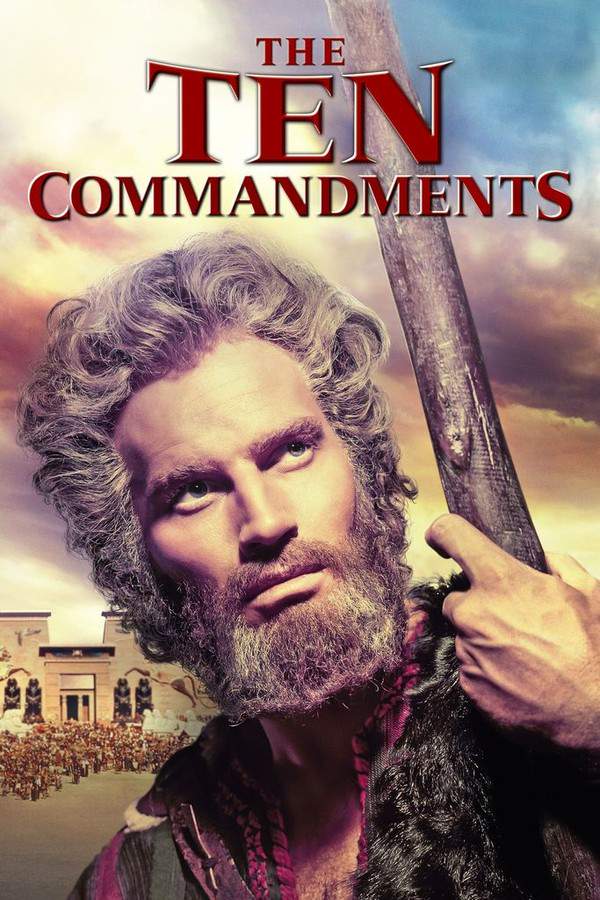
The Ten Commandments (2007) Plot Summary Explained
- Release, runtime and language
- 2007 · 88 min · English
- Directed by
- Bill Boyce, John Stronach
- Starring
- Ben Kingsley, Elliott Gould, Christian Slater
Raised as an Egyptian prince, Moses discovers his true identity and is forced into exile. He receives a divine calling to liberate the enslaved Israelites from the Pharaoh's oppressive rule. Guided by faith, Moses performs extraordinary miracles, confronts plagues, and defies his enemies. His journey culminates in a dramatic escape across the parted Red Sea, leading his people toward the Promised Land in a story of faith and perseverance.
On this page (6)
Where to watch
Where to Watch The Ten Commandments (2007)
Where can you watch The Ten Commandments? Stream, rent or buy it in the US, including on UP Faith & Family Amazon Channel , Fawesome and Plex: current JustWatch availability with up-to-date prices.
-
UP Faith & Family Amazon Channel Stream · HD
-
UP Faith & Family Apple TV channel Stream · HD
-
Fawesome Free · HD
-
Plex Free with ads · HD
-
Plex Channel Free with ads · HD
-
Pluto TV Free with ads · SD
-
Runtime Free with ads · HD
-
The Roku Channel Free with ads · HD
-
Tubi TV Free with ads · SD
Streaming availability powered by

Full plot summary · contains spoilers
What Happens in The Ten Commandments: Full Plot Summary
The whole story of The Ten Commandments (2007) explained, from the opening scene to the final frame: every key event, every twist and what it all adds up to. Read it as a quick recap before the sequel, to check a scene you missed, or to finally understand what really happened.
The Pharaoh finds himself feeling quite anxious, faced with the overwhelming presence of his Hebrew slaves. In a desperate attempt to exert control, he demands that they work even harder, but this only serves to strengthen their resolve. In a cruel twist of fate, he commands that all newborn male infants be cast into the Nile River. Distressed and heartbroken, Moses' parents, Amram and Jochebed, embark on a desperate mission to save their son. They place him in a basket and send him drifting down the river, with his sister, Miriam, watching over him to ensure his safety.
The following morning brings unexpected fortune as the Pharaoh's daughter discovers the baby and adopts him as her own, with Jochebed serving as his nurse during his formative years. Growing up alongside him is Ramses (the Pharaoh's son), who becomes both his playmate and an eventual rival. As they transition into their teenage years, the bond between Ramses and Moses is tested. A wrestling match between the two highlights underlying tensions, as Ramses harbors envy and resentment towards Moses.
In a turning point, Moses intervenes when he sees a slave being brutally beaten, leading to him unintentionally killing the oppressor. This act forces his exile from the town, and upon his return, he learns of his heritage. His brother Aaron reveals the truth: they are siblings, and Moses is, in fact, of Hebrew descent.
As time flows by, Ramses ascends to the throne as Pharaoh, ruling over Egypt. During this period, God speaks to Moses, urging him to lead the Hebrews out of Egypt and towards the promised land. However, Ramses resolutely refuses to comply, triggering a series of devastating events known as the Ten Plagues. The tipping point occurs when tragedy strikes the Pharaoh personally with the death of his firstborn son, compelling Ramses to relent.
Thus, Moses guides the Hebrew people out of Egypt, making a miraculous escape as they cross the parted waters of the Red Sea, leaving Ramses and his army in pursuit. In the aftermath, Moses receives the Ten Commandments from God, a pivotal moment that he shares with the Hebrews. To ensure their journey continues smoothly to the promised land, Moses appoints Joshua to take charge of leading the people onward.
Last updated: September 30, 2026 at 11:09
Plot questions answered
The Ten Commandments Plot Explained: Your Questions Answered
The questions people ask most about The Ten Commandments (2007): what happens in the confusing scenes, why the characters do what they do, the twists, hidden details and what the ending means. Each answer contains spoilers.
Q1 Why did the Pharaoh order Hebrew babies thrown into the Nile?
In The Ten Commandments, the Pharaoh ordered Hebrew infants killed because he felt threatened by the rapidly growing population of Hebrew slaves and feared they would eventually overpower Egypt. Despite forcing them into harder labor, their numbers continued to rise, which deepened his anxiety. Killing the male newborns was his most extreme attempt to control the population and eliminate any future rebellion. This brutal decree directly sets the plot in motion by forcing Moses' parents to hide him.
Foreshadowing: The Pharaoh's growing fear of the Hebrew population is established from the opening, showing his desperation escalate into infanticide.
- pharaoh
- hebrew infants
- nile
- slave population
- decree
Q2 Why did Moses kill the Egyptian taskmaster?
Moses killed the Egyptian taskmaster after witnessing him savagely beating a Hebrew slave, and his intervention was meant to protect the defenseless worker. When the slave fled, Moses panicked and accidentally killed the Egyptian during the chaotic moment, not as a planned act of violence. The killing exposed his Hebrew identity and forced his exile from Egypt. This act becomes the pivotal turning point that pushes Moses away from his royal life and toward his destiny.
Foreshadowing: Moses' protective instincts toward the Hebrews are subtly shown through his earlier closeness to the enslaved people around the palace.
- moses
- egyptian taskmaster
- killing
- exile
- hebrew slave
Q3 How did Moses discover he was actually Hebrew?
Moses learned the truth about his Hebrew heritage from his brother Aaron during his exile, after fleeing Egypt for killing the Egyptian taskmaster. Aaron revealed that Moses was born a Hebrew and was only saved from the Pharaoh's infanticide decree because his parents hid him in a basket on the Nile. This revelation fundamentally reshaped Moses' sense of identity and purpose. It also explains why he felt such a strong connection to the suffering slaves all along.
Foreshadowing: Moses' instinctive defense of the Hebrew slave hints at his unknown bloodline long before Aaron's reveal.
- moses
- hebrew identity
- aaron
- revelation
- true heritage
Q4 Why did Ramses refuse to release the Hebrew slaves?
Ramses refused Moses' demand to free the Hebrews because releasing them would mean losing Egypt's most valuable labor force and admitting that the Hebrew God was more powerful than he was. As Pharaoh, his authority and pride were tied to keeping the slaves under his control. Letting them go would also publicly humiliate him in front of his court and his people. His stubborn refusal is what triggers the escalating cycle of plagues.
Foreshadowing: The childhood jealousy Ramses felt toward Moses foreshadows the personal tension driving their later conflict.
- ramses
- pharaoh
- hebrew slaves
- refusal
- pride
Q5 Why did it take all ten plagues before Ramses relented?
Ramses hardened his heart against each plague because admitting defeat meant surrendering his throne's authority and acknowledging a God greater than himself. Each plague was a divine challenge to his stubbornness, and his pride pushed him to resist even as Egypt suffered. The escalating severity of the plagues was designed to systematically strip away his resistance. Only when the suffering became personally unbearable did his resolve finally break.
Foreshadowing: The wrestling match between young Ramses and Moses foreshadows Ramses' lifelong refusal to yield.
- ten plagues
- ramses
- stubbornness
- egypt
- divine judgment
Q6 Why did the death of Ramses' firstborn finally convince him to let the Israelites go?
The death of Ramses' firstborn son struck at the core of Pharaoh's personal stake in the conflict, making the cost of holding onto the slaves unbearable. Until then, the plagues had damaged Egypt's land, livestock, and people, but Ramses could endure collective suffering. Losing his own heir made the situation impossible to ignore and exposed his vulnerability as a father rather than just a king. This personal tragedy is what finally broke his will.
Foreshadowing: The earlier threat against Hebrew firstborns ironically returns in mirrored form against Egypt's own royal line.
- firstborn death
- ramses
- tenth plague
- personal loss
- exodus
Q7 How did Moses part the Red Sea?
Moses parted the Red Sea through direct divine intervention after he and the fleeing Hebrews were trapped between the waters and Ramses' pursuing army. Calling upon God's power, Moses stretched out his staff and the waters miraculously divided, creating a dry path through the sea. Once the Hebrews had crossed safely, the waters closed back over Ramses' army, destroying the Egyptian threat. This moment represents the climax of The Ten Commandments' central theme of faith overcoming impossible odds.
Foreshadowing: The burning bush scene earlier shows Moses as a vessel for divine power, setting up the Red Sea miracle.
- red sea
- moses
- parting
- miracle
- divine intervention
Q8 What are the Ten Commandments and why did Moses receive them?
The Ten Commandments are divine laws handed directly to Moses by God on Mount Sinai after the Israelites' escape from Egypt, forming the moral foundation of their new covenant. Moses received them because the freed Hebrews needed a guiding code to live as a just and unified people in the Promised Land. Without structured laws, the newly liberated nation would struggle to maintain order and faith. The commandments serve as both a spiritual anchor and a societal framework for their journey.
Foreshadowing: God's earlier communication through the burning bush foreshadows a continued direct relationship between Moses and the divine.
- ten commandments
- moses
- mount sinai
- divine laws
- covenant
Q9 Why did Moses appoint Joshua to lead the people instead of continuing himself?
Moses appointed Joshua to lead the Israelites toward the Promised Land because his role as the prophetic intermediary between God and the people had reached its natural conclusion after delivering the commandments. Joshua had proven himself as a faithful and capable member of the group throughout the Exodus journey. Passing leadership to Joshua ensured a smooth transition and prevented the people from becoming dependent on a single aging figure. It also reflects the film's theme of preparing the next generation for the promised future.
Foreshadowing: Joshua is briefly visible among Moses' loyal followers throughout the Exodus, establishing his reliability early.
- joshua
- moses
- leadership transition
- promised land
- succession
Q10 What caused the rivalry between Moses and Ramses?
The rivalry between Moses and Ramses began in childhood, rooted in Ramses' jealousy over Moses' standing in the royal household despite being an adopted Hebrew. Although they were raised as brothers, Ramses felt threatened by Moses' natural abilities and the Pharaoh's affection toward him. Their teenage wrestling match physically revealed this resentment for the first time. This early tension later evolves into the central political and spiritual conflict of the film.
Foreshadowing: The wrestling match in their teen years is the first physical manifestation of their lifelong competition.
- moses
- ramses
- childhood rivalry
- jealousy
- wrestling match
Q11 Why did Pharaoh's daughter adopt Moses from the Nile?
Pharaoh's daughter adopted Moses out of compassion when she discovered the floating basket, despite knowing it contained a Hebrew infant who should have been killed under her father's decree. Her decision defied her father's brutal order and showed her independent moral conscience. Her choice also allowed Jochebed, Moses' biological mother, to remain close to him as his nurse. This act of mercy is the pivotal moment that saves Moses' life and places him inside the royal court.
Foreshadowing: The compassion shown by Pharaoh's daughter contrasts sharply with her father's cruelty, hinting at a fractured royal household.
- pharaoh daughter
- moses adoption
- nile basket
- compassion
- hebrew infant
Q12 Why was Jochebed chosen as Moses' nurse after his adoption?
Jochebed was chosen as Moses' nurse because Pharaoh's daughter unknowingly brought the Hebrew baby's caretakers into the palace as part of the adoption arrangement. This allowed Moses' biological mother to continue raising him during his early years, even after he became a prince. It also meant Moses was raised with knowledge of his Hebrew roots despite living as an Egyptian royal. This quiet arrangement becomes crucial to Moses' eventual identity crisis.
Foreshadowing: The closeness between Jochebed and baby Moses subtly hints at a deeper bond than a typical nurse-child relationship.
- jochebed
- moses nurse
- adoption
- hebrew mother
- palace childhood
If you liked this
Movies Like The Ten Commandments
Similar movies to The Ten Commandments: the same genre, themes or kind of story. Each one comes with its own plot summary, timeline and ending explained.
Exodus: Gods and Kings
2014

The Prince of Egypt
1998

Gods of Egypt
2016

Joshua and the Promised Land
2004

The Exodus Decoded
2006

Joseph: King of Dreams
2000

Joshua and the Battle of Jericho
1986

The Creation - Greatest Adventure Stories from the Bible
1988

The Ten Commandments
1923

Moses: Egypt’s Great Prince
1998

The Ten Commandments
1956

Joseph’s Reunion
1995
Every angle
The Ten Commandments (2007) Explained: Plot, Timeline & Characters
Everything about The Ten Commandments in one place: what happens in the plot summary, the timeline in chronological order, the characters and meaning and a spoiler-free summary. What's After the Movie adds the cast, box office and post-credit scenes.
- The Ten Commandments Timeline Every key event in chronological order, ideal for flashbacks and time jumps.
- The Ten Commandments Characters & Themes Who is who, where it takes place and what the movie really means.
- The Ten Commandments Spoiler-Free Summary What it is about and whether it is worth watching, without spoilers.
- The Ten Commandments on What's After the Movie Cast and crew, box office, post-credit scenes and more.
Coming soon on iOS and Android
The Plot Explained Movie Summary App
Plot summaries, endings explained and timelines on your phone. Catch up on any movie in minutes, save your favorites and never miss a twist again.
Be the first to know when we launch. Your email stays private, always.
Learn more about the app