Plot Explained Spoilers guaranteed!
Plot Explained

Browse by genre

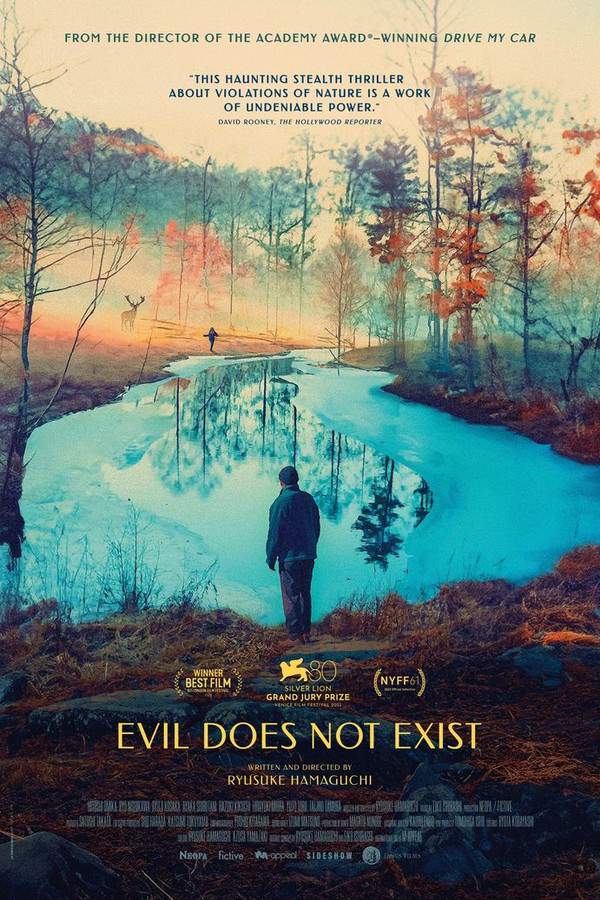
Evil Does Not Exist (2024) movie poster

Timeline

Evil Does Not Exist (2024) Timeline Explained – Every Event in Order

Release, runtime and language
2024 · 1 h 46 m · Japanese
Echo score 77
Loading streaming availability…
Directed by
Ryûsuke Hamaguchi
Starring
Hazuki Kikuchi, Hiroyuki Miura, Ayaka Shibutani, Hitoshi Omika, Rei Nishikawa, Ryûji Kosaka

Takumi and his daughter Hana live a peaceful life in the mountain village of Mizubiki, providing Tokyo with water, wood, and wasabi. Their tranquil existence is threatened when a luxurious glamping resort is planned for the area, potentially disrupting the natural beauty and serenity of their home.

On this page (7)
  1. 1 Where to watch
  2. 2 Events in order (14)
  3. 3 Timeline questions answered
  4. 4 Movie threads
  5. 5 Movies like Evil Does Not Exist
  6. 6 Categories
  7. 7 Every angle
Loading streaming availability…

14 events in order · contains spoilers

Evil Does Not Exist Timeline: Events in Chronological Order

Every key event of Evil Does Not Exist (2024) in order, scene by scene, with when and where it takes place. Use it to untangle flashbacks, time jumps and parallel storylines, to refresh your memory before the sequel or to find the exact scene you are thinking of.

  1. Serene Life in Mizubiki

    Takumi and his daughter Hana enjoy a peaceful life in the winter forest of Mizubiki. Their days unfold in tranquility, surrounded by the beauty of nature, occasionally interrupted by the distant sounds of deer hunting.

    Where
    Mizubiki
  2. Community Meeting for Glamping Proposal

    During a tense community meeting, Takumi and other villagers confront representatives from a glamping company presenting their development proposal. The townspeople express deep concerns about the potential environmental impact of the project, particularly on their water supply.

    Where
    Mizubiki
  3. Rising Tensions

    As the meeting progresses, the villagers' worries grow as they cite issues with septic tank capacity that could contaminate their well water. Takumi's steadfastness represents the collective voice of the community, urging for a reconsideration of the project's viability.

    Where
    Mizubiki
  4. Empathy Begins to Form

    Initially, the glamping representatives, Takahashi and Mayuzumi, dismiss the villagers' concerns. However, as they listen more intently to the locals, they begin to empathize with their fears about the environmental consequences of the development.

    Where
    Mizubiki
  5. Corporate Manipulations

    Under pressure from their superior, Takahashi and Mayuzumi decide to sidestep the concerns and instead try to win over Takumi with gifts. They offer him a position as caretaker for the glamping site, hoping to sway his opinion.

    Where
    Mizubiki
  6. Adapting to Village Life

    As time passes, Takahashi starts to embrace village culture, moving away from his corporate life. He seeks Takumi's guidance, signaling a shift in his attitude as he begins to understand the importance of community and nature.

    Where
    Mizubiki
  7. A Tale of Wildness

    On a scenic drive, Takumi shares a story about wild deer with Takahashi, explaining how even gentle creatures can become dangerous when threatened. Their discussion reflects the fragile balance between humanity and nature, highlighted by the sounds of a distant gunshot.

    Where
    Mizubiki
  8. Panic Strikes the Village

    Night falls over Mizubiki, and a wave of panic erupts when it’s discovered that Hana is missing. Takumi partners with Takahashi as they rally the community to search for her, fueled by urgency and fear.

    Where
    Mizubiki
  9. The Frantic Search

    Takumi and Takahashi embark on a perilous journey into the dark forest, driven by desperate hope. As they traverse deeper into the wilderness, their resolve and urgency intensify with each passing moment.

    Where
    Mizubiki Forest
  10. A Disturbing Discovery

    Within a moonlit clearing, they stumble upon Hana, unexpectedly standing near a wounded deer and its calf. The sight serves as a harsh reminder of the brutal realities lurking beyond their rural lives.

    Where
    Moonlit Field
  11. A Moment of Instinct

    As Takahashi instinctively moves to help the deer, Takumi reacts fiercely, tackling Takahashi to the ground. In this shocking moment, the grave truth is revealed: Hana is indeed lifeless, starkly emphasizing the dangers they have faced.

    Where
    Moonlit Field
  12. Heartbroken Escape

    Grief-stricken, Takumi gathers his daughter’s body, making a frantic escape into the dark forest. The shadows engulf him as he realizes the tragic outcome of their search, marking a heart-wrenching moment in his life.

    Where
    Mizubiki Forest
  13. Takahashi's Struggle

    As Takumi rushes into the depths of the forest, Takahashi struggles to rise from the ground. The treacherous terrain seems to conspire against him, leaving him grappling with the heavy implications of the tragic events that have unfolded.

    Where
    Moonlit Field
  14. Fate's Relentless Grasp

    With the village now shrouded in sorrow, the relentless shadows surround Takahashi, echoing only the sounds of fading footsteps and labored breaths. The desperate search ends in heartbreak, illustrating the merciless hand of fate.

    Where
    Mizubiki Forest

Last updated: November 17, 2024 at 15:46

Was this helpful?

Timeline questions answered

Evil Does Not Exist Timeline Explained: Your Questions Answered

When does it happen, and why in that order? The questions people ask about the chronology of Evil Does Not Exist (2024): time jumps, flashbacks, cause and effect between scenes and the correct order of events, each answered with spoilers.

Q1

Why do the villagers oppose the glamping resort project?

The villagers oppose the project primarily over water contamination fears. They are concerned that the glamping site's septic tanks won't have sufficient capacity, which could lead to sewage leaking into their well-water supply. Since the village provides Tokyo with water, wood, and wasabi, their entire livelihood depends on maintaining clean water sources.

Foreshadowing: The water concerns mentioned early in the film become critical when Takumi's daughter Hana goes missing near the forest.

  • glamping project
  • water contamination
  • septic tanks
  • village opposition
  • environmental concerns
Q2

Why does Takahashi start embracing village life instead of pushing the project?

After listening to the villagers' genuine concerns about their water supply, Takahashi begins to empathize with the community. As he spends more time in Mizubiki, he becomes disillusioned with his corporate job and starts seeking guidance from Takumi, eventually choosing to abandon his fast-paced urban existence and adopt local customs.

Foreshadowing: Takahashi's growing connection to village life foreshadows his willingness to help search for Hana when she goes missing.

  • Takahashi
  • corporate job
  • village life
  • empathy
  • character change
Q3

What is the significance of Takumi's story about wild deer?

During a scenic drive, Takumi tells Takahashi that even the most peaceful creatures can turn aggressive when threatened or cornered. This story serves as a warning about the delicate balance between humanity and nature, reflecting the villagers' own struggle against the encroaching development. The distant gunshot that follows underscores this fragility.

Foreshadowing: The deer story foreshadows the tragic climax where Takumi himself becomes aggressive when cornered by grief and loss.

  • deer
  • nature
  • warning
  • Takumi story
  • balance
Q4

Why does Takumi tackle Takahashi when they find Hana?

When Takumi and Takahashi discover Hana standing motionless near a wounded deer and its calf in the moonlit field, Takahashi instinctively moves forward to help the animals. Takumi responds with fierce aggression, tackling Takahashi to the ground. This reaction appears to stem from primal paternal instinct, the overwhelming need to protect his daughter, even from a well-meaning outsider approaching what Takumi perceives as his domain.

Foreshadowing: Takumi's aggressive response to Takahashi reflects the deer story's warning about creatures becoming dangerous when cornered.

  • Takumi
  • Takahashi
  • tackle
  • deer
  • protective instinct
Q5

What happens to Hana in the forest? How does she die?

The film depicts Hana being found lifeless in a moonlit forest clearing near a wounded deer and its calf. Her nose is bloodied, suggesting she may have collapsed or died from exposure in the harsh winter environment. The exact circumstances of her death remain ambiguous, the searchers find her already deceased, and the film focuses on Takumi's devastating discovery rather than explaining the precise cause.

Foreshadowing: Earlier hints include the distant gunfire from hunting expeditions and the harsh winter setting of their mountain village.

  • Hana death
  • forest
  • deer
  • tragedy
  • ambiguous
Q6

What happens to Takumi at the end of the film?

After discovering his daughter's lifeless body, Takumi gathers Hana in his arms and runs desperately into the dark forest. The ending shows him disappearing into the encroaching darkness, consumed by grief and making a frantic escape with his daughter's body. The final shots show only the forest, echoing with distant footsteps and labored breathing, leaving his fate ambiguous but bleak.

Foreshadowing: This desperate escape mirrors the deer story's theme of a creature running when cornered by danger.

  • Takumi
  • forest escape
  • grief
  • daughter
  • ending
Q7

What happens to Takahashi at the end of the film?

After Takumi runs into the forest with Hana's body, Takahashi is left alone in the moonlit field. He struggles to rise from the ground but is pulled back down by the treacherous terrain. The film leaves him stranded in a state of shock, grappling with the traumatic events and the heavy implications of the tragedy that has unfolded.

Foreshadowing: Takahashi's isolation reflects his outsider status, despite his growing connection to the village, he remains unable to fully belong or help.

  • Takahashi
  • stranded
  • shock
  • ending
  • left behind
Q8

Why do the glamping representatives try to bribe Takumi?

After receiving orders from their superior, Takahashi and Mayuzumi attempt to sidestep the villagers' environmental concerns entirely. Instead of addressing the water contamination issues, they try to win Takumi over personally by lavishing him with gifts and offering him the position of caretaker for the glamping site. This corporate manipulation aims to secure project approval through one influential villager rather than addressing legitimate community concerns.

Foreshadowing: The bribery attempt highlights the clash between corporate interests and community welfare that defines the film's central conflict.

  • bribery
  • corporate
  • Takahashi
  • Mayuzumi
  • Takumi offer
Q9

How does the environmental conflict relate to Hana's death?

While the film begins with villagers fighting to protect their water supply from the glamping development, this ecological concern is ultimately overshadowed by the tragic death of Takumi's daughter. The narrative shifts from a community struggle against corporate intrusion to an absolutely devastating personal tragedy, with the earlier environmental plot serving primarily as the backdrop that brings the characters together.

Foreshadowing: The community rally to search for Hana demonstrates how the environmental conflict transforms into a unified human effort, only to end in heartbreak.

  • environment
  • tragedy
  • connection
  • plot shift
  • Hana
Q10

Why is the ending so bleak and tragic?

The film deliberately moves from a potentially hopeful community struggle against development to an absolute tragedy with the death of Hana. The bleak ending depicts irreparable loss, a father's desperate flight into darkness with his dead daughter, while the corporate representative is left stranded in shock. The film offers no redemption or comfort, instead emphasizing the merciless hand of fate and the fragility of life in the face of nature and grief.

Foreshadowing: The shift from moderate tension during the environmental meetings to devastating tragedy reflects the film's commitment to depicting how quickly peace can be destroyed.

  • bleak ending
  • tragedy
  • meaning
  • fate
  • loss

Movie threads

More Movies Like Evil Does Not Exist, by Mood & Story

Curated lists built around what makes Evil Does Not Exist tick: the same mood, the same kind of story or the same emotional payoff. Each list explains why these movies belong together.

Slow burn ecological tragedies like Evil Does Not Exist

Stories where encroaching modernity leads to irreversible environmental and personal ruin. If you liked the environmental tension and tragic outcome of Evil Does Not Exist, explore these movies where the fight to protect nature leads to deep personal loss and bleak reflections on human impact.

  • nature-driven
  • somber
  • unsettling
  • grief-stricken
  • tense
  • melancholic
  • Tone: bleak, melancholic, tense
  • Pacing: slow, deliberate, atmospheric
Why these movies?

The story pattern: Narratives in this thread typically follow a linear path from tranquility to crisis. A community or individual living in harmony with nature faces an external threat, often corporate or industrial. The conflict escalates slowly, with the focus on atmospheric dread rather than action, leading to an ending that underscores the fragility of both the environment and human life.

Why they belong together: Movies are grouped here for their shared focus on environmental themes, their slow-burn pacing that builds palpable tension, and their ultimate trajectory toward tragedy. They share a heavy emotional weight and a bleak tone, creating a cohesive experience of loss and ecological warning.

Quiet stories of paternal grief like in Evil Does Not Exist

Intimate portraits of a father's world shattered by profound loss. For viewers moved by the father's heartbreaking journey in Evil Does Not Exist, this collection features similar movies focused on quiet, heavy dramas about fathers coping with profound loss and tragedy.

  • somber
  • grief-stricken
  • melancholic
  • quiet
  • heartbreaking
  • introspective
  • Tone: somber, bleak, grief-stricken
  • Pacing: slow, contemplative, character-driven
Why these movies?

The story pattern: The narrative pattern revolves around a central, traumatic event that redefines a father's existence. The story delves into the aftermath, exploring his internal struggle, isolation, and attempts to cope or find meaning. The pacing is often slow and contemplative, emphasizing emotional depth over plot mechanics, and endings are typically unresolved or bleak, reflecting the permanence of the loss.

Why they belong together: These films are united by their primary focus on the emotional arc of a grieving father. They share a heavy emotional weight, a slow, introspective pacing, and a somber, often bleak tone. The experience is defined by a profound sense of sadness and a deep dive into a character's emotional core.

If you liked this

Movies Like Evil Does Not Exist

Similar movies to Evil Does Not Exist: the same genre, themes or kind of story. Each one comes with its own plot summary, timeline and ending explained.

Browse all movie summaries

Categories

Movie Lists Featuring Evil Does Not Exist

Evil Does Not Exist appears in these hand-built movie categories. Each one groups movies by a specific mood, theme or story type, with their plot summaries and endings explained.

View all movie categories

Every angle

Evil Does Not Exist (2024) Explained: Plot, Ending, Timeline & Characters

Everything about Evil Does Not Exist in one place: what happens in the plot summary, the timeline in chronological order, the characters and meaning, the ending explained and a spoiler-free summary. What's After the Movie adds the cast, box office and post-credit scenes.

Coming soon on iOS and Android

The Plot Explained Movie Summary App

Plot summaries, endings explained and timelines on your phone. Catch up on any movie in minutes, save your favorites and never miss a twist again.

Be the first to know when we launch. Your email stays private, always.

Learn more about the app