Eight O’Clock Walk

Eight O’Clock Walk

Year: 1954

Runtime: 87 mins

Language: English

Director: Lance Comfort

DramaCrime

Only a British cabdriver’s (Richard Attenborough) wife (Cathy O’Donnell) and lawyer (Derek Farr) believe him innocent of killing a little girl.

Warning: spoilers below!

Haven’t seen Eight O’Clock Walk yet? This summary contains major spoilers. Bookmark the page, watch the movie, and come back for the full breakdown. If you're ready, scroll on and relive the story!

Timeline & Setting – Eight O’Clock Walk (1954)

Explore the full timeline and setting of Eight O’Clock Walk (1954). Follow every major event in chronological order and see how the environment shapes the story, characters, and dramatic tension.

Time period

Post-World War II era, late 1940s

Set shortly after World War II, the film reflects a period of post-war recovery and social change in London. This time was marked by rebuilding, lingering wartime memories, and a societal shift towards modern justice systems. The period influences the characters' perspectives and the legal proceedings depicted in the story.

Location

London, England

The movie takes place predominantly in London, a historically significant city known for its iconic landmarks and legal institutions. The courtroom scenes at the Old Bailey highlight London's role as a center of justice and law in the UK. The city’s urban setting emphasizes the contrast between everyday life and the dark mysteries faced by the characters.

🌆 Urban 🏛️ Historical 🕵️‍♂️ Courtroom

Last updated: August 19, 2025 at 04:48

Was this helpful?

Main Characters – Eight O’Clock Walk (1954)

Meet the key characters of Eight O’Clock Walk (1954), with detailed profiles, motivations, and roles in the plot. Understand their emotional journeys and what they reveal about the film’s deeper themes.

Thomas Leslie Manning (Richard Attenborough)

A wartime pilot and the accused, Manning is portrayed as a man suffering from possible psychological trauma. His innocence is questioned as he grapples with doubt, suspicion, and the consequences of wartime wounds. His character embodies the struggle for truth amidst societal and judicial pressure.

👨‍✈️ Pilot 🤔 Conflicted 🧩 Mysterious

Jill Manning (Cathy O'Donnell)

Manning’s wife, she is devoted and convinced of her husband's innocence. Her unwavering support highlights themes of loyalty and trust during a period of legal uncertainty. She seeks justice and fights against the circumstantial evidence against her husband.

💍 Spouse 💖 Loyal 🔍 Supportive

Peter Tanner (Derek Farr)

A junior counsel who believes in Manning's innocence, Peter is empathetic and determined. His advocacy and clever courtroom tactics turn the tide in the trial, emphasizing the importance of justice and perseverance.

⚖️ Lawyer 💡 Clever 💪 Persistent

Geoffrey Tanner (Ian Hunter)

The prosecuting counsel and father of Peter Tanner, Geoffrey is steadfast in his role. His commitment to the prosecution reflects the intense courtroom rivalry and the societal duty to uphold justice, even when doubts arise.

⚖️ Prosecutor 🎩 Authoritative 💼 Formal

Mrs. Adeline Zunz (Lily Kann)

A local resident who witnesses Manning's frustration, her testimony unintentionally influences the suspicion against him. Her perspective provides insight into the impact of social observation on justice.

👵 Witness 👀 Observant 📝 Testimony

Last updated: August 19, 2025 at 04:48

Was this helpful?

Major Themes – Eight O’Clock Walk (1954)

Explore the central themes of Eight O’Clock Walk (1954), from psychological, social, and emotional dimensions to philosophical messages. Understand what the film is really saying beneath the surface.

⚖️ Justice

The film explores themes of justice and legal fairness, emphasizing the importance of evidence and the turmoil of wrongful conviction. The courtroom drama revolves around the pursuit of truth amidst suspicion and prejudice, highlighting the fragile nature of judicial innocence.

🧠 Memory & doubt

The story delves into the themes of memory and mental stability, especially concerning Manning’s head wound and potential blackouts. It questions how memory influences our perception of guilt and innocence, emphasizing psychological fragility and uncertainty.

Last updated: August 19, 2025 at 04:48

Was this helpful?

Eight O’Clock Walk (1954) Character & Theme Questions Answered – Info FAQ

Browse frequently asked questions about Eight O’Clock Walk (1954) focused on characters, relationships, themes, symbols, setting, and story context. This movie info FAQ gives spoiler-aware explanations for character arcs, world details, and thematic interpretation so readers can better understand what the film is really about.

Q1

Where does the movie take place?

A.

The film is set primarily in London, England. Key scenes take place at the Old Bailey, London’s famous Central Criminal Court, which serves as the backdrop for the trial. The urban setting of post-war London creates a stark contrast between everyday city life and the gravity of the murder accusation facing the accused man.

londonold baileyenglandukcourtroomsetting
Q2

What time period is the movie set in?

A.

Eight O'Clock Walk is set in the late 1940s, shortly after World War II. This post-war era was marked by social change, rebuilding efforts, and lingering memories of the war. The time period influences the characters' perspectives and reflects a transitional period in the British justice system as it moved toward modern legal procedures.

1940spost-wareratime period1940s london
Q3

What are the main themes of the movie?

A.

The film explores two primary themes. First, it examines justice and legal fairness, focusing on wrongful conviction and the pursuit of truth against prejudice and circumstantial evidence. Second, it delves into memory and mental stability, questioning how psychological trauma and memory gaps influence perceptions of guilt and innocence. The combination creates a tense examination of judicial error and human doubt.

justicelegal fairnesswrongful convictionmemorydoubtpsychological traumathemes
Q4

Who is Thomas Manning and what is his role?

A.

Thomas Leslie Manning, played by Richard Attenborough, is a wartime pilot who becomes the accused in the film. He suffers from possible psychological trauma resulting from his wartime head wound, which raises questions about his ability to recall events clearly. His character embodies the struggle for truth amid judicial and societal pressure, as he must fight to prove his innocence against overwhelming circumstantial evidence.

thomas manningrichard attenboroughpilotaccusedwartime trauma
Q5

Who is Jill Manning and what is her role?

A.

Jill Manning is the devoted wife of the accused Thomas Manning, played by Cathy O'Donnell. She is convinced of her husband's innocence and remains unwavering in her support throughout the trial. Her character represents loyalty and trust during a period of extreme legal uncertainty, as she actively seeks justice and fights against the circumstantial evidence that threatens to convict her husband.

jill manningcathy o'donnellwifeloyaltysupport
Q6

Who is Peter Tanner and what role does he play?

A.

Peter Tanner, played by Derek Farr, is a junior counsel who defends Manning. Unlike the prosecution, he genuinely believes in Manning's innocence and uses empathetic advocacy and clever courtroom tactics to challenge the evidence against his client. His determination turns the tide of the trial, highlighting the importance of perseverance and belief in the pursuit of justice.

peter tannerderek Farrlawyerdefense counselcourtroom
Q7

What is the Old Bailey and why is it significant in the movie?

A.

The Old Bailey is London's Central Criminal Court, one of the most famous courthouses in the world. In Eight O'Clock Walk, the trial scenes take place at the Old Bailey, emphasizing London's historical role as a center of justice in the UK. The setting underscores the gravity of the murder accusation and the seriousness of the legal proceedings that determine the accused man's fate.

old baileylondoncourtcriminal courtjustice system
Q8

How does the post-war setting affect the story?

A.

The late 1940s post-war setting shapes the film in several ways. The era was characterized by social change and rebuilding after WWII, which influences the characters' perspectives and the legal proceedings depicted. The psychological impact of the war on individuals, particularly those like Manning who served as wartime pilots, forms a crucial element of the narrative, as the trauma and uncertainty of that era bleed into the present mystery.

post-warworld war 21940ssocial changerebuildinglondon
Q9

What does the theme of justice mean in this film?

A.

The theme of justice in Eight O'Clock Walk focuses on the fragility of judicial innocence and the pursuit of truth amidst suspicion and prejudice. The film emphasizes that evidence alone is not enough without proper examination, and it highlights the turmoil of wrongful conviction. The courtroom drama shows how the legal system can fail when circumstantial evidence and social prejudice override the search for truth.

justicejudicial innocencetrialevidenceprejudicetruthwrongful conviction
Q10

How does memory factor into the movie's story?

A.

Memory plays a crucial role through the character of Manning, who suffers from a head wound that may cause blackouts and memory gaps. The film questions how memory influences perception of guilt and innocence, emphasizing psychological fragility and uncertainty. His uncertain memory becomes both a personal burden and a central point of legal debate during the trial.

memoryblackoutspsychological traumamanninghead woundmental stability
Q11

Who is Geoffrey Tanner and what is his role?

A.

Geoffrey Tanner, played by Ian Hunter, is the prosecuting counsel in the trial and father of Peter Tanner, the defense lawyer. He represents the Crown's case against Manning and is steadfast in his duty to pursue justice through prosecution. His character creates an interesting family dynamic in the courtroom, as he faces off against his own son, who defends the accused.

geoffrey tannerian hunterprosecutorprosecuting counselfather
Q12

What is the overall tone and mood of the film?

A.

Eight O'Clock Walk has a tense tone centered on a man's life hanging in the balance during a detailed courtroom process. The mood is characterized by anxiety and the constant threat of wrongful conviction. While the subject matter is stressful, the pacing is steady and methodical rather than frantic. Despite the heavy emotional weight involving a child's murder and miscarriage of justice, the film ultimately resolves with a happy ending where the truth is uncovered.

tonemoodtensionanxietysteady pacingendingresolution
Mobile App Preview

Coming soon on iOS and Android

The Plot Explained Mobile App

From blockbusters to hidden gems - dive into movie stories anytime, anywhere. Save your favorites, discover plots faster, and never miss a twist again.

Sign up to be the first to know when we launch. Your email stays private, always.

Explore Movie Threads

Discover curated groups of movies connected by mood, themes, and story style. Browse collections built around emotion, atmosphere, and narrative focus to easily find films that match what you feel like watching right now.

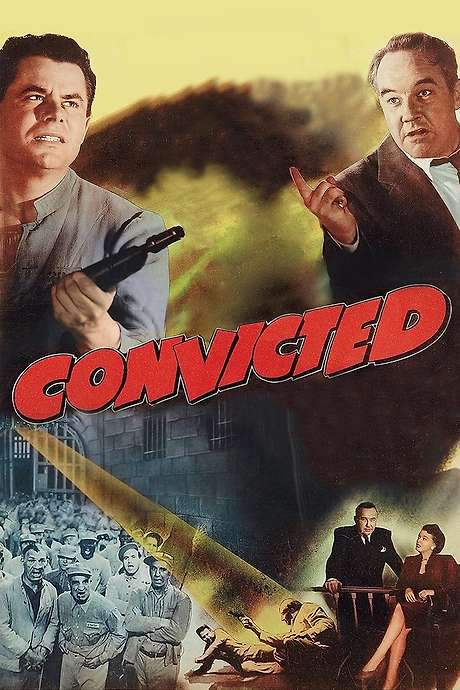
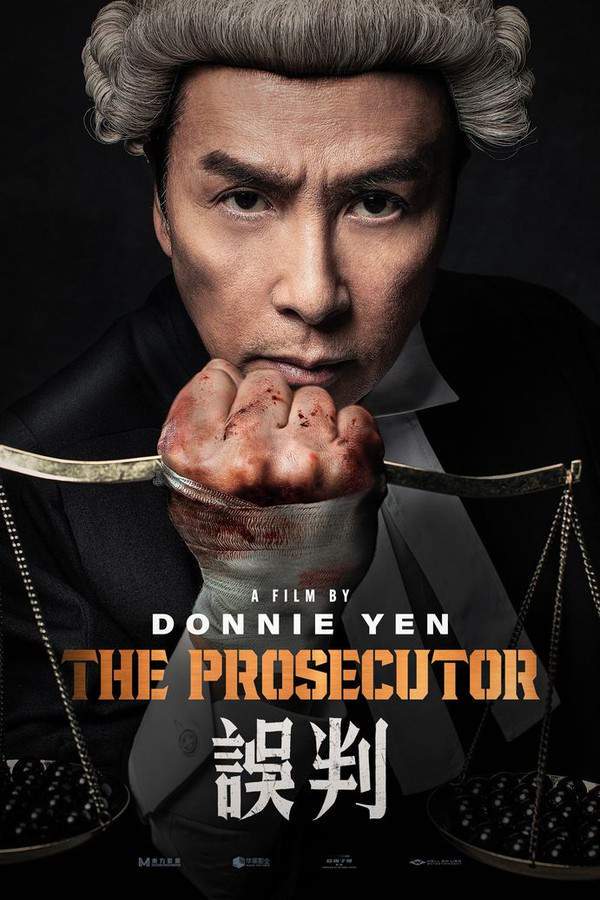
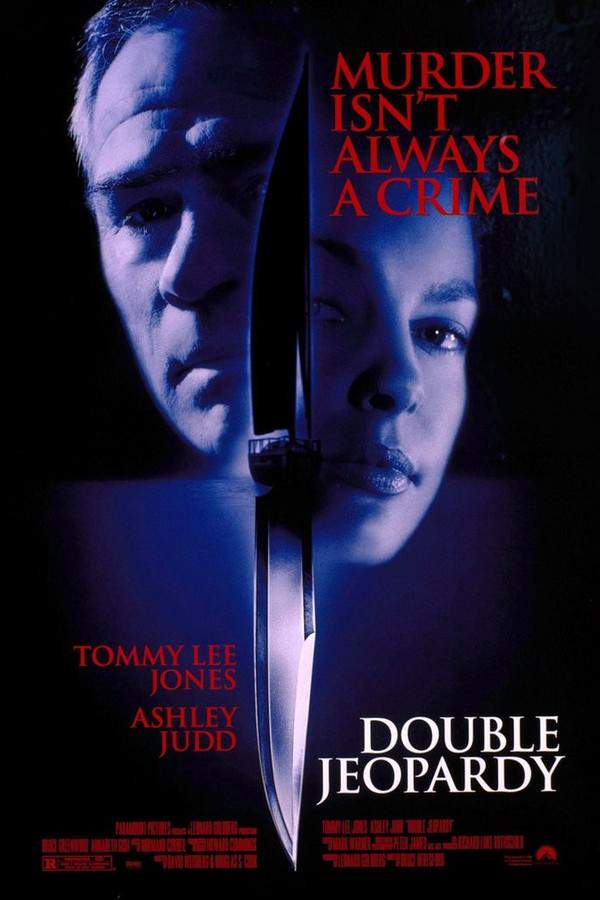
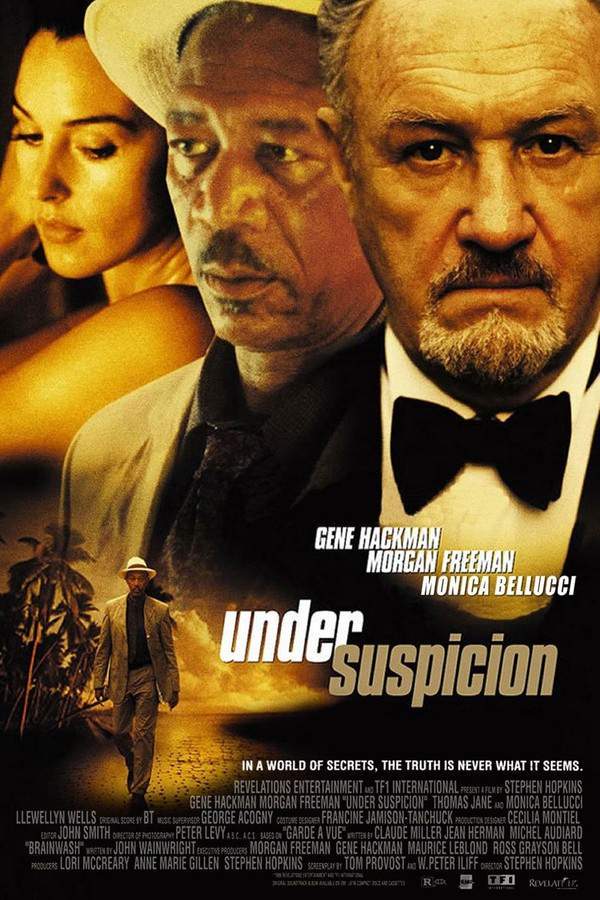
Wrongful Accusation Courtroom Dramas like Eight O’Clock Walk

Innocent protagonists fighting for justice against overwhelming circumstantial evidence.If you enjoyed the tense fight for justice in Eight O’Clock Walk, you'll appreciate these other movies about wrongful accusations. These films feature compelling courtroom battles, meticulous investigations, and protagonists whose lives hang in the balance, all centered on the theme of proving innocence against daunting odds.

courtroom dramasuspensefulanxiousgrippinghopefulproceduralpsychological distressjustice

Narrative Summary

These narratives typically begin with a shocking crime and a protagonist who becomes the prime suspect due to misleading circumstantial evidence. The story follows their journey through the legal system, often highlighting a determined lawyer or ally, the introduction of key witnesses, and a final, dramatic revelation in the courtroom that secures their freedom.

Why These Movies?

They are grouped by their shared focus on the nightmare scenario of being falsely accused, creating a potent mix of legal procedure, psychological suspense, and a deep-rooted desire for vindication. The emotional core is the protagonist's resilience and the audience's investment in seeing truth prevail.

Claustrophobic Psychological Suspense films like Eight O’Clock Walk

Stories where anxiety tightens like a vise around a trapped protagonist.Fans of the anxious, confined feeling in Eight O’Clock Walk will find similar vibes in these movies. These stories masterfully build a sense of entrapment and paranoia, whether through a flawed justice system, a physical prison, or a web of lies, keeping you on edge until the final resolution.

claustrophobicanxiousparanoidsuspensefulpsychologicalgrippinguneasytrapped

Narrative Summary

The narrative pattern involves a character whose freedom or safety is increasingly constrained, often by an institution, a secret, or public perception. The plot focuses on their internal psychological struggle with doubt and fear as external pressures mount, leading to a climax where they must break free from their confinement, either literally or metaphorically.

Why These Movies?

These films share a specific atmospheric quality: a palpable sense of anxiety and confinement that is central to the viewing experience. They are united by their ability to make the audience feel the protagonist's claustrophobia and psychological strain, prioritizing mood over action.

Unlock the Full Story of Eight O’Clock Walk

Don't stop at just watching - explore Eight O’Clock Walk in full detail. From the complete plot summary and scene-by-scene timeline to character breakdowns, thematic analysis, and a deep dive into the ending - every page helps you truly understand what Eight O’Clock Walk is all about. Plus, discover what's next after the movie.

Eight O’Clock Walk Summary

Read a complete plot summary of Eight O’Clock Walk, including all key story points, character arcs, and turning points. This in-depth recap is ideal for understanding the narrative structure or reviewing what happened in the movie.

Eight O’Clock Walk Summary

Eight O’Clock Walk Timeline

Track the full timeline of Eight O’Clock Walk with every major event arranged chronologically. Perfect for decoding non-linear storytelling, flashbacks, or parallel narratives with a clear scene-by-scene breakdown.

Eight O’Clock Walk Timeline

Eight O’Clock Walk Spoiler-Free Summary

Get a quick, spoiler-free overview of Eight O’Clock Walk that covers the main plot points and key details without revealing any major twists or spoilers. Perfect for those who want to know what to expect before diving in.

Eight O’Clock Walk Spoiler-Free Summary

More About Eight O’Clock Walk

Visit What's After the Movie to explore more about Eight O’Clock Walk: box office results, cast and crew info, production details, post-credit scenes, and external links - all in one place for movie fans and researchers.

More About Eight O’Clock Walk

Similar Movies to Eight O’Clock Walk

Discover movies like Eight O’Clock Walk that share similar genres, themes, and storytelling elements. Whether you’re drawn to the atmosphere, character arcs, or plot structure, these curated recommendations will help you explore more films you’ll love.