Year: 1954
Runtime: 87 mins
Language: English
Director: Lance Comfort
Only a British cabdriver’s (Richard Attenborough) wife (Cathy O’Donnell) and lawyer (Derek Farr) believe him innocent of killing a little girl.
Warning: spoilers below!
Haven’t seen Eight O’Clock Walk yet? This summary contains major spoilers. Bookmark the page, watch the movie, and come back for the full breakdown. If you're ready, scroll on and relive the story!
Read the complete plot breakdown of Eight O’Clock Walk (1954), including all key story events, major twists, and the ending explained in detail. Discover what really happened—and what it all means.
Tom Manning, a newlywed taxi driver, finds himself at the center of a baffling and tragic事件 after an innocent day takes a dark turn. The story begins when eight-year-old Irene, who claims she has lost her doll, leads Manning to an abandoned bombsite. After a brief encounter, she runs away, teasing him as part of an April-Fool’s prank. annoyed, Manning raises his fist in frustration, a gesture witnessed by Mrs. Zunz, a local resident. However, the situation takes a sinister turn when Irene is discovered murdered on the same bombsite, strangled while singing “Oranges and Lemons” and feeding the ducks nearby.
Following her death, Manning is quickly picked up by Scotland Yard for questioning, and suspicion quickly shifts onto him, leading to his arrest and subsequent charge of Irene’s murder. The case against him relies heavily on circumstantial evidence, including a handkerchief found at the scene, fibers from his coat, and testimony from Mrs. Zunz. Manning’s background as a wartime pilot who had suffered a head injury further complicates matters, causing him to doubt his own memory and wonder if he experienced a blackout or lost time during the events.
Despite his innocence protests, Manning’s wife, Jill Manning, played by Cathy O’Donnell, is convinced her husband did not commit the crime. She reaches out to lawyers to help her husband, but their efforts are hampered when the defense barrister refuses to communicate directly, aiming to maintain an objective stance. As the trial unfolds at London’s Old Bailey, Jill manages to win the sympathy of Peter Tanner, played by Derek Farr, a junior counsel who genuinely believes in Manning’s innocence. He visits Manning behind bars and takes on the task of defending him, fighting against the mounting evidence against his client.
The courtroom battles intensify as Geoffrey Tanner (the father of Peter, and the prosecuting counsel) opposes him, and the tension among the jurors becomes palpable as many express their belief in Manning’s guilt even before the proceedings conclude. The prosecution submits hearsay evidence claiming Manning handed Irene sweets, which the defense challenges. The key moment comes when Horace Clifford, a witness for the prosecution, testifies. His account seems overwhelming at first, but Peter Tanner uncovers contradictions in his testimony.
A crucial breakthrough occurs when Tanner notices Clifford outside the courthouse giving a sweet to a young girl, a sweet identical to the one found on Irene’s body. During cross-examination, Tanner presents Clifford with the sweets and instructs a street musician to play “Oranges and Lemons.” This confrontation causes Clifford to break down emotionally, revealing that he had been lying about his involvement. The case then takes a dramatic turn, ultimately leading to Manning’s exoneration.
Throughout the film, the story explores themes of doubt, justice, and the importance of perseverance in the face of prejudice. It vividly depicts the emotional and legal struggles faced by Manning and his wife, illustrating how appearances and circumstantial evidence can often cloud the truth, and how integrity and diligent investigation are crucial in uncovering the real story behind a wrongful accusation. The film’s resolution underscores that sometimes, what seems obvious at first glance can be misleading, and only through careful inquiry can justice truly be served.
Last Updated: August 19, 2025 at 05:13
Discover curated groups of movies connected by mood, themes, and story style. Browse collections built around emotion, atmosphere, and narrative focus to easily find films that match what you feel like watching right now.
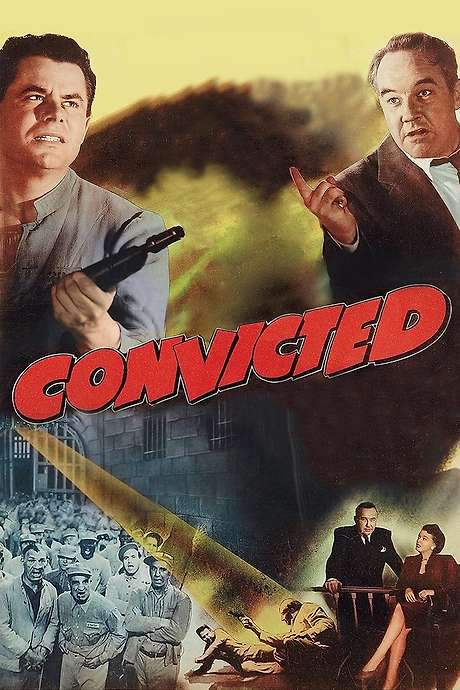
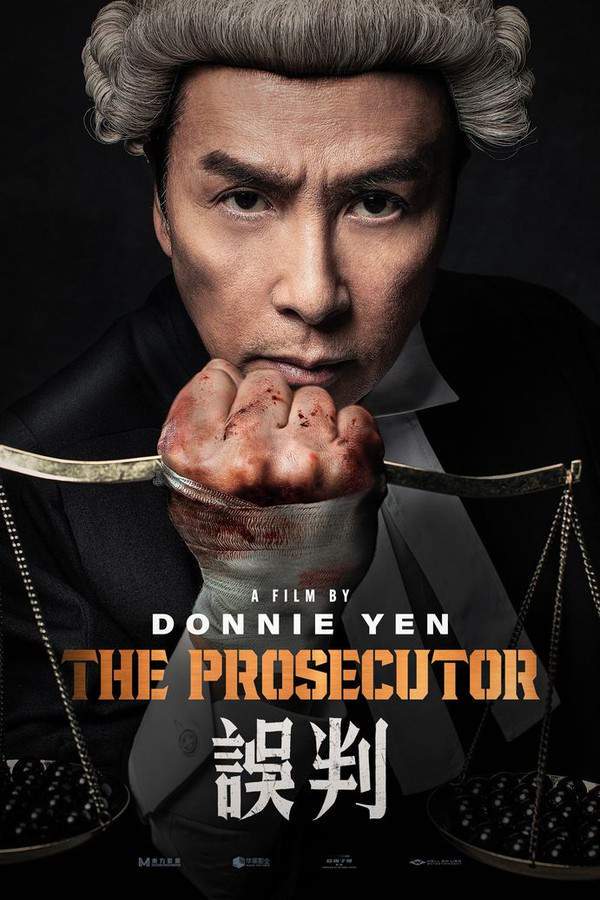
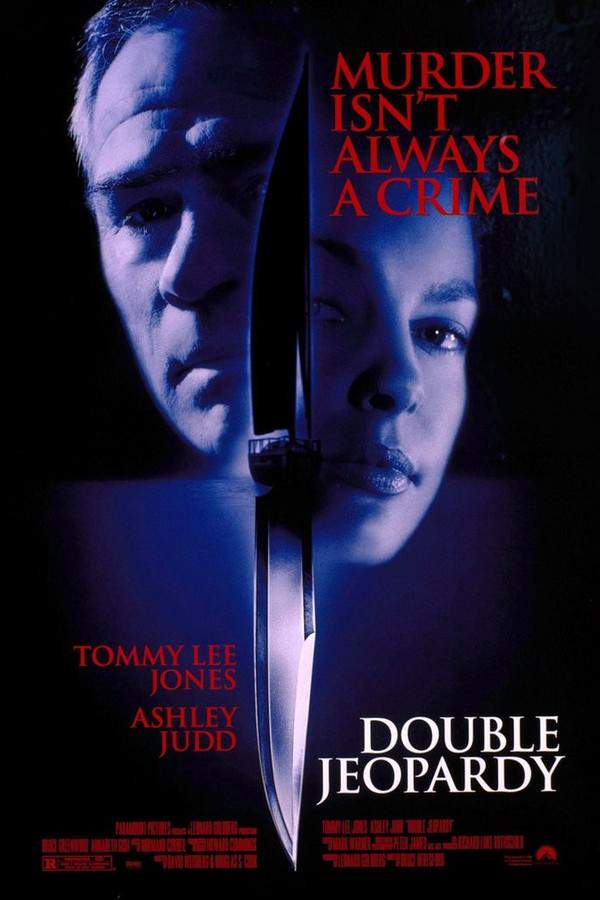
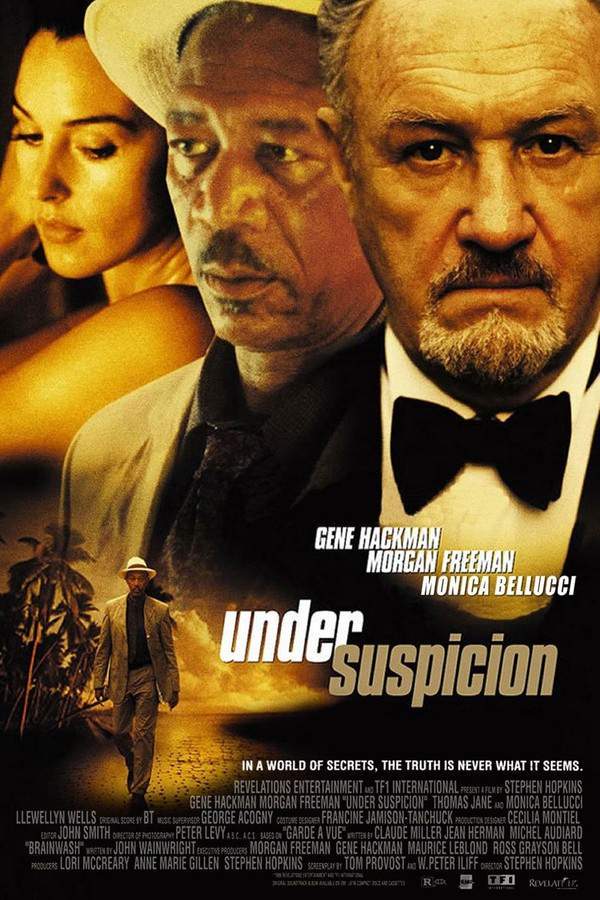
Innocent protagonists fighting for justice against overwhelming circumstantial evidence.If you enjoyed the tense fight for justice in Eight O’Clock Walk, you'll appreciate these other movies about wrongful accusations. These films feature compelling courtroom battles, meticulous investigations, and protagonists whose lives hang in the balance, all centered on the theme of proving innocence against daunting odds.
These narratives typically begin with a shocking crime and a protagonist who becomes the prime suspect due to misleading circumstantial evidence. The story follows their journey through the legal system, often highlighting a determined lawyer or ally, the introduction of key witnesses, and a final, dramatic revelation in the courtroom that secures their freedom.
They are grouped by their shared focus on the nightmare scenario of being falsely accused, creating a potent mix of legal procedure, psychological suspense, and a deep-rooted desire for vindication. The emotional core is the protagonist's resilience and the audience's investment in seeing truth prevail.
Stories where anxiety tightens like a vise around a trapped protagonist.Fans of the anxious, confined feeling in Eight O’Clock Walk will find similar vibes in these movies. These stories masterfully build a sense of entrapment and paranoia, whether through a flawed justice system, a physical prison, or a web of lies, keeping you on edge until the final resolution.
The narrative pattern involves a character whose freedom or safety is increasingly constrained, often by an institution, a secret, or public perception. The plot focuses on their internal psychological struggle with doubt and fear as external pressures mount, leading to a climax where they must break free from their confinement, either literally or metaphorically.
These films share a specific atmospheric quality: a palpable sense of anxiety and confinement that is central to the viewing experience. They are united by their ability to make the audience feel the protagonist's claustrophobia and psychological strain, prioritizing mood over action.
Don't stop at just watching — explore Eight O’Clock Walk in full detail. From the complete plot summary and scene-by-scene timeline to character breakdowns, thematic analysis, and a deep dive into the ending — every page helps you truly understand what Eight O’Clock Walk is all about. Plus, discover what's next after the movie.
Track the full timeline of Eight O’Clock Walk with every major event arranged chronologically. Perfect for decoding non-linear storytelling, flashbacks, or parallel narratives with a clear scene-by-scene breakdown.
Discover the characters, locations, and core themes that shape Eight O’Clock Walk. Get insights into symbolic elements, setting significance, and deeper narrative meaning — ideal for thematic analysis and movie breakdowns.
Get a quick, spoiler-free overview of Eight O’Clock Walk that covers the main plot points and key details without revealing any major twists or spoilers. Perfect for those who want to know what to expect before diving in.
Visit What's After the Movie to explore more about Eight O’Clock Walk: box office results, cast and crew info, production details, post-credit scenes, and external links — all in one place for movie fans and researchers.
Discover movies like Eight O’Clock Walk that share similar genres, themes, and storytelling elements. Whether you’re drawn to the atmosphere, character arcs, or plot structure, these curated recommendations will help you explore more films you’ll love.
Eight O’Clock Walk (1954) Scene-by-Scene Movie Timeline
Eight O’Clock Walk (1954) Movie Characters, Themes & Settings
Eight O’Clock Walk (1954) Spoiler-Free Summary & Key Flow
Movies Like Eight O’Clock Walk – Similar Titles You’ll Enjoy
Eight on the Lam (1967) Plot Summary & Ending Explained
Walking the Edge (1985) Story Summary & Characters
The Hour of 13 (1952) Story Summary & Characters
The Verdict (1946) Plot Summary & Ending Explained
Count the Hours! (1953) Spoiler-Packed Plot Recap
Your Witness (1950) Detailed Story Recap
Two O’Clock Courage (1945) Complete Plot Breakdown
Curtain at Eight (1933) Film Overview & Timeline
Walk a Tightrope (1963) Movie Recap & Themes
The Green Cockatoo (1937) Full Movie Breakdown
Appointment with Crime (1946) Spoiler-Packed Plot Recap
Mr. Denning Drives North (1951) Film Overview & Timeline
They Drive by Night (1938) Film Overview & Timeline
Home at Seven (1952) Story Summary & Characters
The Eleven O’Clock Woman (1948) Complete Plot Breakdown