Plot Explained Spoilers guaranteed!
Plot Explained

Browse by genre

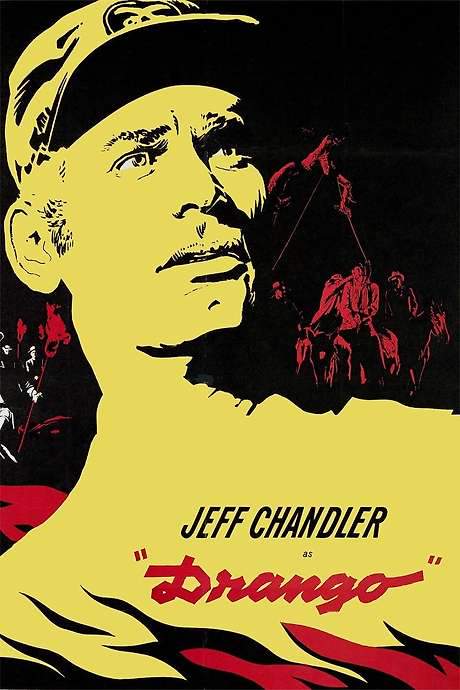
Drango (1957) movie poster

Timeline

Drango (1957) Timeline Explained – Every Event in Order

Release, runtime and language
1957 · 92 mins · English
Loading streaming availability…
Directed by
Hall Bartlett, Jules Bricken
Starring
Edith Evanson, Joanne Dru, Mimi Gibson, Donald Crisp, Walter Sande, Parley Baer

Months after the Civil War ends, Major Drango is appointed military governor of a small Southern town. Determined to restore order, he finds the locals hostile and uncooperative, forcing him to confront a community hardened by conflict and suspicion, testing his resolve as a lone outsider. He must navigate the town’s deep mistrust and the lingering scars of war.

On this page (6)
  1. 1 Where to watch
  2. 2 Events in order (14)
  3. 3 Timeline questions answered
  4. 4 Movie threads
  5. 5 Movies like Drango
  6. 6 Every angle
Loading streaming availability…

14 events in order · contains spoilers

Drango Timeline: Events in Chronological Order

Every key event of Drango (1957) in order, scene by scene, with when and where it takes place. Use it to untangle flashbacks, time jumps and parallel storylines, to refresh your memory before the sequel or to find the exact scene you are thinking of.

  1. Arrival and occupation of Kennesaw Pass

    Major Drango and Captain Banning ride into Kennesaw Pass as the Civil War ends. The town lies in ruins and its citizens are bitter over the losses and destruction. Drango is installed as military governor, a role the locals greet with suspicion and resentment.

    When
    End of Civil War (1865)
    Where
    Kennesaw Pass, Georgia
  2. Initial resistance to Yankee rule

    Drango begins his legal and military duties, but his presence is immediately resisted by the townspeople. Notables like Judge Allen and his son Clay make it clear they do not welcome the Yankees. The mood in Kennesaw Pass is tense as order is proposed but not accepted.

    When
    Early 1865
    Where
    Kennesaw Pass, Georgia
  3. Lynching shocks the town

    A local man accused of disloyalty is lynched after the town refuses to serve as jurors. The mob’s action undermines any attempt at due process and shocks those who had supported Drango's rule. Kate Calder mourns the haste and error of revenge while Judge Allen laments the collapse of justice.

    When
    Shortly after Drango's arrival
    Where
    Town square
  4. Emotional fallout in the judiciary

    Kate Calder blames Drango for letting the lynching occur, while Judge Allen is distraught by how justice has utterly failed his town. Drango insists he will pursue the truth and bring the killers to account. The emotional toll on the town deepens the rift between the occupiers and residents.

    When
    After lynching
    Where
    Judge Allen’s home / courthouse
  5. Efforts to pursue justice meet obstructions

    Drango tries to bring the perpetrators to justice, but Shelby Ransom harbors the fugitives, including her lover Clay. Tensions rise as the town's elite shield the offenders and the search for truth stalls. A doctor and a newspaper editor offer support to Drango, advocating for lawful restoration of order.

    When
    Following lynching
    Where
    Town
  6. Support for Drango forms an alliance

    A doctor and a newspaper editor pledge their support to Drango, arguing that steady, lawful rule is the path to peace. They believe in rebuilding the town's institutions and preventing further violence. Their alliance helps Drango push back against corruption and mob vengeance.

    When
    Shortly after initial resistance
    Where
    Town
  7. Bracken clamps down with rationing

    Colonel Bracken from Fort Dalton arrives and critiques Drango for not being tough enough. He confiscates the town's food supply and imposes strict rationing, directly impacting every resident. The move worsens hardship and deepens the conflict between the town and federal authorities.

    When
    Soon after Bracken's arrival
    Where
    Fort Dalton vicinity / Kennesaw Pass
  8. Raid, violence, and fire

    Clay's men stage a raid on the town, escalating the violence. The local doctor is wounded during the assault, the newspaper office is burned, and the editor's young son is accidentally killed in the chaos. The night of the raid shatters any remaining sense of security in the community.

    When
    During the raid
    Where
    Town
  9. Drango’s purpose revealed and trusted again

    Despite the violence, it is revealed to the townspeople that Drango's presence is partly to atone for his part in Sherman's march. His fair treatment and honesty begin winning some support, including from Kate Calder. A sense of cautious hope returns as some residents start to trust his leadership.

    When
    After the raid
    Where
    Town
  10. Ambush and family tensions surface

    Shelby orders Clay from her home, but he slaps her and lures the absent Captain Banning into an ambush. The ambush is an attempt to provoke a breakdown in order and push Fort Dalton into action. Drango, away from town seeking Colonel Bracken, must confront the consequences upon his return.

    When
    After Shelby's confrontation
    Where
    Shelby’s home / vicinity
  11. Banning slain and the town reacts

    Drango returns to find Captain Banning killed in Clay's ambush and is laid to rest by several townspeople; the ambush is a grim success for the insurgents. The event hardens attitudes on both sides and tests Drango's resolve. Yet it also underscores the stakes of keeping peace in the town.

    When
    Following ambush
    Where
    Town street
  12. The judge confronts his son

    The judge confronts his son over his unlawful acts, highlighting the personal cost of the town's turmoil. Clay aims to lay siege to Fort Dalton, but refuses to listen to reason. The confrontation mirrors the larger struggle between family loyalties and the rule of law.

    When
    After Banning's death
    Where
    Courthouse / town
  13. Desperate stand and its tragic price

    In a desperate last stand to stop open revolt, Drango stands in the street and is shot and injured for his defiance. Clay is then shot and killed by his own father, who earlier said he would rather see his son killed than wage war against the Union. The tragedy marks a grim turning point toward restoring order.

    When
    Late stage of conflict
    Where
    Town street
  14. Peaceful path forward

    Drango and several townspeople depart for Fort Dalton to end the rationing in a peaceful way. The departure signals a commitment to lawful governance and the rebuilding of the town. It represents a fragile but hopeful step toward lasting peace in Kennesaw Pass.

    When
    After the shooting tragedy
    Where
    Fort Dalton / route to Fort Dalton

Last updated: October 09, 2025 at 09:25

Was this helpful?

Timeline questions answered

Drango Timeline Explained: Your Questions Answered

When does it happen, and why in that order? The questions people ask about the chronology of Drango (1957): time jumps, flashbacks, cause and effect between scenes and the correct order of events, each answered with spoilers.

Q1

Why does Kate Calder blame Drango for the lynching?

Kate Calder holds Drango responsible because as military governor, he failed to prevent the mob from taking justice into their own hands. Her father was the local man accused of disloyalty to the Confederacy and killed by the lynching. She believes Drango, as the authority figure, should have stopped the mob or provided stronger protection. This blame reflects the broader tension between the townspeople and their Yankee rulers, as Drango represents the Union occupation that failed to protect Confederate citizens from local violence.

Foreshadowing: Earlier, the townspeople make it clear they do not welcome Yankee rule, setting the stage for this confrontation.

  • kate calder
  • lynching
  • blame
  • justice
  • daughter
Q2

Why does Colonel Bracken ration the town's food supply?

Colonel Bracken imposes rationing as a punitive measure to force compliance with Union authority. He criticizes Drango for being too lenient with the locals and confiscates the town's food to prevent further resistance. The rationing creates hardship for everyone in Kennesaw Pass, which backfires by intensifying local anger against the occupation. This harsh approach actually fuels Clay's men to stage their raid, escalating the violence rather than containing it.

Foreshadowing: Bracken explicitly tells Drango he is not being harsh enough, foreshadowing the consequences of his tougher policies.

  • colonel bracken
  • rationing
  • food
  • fort dalton
  • punishment
Q3

What happens to Captain Banning during the ambush?

Captain Banning is killed in an ambush while Drango is away at Fort Dalton. Clay orchestrates the trap by luring Banning into an isolated area, where Clay's men attack and murder him. The ambush is designed to provoke a breakdown in order and force Fort Dalton into a rash response. Banning's death shocks the town and hardens attitudes on both sides, with even some townspeople mourning the loss. This tragedy occurs while Drango is attempting to negotiate with Colonel Bracken to ease the food rationing.

Foreshadowing: Earlier, Clay slaps Shelby and uses her to lure Banning into the ambush, a plan that becomes clear only after Banning is killed.

  • captain banning
  • ambush
  • killed
  • clay allen
  • murder
Q4

Why does Judge Allen kill his own son Clay?

Judge Allen shoots and kills his son Clay to stop the violence tearing Kennesaw Pass apart. Throughout the film, the judge watches helplessly as his son leads increasingly destructive acts against the Union occupation, raids, arson, and murder. When Clay makes his final stand in the street and threatens to lay siege to Fort Dalton, the judge faces an impossible choice. Earlier, he declares he would rather see his son killed than allow him to wage war against the Union. The judge honors this vow, sacrificing his own child to prevent further bloodshed and restore peace to the town.

Foreshadowing: The judge explicitly states he would rather see his son killed than have him wage war against the Union, making his final act a fulfillment of this grim promise.

  • judge allen
  • clay allen
  • father kills son
  • death
  • tragedy
Q5

What is Drango's connection to Sherman's march?

Drango reveals that he participated in Sherman's march to the sea, the devastating Union campaign that destroyed much of Georgia, including Kennesaw Pass. This admission explains why the townspeople are so hostile toward him, they associate him with the destruction of their homes and the loss of their loved ones. By disclosing his past, Drango demonstrates honesty and a desire to atone for his role in that destruction. His fair treatment of the townspeople despite their hostility is partly an attempt at redemption. This revelation helps some residents, including Kate Calder, to begin trusting his leadership.

Foreshadowing: The town's ruin is explicitly attributed to Sherman's march in the opening description, establishing the historical context for Drango's guilt.

  • sherman
  • march to sea
  • atone
  • guilt
  • past
Q6

Why does Clay Allen lead attacks against the town?

Clay Allen leads the resistance because he refuses to accept Union authority in Kennesaw Pass. As the son of Judge Allen and a prominent Confederate sympathizer, he sees the Yankees as illegitimate occupiers who have no right to govern the town. His motivation stems from loyalty to the Confederacy and anger over the destruction caused by the Civil War. Clay organizes mob violence, a raid that wounds the doctor and kills the newspaper editor's son, and ultimately an ambush that kills Captain Banning. He also intends to lay siege to Fort Dalton to overthrow Union control entirely. His defiance represents the broader refusal of many Southern communities to accept defeat.

Foreshadowing: Early in the film, Clay and his father make it clear they do not welcome the Yankee rulers, establishing his antagonistic role from the start.

  • clay allen
  • resistance
  • confederate
  • attacks
  • leadership
Q7

Why does Shelby Ransom protect Clay Allen?

Shelby Ransom shields Clay Allen because he is her lover. Despite her wealth and status in Kennesaw Pass, Shelby uses her influence to harbor fugitives including Clay, obstructing Drango's efforts to bring the lynchers to justice. She represents the town's elite who protect their own even when their actions undermine law and order. Her relationship with Clay complicates the political landscape, as she attempts to control the town's fate while supporting his violent resistance. When she orders Clay to leave her home, he responds by slapping her, showing the volatile nature of their relationship and the chaos consuming the town.

Foreshadowing: Shelby harbors the fugitives from the lynching, establishing her role as an obstacle to justice from early in Drango's tenure.

  • shelby ransom
  • clay allen
  • lover
  • protection
  • fugitives
Q8

What triggers the final confrontation in the street?

The final confrontation erupts when Clay leads his men in an open attempt to seize control of Kennesaw Pass and prepare for an assault on Fort Dalton. Drango stands alone in the street, defying Clay's forces in a desperate attempt to prevent the uprising. He is shot and wounded during this stand. Judge Allen then shoots and kills his own son Clay, ending the immediate threat and fulfilling his earlier vow to stop violence at any cost. This tragic climax marks the turning point toward peace, as the removal of Clay's violent leadership clears the path for reconciliation between the town and Union authorities.

Foreshadowing: The judge's earlier confrontation with Clay about his lawlessness sets up this inevitable showdown.

  • final confrontation
  • street fight
  • clay
  • judge allen
  • shooting
Q9

How do the townspeople's attitudes toward Drango change over time?

Initially, the townspeople of Kennesaw Pass view Drango with deep suspicion and hostility, seeing him as an unwelcome Yankee interloper. They resist his authority, refuse to cooperate with his governance, and blame him for failing to prevent the lynching. However, as Drango consistently demonstrates fairness, honesty, and genuine effort to restore order without harshness, some residents begin to change their minds. The doctor and newspaper editor become early supporters. After Drango reveals his past involvement in Sherman's march but commits to fair treatment, even Kate Calder comes to trust him. By the end, a contingent of townspeople accompanies Drango to Fort Dalton, showing their commitment to a peaceful resolution.

Foreshadowing: Early resistance from notable figures like Judge Allen contrasts sharply with the later cooperation, showing how Drango's character gradually wins people over.

  • trust
  • townspeople
  • support
  • change
  • attitude
Q10

Why is the ending considered bittersweet?

The ending achieves peace and restores order to Kennesaw Pass, but at a tremendous personal cost. Drango successfully negotiates an end to the food rationing and leads the town toward reconciliation with Union authority. However, this victory comes after multiple deaths including Captain Banning, the newspaper editor's young son, and most tragically, Clay Allen, shot by his own father. Judge Allen must live with having killed his child to save the town, a sacrifice that haunts the victory. The peace is fragile and tempered by profound loss, leaving the community with lasting scars despite the restoration of lawful governance.

Foreshadowing: Throughout the film, characters warn that the conflict will cost lives, and the final tragedy confirms these grim predictions.

  • ending
  • bittersweet
  • peace
  • cost
  • tragedy

Movie threads

More Movies Like Drango, by Mood & Story

Curated lists built around what makes Drango tick: the same mood, the same kind of story or the same emotional payoff. Each list explains why these movies belong together.

Bleak post-war stories like Drango

Gritty tales of rebuilding societies shattered by civil war. If you liked Drango's depiction of post-Civil War strife, explore more movies like it that delve into the grim realities of reconstruction. These similar films feature tense, heavy dramas about military governance, community mistrust, and the bittersweet victories found in the ashes of conflict.

  • grim
  • oppressive
  • somber
  • resolute
  • tense
  • melancholic
  • Tone: tense, grim, melancholic
  • Pacing: steady, deliberate
Why these movies?

The story pattern: Narratives in this thread typically follow an outsider—a soldier, governor, or lawman—entering a community ravaged by war. They face universal distrust and resistance while attempting to establish a fragile peace, often culminating in a resolution that acknowledges the profound losses required for any semblance of order.

Why they belong together: Movies are grouped here for their shared focus on the psychological and societal toll of rebuilding after a war. They share a grim, oppressive mood, high emotional stakes, and a consistent theme of exploring whether order can truly be restored when the foundations of community have been destroyed.

Movies with a lone enforcer like in Drango

A single authority figure confronts a town's deep-seated corruption and violence. For viewers who enjoyed the central conflict in Drango, this section features movies with a similar plot: a lone lawman or military figure facing down a hostile town. Discover other tense, high-intensity stories where a single individual's moral code is tested against the will of an entire community.

  • tense
  • suspenseful
  • resolute
  • grim
  • oppressive
  • somber
  • Tone: tense, resolute, somber
  • Pacing: steady, escalating
Why these movies?

The story pattern: The narrative pattern involves a principled outsider arriving in a lawless or corrupted setting. Their presence immediately creates tension as they challenge the status quo, leading to an escalating series of confrontations. The journey is one of immense psychological pressure, where the enforcer must often make heavy moral choices in isolation, with the community itself serving as the primary antagonist.

Why they belong together: These films are united by their core conflict dynamic and mood. They share a high-tension atmosphere, a steady pace of escalating threats, and a heavy emotional weight derived from the protagonist's isolation and the high personal cost of their mission.

If you liked this

Movies Like Drango

Similar movies to Drango: the same genre, themes or kind of story. Each one comes with its own plot summary, timeline and ending explained.

Browse all movie summaries

Every angle

Drango (1957) Explained: Plot, Timeline & Characters

Everything about Drango in one place: what happens in the plot summary, the timeline in chronological order, the characters and meaning and a spoiler-free summary. What's After the Movie adds the cast, box office and post-credit scenes.

Coming soon on iOS and Android

The Plot Explained Movie Summary App

Plot summaries, endings explained and timelines on your phone. Catch up on any movie in minutes, save your favorites and never miss a twist again.

Be the first to know when we launch. Your email stays private, always.

Learn more about the app