Plot Explained Spoilers guaranteed!
Plot Explained

Browse by genre

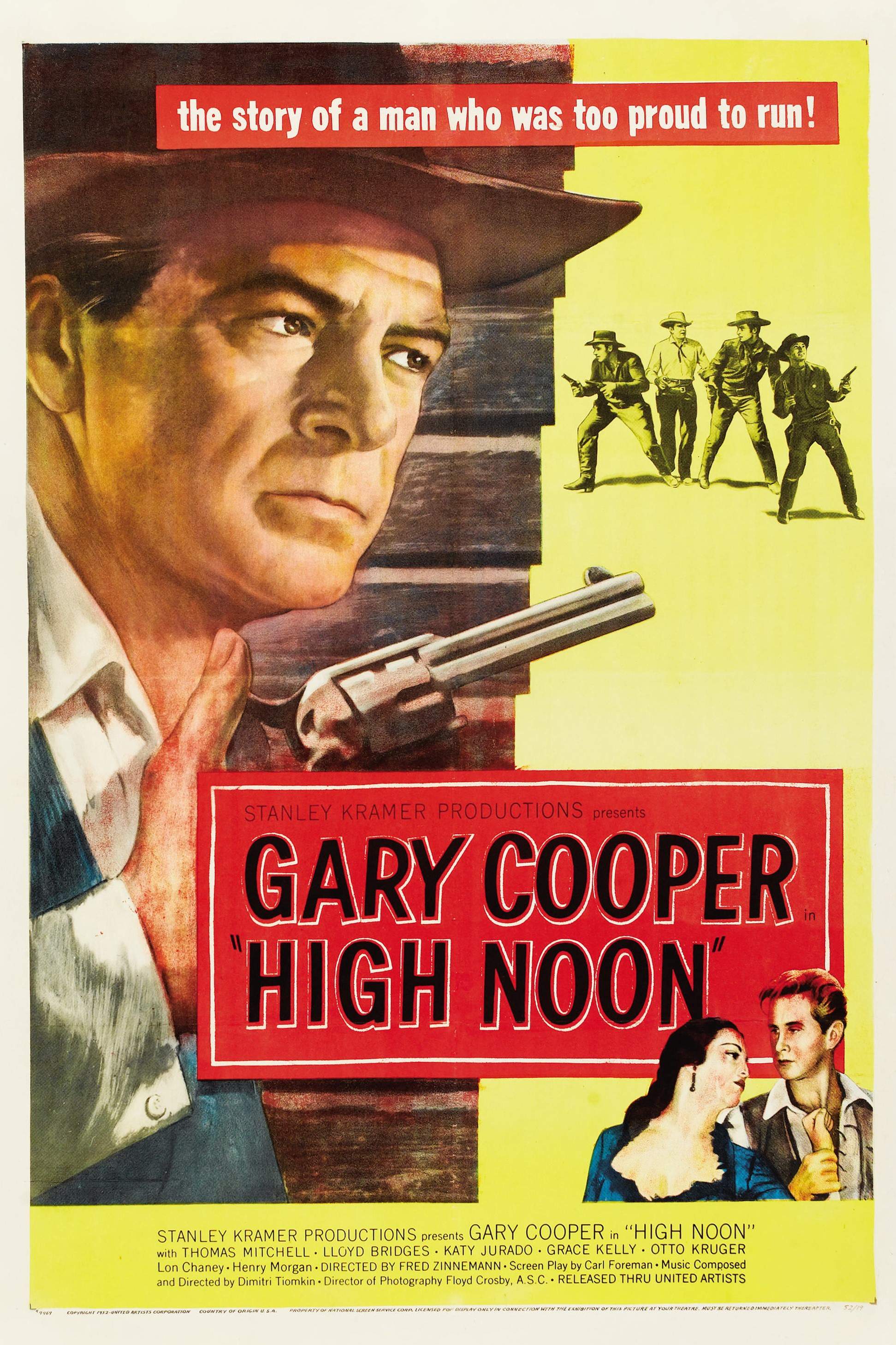
High Noon (2000) movie poster

Plot Summary

High Noon (2000) Plot Summary Explained

Release, runtime and language
2000 · 85 mins · English
Directed by
Rod Hardy
Starring
Tom Skerritt, Michael Madsen, Tom McBeath, Noel Fisher, Dennis Weaver, Reed Diamond

Will Kane, a weary sheriff, has just married Amy and plans to retire, but news arrives that the outlaw he once jailed, Frank Miller, is riding into town on the noon train for revenge. Kane tries to rally the townspeople, yet his former deputy Harvey refuses, and his lover Helen—torn by past affairs—leaves. As high noon approaches, Kane must face the threat alone.

On this page (5)
  1. 1 What happens: full plot
  2. 2 Plot questions answered
  3. 3 Movie threads
  4. 4 Movies like High Noon
  5. 5 Every angle

Full plot summary · contains spoilers

What Happens in High Noon: Full Plot Summary

The whole story of High Noon (2000) explained, from the opening scene to the final frame: every key event, every twist and what it all adds up to. Read it as a quick recap before the sequel, to check a scene you missed, or to finally understand what really happened.

In the late 1890s, Will Kane Tom Skerritt serves as the chief marshal of Hadleyville, a quiet town in the New Mexico Territory where, even with all of his deputies resigning, he continues to serve out of a deep sense of duty. His wife, Amy Susanna Thompson, is a Quaker pacifist who abhors violence, and she urges him to retire and settle into a quieter life as a farmer.

Yet a return to violence disrupts the peace: Frank Miller Michael Madsen, a gunfighter and killer whom Kane helped bring to justice years before, has been pardoned and will ride into Hadleyville on the noon train with his old gang. A message arrives warning that Miller’s first order upon arrival will be to take Kane’s life as payback for the past.

Kane reaches out to his former deputies for support, but they refuse out of fear or because his insistence on treating everyone fairly makes them wary of any special treatment. He then attempts to assemble a posse, but the townspeople grow more divided and reluctant to fight alongside him. Some admire Miller’s notoriety, hoping it might bring fame to the town, while others insist that it isn’t their problem to solve. A few volunteers appear, yet Kane is forced to turn them away because they are too young, too old, or otherwise unfit for the coming confrontation.

Desperation drives him to seek counsel from Judge Mettrick [Matthew Walker], who had already resigned his position. The judge’s blunt advice is to leave town, the path he himself had planned to take. But Kane refuses to abandon his post; he resolves to face Miller and his gang alone, determined to protect Hadleyville even if it means facing the danger by himself.

Amy, who had warned she would board the noon train with or without him, returns and proves she will not abandon him, shooting one of Miller’s men in the back. The tension culminates in a deadly showdown when Miller threatens Amy and Kane finally disposes of his old foe.

In the aftermath, the town emerges to commend Kane, yet he remains unswayed by their praise. He removes his marshal’s badge and rides away, leaving the crowd to celebrate a man who chose duty over comfort, and who paid the ultimate price by standing alone in the face of violence. The narrative presents a portrait of civic duty, personal risk, and moral resolve, echoing the notion that courage can be as solitary as it is necessary.

Last updated: November 22, 2025 at 16:00

Was this helpful?

Plot questions answered

High Noon Plot Explained: Your Questions Answered

The questions people ask most about High Noon (2000): what happens in the confusing scenes, why the characters do what they do, the twists, hidden details and what the ending means. Each answer contains spoilers.

Q1

Why does Will Kane decide to face Frank Miller alone?

Kane decides to face Miller alone because he refuses to abandon his post as marshal. Despite the judge and others urging him to leave town, Kane feels a deep sense of duty to protect Hadleyville. He believes it is his responsibility to stand against the threat, even without support from the townspeople or his former deputies.

Foreshadowing: Earlier scenes establish Kane's unwavering commitment to his role as chief marshal, even when his deputies have all resigned.

  • will kane
  • miller
  • alone
  • facing danger
  • duty
  • sheriff
Q2

Why don't the townspeople help Kane against Miller?

The townspeople refuse to help Kane for several reasons: some fear Miller's reputation and don't want to risk their lives, others admire Miller's notoriety and hope it brings attention to Hadleyville, and many simply believe it's not their problem to solve. Additionally, some harbor resentment toward Kane because of his strict insistence on treating everyone equally under the law.

  • townspeople
  • refuse help
  • miller
  • hadleyville
  • fear
  • cowardice
Q3

Why does Amy return and help Kane?

Amy returns to help Kane because, despite her Quaker pacifist beliefs, she cannot abandon her husband. Earlier, she threatened to leave on the noon train if Kane didn't retire with her, but her love for him proves stronger than her aversion to violence. She proves her commitment by shooting one of Miller's men in the back when he threatens Kane's life.

Foreshadowing: Amy warned she would leave on the noon train, but her return shows her choice between her beliefs and her loyalty to Kane.

  • amy
  • returns
  • helps kane
  • shooting
  • miller man
  • quaker
  • pacifist
Q4

Why does Kane throw away his marshal badge at the end?

Kane throws away his badge as a symbolic rejection of a community that refused to stand with him. After protecting Hadleyville alone and witnessing their cowardice, he loses faith in the town's worthiness of his sacrifice. The act signifies his departure not just from his role, but from his belief that the town deserved his protection.

  • badge
  • throws away
  • riding away
  • resignation
  • duty
  • community
Q5

Why does Frank Miller want revenge on Will Kane?

Frank Miller wants revenge because Kane previously helped bring him to justice, resulting in his imprisonment. When Miller is pardoned, he makes it his first order to kill Kane as payback for the years he spent in jail. The personal vendetta drives the entire conflict of the film.

  • frank miller
  • revenge
  • kane
  • jail
  • imprisonment
  • pardon
Q6

Why do Kane's former deputies refuse to help him?

Kane's former deputies refuse to help because they fear Miller's violence and resent Kane's insistence on treating everyone equally. They believe Kane's fair approach denied them special treatment, and they are unwilling to risk their lives for a man they feel didn't reward their loyalty.

  • deputies
  • refuse help
  • fear
  • miller
  • resentment
  • fair treatment
Q7

What advice does Judge Mettrick give Kane about Miller?

Judge Mettrick advises Kane to leave town and abandon his post as marshal. The judge, who has already resigned his position, sees no point in staying to face inevitable danger. He represents the pragmatic choice of self-preservation over duty, which Kane explicitly rejects.

  • judge mettrick
  • advice
  • leave town
  • resign
  • duty vs survival
Q8

What happens to Frank Miller at the end of the movie?

Frank Miller is killed in a showdown with Will Kane. After Miller threatens Amy, Kane guns down his old foe, ending the revenge plot. Miller's death marks the resolution of the central conflict and frees Hadleyville from his threat.

  • frank miller
  • death
  • killed
  • showdown
  • duel
  • end confrontation
Q9

Why does Kane turn away the volunteers who want to help?

Kane turns away volunteers because they are physically unfit for the coming confrontation, they are either too young, too old, or otherwise incapable of effectively fighting Miller's gang. Despite his desperate situation, Kane refuses to put unprepared people in harm's way.

  • volunteers
  • turned away
  • too young
  • too old
  • unfit
  • fighting
Q10

Why can't Kane retire peacefully with his Quaker wife Amy?

Kane cannot retire peacefully because Frank Miller's imminent arrival disrupts all plans for a quiet life. Even though Amy, a Quaker pacifist, wants him to abandon his marshal duties and become a farmer, Miller's threat forces Kane to choose between his new life and his sense of duty to the town.

  • retirement
  • amy
  • quaker
  • pacifist
  • farmer
  • miller threat
  • duty
Q11

What does the title High Noon refer to in the movie?

The title High Noon refers to the specific time when Frank Miller will arrive in town on the noon train. The entire film builds tension as the clock ticks toward this midday confrontation, creating a literal and symbolic countdown to the inevitable showdown between Kane and Miller.

  • high noon
  • title meaning
  • noon train
  • countdown
  • showdown time
Q12

What is the meaning of Kane riding away alone at the end?

Kane riding away alone represents a bittersweet victory, he has succeeded in protecting the town but at the cost of his faith in community solidarity. His departure signifies personal sacrifice without recognition, choosing independence over the gratitude of people who abandoned him when he needed them most.

  • rides away
  • alone
  • ending
  • bittersweet
  • sacrifice
  • community
  • civic duty

Movie threads

More Movies Like High Noon, by Mood & Story

Curated lists built around what makes High Noon tick: the same mood, the same kind of story or the same emotional payoff. Each list explains why these movies belong together.

Movies with a ticking clock showdown like High Noon

Stories where tension mounts relentlessly toward an unavoidable and solitary confrontation. If you liked the building tension and solitary stand in High Noon, explore movies with similar countdown narratives. These stories feature protagonists racing against time, facing a dire threat, and often confronting their fate alone in a tense, high-stakes finale.

  • tense
  • anxious
  • desperate
  • solitary
  • nerve-wracking
  • countdown
  • Tone: tense, anxious, desperate
  • Pacing: steady, relentless
Why these movies?

The story pattern: These narratives often follow a linear, methodical build-up to a single, inevitable confrontation. The clock is a central antagonist, creating urgency and emphasizing the protagonist's isolation as they prepare for a conflict they cannot avoid.

Why they belong together: Movies are grouped here for their shared core structure of a deadline-driven plot, a tense atmosphere of anticipation, and the central theme of a lone individual standing against a threat.

Stories of moral isolation like in High Noon

Protagonists abandoned by their community when forced to take a principled stand. Fans of High Noon's theme of civic duty and abandonment will appreciate these films. They explore protagonists who find themselves alone in their convictions, facing betrayal and fear from the very people they are fighting for, leading to bittersweet conclusions.

  • somber
  • lonely
  • betrayal
  • civic duty
  • isolated
  • moral resolve
  • Tone: somber, tense, bittersweet
  • Pacing: steady, character-driven
Why these movies?

The story pattern: The journey typically involves a protagonist making a difficult moral choice that the wider community rejects out of fear or self-interest. This creates a central conflict of individual conscience versus collective cowardice, often ending with a victory that feels hollow due to the personal cost of isolation.

Why they belong together: These films are united by their powerful exploration of themes like duty, betrayal, and the loneliness of standing up for what is right when no one else will. They share a somber, tense mood and a focus on the protagonist's internal struggle.

If you liked this

Movies Like High Noon

Similar movies to High Noon: the same genre, themes or kind of story. Each one comes with its own plot summary, timeline and ending explained.

Browse all movie summaries

Every angle

High Noon (2000) Explained: Plot, Timeline & Characters

Everything about High Noon in one place: what happens in the plot summary, the timeline in chronological order, the characters and meaning and a spoiler-free summary. What's After the Movie adds the cast, box office and post-credit scenes.

Coming soon on iOS and Android

The Plot Explained Movie Summary App

Plot summaries, endings explained and timelines on your phone. Catch up on any movie in minutes, save your favorites and never miss a twist again.

Be the first to know when we launch. Your email stays private, always.

Learn more about the app