
Don’t Tell Me the Boy Was Mad
Year: 2015
Runtime: 134 mins
Language: French
Director: Robert Guédiguian
Aram, a young man from Marseille with Armenian roots, commits an act of violence in Paris, bombing the Turkish ambassador’s car. A cyclist, Gilles, is caught in the explosion and suffers serious injuries. Overwhelmed with guilt, Aram’s mother seeks to atone by visiting Gilles in the hospital, requesting his forgiveness, a gesture he doesn't comprehend. Defying the counsel of his associates in Beirut, Aram resolves to confront his victim directly.
Don’t Tell Me the Boy Was Mad (2015) – Spoiler-Free Movie Summary & Plot Overview
Get a spoiler-free look at Don’t Tell Me the Boy Was Mad (2015) with a clear plot overview that covers the setting, main characters, and story premise, without revealing key twists or the ending. Perfect for deciding if this film is your next watch.
In the restless streets of Marseille, the pulse of a vibrant Armenian community beats against the backdrop of a France still marked by the scars of history. The city’s fragrant markets and faded port warehouses frame a generation caught between inherited memory and the frantic pace of modern life. Across the channel, Paris looms as a stage where personal convictions can clash violently with the fragile veneer of cosmopolitan calm, and the air hums with an uneasy tension that feels both intimate and inevitable.
Within this world, Aram emerges as a young man driven by a legacy he barely understands. Raised by his mother Anouch, whose quiet strength anchors the family’s modest grocery shop, he grapples with the weight of his Armenian roots and the yearning for a purposeful stand. When a desperate act sends shockwaves through the capital, an innocent cyclist named Gilles becomes the unanticipated focal point of the fallout, his life now irrevocably altered. Anouch, overwhelmed by a mother’s instinct to mend, steps into the hospital corridor seeking a form of forgiveness that feels as foreign to Gilles as the motives behind the explosion.
The film settles into a sober, contemplative tone, allowing the viewer to feel the lingering echo of guilt and the yearning for redemption that drives its characters. Aram wrestles with the counsel of distant comrades, the pull of his own conscience, and the stark realization that confronting the consequences of his deed may be the only path toward any semblance of peace. As the narrative lingers on strained conversations, lingering glances, and the muted sounds of a city that never truly sleeps, an uneasy question hangs in the air: can the bridges built from remorse ever span the chasms created by violence?
Last updated: February 12, 2026 at 17:51

Explore Movie Threads
Discover curated groups of movies connected by mood, themes, and story style. Browse collections built around emotion, atmosphere, and narrative focus to easily find films that match what you feel like watching right now.
Movies about guilt and atonement after violence like Don’t Tell Me the Boy Was Mad
Stories where an act of terror forces a perpetrator to confront their victim.For viewers of Don’t Tell Me the Boy Was Mad who want more movies exploring the heavy burden of guilt and the complex search for redemption following an act of political violence. These similar drama films feature intense confrontations and a bittersweet emotional journey.

Acts of Violence
2006
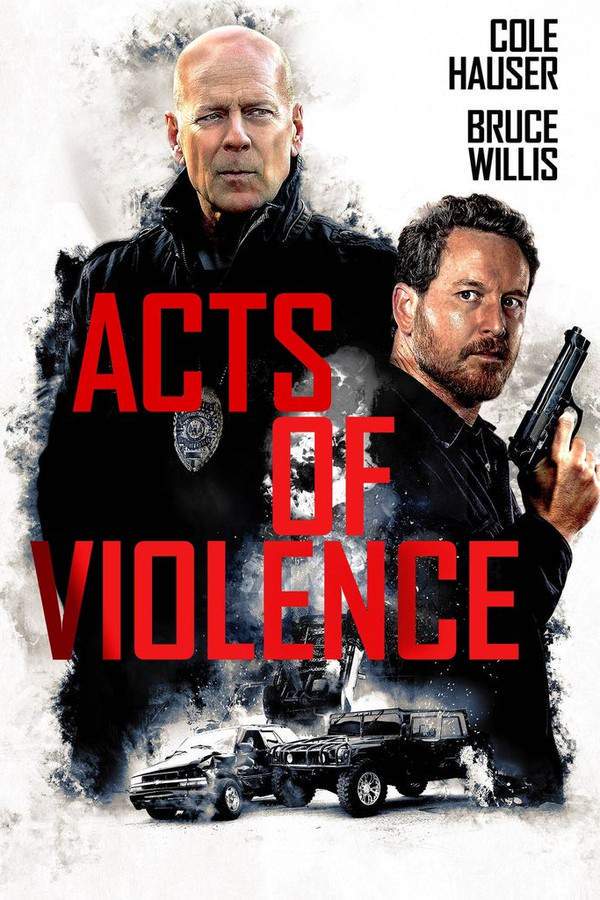
Acts of Violence
2018

Acts Of Vengeance
2017
Don’t Tell Me the Boy Was Mad
2015

Redemption
2013

No Tears for the Dead
2014

Redeemer
2015
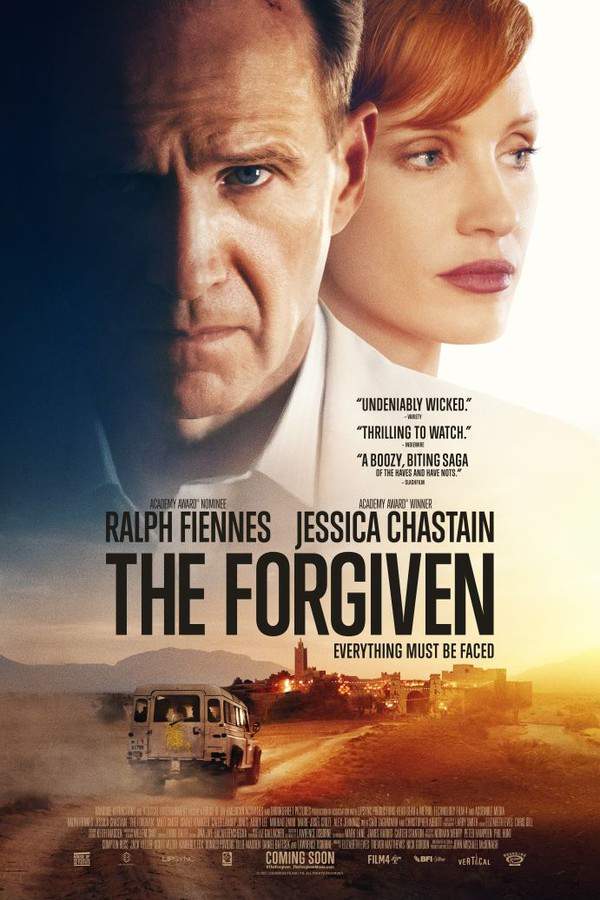
The Forgiven
2018
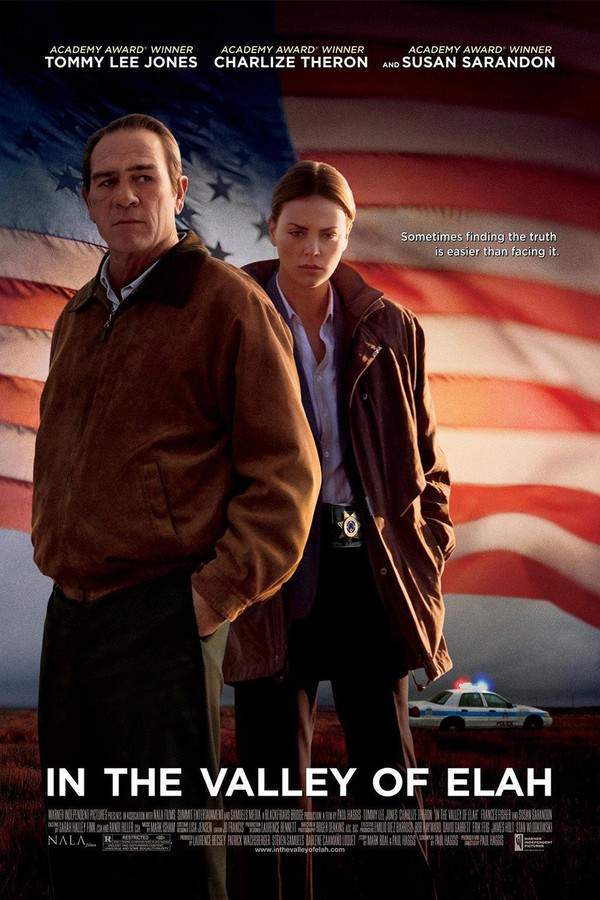
In the Valley of Elah
2007

Vengeance
2010
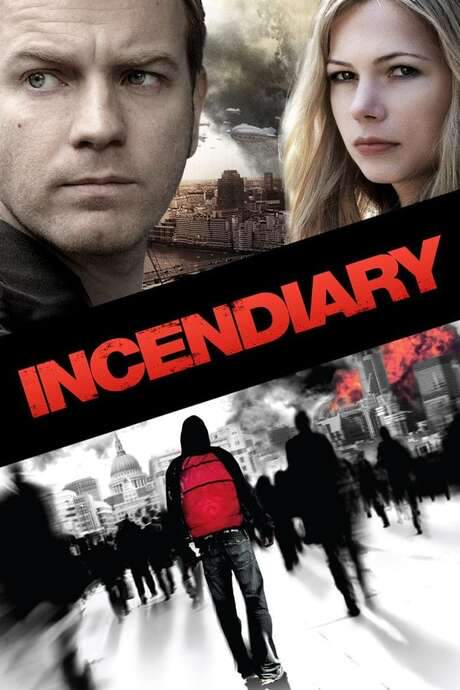
Incendiary
2008
The War Within
2005

Stop Violence
2002
Five Minutes of Heaven
2009

Ang Dalubhasa
2000
Narrative Summary
The narrative typically begins with a decisive act of violence that sets the plot in motion. The story then shifts from the political or ideological motive to a deeply personal exploration of guilt, forcing the protagonist into an uneasy, direct confrontation with their victim or the victim's world. The arc is one of moral reckoning rather than simple vindication.
Why These Movies?
These films are grouped together because they share a dark, heavy tone and focus on the intimate, painful process of seeking forgiveness after causing irreparable harm. They blend high-stakes political contexts with a steady, character-driven pacing that emphasizes emotional weight over action.
Movies about unresolved historical trauma like Don’t Tell Me the Boy Was Mad
Personal stories haunted by the unresolved pain of historical atrocities.If you were moved by the exploration of the Armenian genocide's legacy in Don’t Tell Me the Boy Was Mad, discover more powerful dramas about generational trauma. These films show how historical wounds fuel present-day actions and emotions, creating a tense and somber viewing experience.

Seeds of Yesterday
2015

We Were Children
2012

Children of War
2014
The Searchers
1956
Don’t Tell Me the Boy Was Mad
2015

And the Violins Stopped Playing
1988

The Relief of Belsen
2007

Tantura
2022

The Brutalist
2024

Memories
2013

The Kashmir Files
2022

Generation War
2014

On Her Shoulders
2018

The Bombardment
2022

Where Love Has Gone
1964
Narrative Summary
The narrative connects a specific past atrocity to a modern-day character's psychological state or motivations. The plot often involves a character grappling with an inherited sense of loss or vengeance, leading to actions that are deeply personal yet rooted in a larger, unresolved historical narrative. The endings are often bittersweet, acknowledging personal growth while accepting the immensity of the unhealed historical wound.
Why These Movies?
These movies share a somber, melancholic mood and a high emotional weight derived from their engagement with profound historical injustices. They have a steady pacing that allows for reflection on the connections between past and present, creating a coherent vibe of tragic inevitability and poignant personal struggle.
Unlock the Full Story of Don’t Tell Me the Boy Was Mad
Don't stop at just watching - explore Don’t Tell Me the Boy Was Mad in full detail. From the complete plot summary and scene-by-scene timeline to character breakdowns, thematic analysis, and a deep dive into the ending - every page helps you truly understand what Don’t Tell Me the Boy Was Mad is all about. Plus, discover what's next after the movie.
Don’t Tell Me the Boy Was Mad Summary
Read a complete plot summary of Don’t Tell Me the Boy Was Mad, including all key story points, character arcs, and turning points. This in-depth recap is ideal for understanding the narrative structure or reviewing what happened in the movie.

Don’t Tell Me the Boy Was Mad Timeline
Track the full timeline of Don’t Tell Me the Boy Was Mad with every major event arranged chronologically. Perfect for decoding non-linear storytelling, flashbacks, or parallel narratives with a clear scene-by-scene breakdown.


