
Don’t Tell Me the Boy Was Mad
Year: 2015
Runtime: 134 mins
Language: French
Director: Robert Guédiguian
Aram, a young man from Marseille with Armenian roots, commits an act of violence in Paris, bombing the Turkish ambassador’s car. A cyclist, Gilles, is caught in the explosion and suffers serious injuries. Overwhelmed with guilt, Aram’s mother seeks to atone by visiting Gilles in the hospital, requesting his forgiveness, a gesture he doesn't comprehend. Defying the counsel of his associates in Beirut, Aram resolves to confront his victim directly.
Warning: spoilers below!
Haven’t seen Don’t Tell Me the Boy Was Mad yet? This summary contains major spoilers. Bookmark the page, watch the movie, and come back for the full breakdown. If you're ready, scroll on and relive the story!
Timeline & Setting – Don’t Tell Me the Boy Was Mad (2015)
Explore the full timeline and setting of Don’t Tell Me the Boy Was Mad (2015). Follow every major event in chronological order and see how the environment shapes the story, characters, and dramatic tension.
Last updated: February 17, 2026 at 17:17
Main Characters – Don’t Tell Me the Boy Was Mad (2015)
Meet the key characters of Don’t Tell Me the Boy Was Mad (2015), with detailed profiles, motivations, and roles in the plot. Understand their emotional journeys and what they reveal about the film’s deeper themes.
Last updated: February 17, 2026 at 17:17
Major Themes – Don’t Tell Me the Boy Was Mad (2015)
Explore the central themes of Don’t Tell Me the Boy Was Mad (2015), from psychological, social, and emotional dimensions to philosophical messages. Understand what the film is really saying beneath the surface.
Last updated: February 17, 2026 at 17:17
Don’t Tell Me the Boy Was Mad (2015) Character & Theme Questions Answered – Info FAQ
Browse frequently asked questions about Don’t Tell Me the Boy Was Mad (2015) focused on characters, relationships, themes, symbols, setting, and story context. This movie info FAQ gives spoiler-aware explanations for character arcs, world details, and thematic interpretation so readers can better understand what the film is really about.
Where is the movie set?
The story unfolds across multiple locations, primarily in Marseille during the 1970s and Berlin in 1921. Additional scenes take place in Paris and Beirut, which serve as centers for militant planning and ASALA training. Armenia appears as an emotional symbolic destination connected to the characters' family histories and the ancestral genocide trauma.
What time period does the movie cover?
The narrative spans two distinct periods: 1921, which shows Soghomon Tehlirian's assassination of Talaat Pasha and the subsequent trial in Berlin, and the 1970s, focusing on Aram's radicalization and the militant operations across Marseille, Paris, and Beirut. This dual timeline connects the historical genocide to its ongoing aftermath in the diaspora.
What are the main themes explored?
The film centers on three interconnected themes: reconciliation, which explores healing through personal acts and difficult conversations across generations; radicalization, which examines how political extremism justifies violence and its human costs; and memory and recognition, which addresses the Armenian genocide's legacy and the struggle for acknowledgment. These themes weave together historical justice, personal accountability, and the weight of inherited trauma.
Who is Soghomon Tehlirian?
Soghomon Tehlirian is a genocide survivor portrayed in the film as a man who assassinated Talaat Pasha in Berlin in 1921. His act became a landmark court case that highlighted the tension between justice, memory, and political denial. His storyline serves as the historical anchor, demonstrating how genocide recognition shapes political discourse and motivates later generations.
Who is Aram Alexandrian?
Aram Alexandrian is the son of Hovannès and Anouch, a young man of Armenian descent living in Marseille who becomes recruited into militant circles. He is chosen for an assassination plot and torn between family loyalty and political fervor. His character illustrates the seductive pull of extremist violence and the personal costs it imposes on both the perpetrator and innocent bystanders.
Who is Gilles Teissier?
Gilles Teissier is an innocent French cyclist who is seriously wounded in the bombing of the Turkish ambassador's car in Paris. He becomes the unintended victim of Aram's militant act, his life altered without any prior knowledge of Armenian history. He represents the collateral damage of political violence and serves as the silent witness to the consequences of extremist choices.
What role does Armenia play in the story?
Armenia functions as an emotional and symbolic destination rather than a primary setting. It represents the ancestral homeland tied to family histories and the genocide that drove the diaspora. For the characters, Armenia embodies the unfulfilled promise of return and the deep connection to a homeland that exists in memory and cultural identity, shaping their motivations and political convictions.
What is the ASALA movement referenced in the film?
ASALA (Armenian Secret Army for the Liberation of Armenia) was a militant organization active in the 1970s that sought international recognition of the Armenian genocide through violent means. In the film, characters like Anahit and Armenak are associated with this movement, representing the radicalized segment of the Armenian diaspora who believed violent action could achieve political recognition when diplomatic efforts had failed.
How does the film approach reconciliation?
The film presents reconciliation as a fragile and complex process. It emerges through personal acts rather than political resolution, specifically through Aram's mother's visit to the injured Gilles seeking forgiveness, and Aram's direct confrontation with his victim. The narrative suggests healing is possible but not simple, requiring genuine acknowledgment of harm and personal accountability.
Why is memory significant to the characters?
Memory serves as both a burden and a driving force for the characters. The genocide survivor Soghomon Tehlirian embodies the responsibility of bearing witness, while younger generations like Aram are motivated by inherited memories of trauma to seek justice through radical means. The film portrays memory as a responsibility that binds generations and motivates ongoing struggle for acknowledgment, even when that struggle leads to violence.
Who are Hovannès and Anouch Alexandrian?
Hovannès and Anouch are the parents of Aram Alexandrian, running a grocery store in Marseille's Armenian diaspora community. Hovannès represents a steady domestic presence caught between family duty and the shocks of the era, while Anouch manages the fragile peace at home and acts as a bridge between generations and cultures. Their arc shows the domestic cost of political conflict on ordinary immigrant families.
What is the emotional tone of the film?
The film carries a dark and heavy emotional tone, dealing directly with genocide denial, the consequences of violence, and generational trauma. The pacing is steady, moving deliberately between personal confrontations and political acts. The ending is bittersweet, personal reconciliation is achieved between Aram and Gilles, offering limited peace, but this occurs against an unresolved historical tragedy and ongoing threats, suggesting personal healing within larger ongoing pain.

Explore Movie Threads
Discover curated groups of movies connected by mood, themes, and story style. Browse collections built around emotion, atmosphere, and narrative focus to easily find films that match what you feel like watching right now.
Movies about guilt and atonement after violence like Don’t Tell Me the Boy Was Mad
Stories where an act of terror forces a perpetrator to confront their victim.For viewers of Don’t Tell Me the Boy Was Mad who want more movies exploring the heavy burden of guilt and the complex search for redemption following an act of political violence. These similar drama films feature intense confrontations and a bittersweet emotional journey.

Acts of Violence
2006

Acts of Violence
2018

Acts Of Vengeance
2017
Don’t Tell Me the Boy Was Mad
2015

Redemption
2013

No Tears for the Dead
2014

Redeemer
2015

The Forgiven
2018
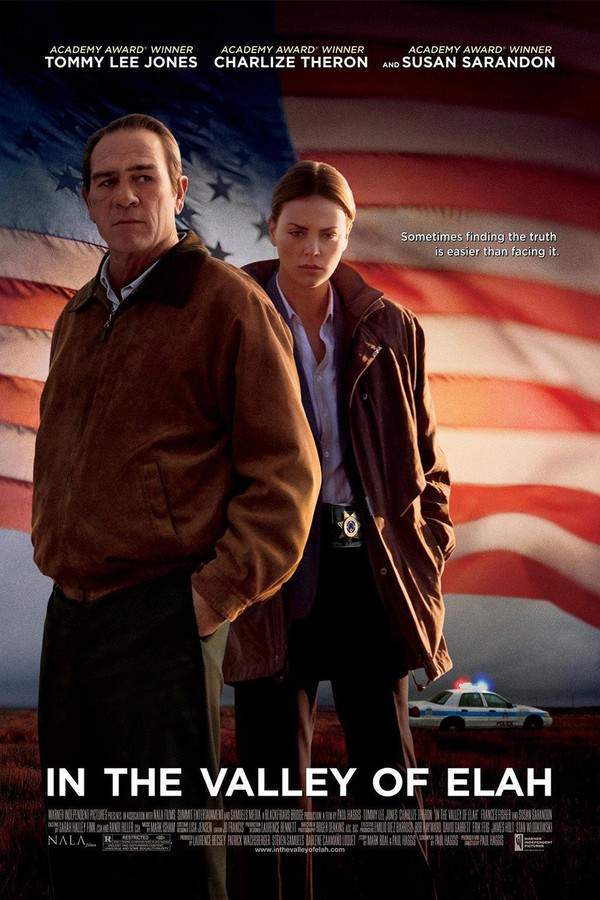
In the Valley of Elah
2007

Vengeance
2010

Incendiary
2008
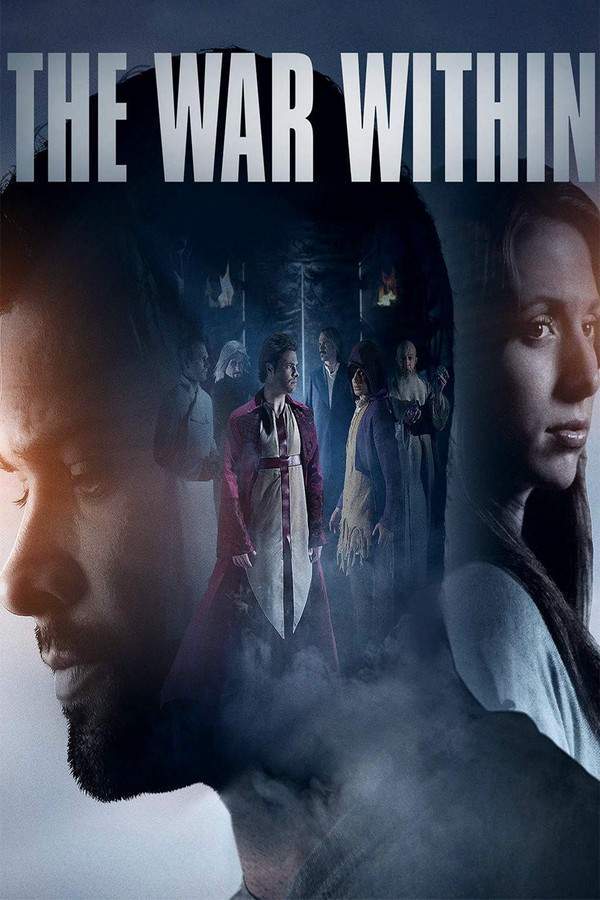
The War Within
2005

Stop Violence
2002
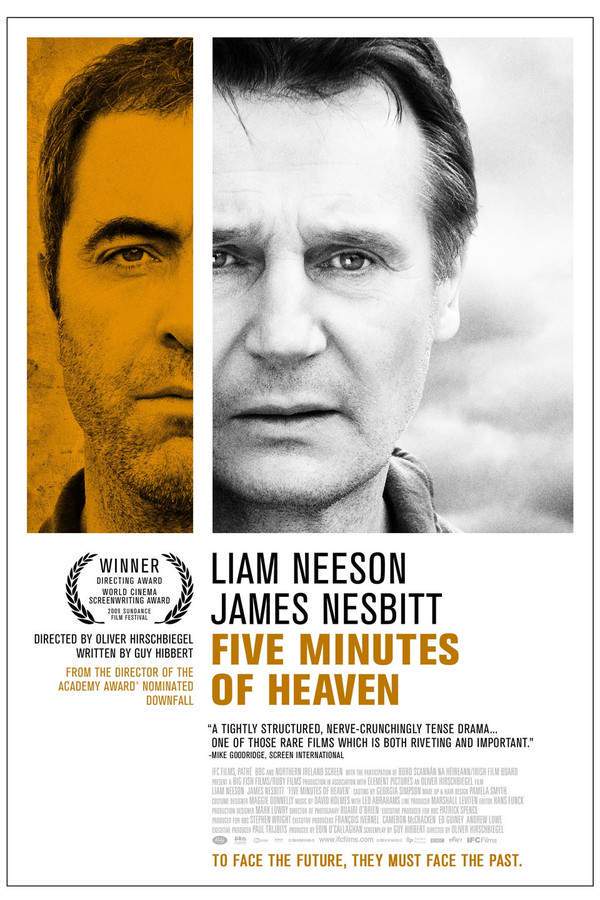
Five Minutes of Heaven
2009

Ang Dalubhasa
2000
Narrative Summary
The narrative typically begins with a decisive act of violence that sets the plot in motion. The story then shifts from the political or ideological motive to a deeply personal exploration of guilt, forcing the protagonist into an uneasy, direct confrontation with their victim or the victim's world. The arc is one of moral reckoning rather than simple vindication.
Why These Movies?
These films are grouped together because they share a dark, heavy tone and focus on the intimate, painful process of seeking forgiveness after causing irreparable harm. They blend high-stakes political contexts with a steady, character-driven pacing that emphasizes emotional weight over action.
Movies about unresolved historical trauma like Don’t Tell Me the Boy Was Mad
Personal stories haunted by the unresolved pain of historical atrocities.If you were moved by the exploration of the Armenian genocide's legacy in Don’t Tell Me the Boy Was Mad, discover more powerful dramas about generational trauma. These films show how historical wounds fuel present-day actions and emotions, creating a tense and somber viewing experience.

Seeds of Yesterday
2015

We Were Children
2012

Children of War
2014
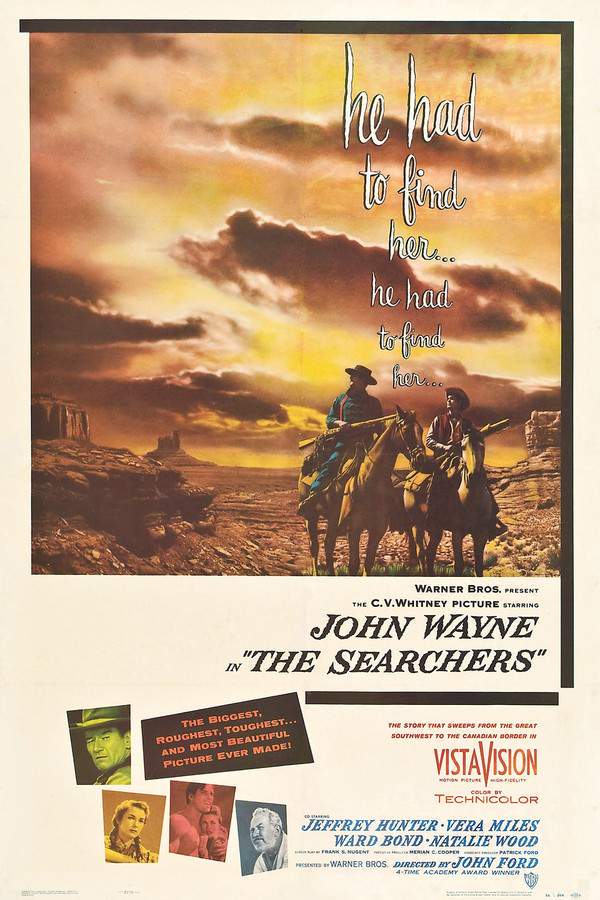
The Searchers
1956
Don’t Tell Me the Boy Was Mad
2015

And the Violins Stopped Playing
1988

The Relief of Belsen
2007

Tantura
2022

The Brutalist
2024
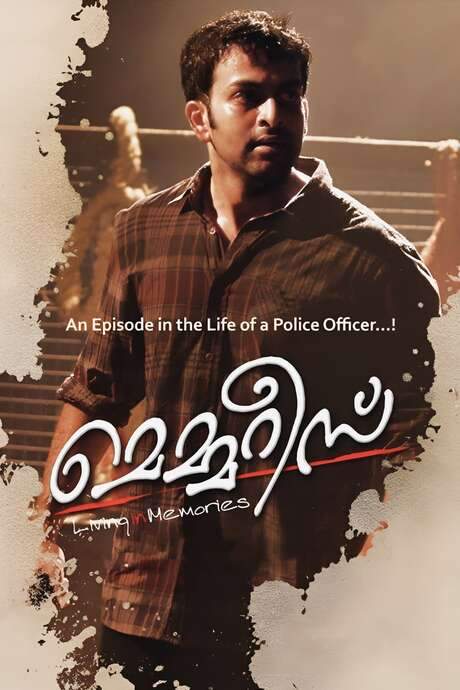
Memories
2013

The Kashmir Files
2022

Generation War
2014

On Her Shoulders
2018

The Bombardment
2022

Where Love Has Gone
1964
Narrative Summary
The narrative connects a specific past atrocity to a modern-day character's psychological state or motivations. The plot often involves a character grappling with an inherited sense of loss or vengeance, leading to actions that are deeply personal yet rooted in a larger, unresolved historical narrative. The endings are often bittersweet, acknowledging personal growth while accepting the immensity of the unhealed historical wound.
Why These Movies?
These movies share a somber, melancholic mood and a high emotional weight derived from their engagement with profound historical injustices. They have a steady pacing that allows for reflection on the connections between past and present, creating a coherent vibe of tragic inevitability and poignant personal struggle.
Unlock the Full Story of Don’t Tell Me the Boy Was Mad
Don't stop at just watching - explore Don’t Tell Me the Boy Was Mad in full detail. From the complete plot summary and scene-by-scene timeline to character breakdowns, thematic analysis, and a deep dive into the ending - every page helps you truly understand what Don’t Tell Me the Boy Was Mad is all about. Plus, discover what's next after the movie.
Don’t Tell Me the Boy Was Mad Summary
Read a complete plot summary of Don’t Tell Me the Boy Was Mad, including all key story points, character arcs, and turning points. This in-depth recap is ideal for understanding the narrative structure or reviewing what happened in the movie.

Don’t Tell Me the Boy Was Mad Timeline
Track the full timeline of Don’t Tell Me the Boy Was Mad with every major event arranged chronologically. Perfect for decoding non-linear storytelling, flashbacks, or parallel narratives with a clear scene-by-scene breakdown.


