Plot Explained Spoilers guaranteed!
Plot Explained

Browse by genre

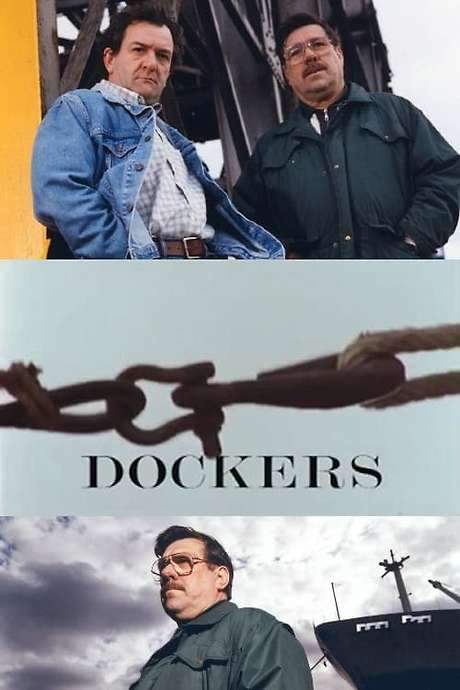
Dockers (1999) movie poster

Timeline

Dockers (1999) Timeline Explained – Every Event in Order

Release, runtime and language
1999 · 90 mins · English
Directed by
Bill Anderson
Starring
Andy Devine, Ken Stott, Del Henney, Lee Ross, Dominic Carter, Vincent Maguire

Jimmy McGovern’s depiction of the mid 90s Liverpool dockers strike. Featuring script contributions from Irvine Welsh and the real dockers themselves

On this page (5)
  1. 1 Events in order (12)
  2. 2 Timeline questions answered
  3. 3 Movie threads
  4. 4 Movies like Dockers
  5. 5 Every angle

12 events in order · contains spoilers

Dockers Timeline: Events in Chronological Order

Every key event of Dockers (1999) in order, scene by scene, with when and where it takes place. Use it to untangle flashbacks, time jumps and parallel storylines, to refresh your memory before the sequel or to find the exact scene you are thinking of.

  1. First sackings over overtime changes

    A small group of Liverpool dockers is fired after refusing to accept unfair overtime conditions. The sacking signals the start of a confrontation between workers and management. The immediate impact is fear and anger among colleagues.

    When
    1995
    Where
    Liverpool docks
  2. Solidarity action triggers mass dismissals

    In a show of solidarity, hundreds of dockers refuse to cross the picket line. Their resistance leads the Mersey Docks and Harbour Company to dismiss all involved workers. The action marks the escalation of the dispute.

    When
    1995
    Where
    Liverpool docks
  3. Andy's dismissal sparks the strike

    The center of the story is Tommy, whose son Andy is among the five men dismissed. Andy's firing becomes the catalyst that triggers a full-scale strike. The community rallies around the cause as the conflict widens.

    When
    1995
    Where
    Liverpool docks
  4. Tommy emerges as the strike's focus

    As the action widens, Tommy, a veteran docker, steps into a leadership role. He embodies the stubborn resolve of the workers and their families. The strike becomes a sustained test of endurance.

    When
    1995-1996
    Where
    Liverpool
  5. Families face eviction and marital strain

    The wage losses from the strike put families under financial pressure, leading to evictions and tense marriages. Home becomes a battleground where personal and collective struggles collide. The social fabric around the docks tightens.

    When
    1996-1997
    Where
    Liverpool communities
  6. Macca crosses the picket line

    Macca, a friend and fellow docker, crosses the picket line and returns to work, becoming a scab. His actions fracture long-standing relationships and shake the trust within the group. The division reverberates through friendships.

    When
    1996
    Where
    Liverpool docks
  7. Institutions abandon the strikers; leadership withdraws support

    The dockers find themselves abandoned by once-trusted institutions as their union leadership refuses to back the action. Allies in the Labour Party remain silent, leaving the workers to face the dispute alone. The sense of isolation grows.

    When
    1996-1998
    Where
    Liverpool institutions
  8. Bill Morris portrayed as traitor undermining the strike

    Former union leader Bill Morris is depicted as undermining the strike both publicly and internally. The betrayal adds another layer of tension within the movement. The fallout deepens mistrust and resentment.

    When
    1996-1998
    Where
    Public forums and union meetings
  9. Solidarity tested as the strike drags on

    With time, the collective resolve is tested as the action stretches on without immediate success. People question the cost of standing firm while livelihoods hang in the balance.

    When
    1996-1998
    Where
    Liverpool communities
  10. The strike persists amid hardship

    The conflict continues despite mounting hardships for the dockers and their families. Their commitment remains, even as support from others dwindles. The film emphasizes resilience in the face of political and economic pressure.

    When
    1996-1998
    Where
    Merseyside
  11. Communities feel abandoned by power structures

    The narrative underscores the frustration of people who feel abandoned by unions, government, and political allies. The silence from the Labour Party amplifies the loneliness of the strikers.

    When
    1996-1998
    Where
    Liverpool
  12. The dispute continues and leaves a lasting mark

    As the film closes, the dockers' fight is shown as ongoing, with friendships strained, families changed, and institutions distrustful. The story ends on a note of unresolved tension that lingers beyond the screen.

    When
    1995-1998
    Where
    Liverpool and surrounding docks

Last updated: February 17, 2026 at 19:57

Was this helpful?

Timeline questions answered

Dockers Timeline Explained: Your Questions Answered

When does it happen, and why in that order? The questions people ask about the chronology of Dockers (1999): time jumps, flashbacks, cause and effect between scenes and the correct order of events, each answered with spoilers.

Q1

Why did the dockers refuse to work overtime?

The dockers refused to accept unfair changes to overtime rules imposed by Mersey Docks and Harbour Company. When a small group of workers resisted these changes, they were sacked, which triggered the broader conflict.

Foreshadowing: Earlier scenes show the dockers discussing management's increasing pressure on working conditions.

  • overtime dispute
  • dockers strike
  • Mersey Docks
  • working conditions
Q2

Why did hundreds of dockers refuse to cross the picket line?

In a powerful display of solidarity, hundreds of workers chose not to cross the picket line set up by their dismissed colleagues. This collective action was driven by long-standing community bonds and the belief that abandoning their fellow workers would weaken their bargaining power against management.

Foreshadowing: The tight-knit nature of the docker community is established early in the film.

  • solidarity
  • picket line
  • collective action
  • union support
Q3

Why was Andy Walton's firing the catalyst for the strike?

Andy Walton was one of the five men dismissed after resisting the overtime changes. His father Tommy Walton was a veteran docker with deep roots in the community, giving the dismissal personal weight. When Andy was fired, it galvanized the entire workforce and turned a single grievance into a full-scale industrial action.

Foreshadowing: Tommy's position as a respected elder in the dockers' community is established from the start.

  • Andy Walton
  • Tommy Walton
  • dismissal
  • strike catalyst
Q4

Why did Macca Macauley cross the picket line?

Macca Macauley, a close friend and fellow docker, chose to return to work as a scab despite his long-standing relationships with the striking workers. His decision fractured these friendships and created deep tension within the community, representing the personal cost of betrayal during industrial disputes.

Foreshadowing: Earlier scenes show Macca expressing doubt about the strike's chances of success.

  • Macca Macauley
  • scab
  • betrayal
  • picket line
Q5

Why didn't the union leadership support the dockers?

The union leadership refused to openly back the striking dockers, leaving the workers to face the dispute largely alone. This reluctance from official union structures added to the dockers' sense of isolation and made their position even more precarious.

Foreshadowing: The tension between rank-and-file workers and union officials is hinted at early in the dispute.

  • union leadership
  • strike support
  • labor movement
  • institutional abandonment
Q6

Why was Bill Morris portrayed as undermining the strike?

Bill Morris, a former trade union leader, was depicted in the film as actively working against the dockers' cause both publicly and within union meetings. His actions were portrayed as betrayal that further complicated an already fractured movement, deepening mistrust among the strikers.

Foreshadowing: The film establishes early that institutional support was crumbling.

  • Bill Morris
  • union leader
  • strike breaking
  • betrayal
Q7

What happened to the dockers' families during the strike?

The prolonged strike caused severe financial hardship for workers' families. Many faced eviction from their homes as they could not pay rent, and marriages came under intense pressure from the stress of unemployment and uncertainty. The personal toll mirrored the industrial conflict.

Foreshadowing: Early scenes show families gathering to support the strikers.

  • families
  • evictions
  • financial hardship
  • marital strain
Q8

Why did the Labour Party stay silent during the dispute?

Despite traditionally supporting labour rights, allies in the Labour Party remained silent and offered no visible support to the striking dockers. This silence was felt as a betrayal by workers who had historically supported the party, leaving them feeling abandoned by their political allies.

Foreshadowing: The dockers' historical connection to Labour is referenced in discussions about political expectations.

  • Labour Party
  • political silence
  • labour rights
  • betrayal
Q9

How did the strike affect relationships in the docker community?

The strike tested friendships and strained loyalties as the dispute dragged on. The most significant fracture occurred when Macca crossed the picket line, but the prolonged conflict created tension throughout the community between those who held firm and those who questioned the cost of continued resistance.

Foreshadowing: The tight community bonds are shown early, making the subsequent divisions more impactful.

  • community
  • friendships
  • loyalty
  • division
Q10

What was the outcome of the Liverpool dockers' strike?

The strike continued for years (1995-1998) despite mounting hardships. The film ends on a note of unresolved tension, showing that while the dockers maintained their resolve, they faced lasting damage to relationships, families, and their trust in institutions. The outcome was bleak, with the workers feeling abandoned by unions and political allies.

Foreshadowing: The sustained nature of the strike is established as the conflict wears on.

  • strike outcome
  • unresolved conflict
  • resilience
  • Merseyside

Movie threads

More Movies Like Dockers, by Mood & Story

Curated lists built around what makes Dockers tick: the same mood, the same kind of story or the same emotional payoff. Each list explains why these movies belong together.

Gritty Working-Class Dramas Like Dockers

Stories centered on the raw, tenacious fight for dignity and survival. If you were moved by the raw struggle in Dockers, explore these other powerful movies about labor movements, economic hardship, and working-class resilience. These films share a similar intense, heavy feel and focus on social injustice.

  • gritty
  • raw
  • tense
  • defiant
  • oppressive
  • resilient
  • Tone: tense, bleak, defiant
  • Pacing: steady, deliberate
Why these movies?

The story pattern: Narratives in this thread typically follow a group or individual as they confront oppressive systems, be it corporate greed, union corruption, or economic collapse. The journey is defined by setbacks, difficult choices, and a focus on the profound impact of the struggle on personal and family life, often leading to a somber or ambiguous resolution.

Why they belong together: These films are grouped together because they share a core thematic focus on class struggle, a gritty and tense atmosphere, and a heavy emotional weight derived from real-world social issues. They prioritize authenticity and the human cost of economic conflict.

Movies About Institutional Betrayal Like Dockers

Stories where the systems meant to support people become the source of their despair. Dockers powerfully depicts the feeling of being abandoned by those in power. This list features similar films where characters face a tense, steady unraveling due to political corruption, corporate greed, or systemic failure, resulting in a heavy, bleak emotional journey.

  • frustrating
  • tense
  • bleak
  • betrayal
  • political
  • psychological pressure
  • Tone: tense, frustrating, bleak
  • Pacing: steady, grinding
Why these movies?

The story pattern: The plot follows a downward spiral where initial hope or righteous anger is met with bureaucracy, corruption, and broken promises. The pacing is steady and methodical, mirroring the grinding nature of the conflict. The emotional arc is one of disillusionment, culminating in a conclusion that offers little hope, emphasizing the cost of the struggle.

Why they belong together: These movies share a core narrative of betrayal by a powerful institution, creating a specific vibe of tense frustration and bleak resignation. They are connected by a similar emotional journey from defiance to disillusionment and a pacing that emphasizes the slow, crushing weight of systemic failure.

If you liked this

Movies Like Dockers

Similar movies to Dockers: the same genre, themes or kind of story. Each one comes with its own plot summary, timeline and ending explained.

Browse all movie summaries

Every angle

Dockers (1999) Explained: Plot, Timeline & Characters

Everything about Dockers in one place: what happens in the plot summary, the timeline in chronological order, the characters and meaning and a spoiler-free summary. What's After the Movie adds the cast, box office and post-credit scenes.

Coming soon on iOS and Android

The Plot Explained Movie Summary App

Plot summaries, endings explained and timelines on your phone. Catch up on any movie in minutes, save your favorites and never miss a twist again.

Be the first to know when we launch. Your email stays private, always.

Learn more about the app