Snakehead hunts for sympathy with stories told to a group of farmers from Fujian, painting a grim picture of peril and poverty in the hope of securing a welcome in the West. The opening scene sets a tense mood, showing how calculated narratives can be used to bend outsiders to a dangerous plan.
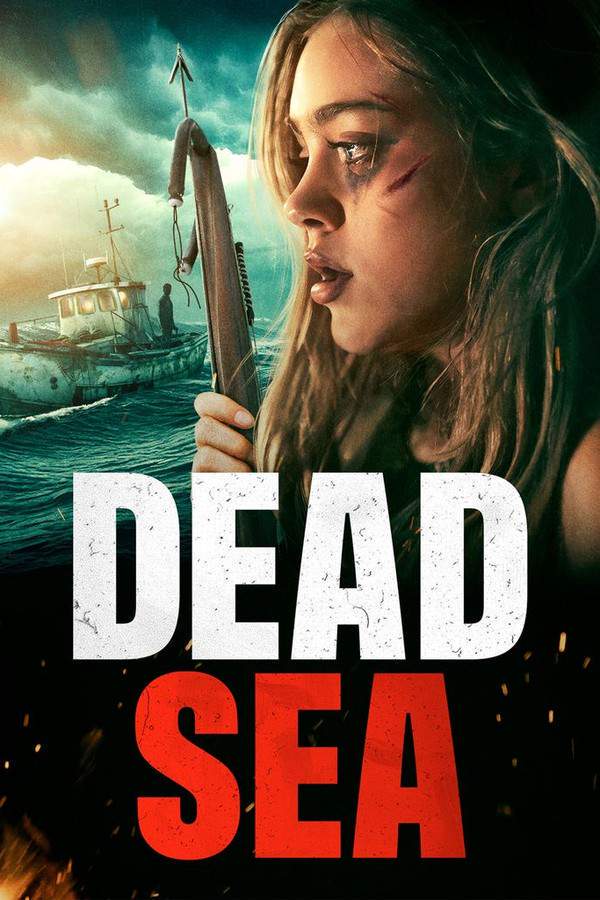
The Providence, a Scottish fishing trawler from Peterhead, arrives in Ostend, Belgium, and most of the crew disembarks while the Skipper keeps watch over the vessel. On board, the Skipper is accompanied by his son, Seán, the ship’s crewman Riley, and the cook (played by Steven Robertson). After a stop at an all-night café, the men split up: Seán phones a contact, Riley returns to the ship to find his companions, and the cook remains at the café. In a dockside warehouse, Seán meets Pol, Pol, who proposes a different kind of deal—rather than cigarettes, he offers a large sum of money to smuggle a group of Chinese immigrants into the United Kingdom. Seán is desperate for cash to keep the mortgage from swallowing them, and in a moment of risk and necessity he agrees, even though the plan is not his original intention. The choice is driven by debt and the fear of losing everything the family relies on.
Below deck, a small group of Chinese refugees is kept in squalid conditions. Among them is Su Li, Su Li, a 12-year-old girl who slips away from her confinement and hides in a different part of the ship. She begins to steal food from the kitchen, and the cook notices the shortages but keeps silent about their cause. The ship’s crew is preoccupied with the day-to-day effort to stay afloat and reveal little about their true sponsorship of the refugees. Seán insists that they cannot turn back without a respectable catch, because an empty boat would attract suspicion and a search could force them to expose the hidden passengers. The fishing nets come up nearly empty again and again, a painful reminder of how fragile the plan is and how the need for a successful catch weighs on everyone aboard.
When a refugee dies amid worsening conditions, Riley bravely confesses what he helped unleash to the Skipper. The Skipper confronts Seán, weighing the moral cost against the survival of the crew and the future of the boat, and ultimately recognizes that Seán’s actions were motivated by the brutal realities they face at sea. The Skipper, worn down by months of unprofitable fishing and financial pressure, hands the wheel to Seán with a quiet, reluctant trust, signaling a turn toward home and something like a reckoning with their own choices. The moment is quiet but heavy, a turning point that reframes the voyage as far more than a simple stretch of labor.
Meanwhile, the cook discovers Su Li and offers her comfort, yet he chooses silence rather than informing the others of her presence on board. The Skipper, convinced that a return to Scotland would mean inevitable arrest, would lose his license, and the bank would seize the boat, makes a fatal choice to drown the immigrants to protect his livelihood and to avoid the consequences that would come with their discovery. In a brutal counterpoint to the earlier moral ambiguity, the cook—moved by the girl’s vulnerability—attacks the Skipper with a chain and ends his life, creating a brutal rupture that nobody on board could have foreseen. The act seals the fate of the refugees and changes the dynamic aboard the ship in an instant, leaving a crew already pushed to the edge to confront an even darker truth.
The film closes on a stark, unresolved note: Riley and Su Li wait at a bus stop in Peterhead, Scotland. Su Li boards a coach, and her bag contains a substantial sum of money—the result of the dangerous voyage and the hidden refugees’ uncertain fate. The image lingers, suggesting that the costs of desperation and moral compromise extend far beyond a single voyage, and that the consequences of choice can travel with a person long after the ship has disappeared from sight. The story remains focused on the human toll—the fear, the debt, the endurance, and the uneasy line between survival and complicity—leaving the audience with a clear, unsettling sense of what it means to move between two worlds under pressure.