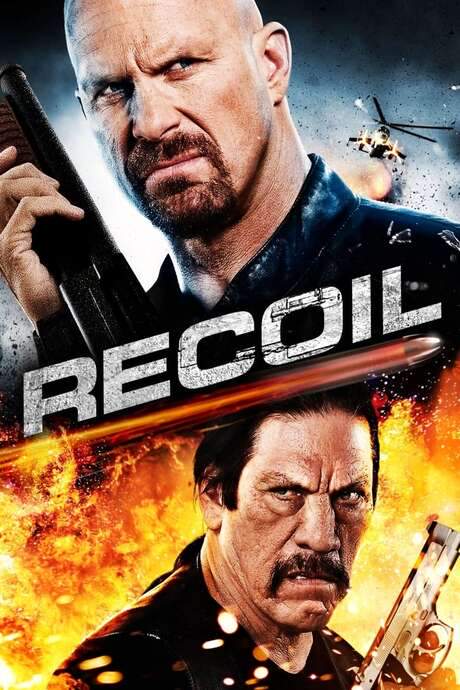
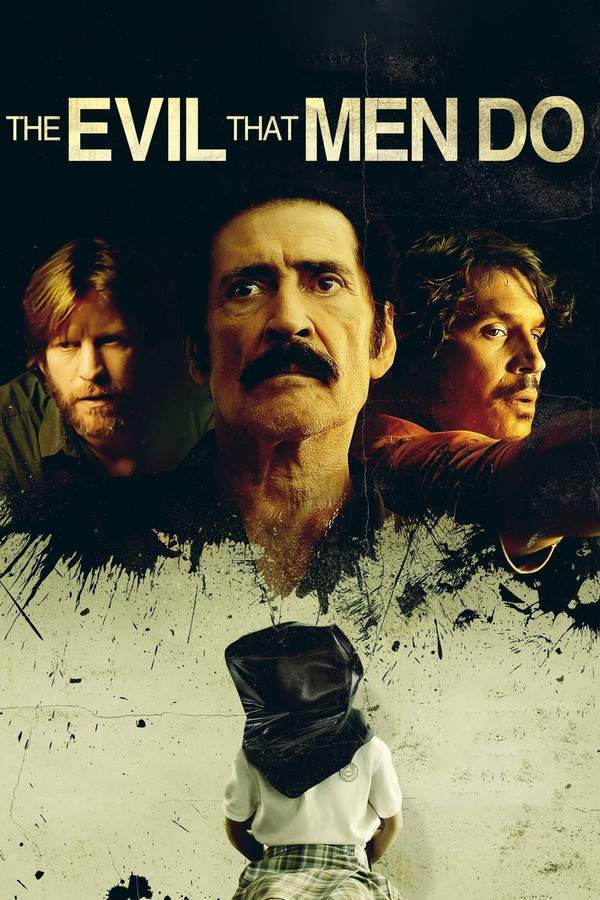
U.S. Marine Cole Hickel vows revenge on the evil psychopath Klaus Hermann, a killer who has taken his daughter’s life. Hermann maintains an unsettling hobby of murdering people and photographing their dead bodies, a macabre pattern that haunts the pursuit. His ambitions are bolstered by diplomatic immunity, since his mother, Gerta Hermann, sits as the President of Paraguay, complicating any traditional legal response.
Hickel crosses into Paraguay and partners with a world-weary smuggler known as Cowboy, Billy Drago, to enact his own brand of justice. The alliance is uneasy but effective, blending street-smart persistence with lethal resolve as they descend into a landscape of corruption, danger, and unpredictable loyalties. The mission is clear: find Hermann, stop his killing spree, and pay back the man who robbed Hickel of his daughter.
The chase pushes them from tense encounters in crowded urban zones to the imposing corridors of power at the presidential palace. Along the way, Hickel and Cowboy confront Hermann’s well-armed network and the political machinery that shields him from consequences. The tension escalates as the two allies close in on the killer, moving through a series of perilous confrontations where every choice counts and time is not on their side.
Tragedy strikes at the palace when Gerta fatally shoots Cowboy and hands the pistol to her son, Klaus Hermann, to finish Hickel. The moment is brutal and personal, forcing Hickel to push through grief and rage as he presses the chase onward. Cowboy’s sacrifice matters deeply in the balance of the story, and his last act—fighting back with the weapon at hand—helps tilt the moral scales in Hickel’s favor even as the plot spins toward its explosive finale.
In the aftermath, Hermann escapes for a final confrontation, and Hickel fights through a gauntlet of Hermann’s henchmen. The arrival of CIA agents briefly shifts the momentum, bringing a different kind of authority into play and complicating Hickel’s plan for retribution. Undeterred, Hickel presses his pursuit, culminating in the cataclysmic moment when Hermann returns to photograph his mother’s lifeless body, only to be obliterated by C-4 explosives concealed inside his camera, a trap set by Hickel.
The immediate crisis seems resolved, but the legal and diplomatic fallout is far from straightforward. At the airport, Paraguayan officials attempt to detain Hickel, yet a CIA agent asserts diplomatic immunity for him, transforming a personal vendetta into a broader political twist. The conclusion lingers on the uneasy balance between justice and circumstance, leaving Hickel’s triumph shaded by a knot of red tape and global intrigue, and underscoring the film’s persistent theme: vengeance can be as precarious as it is powerful.