Plot Explained Spoilers guaranteed!
Plot Explained

Browse by genre

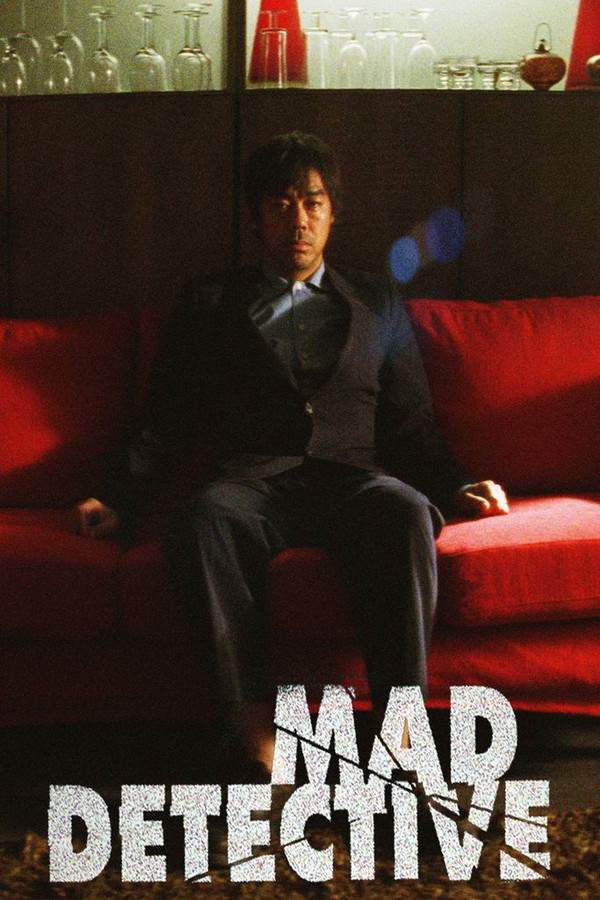
Detective Story (2007) movie poster

Characters & Themes

Detective Story (2007) Characters, Setting & Themes Explained

Release, runtime and language
2007 · 99 mins · Japanese
Directed by
Takashi Miike
Starring
Hiroyuki Watanabe, Claude Maki, Kai Ato, Tomoharu Hasegawa, Toru Kazama, Akiko Kikuchi

A detective and a businessman search for a serial killer who removes people’s organs.

On this page (7)
  1. 1 Characters explained (10)
  2. 2 Where & when it takes place
  3. 3 Themes & meaning (4)
  4. 4 Character & meaning questions
  5. 5 Movie threads
  6. 6 Movies like Detective Story
  7. 7 Every angle

10 main characters · contains spoilers

Detective Story Characters Explained: Who Is Who

The main characters of Detective Story (2007), heroes and villains: what drives them, how they change over the course of the story and what each of them reveals about the film's bigger ideas.

  • Kazama Raita (private detective)

    A private detective who evades the police and privately investigates a string of murders. He is cautious, morally complex, and willing to bend rules to uncover the truth. His relentless pursuit leads him through seedy locales and into the artist family's troubled history.

    • 🕵️‍♂️ Detective
    • 🧠 Calculated
    • 🗝️ Determined
  • Takashima Raita (hacker)

    A brilliant hacker who moves in next door and offers tech aid to solve the case. He uses his digital skills to trace clues that the police miss, all while juggling the risk of being drawn into the investigation's danger. His persona blends wit with a cool, analytical edge.

    • 💡 Tech-savvy
    • 🧠 Shrewd
    • 🧩 Reliable
  • Inoue Manami

    A young woman who seeks the detective's help but is murdered on her way home, triggering the investigation. Her disappearance reveals the danger lurking behind fragile trust and small-town connections. Her death hooks the detectives into a deeper conspiracy.

    • 🧭 Victim
    • 🕯️ Mysterious
    • 🗝️ Catalyst
  • Asanuma Ritsuko

    A second victim linked to a jealous love affair with a bartender. Her murder widens the case to romantic entanglements and betrayals, showing that passion can turn deadly. Her death ties the investigation to a broader network of relationships.

    • 💘 Romantic
    • 🗝️ Betrayal
    • 🕵️‍♂️ Suspect
  • Gamou

    A convicted child killer whose brutal history haunts the investigation. Kazama consults him for clues, but Gamou's presence brings a chilling reminder of past violence and the cost of vengeance. His role exposes the cycle of crime and punishment.

    • 🕯️ Dark Past
    • ⚖️ Infamous
    • 🗝️ Clue-giver
  • Aoyama Yuki (Master of Tragedy)

    An elderly artist known for religious imagery who begins painting with blood and flesh, earning his titles. His shifting art marks a turning point in the murder investigation, linking victims to his oeuvre and revealing his complex family dynamics. The atmosphere around his studio is unsettling and ritualistic.

    • 🎨 Artist
    • 🧪 Obsession
    • 🩸 Macabre
  • Seto Masami

    The housekeeper and lover who reveals family secrets after Yuki's wife’s suicide. Her role connects the artist's private life to the murders and suggests motives rooted in fidelity and revenge. She provides critical pieces of the puzzle to Kazama.

    • 👩‍🔧 Caretaker
    • 🔎 Informant
    • 🕵️‍♀️ Catalyst
  • Maho

    Yuki's daughter, living in a foster home, who learns the dark family history behind the artist's masterpieces. Her existence ties the present murders to the past and to the next generation caught in a web of secrets.

    • 👧 Heir
    • 🗝️ Secret
    • 🧠 Witness
  • Akimura Mizuho

    An art student who is the mother of Maho and lover of Yuki; her relationship patterns contribute to the motive economy. Her presence hints at complex family ties and the consequences of the artist's infidelity.

    • 🎓 Student
    • 💔 Infidelity
    • 🕵️‍♀️ Motive
  • Masakuni

    Yuki's son, also connected to the artist’s dramatic lineage. His role elevates the sense of inheritance and the intergenerational impact of the artist's obsession.

    • 👦 Heir
    • 🧬 Lineage
    • 🔍 mystery

Last updated: October 04, 2025 at 13:10

Was this helpful?

Setting

Where and When Does Detective Story Take Place?

The setting of Detective Story (2007): the year and time period, the places and locations, and how they shape the characters, the mood and the tension of the story.

Time period

Location

Kazama's apartment, sewers, bartender's home, local bath, Aoyama Yuki's studio in Izu

The story unfolds across cramped urban living spaces and hidden underworld passages. Kazama's low-rent apartment and the police stakeouts set a claustrophobic tone as the killer moves through the city. Key scenes shift to the sewers and the bartender's home, then to the artist's remote studio in Izu, a stark contrast to the cityscape.

  • 🏙️ Urban
  • 🧭 Crime-ridden
  • 🗺️ Secluded locations

Last updated: October 04, 2025 at 13:10

Was this helpful?

4 major themes

Detective Story Meaning: Themes & Message Explained

What is Detective Story (2007) really about? The emotional, social and philosophical themes the film keeps returning to, its symbolism and the message beneath the surface.

  • Investigation

    A murder spree with missing organs anchors the investigation, forcing Kazama to piece together clashing alibis and hidden relationships. Takashima's hacking becomes a crucial tool, offering a glimpse into the digital trail behind the crimes. The pursuit exposes deception, misdirection, and the limits of law enforcement when the detective duo work around the official investigation.

  • Duality

    Two Raitas exist in close proximity: a private detective and a hacker with a neighborly bond. Their parallel but divergent approaches mirror the killer's stratagems and the artist's public facade versus private obsession. The film explores how people hide truths behind everyday identities.

  • Violence

    The murders feature organs removed from victims and the killer's fascination with corpses, culminating in a brutal atmosphere. The 'Master of Tragedy' artist uses blood and flesh in his work, blurring the line between art and atrocity. The gore becomes a narrative engine that drives suspicion and fear.

  • Art Obsession

    Artists and artworks drive the plot: Yuki's transition from religious imagery to flesh-based painting marks a turning point in the murder investigation, linking victims to his oeuvre and revealing his complex family dynamics. Family histories and infidelity tie back to the art world, showing how creativity can become a vehicle for revenge. The investigation merges with the artist's personal saga, highlighting obsession's grip on lives.

Last updated: October 04, 2025 at 13:10

Was this helpful?

Character & theme questions

Detective Story Characters & Meaning: Your Questions Answered

The questions people ask about Detective Story (2007): who the characters really are, their relationships, what the symbols mean, where it takes place and what the movie is really about. Each answer contains spoilers.

Q1

Where is Detective Story set?

The movie takes place in Japan, primarily in cramped urban environments. Key locations include Kazama's low-rent apartment, police stakeout spots, sewers, a local bath, a bartender's home, and Aoyama Yuki's remote studio in Izu, a stark contrast to the claustrophobic city setting.

  • japan setting
  • urban locations
  • izu studio
  • sewers
  • japanese horror setting
Q2

What is the significance of the artist's studio in Izu?

The remote studio in Izu serves as a stark contrast to the cramped urban settings where most of the investigation takes place. It is where Aoyama Yuki creates his disturbing blood-and-flesh paintings, representing the isolated, ritualistic world of the killer away from the city's chaos.

  • izu
  • artist studio
  • aoyama yuki
  • isolated location
  • contrast setting
Q3

When does Detective Story take place?

The movie does not specify a clear time period. The setting appears contemporary with modern technology like hacking and digital investigation tools, but there is no explicit mention of a specific year or era.

  • time period
  • contemporary
  • modern setting
  • unspecified era
Q4

What is the investigation theme about in Detective Story?

The investigation theme centers on a murder spree where victims' organs are missing. Kazama and Takashima pursue clashing alibis and hidden relationships, using both traditional detective work and digital hacking to piece together clues the police miss, exposing deception and the limits of official law enforcement.

  • investigation
  • serial killer
  • organ murder
  • police
  • hacking
  • clues
Q5

What does duality mean in Detective Story?

Duality explores how two people named Raita, a private detective and a hacker, exist in close proximity with parallel but divergent approaches to solving the case. This mirrors the killer's own double life and the artist's public facade versus private obsession, showing how people hide truths behind everyday identities.

  • duality
  • two raitas
  • double identity
  • hidden truths
  • facade vs reality
Q6

How does art obsession drive the story in Detective Story?

Art obsession is central to the narrative: Aoyama Yuki, an elderly artist known for religious imagery, shifts to painting with blood and flesh, earning the title 'Master of Tragedy.' This transition links victims to his artwork and reveals complex family dynamics involving infidelity, revenge, and intergenerational obsession that fuels the murders.

  • art obsession
  • aoyama yuki
  • master of tragedy
  • blood painting
  • family secrets
  • revenge
Q7

Who is Kazama Raita and what is his role?

Kazama Raita is a private detective who evades the police while investigating a string of organ-murders. He is cautious, morally complex, and willing to bend rules to uncover the truth. His relentless pursuit leads him through seedy urban locales and into the artist family's troubled history.

  • kazama raita
  • private detective
  • investigator
  • morally complex
  • protagonist
Q8

Who is Aoyama Yuki and why is he important?

Aoyama Yuki is an elderly artist known as the 'Master of Tragedy,' famous for religious imagery who later begins painting with blood and flesh. His shifting art style directly links victims to his work and reveals his complex family dynamics, making him central to both the murders and the investigation.

  • aoyama yuki
  • master of tragedy
  • artist
  • killer
  • blood painting
  • central character
Q9

What is the relationship between the two Raitas in Detective Story?

Kazama Raita is a private detective while Takashima Raita is a hacker who moves in next door and offers tech aid. They work together on the case, with Takashima's digital skills complementing Kazama's street-level investigation. Their neighborly bond and parallel approaches reflect the film's theme of duality.

  • kazama raita
  • takashima raita
  • partnership
  • hacker
  • detective
  • working together
Q10

What role does violence play in Detective Story?

Violence is the narrative engine of the film. The murders involve organs removed from victims, and the killer's fascination with corpses creates a brutal atmosphere. The 'Master of Tragedy' uses blood and flesh in his art, blurring the line between art and atrocity, driving suspicion and fear throughout the investigation.

  • violence
  • organ removal
  • brutality
  • gore
  • blood art
  • horror elements
Q11

What does 'Master of Tragedy' mean in the movie?

'Master of Tragedy' is the title given to Aoyama Yuki, an artist whose work transitions from religious imagery to paintings created using blood and flesh from his victims. The title reflects both his artistic mastery and his disturbing fascination with death and suffering as material for his work.

  • master of tragedy
  • aoyama yuki
  • artist title
  • blood art
  • murderer artist
Q12

How do the settings contribute to the movie's atmosphere?

The cramped urban living spaces, sewers, and hidden underworld passages create a claustrophobic, oppressive tone. These grim locations contrast sharply with the remote Izu studio, emphasizing the divide between the dark urban underworld of crime and the isolated, ritualistic space where the artist creates his macabre works.

  • atmosphere
  • claustrophobic
  • urban decay
  • contrast
  • setting mood
  • tension

Movie threads

More Movies Like Detective Story, by Mood & Story

Curated lists built around what makes Detective Story tick: the same mood, the same kind of story or the same emotional payoff. Each list explains why these movies belong together.

Gritty police procedurals like Detective Story

Bleak detective stories set in oppressive urban landscapes. If you liked the intense investigation in Detective Story, explore more movies like it. These films focus on detectives unraveling dark crimes, often set in gritty urban environments with a heavy, suspenseful atmosphere and disturbing thematic elements.

  • suspenseful
  • gritty
  • anxious
  • oppressive
  • disturbing
  • unsettling
  • Tone: dark, gritty, tense
  • Pacing: steady, methodical
Why these movies?

The story pattern: Narratives typically follow a single, obsessed investigator or a small team as they methodically pursue a vicious killer or criminal enterprise. The journey is less about clever deduction and more about the corrosive impact of the case on the protagonist's psyche and the bleak reality of justice.

Why they belong together: Movies are grouped here for their shared commitment to a dark, realistic tone, high-stakes criminal investigations, and an oppressive mood that emphasizes the psychological strain on the protagonists. They prioritize tension and grim realism over heroic resolution.

Movies with artistic serial killers like in Detective Story

Horror thrillers where murder is a twisted form of artistic expression. For viewers fascinated by the grotesque artistic motif in Detective Story, this section features similar movies where serial killers have a twisted artistic vision. These stories explore the connection between creativity and madness, often with high tension and psychological horror.

  • disturbing
  • unsettling
  • psychological
  • suspenseful
  • grotesque
  • dark
  • Tone: dark, disturbing, unsettling
  • Pacing: steady, suspenseful
Why these movies?

The story pattern: The narrative pattern involves unraveling a series of killings that are staged or designed with a specific, artistic signature. The investigation becomes a descent into the killer's psyche, exploring themes of beauty in horror, madness, and the dark impulses that can drive artistic creation.

Why they belong together: These films are united by their unique villain archetype—the artist killer—and the intense psychological horror this creates. They share a focus on disturbing themes, an unsettling atmosphere, and a plot that explores the motives behind aesthetically-driven violence.

If you liked this

Movies Like Detective Story

Similar movies to Detective Story: the same genre, themes or kind of story. Each one comes with its own plot summary, timeline and ending explained.

Browse all movie summaries

Every angle

Detective Story (2007) Explained: Plot, Timeline & Characters

Everything about Detective Story in one place: what happens in the plot summary, the timeline in chronological order, the characters and meaning and a spoiler-free summary. What's After the Movie adds the cast, box office and post-credit scenes.

Coming soon on iOS and Android

The Plot Explained Movie Summary App

Plot summaries, endings explained and timelines on your phone. Catch up on any movie in minutes, save your favorites and never miss a twist again.

Be the first to know when we launch. Your email stays private, always.

Learn more about the app