Plot Explained Spoilers guaranteed!
Plot Explained

Browse by genre

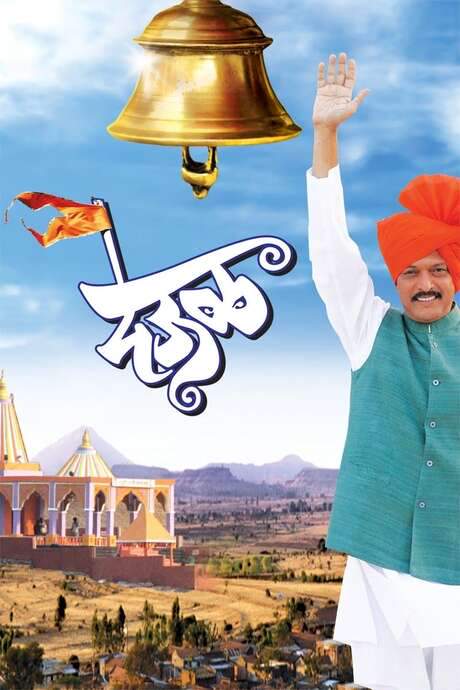
Deool (2011) movie poster

Characters & Themes

Deool (2011) Characters, Setting & Themes Explained

Release, runtime and language
2011 · 139 mins · Marathi
Loading streaming availability…
Directed by
Umesh Vinayak Kulkarni
Starring
Naseeruddin Shah, Mohan Agashe, Sonali Kulkarni, Girish Kulkarni, Kishore Kadam, Nana Patekar

Keshya, a simple villager believes that god has arrived in his village but everyone disbelieves him. Later when the politics plays its part things take a drastic change

On this page (7)
  1. 1 Where to watch
  2. 2 Characters explained (7)
  3. 3 Where & when it takes place
  4. 4 Themes & meaning (4)
  5. 5 Character & meaning questions
  6. 6 Movie threads
  7. 7 Every angle
Loading streaming availability…

7 main characters · contains spoilers

Deool Characters Explained: Who Is Who

The main characters of Deool (2011), heroes and villains: what drives them, how they change over the course of the story and what each of them reveals about the film's bigger ideas.

  • Keshya (Girish Kulkarni)

    A simple village youth who experiences Dattatreya's avatar at the Audumber tree and publicly proclaims the event. His sudden spiritual claim sets off a chain reaction, pulling the village between belief and skepticism. He embodies zeal and innocence, acting as the spark that ignites both faith and conflict.

    • 🙏 Devotion
    • 🗣️ Charisma
  • Bhau Galande (Nana Patekar)

    A pragmatic village leader who controls local resources and resists swift, faith-driven changes. He questions the use of funds for a temple and prefers investments in more immediate needs, highlighting the tension between stability and spectacle. His stance represents measured pragmatism in the face of communal pressure.

    • 💪 Leadership
    • 🧭 Pragmatism
  • Appa Kulkarni (Dilip Prabhavalkar)

    A highly respected elder in Mangrul who offers traditional counsel and caution about personal beliefs clashing with communal welfare. He embodies the weight of experience in a village navigating rapid changes and contested ideas of faith.

    • 🌿 Wisdom
    • 🏛️ Tradition
  • Aamdar Saheb (Mohan Agashe)

    The village authority figure who sits at the crossroads of faith, governance, and social order. He represents institutional influence and the limits of tradition when confronted with new demands from faith-driven crowds. His presence underscores how leadership mediates between old norms and present pressures.

    • 🏛️ Authority
    • 🧭 Mediation
  • Vahini Saheb (Sonali Kulkarni)

    A key community member whose involvement signals the social fabric of Mangrul. She reflects the voices and concerns of families within the village as faith and development reshape daily life. Her presence highlights the broader impact of the temple controversy on households.

    • 👥 Community
    • 🕊️ Influence
  • Mahasangram (Kishore Kadam)

    A local journalist whose sensationalism and political alignment amplify the Dattatreya appearance. He leverages village fervor to advance broader agendas, turning a spiritual moment into a competitive spectacle. His actions illustrate how media and politics can distort intention and outcome.

    • 🗞️ Sensationalism
    • 🗳️ Politics
  • Dacoit (Naseeruddin Shah)

    A mysterious figure whose presence during the events heightens tension and fear. His role serves as a catalyst that tests the community’s faith, ethics, and resilience under pressure. He embodies external threat and moral challenge within the village’s upheaval.

    • 🗡️ Threat
    • 🕯️ Mystery

Last updated: February 17, 2026 at 17:10

Was this helpful?

Setting

Where and When Does Deool Take Place?

The setting of Deool (2011): the year and time period, the places and locations, and how they shape the characters, the mood and the tension of the story.

Time period

Contemporary, present-day

Set in a modern rural Maharashtra, the story unfolds amid current media attention and political maneuvering. It shows how a personal spiritual experience can trigger collective action, fundraising, and rapid social change. The events occur over a relatively short period, highlighting the volatility of faith-based decisions in a developing village.

Location

Mangrul, rural village in Maharashtra

Mangrul is a peaceful rural village in Maharashtra where faith, tradition, and community life define daily existence. A hill with an Audumber tree becomes a focal point after a claimed divine appearance, drawing pilgrims and outsiders. The subsequent temple construction and promises of public works transform the village into a site of pilgrimage and heated debate about the balance between devotion and development.

  • 🏞️ Rural village
  • 🕍 Temple town
  • 🗞️ Media sensationalism
  • 🏥 Development and reform

Last updated: February 17, 2026 at 17:10

Was this helpful?

4 major themes

Deool Meaning: Themes & Message Explained

What is Deool (2011) really about? The emotional, social and philosophical themes the film keeps returning to, its symbolism and the message beneath the surface.

  • Faith vs. Commerce

    The film centers on how personal belief and communal devotion spark a larger economic and social transformation. It questions whether sacred spaces should be leveraged for growth or kept separate from profit. The rapid rise of a temple as a focal point exposes tension between spiritual integrity and commercial interests. Devotion becomes both a unifier and a battleground for competing goals.

  • Media Sensationalism

    A journalist and politically minded youths amplify the event, turning a private experience into public spectacle. The media coverage shapes villagers' perceptions and accelerates the push for a temple and development projects. The story critiques how press and politics can exploit faith for broader agendas. Public opinion becomes a lever that influences community decisions.

  • Development Ethics

    The narrative pits religious aspiration against social welfare, with discussions about using temple funds for hospitals and community benefits. It raises questions about the ethical use of sacred spaces to fund public works. The town's leaders wrestle with whether spiritual awakening should translate into tangible improvements for all villagers. Progress is celebrated, but its means are scrutinized.

  • Power and Responsibility

    Authority figures in Mangrul—old and new—must broker competing visions of progress. The story examines how leadership balances tradition, reform, and popular demand. It reveals how power can mobilize communities, for better or worse, depending on whether responsibility or self-interest governs action. The result is a microcosm of governance challenges in evolving rural communities.

Last updated: February 17, 2026 at 17:10

Was this helpful?

Character & theme questions

Deool Characters & Meaning: Your Questions Answered

The questions people ask about Deool (2011): who the characters really are, their relationships, what the symbols mean, where it takes place and what the movie is really about. Each answer contains spoilers.

Q1

Where is the movie Deool set?

Deool is set in Mangrul, a peaceful rural village in Maharashtra. The story centers on a hill with an Audumber tree that becomes the focal point after a claimed divine appearance, drawing pilgrims and outsiders and transforming the village into a site of pilgrimage and heated debate.

  • mangrul village
  • maharashtra
  • rural setting
  • audumber tree
  • temple town
Q2

What time period does Deool take place in?

The film is set in contemporary, present-day rural Maharashtra. The events unfold amid current media attention and political maneuvering, occurring over a relatively short period that highlights the volatility of faith-based decisions in a developing village.

  • present day
  • contemporary
  • modern rural maharashtra
  • time period
Q3

What is the Faith vs Commerce theme in Deool?

The film examines how personal belief and communal devotion spark economic and social transformation, questioning whether sacred spaces should be leveraged for growth or kept separate from profit. The rapid rise of a temple exposes tension between spiritual integrity and commercial interests, where devotion becomes both a unifier and a battleground for competing goals.

  • faith
  • commerce
  • temple
  • profit
  • devotion
  • spiritual integrity
Q4

How does media sensationalism play a role in the story?

A journalist and politically minded youths amplify the claimed divine appearance, turning a private spiritual experience into public spectacle. Media coverage shapes villagers' perceptions and accelerates the push for a temple and development projects, critiquing how press and politics can exploit faith for broader agendas.

  • media
  • journalism
  • sensationalism
  • public opinion
  • political agenda
Q5

What is the Development Ethics theme in Deool?

The narrative explores the tension between religious aspiration and social welfare, particularly discussions about using temple funds for hospitals and community benefits. It raises questions about the ethical use of sacred spaces to fund public works and whether spiritual awakening should translate into tangible improvements for all villagers.

  • development
  • ethics
  • public welfare
  • temple funds
  • social progress
  • hospitals
Q6

What does Deool say about power and responsibility?

The film examines how authority figures must broker competing visions of progress, revealing how leadership balances tradition, reform, and popular demand. It shows how power can mobilize communities for better or worse, depending on whether responsibility or self-interest governs action, presenting a microcosm of governance challenges in evolving rural communities.

  • power
  • responsibility
  • leadership
  • authority
  • tradition
  • governance
  • village leadership
Q7

Who is Keshya in Deool?

Keshya is a simple village youth played by Girish Kulkarni who experiences Dattatreya's avatar at the Audumber tree and publicly proclaims the event. His sudden spiritual claim sets off a chain reaction, pulling the village between belief and skepticism. He embodies zeal and innocence, acting as the spark that ignites both faith and conflict.

  • keshya
  • girish kulkarni
  • protagonist
  • villager
  • spiritual experience
  • dattatreya
Q8

Who is Bhau Galande in Deool?

Bhau Galande, played by Nana Patekar, is a pragmatic village leader who controls local resources and resists swift, faith-driven changes. He questions the use of funds for a temple and prefers investments in more immediate needs, representing measured pragmatism in the face of communal pressure and the tension between stability and spectacle.

  • bhau galande
  • nana patekar
  • village leader
  • pragmatic
  • resources
  • stability
Q9

Who is Mahasangram in Deool?

Mahasangram, played by Kishore Kadam, is a local journalist whose sensationalism and political alignment amplify the Dattatreya appearance. He leverages village fervor to advance broader agendas, turning a spiritual moment into a competitive spectacle and illustrating how media and politics can distort intention and outcome.

  • mahasangram
  • kishore kadam
  • journalist
  • media
  • sensationalism
  • political agenda
Q10

Who is the Dacoit in Deool?

The Dacoit, played by Naseeruddin Shah, is a mysterious figure whose presence during the events heightens tension and fear in Mangrul. His role serves as a catalyst that tests the community's faith, ethics, and resilience under pressure, embodying external threat and moral challenge within the village's upheaval.

  • dacoit
  • naseeruddin shah
  • mysterious figure
  • threat
  • tension
  • moral challenge
Q11

What is the main message of Deool?

Deool's main message explores how faith, when combined with media attention and political ambition, can quickly transform from a spiritual experience into a catalyst for both development and exploitation. The film questions whether progress justifies the compromise of spiritual ideals and examines the cost of progress measured against the loss of a community's innocence.

  • main message
  • theme
  • faith
  • progress
  • exploitation
  • innocence
  • spiritual ideals
Q12

Who is Appa Kulkarni in Deool?

Appa Kulkarni, played by Dilip Prabhavalkar, is a highly respected elder in Mangrul who offers traditional counsel and caution about personal beliefs clashing with communal welfare. He embodies the weight of experience in a village navigating rapid changes and contested ideas of faith.

  • appa kulkarni
  • dilip prabhavalkar
  • elder
  • traditional counsel
  • village elder
  • wisdom

Movie threads

More Movies Like Deool, by Mood & Story

Curated lists built around what makes Deool tick: the same mood, the same kind of story or the same emotional payoff. Each list explains why these movies belong together.

Movies about the corruption of innocence like Deool

Stories of pure ideals crushed by cynical social and political realities. For viewers who appreciated the cynical transformation in Deool, this section features movies like Deool that explore how pure faith or idealism is exploited by political and commercial forces, leading to a bittersweet loss of innocence.

  • disillusioned
  • thoughtful
  • cynical
  • social commentary
  • ethical conflict
  • transformative
  • Tone: bittersweet, cynical, contemplative
  • Pacing: steady, deliberate
Why these movies?

The story pattern: These narratives typically begin with a character or community possessing a simple, sincere belief. This idealism is then confronted by external forces—often political opportunism or commercial greed—that twist the original理想 into something cynical. The story arc follows the gradual disillusionment and the ethical conflict that arises, culminating in an ending that is thoughtful rather than triumphant.

Why they belong together: Movies are grouped here because they share a core narrative of innocence confronted by cynicism. They feature a steady pacing that allows the tension to build from a personal conviction to a broader social commentary, and they consistently deliver a bittersweet, contemplative mood.

Movies about rural transformation and social change like Deool

Observational dramas about tradition clashing with change in rural settings. If you liked the portrayal of a village's upheaval in Deool, explore these similar movies about rural communities facing drastic change. These films share a steady pace and a focus on the social and personal costs of progress.

  • rural life
  • social change
  • contemplative
  • transformative
  • traditional
  • conflicted
  • Tone: thoughtful, bittersweet, observational
  • Pacing: steady, deliberate
Why these movies?

The story pattern: The narrative pattern centers on a tight-knit, traditional community. An external catalyst—be it a miracle, a development project, or a new ideology—disrupts the established social order. The film then observes the ensuing conflicts, the clash between old values and new ambitions, and the lasting impact on the community's soul, often leaving a sense of loss amidst change.

Why they belong together: These movies are grouped by their shared setting and central conflict: the erosion of rural simplicity. They possess a steady, observational pacing that lets the social commentary unfold naturally, and they carry a medium emotional weight rooted in the loss of a way of life.

Every angle

Deool (2011) Explained: Plot, Timeline & Characters

Everything about Deool in one place: what happens in the plot summary, the timeline in chronological order, the characters and meaning and a spoiler-free summary. What's After the Movie adds the cast, box office and post-credit scenes.

Coming soon on iOS and Android

The Plot Explained Movie Summary App

Plot summaries, endings explained and timelines on your phone. Catch up on any movie in minutes, save your favorites and never miss a twist again.

Be the first to know when we launch. Your email stays private, always.

Learn more about the app