Plot Explained Spoilers guaranteed!
Plot Explained

Browse by genre

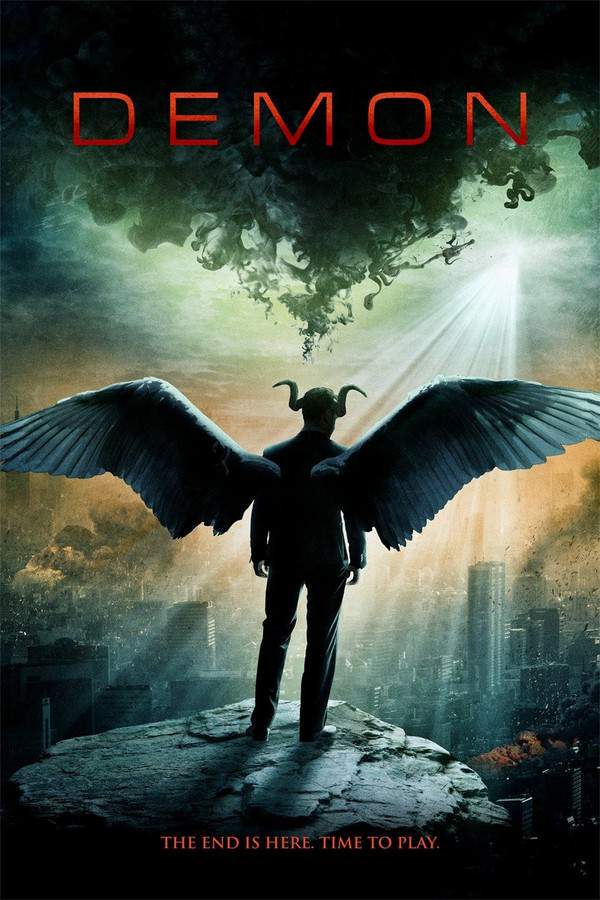
Demon (2016) movie poster

Timeline

Demon (2016) Timeline Explained – Every Event in Order

Release, runtime and language
2016 · 94 min · English
Loading streaming availability…
Directed by
Marcin Wrona

In rural Poland, Peter's upcoming marriage to Zaneta is overshadowed by a disturbing discovery at her family’s decaying estate. As the wedding celebration unfolds, a terrifying secret is revealed, and an ancient, malevolent force known as a dybbuk infiltrates the festivities. Peter's perception of reality fractures as the joyous occasion spirals into chaos, threatening everything he holds dear.

On this page (6)
  1. 1 Where to watch
  2. 2 Events in order (13)
  3. 3 Timeline questions answered
  4. 4 Movie threads
  5. 5 Movies like Demon
  6. 6 Every angle
Loading streaming availability…

13 events in order · contains spoilers

Demon Timeline: Events in Chronological Order

Every key event of Demon (2016) in order, scene by scene, with when and where it takes place. Use it to untangle flashbacks, time jumps and parallel storylines, to refresh your memory before the sequel or to find the exact scene you are thinking of.

  1. Skeleton unearthed in the estate yard

    As Piotr and the crew operate the backhoe in the dusty yard, he uncovers a human skeleton buried beneath the soil. The discovery unsettles him, and he keeps silent about it at first, sensing the past lingering in the ground. This grisly find seeds a sense of foreboding that threads through the upcoming wedding.

    When
    Right before the wedding
    Where
    Estate yard
  2. Hana's haunting vision begins

    Soon after the skeleton is found, Piotr is haunted by a vision of a woman in a wedding dress named Hana. The apparition grows clearer as the wedding approaches, and Piotr starts experiencing troubling episodes. The line between memory and nightmare begins to blur.

    When
    Lead-up to the wedding
    Where
    Estate
  3. Piotr moves into the run-down estate

    Piotr relocates to the large but dilapidated estate that Zaneta's family owns. Living there intensifies the sense of history and exile, as he confronts his own Polish roots and the past of Hana. The move anchors the story in a place tied to both love and loss.

    When
    Before the wedding
    Where
    Estate
  4. The wedding reception opens the haunting

    During the wedding reception, Hana’s figure grows closer to Piotr and the episodes escalate into apparent seizures. Guests sense something wrong as the atmosphere thickens with dread and the sense that the living are nearby the dead. This spectacle foreshadows a deeper possession at work.

    When
    During the reception
    Where
    Wedding reception, estate
  5. Family hides the breakdown in the basement

    To keep the wedding from turning into a scandal, Zaneta’s family distracts the guests with vodka and loud music while locking Piotr away. The basement becomes a shrouded stage for the supernatural events to unfold. The tension between revelation and secrecy dominates the late-night hours.

    When
    Wedding night
    Where
    Basement of estate
  6. A doctor tends Piotr in confinement

    Inside the basement, a doctor is brought in to observe Piotr and attempt to quell the disturbances. The medical approach clashes with the supernatural as Piotr's condition worsens. The hospital-like setting in the basement heightens the sense of a trial.

    When
    Wedding night
    Where
    Basement
  7. A priest is called to perform rites

    As the phenomena continue, a priest arrives to perform blessings and exorcism-like rites. The attempt to banish Hana's spirit underscores the fusion of ritual and superstition in the community. The presence of the priest marks a turning point toward a decision between science and faith.

    When
    Wedding night
    Where
    Basement
  8. The teacher uncovers the linguistic sign of possession

    The teacher, Wlodzimierz Press, realizes Piotr is speaking Yiddish, signaling that a non-Christian force possesses him. His discovery becomes the key to understanding Hana’s history and the supernatural strand running through the tale. This moment connects the present crisis with a pre-war Jewish community.

    When
    During confinement
    Where
    Basement
  9. Hana’s backstory is divulged

    The teacher explains Hana was a beautiful Jewish girl who vanished before the war, now inhabiting Piotr’s body as a dybbuk. The revelation ties the haunting to a specific historical trauma and to the town’s hidden memories. The possession is framed as a link between personal crisis and collective history.

    When
    Revelation
    Where
    Basement
  10. The town's last Jewish witness speaks

    The teacher is presented as one of the town’s last surviving Jewish residents and becomes a voice for the past. Through him, the audience learns about the fragile memory of the community and the impact of the war on those who remained. The narrative uses his perspective to deepen the dybbuk lore.

    When
    Recollection
    Where
    Town
  11. The grandfather’s wealth and the land's dark history

    It is implied that Zaneta’s grandfather may have profited from dispossessing the Jewish residents and acquiring the property. The story uses this rumor to critique Polish-Jewish relations and the complicity of memory. The ghostly presence of Hana doubles as a reminder of that history.

    When
    Backstory context
    Where
    Town/Estate
  12. The dybbuk tale as allegory

    The film reframes the events as a retelling of a classic dybbuk story, using Hana’s possession to explore guilt and memory in post-war Poland. The mystery blends personal horror with historical allegory as the characters confront the past they inherit. The ending suggests a larger conversation about identity and responsibility.

    When
    Conclusion
    Where
    Estate
  13. Open-ended memory and history linger

    The narrative closes with an unresolved tension, leaving Hana’s spirit and Piotr’s fate lingering. The audience is invited to grapple with how love, memory, and national history intersect within a single family and a single estate. The film leaves the moral question hanging in the air.

    When
    End
    Where
    Estate/Town

Last updated: February 24, 2026 at 14:19

Was this helpful?

Timeline questions answered

Demon Timeline Explained: Your Questions Answered

When does it happen, and why in that order? The questions people ask about the chronology of Demon (2016): time jumps, flashbacks, cause and effect between scenes and the correct order of events, each answered with spoilers.

Q1

Why does Piotr see a woman in a wedding dress?

Piotr sees Hana, a Jewish woman who was murdered before World War II. After he unearths her skeleton while digging in the estate yard, her spirit begins haunting him, appearing increasingly insistent as his wedding day approaches. The vision ultimately becomes a full possession.

Foreshadowing: The discovery of the skeleton in the yard directly triggers Hana's appearance, establishing the supernatural connection between the land and the spirit.

  • hana
  • wedding dress
  • ghost
  • vision
  • haunting
  • skeleton
Q2

What is a dybbuk?

A dybbuk is a malevolent spirit in Jewish folklore that possesses the living. In the film, Hana's spirit enters Piotr's body, taking control of his speech and actions. The possession represents a link between personal trauma and historical atrocity.

Foreshadowing: The film establishes early on that something supernatural is at work through Piotr's visions and seizures before the term is explicitly used.

  • dybbuk
  • possession
  • spirit
  • jewish folklore
  • folklore
Q3

Why does speaking Yiddish prove possession?

When Piotr begins speaking Yiddish, the teacher Wlodzimierz Press recognizes it as a sign of non-Christian possession. Yiddish was the language of Eastern European Jews, so Piotr speaking it fluently despite not knowing the language signals that a Jewish spirit, Hana, has taken hold of him.

Foreshadowing: Piotr's earlier unsettling episodes and strange behavior foreshadow this linguistic revelation.

  • yiddish
  • possession
  • language
  • teacher
  • wlodzimierz press
Q4

Who was Hana in the film?

Hana was a beautiful Jewish girl who vanished before World War II. The teacher explains that her spirit became a dybbuk, inhabiting Piotr's body during the wedding. Her death and the circumstances surrounding it are tied to the estate's dark history.

Foreshadowing: The skeleton Piotr discovers is implied to be Hana's remains, connecting the buried past to the present haunting.

  • hana
  • jewish girl
  • history
  • war
  • disappearance
Q5

Why does Żaneta's family lock Piotr in the basement?

Żaneta's family conceals Piotr's possession to prevent scandal during the wedding. They distract guests with vodka and music while keeping Piotr hidden in the basement, first under a doctor's care and then a priest's intervention. Their priority is maintaining the family's respectable image rather than addressing the supernatural crisis.

Foreshadowing: The family's earlier efforts to keep the wedding running smoothly hint at their willingness to hide anything that might damage their reputation.

  • basement
  • family
  • wedding
  • concealment
  • scandal
Q6

What is the dark history behind Żaneta's family estate?

The film implies Żaneta's grandfather may have enriched himself by exploiting property after its Jewish residents disappeared during the war. This historical crime, potentially profiting from dispossession and murder, connects the family's wealth to the traumatic past that Hana's spirit represents.

Foreshadowing: The estate's decayed state and the buried skeleton hint at the property's troubled history before the specific details are revealed.

  • grandfather
  • estate
  • property
  • jewish
  • war
  • dispossession
Q7

Why does unearthing the skeleton trigger the haunting?

The skeleton Piotr discovers is Hana's remains. Unearthing her body disturbs her buried spirit, awakening the dybbuk. This act of disturbing the ground releases the trapped soul, leading directly to her haunting of Piotr and subsequent possession.

Foreshadowing: The discovery happens early in the film and immediately precedes Hana's first appearance, establishing clear cause and effect.

  • skeleton
  • digging
  • burial
  • haunting
  • ground
Q8

What does the ending of Demon mean?

The film ends with unresolved tension, Hana's spirit and Piotr's fate remain ambiguous. The dybbuk is not clearly exorcised, and the implication of the family's ill-gotten wealth lingers. This open ending invites reflection on how historical crimes and inherited trauma continue to claim the present.

Foreshadowing: The gradual revelation of the grandfather's potential complicity builds toward this unresolved moral question.

  • ending
  • resolution
  • ambiguous
  • history
  • trauma
  • guilt
Q9

What does Demon say about Polish-Jewish relations?

The film functions as an allegory for Polish-Jewish relations before and after the war. Hana's possession represents the lingering trauma of the Holocaust and the unresolved guilt surrounding complicity in Jewish dispossession. The family's attempt to hide the truth mirrors broader societal efforts to suppress uncomfortable historical realities.

Foreshadowing: The teacher's role as the town's last surviving Jewish resident provides the perspective that frames the entire events as historical reckoning.

  • allegory
  • polish-jewish
  • war
  • history
  • memory
  • guilt
Q10

Why is Piotr specifically chosen for possession?

As a Polish-British man preparing to marry into the family that may have profited from Jewish dispossession, Piotr becomes a vessel for historical reckoning. His Polish ancestry and his position as an outsider marrying into the family make him a focal point for the unresolved trauma. His memories of his ancestors feel more vivid than his own experiences, suggesting he is particularly attuned to the past.

Foreshadowing: Piotr's awkward Polish and his connection to ancestral memories establish his sensitivity to historical resonance.

  • piotr
  • possession
  • ancestry
  • family
  • historical trauma

Movie threads

More Movies Like Demon, by Mood & Story

Curated lists built around what makes Demon tick: the same mood, the same kind of story or the same emotional payoff. Each list explains why these movies belong together.

Gothic Domestic Horror movies like Demon

Ancient evils and family secrets corrupt the heart of the home. Find more movies like Demon that explore ancient evils disrupting family life. These films use domestic settings like weddings or homes to create a deeply unsettling and claustrophobic horror experience.

  • atmospheric
  • claustrophobic
  • unsettling
  • gothic
  • family secrets
  • haunting
  • Tone: tense, unsettling, dark
  • Pacing: steady, atmospheric
Why these movies?

The story pattern: Stories typically begin with a familial event or a discovery within a household that unleashes a hidden malevolence, often tied to the location's past. The narrative arc follows the progressive unraveling of the family unit as they confront a supernatural force or a haunting secret they are complicit in.

Why they belong together: These films are grouped by their shared setting and core conflict: the corruption of a domestic space by a supernatural or historical evil. They create a unique horror by juxtaposing the ordinary with the uncanny, focusing on themes of inheritance, guilt, and the secrets buried within families.

Allegorical Supernatural Thrillers similar to Demon

Where supernatural events serve as metaphors for historical or social trauma. If you liked the historical allegory in Demon, discover more movies where supernatural horror serves as a metaphor for deeper societal or psychological conflicts.

  • thought-provoking
  • allegorical
  • unsettling
  • somber
  • psychological
  • historical
  • Tone: tense, somber, thought-provoking
  • Pacing: steady, deliberate
Why these movies?

The story pattern: The narrative uses a supernatural framework—like a possession or haunting—to explore a weighty, real-world theme. The characters' personal struggles with the paranormal mirror a larger collective conflict, creating a layered story where the resolution of the supernatural element often leaves the underlying issue provocatively unresolved.

Why they belong together: This thread connects films that share a dual-layer narrative structure: a surface-level supernatural thriller and a deeper allegorical meaning. They are united by their ambition to use genre conventions to interrogate complex themes, leaving the audience with a sense of unease that extends beyond the screen.

If you liked this

Movies Like Demon

Similar movies to Demon: the same genre, themes or kind of story. Each one comes with its own plot summary, timeline and ending explained.

Browse all movie summaries

Every angle

Demon (2016) Explained: Plot, Ending, Timeline & Characters

Everything about Demon in one place: what happens in the plot summary, the timeline in chronological order, the characters and meaning, the ending explained and a spoiler-free summary. What's After the Movie adds the cast, box office and post-credit scenes.

Coming soon on iOS and Android

The Plot Explained Movie Summary App

Plot summaries, endings explained and timelines on your phone. Catch up on any movie in minutes, save your favorites and never miss a twist again.

Be the first to know when we launch. Your email stays private, always.

Learn more about the app