
Dead Season
Year: 2012
Runtime: 88 mins
Language: English
Director: Adam Deyoe
More than a year after a devastating outbreak, Elvis and Tweeter are among the few survivors of a collapsed society. They journey from the United States to a remote Caribbean island, hoping for safety. There, they discover a struggling community desperately trying to survive against relentless hordes of the undead. To join this group of survivors, Elvis and Tweeter must prove their worth and undertake a challenging task for the community's benefit.
Warning: spoilers below!
Haven’t seen Dead Season yet? This summary contains major spoilers. Bookmark the page, watch the movie, and come back for the full breakdown. If you're ready, scroll on and relive the story!
Dead Season (2012) – Full Plot Summary & Ending Explained
Read the complete plot breakdown of Dead Season (2012), including all key story events, major twists, and the ending explained in detail. Discover what really happened, and what it all means.
A covert incident at an airport draws a deadly line between espionage and science fiction: the murder of Dr. Hass and the discovery of encrypted notes in his pocket, pointing to a scheme to obtain raw materials for mass-producing a dangerous RH gas. This gas carries a chilling duality: in small doses it sharpens thinking and potential, while in larger amounts it can turn people into a joyous, mindless workforce and a laboring crowd. The thread of the case winds through international intrigue and the shadowy currents of intelligence work across Europe.
Soviet authorities entrust the investigation to Colonel Konstantin Ladeynikov, a seasoned intelligence officer who must navigate a treacherous landscape where he has already drawn the wary gaze of rival services. His challenge is not only to unravel the identity of Hass but to remain in a foreign country long enough to see the operation through. The core problem is clear: Ladeynikov does not have Hass’s portrait, so he needs someone who can recognize him in person.
To solve this, the KGB leadership reaches for an unlikely ally: Ivan Savushkin, a respected actor from the children's theater who is also a father of two and, crucially, a man who speaks fluent German. Savushkin is asked to draw Hass’s portrait, a task that could unlock the entire operation. His involvement is steeped in a harrowing past: in 1944 he escaped from a Nazi concentration camp where Hass had conducted lethal experiments, turning people into mindless, almost animal-like beings. The memory of those experiments haunts Savushkin, but it also binds him to the mission.
As Savushkin contends with his past and the dangerous present, he comes to understand how pivotal his role is in the broader effort to identify Hass and counter the threat posed by the gas program. His German language skills and his insider’s perspective on the kind of deception and menace at play give him a unique footing in this delicate operation. Reluctantly drawn into a high-stakes chess game, Savushkin agrees to participate, recognizing that his contribution could tilt the balance between containment and catastrophe.
Throughout, the story maintains a steady, restrained tone that emphasizes the tension between personal conscience and professional duty. The stakes are not merely geopolitical; they hinge on a single portrait that could unlock a dangerous conspiracy. As the narrative unfolds, the alliance between seasoned espionage tactics and deeply personal history illuminates the path forward, casting Savushkin as a crucial hinge in a broader effort to understand and thwart the threat embodied by Hass and the ominous RH gas project.
Last updated: March 05, 2026 at 18:42
Dead Season (2012) Plot Questions Answered – Summary FAQ
Explore frequently asked questions about Dead Season (2012) with spoiler-rich answers covering the full plot summary, major story beats, character motivations, hidden details, and ending meaning. This movie summary FAQ helps explain confusing scenes, plot twists, and narrative decisions in clear, searchable detail.
Why was Ivan Savushkin recruited for the KGB operation?
Savushkin was recruited because he could draw Dr. Hass's portrait from memory, having seen him during his time in a Nazi concentration camp in 1944. His German language fluency also made him valuable for communicating with sources and understanding Hass's network. The KGB needed a civilian with direct knowledge of Hass's appearance since no photograph or portrait of him existed.
His traumatic experience at the concentration camp, where Hass conducted lethal experiments, directly qualified him for this identification task.
What is RH gas and how does it work?
RH gas is a chemical weapon with dual effects depending on dosage. In small doses, it enhances intellectual capacity and potential. In large doses, it transforms people into mindless, joyful workers who function like laboring robots. This dual nature made it valuable for both intelligence enhancement and mass population control, driving the urgency to stop Hass's operation.
The gas's effects mirror the Nazi experiments Savushkin witnessed, where victims were turned into animal-like beings.
Why did the KGB need a portrait of Dr. Hass?
The KGB needed Hass's portrait because he could be anywhere and might be disguised. Without a reliable likeness, field agents could not identify him during surveillance or operations. The portrait served as the central tool for identification, essential for locating and apprehended Hass before the RH gas program became operational.
The missing portrait created a gap in the operation that only someone with personal knowledge of Hass could fill.
What is the connection between Ivan Savushkin and Dr. Hass?
In 1944, Savushkin escaped from a Nazi concentration camp where Dr. Hass conducted lethal experiments on prisoners, transforming them into mindless, animal-like beings. This personal history made Savushkin deeply motivated to stop Hass and contributed to his willingness to assist the KGB mission.
His past trauma directly informs his understanding of the kind of threat Hass represents.
Why did Colonel Ladeynikov want to stay in the host country?
Ladeynikov requested permission to remain in the foreign country to supervise the ongoing operation against Hass. He recognized that his presence could attract scrutiny from rival intelligence services, but believed staying was necessary to maintain control over the mission and ensure its success.
His request acknowledged the vulnerability of operating in enemy territory.
Why was Dr. Hass's contact killed at the airport?
Dr. Hass's contact was murdered at a European airport to prevent the exchange of encrypted information regarding the purchase of raw materials for mass-producing RH gas. The killing represented a breach in the covert supply chain, triggering the investigation that drew Soviet intelligence into the case.
The murder revealed the existence of the RH gas program to Soviet authorities.
What are the stakes of the RH gas program?
The RH gas program represents a grave threat because it could be used to manipulate populations on a mass scale. The gas can either enhance human intellect or create an obedient workforce stripped of individuality. If produced and deployed, it could be weaponized for geopolitical advantage or authoritarian control, making its prevention critical.
The dual nature of the gas makes it attractive to regimes seeking either strategic intelligence advantage or social control.
Why did Savushkin agree to participate in the operation?
Savushkin eventually agreed because he understood how crucial his role was in identifying Hass and stopping the threat posed by the RH gas program. His personal history with Hass, combined with his German language skills, made him uniquely qualified to contribute to the mission.
His agreement marked a turning point where personal trauma transformed into purposeful action.

Explore Movie Threads
Discover curated groups of movies connected by mood, themes, and story style. Browse collections built around emotion, atmosphere, and narrative focus to easily find films that match what you feel like watching right now.
Post-apocalyptic survival community stories like Dead Season
Stories about fragile societies rebuilding in a world overrun by threats. If you enjoyed the community survival elements of Dead Season, you'll find similar themes in these movies about groups rebuilding society against overwhelming odds. These films explore the delicate balance of trust, leadership, and shared hardship in apocalyptic settings.
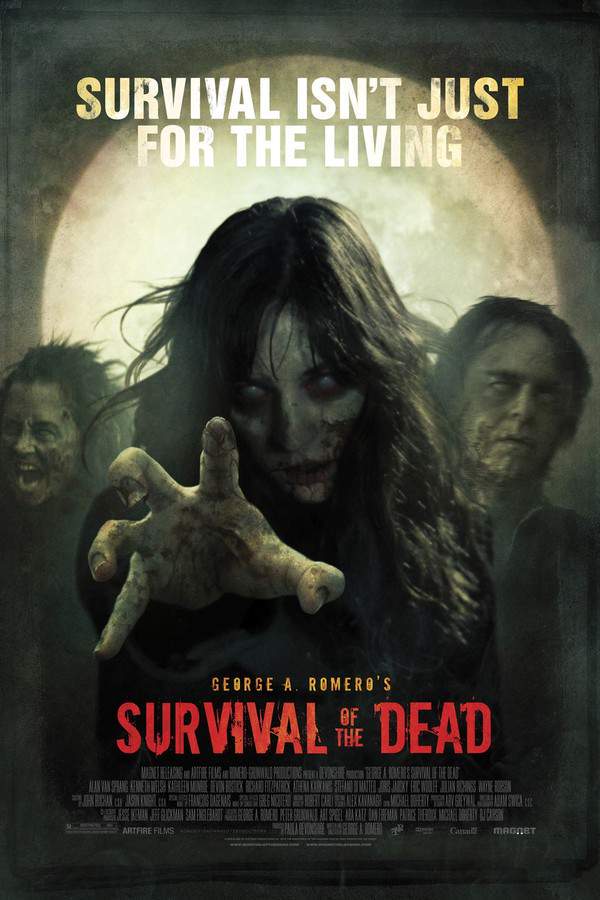
Survival of the Dead
2010

The Last Survivors
2014

The Last Survivors
2019
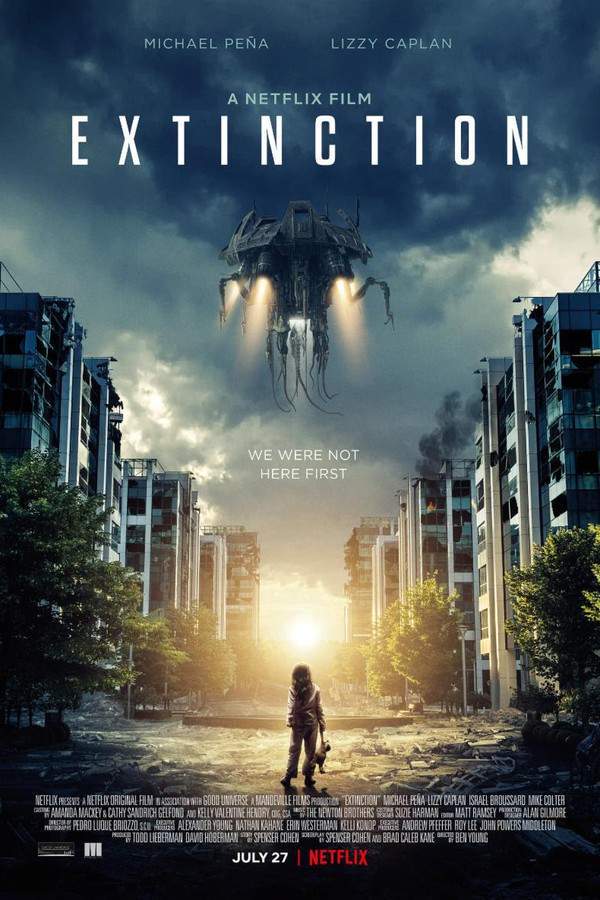
Extinction
2015
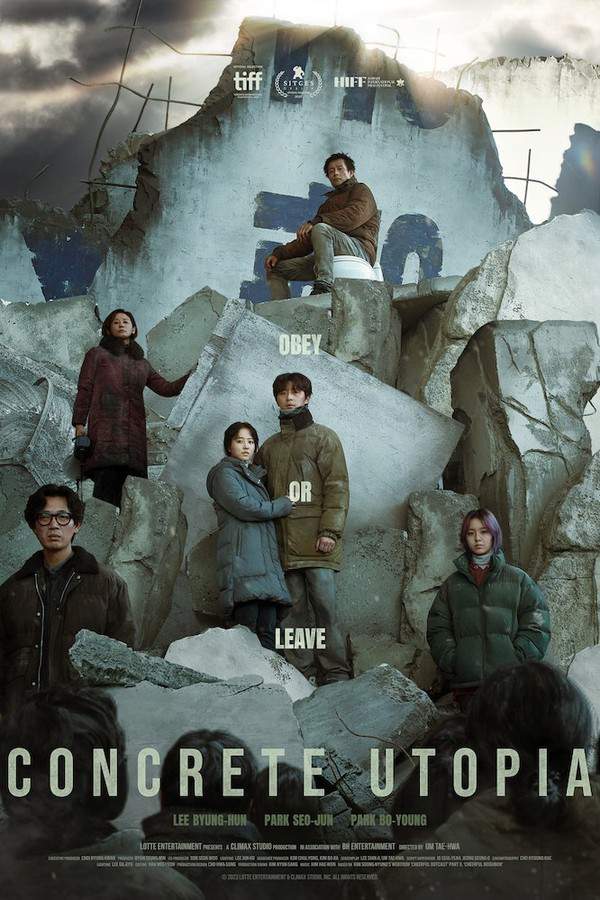
Concrete Utopia
2023

Where Have All the People Gone
1974
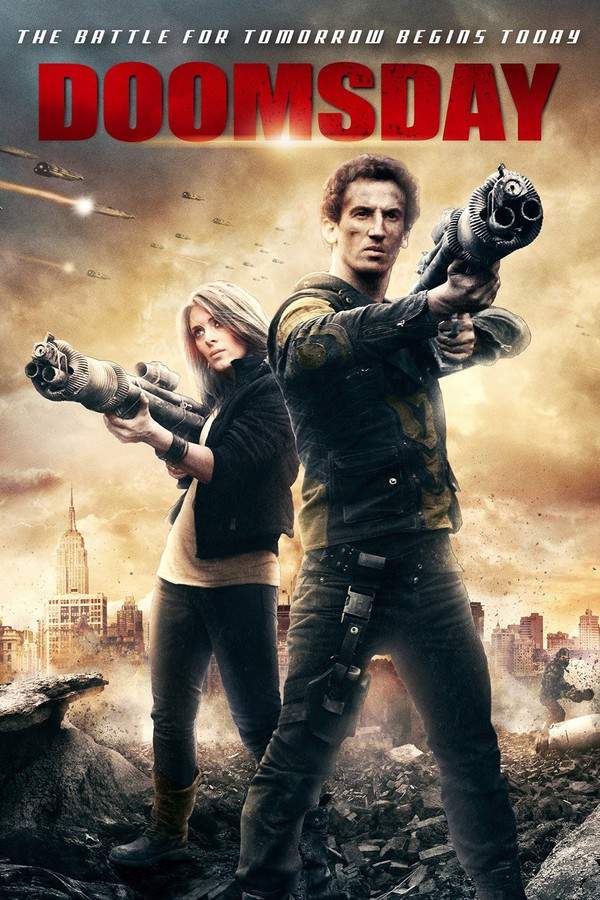
Doomsday
2008
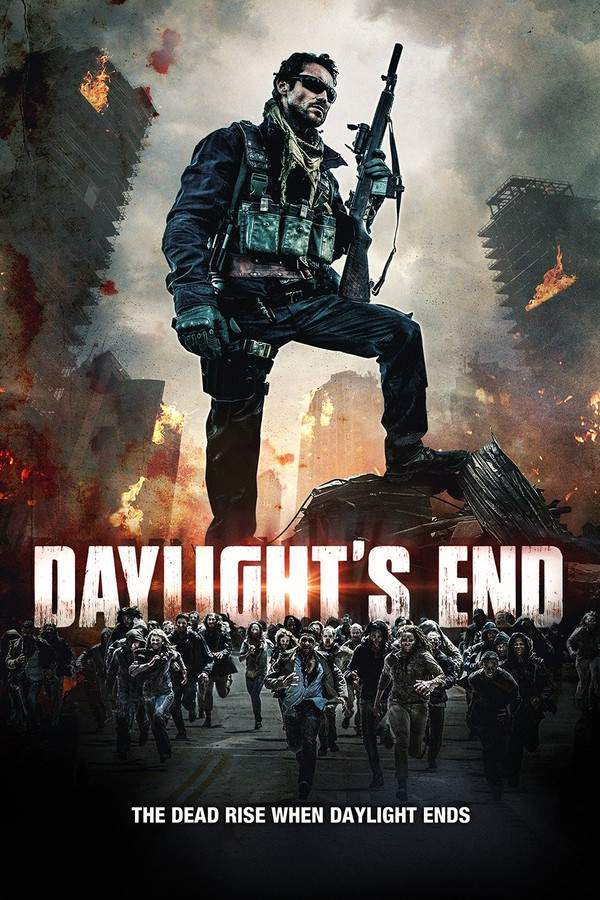
Daylight's End
2016

Apocalypse Z: The Beginning of the End
2024

Mutant World
2014
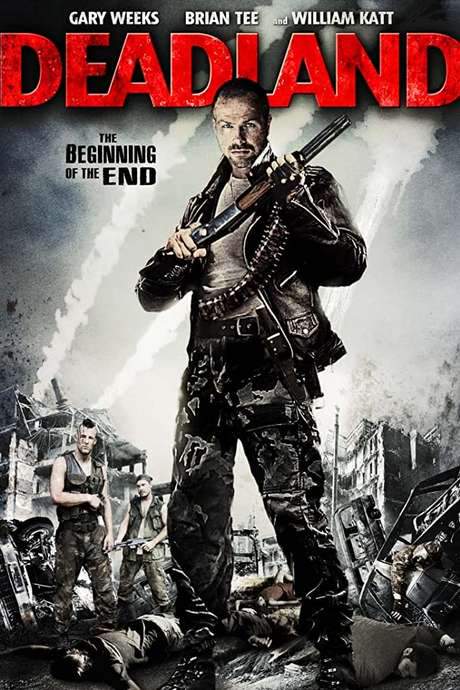
Deadland
2009

World Gone Wild
1987

Cold Prey
2006

The Burrowers
2008

Nightmare City
1980
Narrative Summary
These stories typically follow groups establishing safe havens in dangerous worlds, dealing with resource scarcity, internal conflicts, and the constant threat of external dangers like zombies or other survivors. The narrative focuses on the challenges of maintaining humanity when society collapses.
Why These Movies?
Movies in this thread share a focus on community dynamics in survival scenarios, exploring how people organize, cooperate, and sometimes betray each other when civilization falls. They blend action with social commentary about human nature under extreme pressure.
Relentless undead siege movies like Dead Season
Stories of survivors making desperate stands against endless hordes of the undead. Fans of Dead Season's defensive battles against zombie hordes will appreciate these similar films featuring desperate last stands and community defense scenarios. These movies capture the tension and action of holding ground against impossible odds.

Rise of the Zombies
2012

Zone of the Dead
2009

Zombie Apocalypse
2011
Survival of the Dead
2010

Zombie Apocalypse
2010

Death Valley: The Revenge of Bloody Bill
2004
Nightmare City
1980

War of the Dead
2011
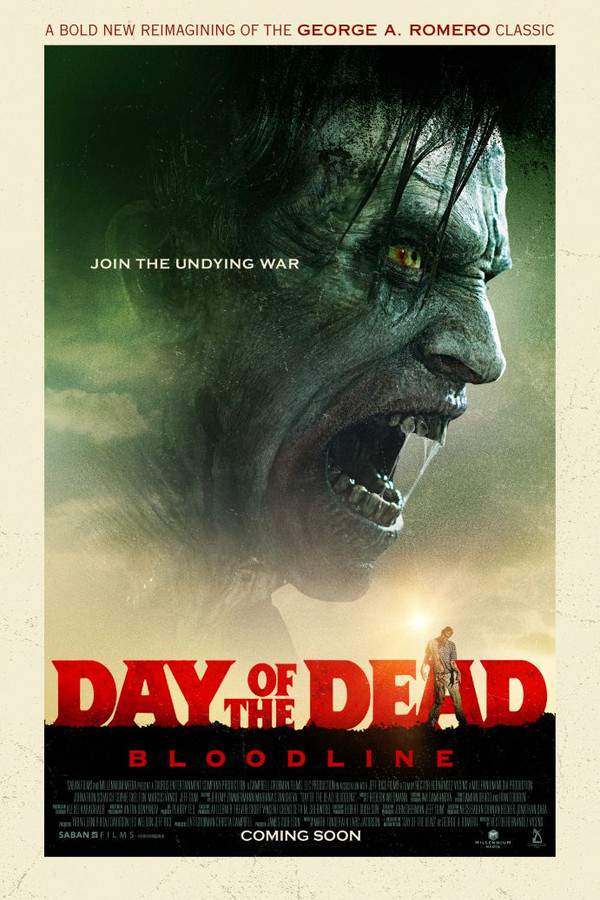
Day of the Dead: Bloodline
2018

The Dead Hate the Living!
1999
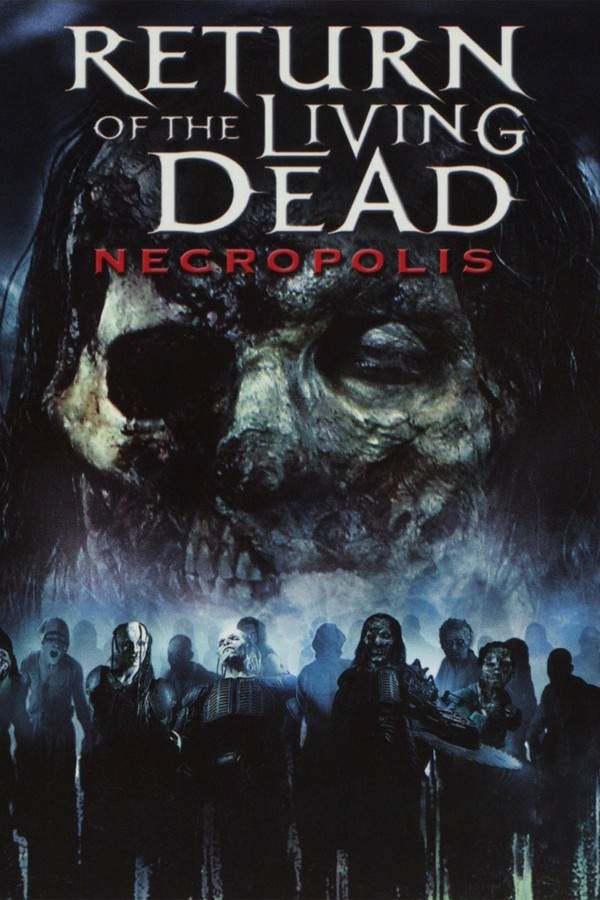
Return of the Living Dead: Necropolis
2005

Zombie Hunter
2013
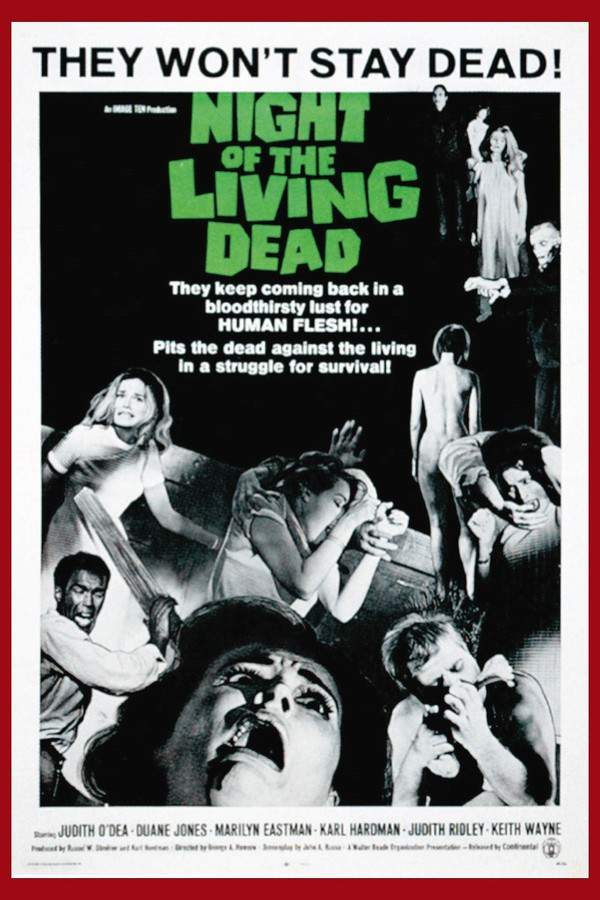
Night of the Living Dead
1990

Day of the Dead 2: Contagium
2005

13Hrs
2010
Narrative Summary
These narratives typically involve characters securing a location and defending it against waves of attackers, with escalating stakes and limited resources. The focus is on strategic planning, sacrifice, and the psychological toll of constant threat.
Why These Movies?
These films share the core experience of defensive survival against overwhelming forces, emphasizing tactical challenges, resource management, and the bond formed through shared struggle against an endless enemy.
Unlock the Full Story of Dead Season
Don't stop at just watching - explore Dead Season in full detail. From the complete plot summary and scene-by-scene timeline to character breakdowns, thematic analysis, and a deep dive into the ending - every page helps you truly understand what Dead Season is all about. Plus, discover what's next after the movie.
Dead Season Timeline
Track the full timeline of Dead Season with every major event arranged chronologically. Perfect for decoding non-linear storytelling, flashbacks, or parallel narratives with a clear scene-by-scene breakdown.

Characters, Settings & Themes in Dead Season
Discover the characters, locations, and core themes that shape Dead Season. Get insights into symbolic elements, setting significance, and deeper narrative meaning - ideal for thematic analysis and movie breakdowns.


