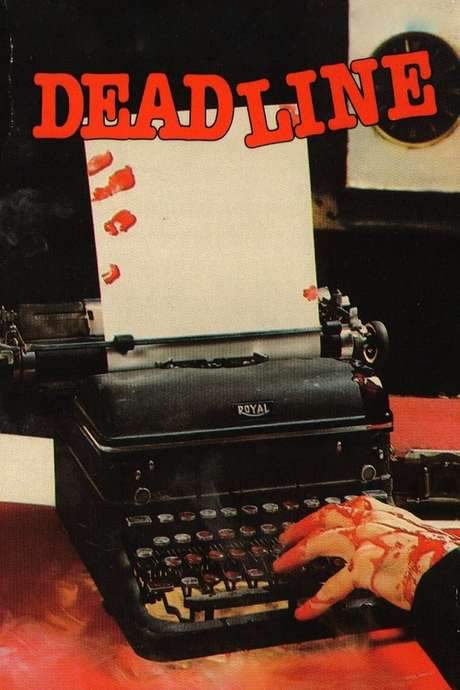
In the smoldering heart of 1970s Beirut, a city bruised by civil war, every street corner hums with the clatter of conflict and the whispered promise of stories yet untold. The volatile mix of militia checkpoints, foreign interests, and a population caught between hope and hopelessness creates a backdrop that feels both intimate and explosively chaotic, a place where truth is as dangerous to possess as it is coveted.
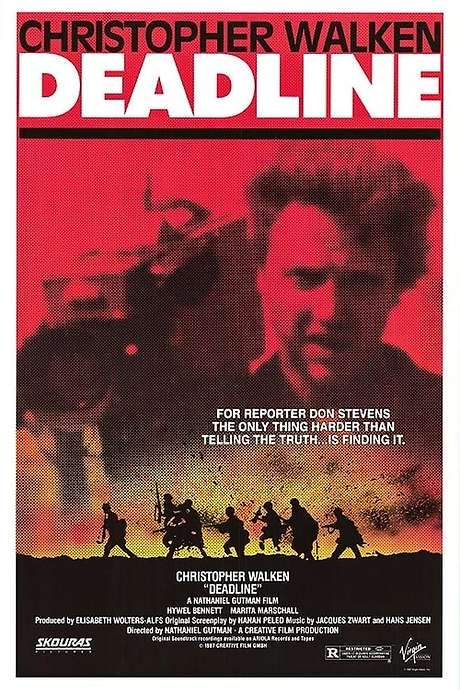
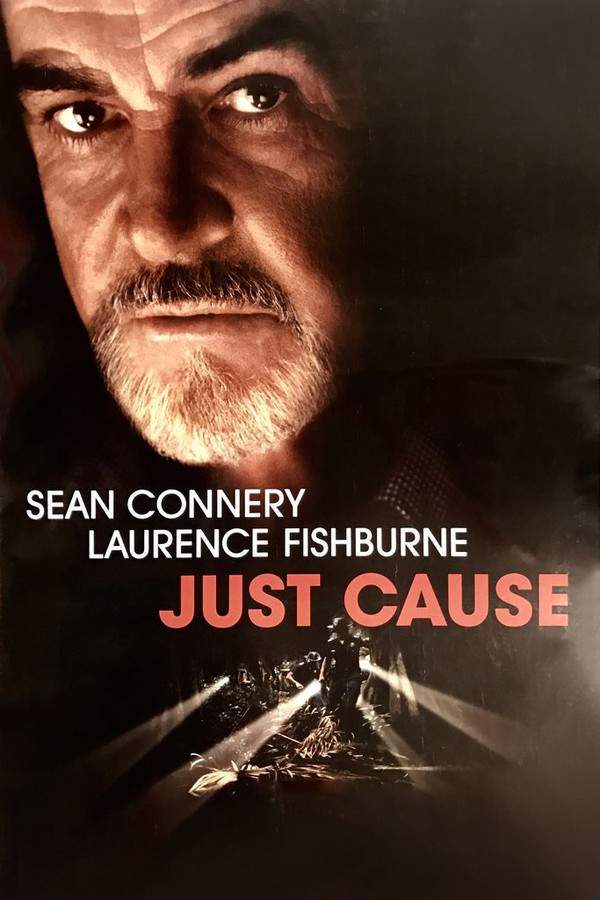
Don Stevens arrives as an ace reporter—an American journalist whose weapon is not a gun but a notebook and an unyielding curiosity. Known for his relentless pursuit of the facts, he carries the weight of a reputation built on hard‑won scoops and an instinct that tells him when a story is being spun. In a world where alliances shift as quickly as the city’s skyline, his dedication to uncovering what lies beneath the surface makes him both a magnet for information and a target for those who would prefer it stay hidden.
A promised interview with a senior PLO figure, Yassin Abu‑Riadd, seems to be the scoop that could define the season, but the encounter quickly proves to be a carefully constructed ruse, feeding Stevens false information that threatens to derail his quest for clarity. Along the way he is joined by Mike Jessop, a fellow English journalist whose own perspectives echo the tense atmosphere, and Linda, a Scandinavian doctor whose personal ties to the region add an unexpected layer of compassion and insight. Their uneasy partnership underscores the film’s focus on human connections forged amid uncertainty.
The tone remains a gritty, journalistic thriller, punctuated by the ever‑present danger of a city on the brink. As Stevens navigates a maze of rumors, denials, and half‑truths, the audience is invited to share his restless drive to separate fact from fabrication, all while the shadows of war loom large. In a story where the hero wields words instead of weapons, the real danger lies in what remains unsaid, and the film teases the promise that a single, hard‑won truth can change everything.