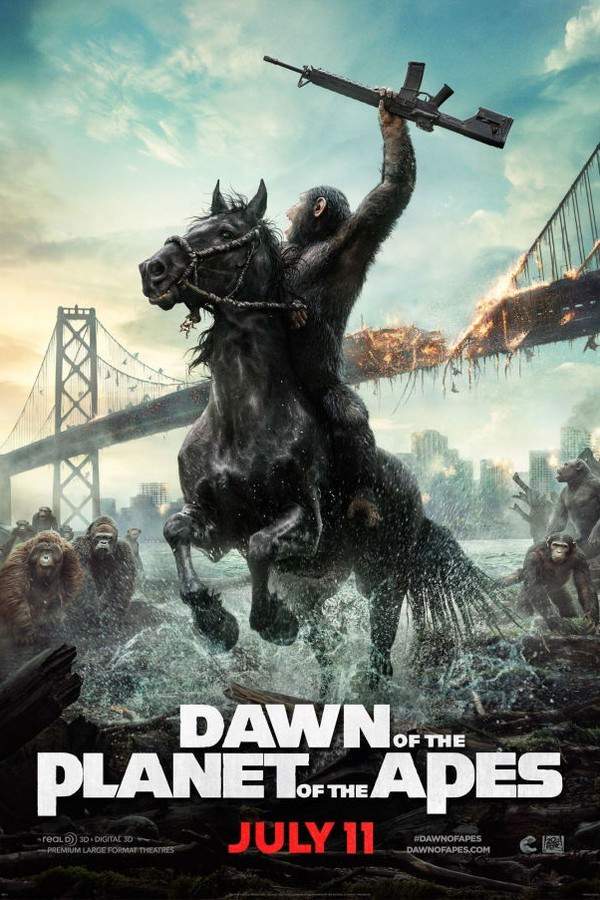
In a post-apocalyptic world decimated by a human-made virus, a new generation of apes emerges, led by the intelligent chimpanzee, Caesar. He establishes a flourishing colony in Muir Woods, striving to protect his people. However, the dwindling number of human survivors complicates matters, forcing Caesar to confront a difficult choice: can he foster a fragile peace and understanding between apes and humans, or will old prejudices and fears lead to conflict and destruction?
Find where to stream, rent, or buy Dawn of the Planet of the Apes (2014) in the US with current JustWatch availability, up-to-date pricing, and platform listings for subscription, rental, and digital purchase options.
Warning: spoilers below!
Haven’t seen Dawn of the Planet of the Apes yet? This summary contains major spoilers. Bookmark the page, watch the movie, and come back for the full breakdown. If you're ready, scroll on and relive the story!
Trace every key event in Dawn of the Planet of the Apes (2014) with our detailed, chronological timeline. Perfect for unpacking nonlinear stories, spotting hidden connections, and understanding how each scene builds toward the film’s climax. Whether you're revisiting or decoding for the first time, this timeline gives you the full picture.
Last updated: November 21, 2024 at 11:30
Find frequently asked questions about the Dawn of the Planet of the Apes (2014) timeline, including chronological order, nonlinear jumps, cause-and-effect links, and scene sequence clarifications. This timeline FAQ helps explain when key events happen, how moments connect, and why the story unfolds in that specific order.
Koba betrays Caesar because he harbors deep-seated hatred toward humans due to his traumatic past as a laboratory experiment. Unlike Caesar, who lived with a human family and learned to trust some humans, Koba was subjected to cruel scientific testing that left him permanently scarred. When Caesar allows humans to work on the dam and treats them with compassion, Koba views this as a betrayal of their own kind. He sees the humans as a threat and believes Caesar is prioritizing their welfare over the safety of the ape colony.
Koba's animosity toward humans is established early when he confronts Caesar about showing weakness toward the humans, citing his own painful experiences in the lab.
Caesar permits the humans to work on the dam because Malcolm convinces him that cooperation benefits both species. Malcolm argues that once the dam is operational, the humans will have no reason to stay in ape territory, and they can return to their own settlement. Caesar also sees an opportunity to prove that apes and humans can coexist peacefully, believing that trust and understanding could prevent future conflict. He demands they surrender their weapons as a condition of entry.
This decision reflects Caesar's philosophy from the first film, that apes and humans can live together if given a chance.
Koba orchestrates a complex scheme to make it appear the humans attacked the apes. He sneaks into the human armory at Fort Point, murders two guards, and steals a gun. During a festive gathering at the ape settlement, Koba sets fire to the buildings, creating chaos. He then attacks Caesar with the stolen gun, seriously wounding him, and makes it look like a human committed the assault. This deception rallies the apes to follow him in an all-out war against the humans.
Earlier scenes show Koba secretly visiting the armory and watching the humans with suspicion, establishing his willingness to take extreme action.
Dreyfus detonates the explosives at the tower because he sees it as his only option to stop Koba and the apes after they've captured San Francisco. Having lost his settlement and many of his people, Dreyfus makes a desperate final stand. He rigs the tower with explosives and triggers the detonation while confronting Koba, sacrificing himself in the explosion. His goal is to eliminate Koba and as many apes as possible, even at the cost of his own life.
Dreyfus was established as a hardened survivor who distrusted apes from the beginning, always advocating for military preparedness rather than diplomacy.
Caesar chooses not to intervene when Koba falls to his death because he has already made a profound decision about his kind's future. After everything Koba has done, betraying him, starting a war, and murdering innocent apes and humans, Caesar cannot bring himself to save someone who caused so much suffering. Additionally, by letting Koba fall, Caesar removes the threat permanently and demonstrates that ape-on-ape violence will not be tolerated. The moment represents Caesar's painful acceptance that some conflicts cannot be resolved through mercy.
Their earlier confrontation in the forest showed Caesar defeating Koba but refusing to kill him, setting up the tension for their final encounter.
Ash, Rocket's young son, is killed by Koba during the assault on San Francisco because he bravely resists Koba's tyrannical rule. When Koba takes control of the ape army and leads the attack on the human settlement, Ash refuses to follow his orders. Koba executes Ash publicly as a warning to any ape who might challenge his authority. Ash's death represents the tragic loss of innocence and the cost of Koba's violent power grab, hardening the conflict between the two factions.
Ash is introduced as a curious young ape whose encounter with Carver first sparked tensions between humans and apes.
Peace fails because both sides harbor deep-seated fears and mistrust that escalate into violence. Koba's personal trauma and hatred for humans drive him to sabotage the peace process, while Dreyfus represents human survivors who see apes as a threat to their survival. The discovery of Carver's hidden gun gives Caesar's enemies ammunition to question his judgment, while the humans' arming themselves signals hostile intent to the apes. Once Koba frames the humans for attacking Caesar, the cycle of violence becomes unstoppable.
The film's opening establishes the precarious nature of the truce, with both sides viewing the other with suspicion.
Caesar survives because Malcolm's family finds him gravely wounded in the chaos of the attack and rescues him. After Koba seemingly kills Caesar and frames the humans, Malcolm's family discovers Caesar unconscious and bleeding. They secretly transport him back to their old home in San Francisco to provide medical care. While recovering, Caesar is hidden from both the humans and the apes, allowing him to heal and eventually return to confront Koba.
The scene where Koba attacks Caesar shows Caesar being struck with the gun, but the film leaves his fate ambiguous initially.
Malcolm warns Caesar that a large human military force is approaching and will attack the ape stronghold within hours. After Dreyfus's sacrifice and Koba's defeat, Malcolm learns that the human army has been contacted and is mobilizing to retake San Francisco from the apes. Malcolm rushes to deliver this critical warning to Caesar, knowing that the apes must prepare for war or face annihilation. This warning marks the bittersweet ending, Caesar survives and rallies his people, but the hope for peace is extinguished by imminent warfare.
Dreyfus's earlier communications with a military base set up this inevitable threat.
Blue Eyes initially distrusts Malcolm but eventually helps him because he realizes Malcolm genuinely cares about his father. When Malcolm returns to his old home in San Francisco to find medical supplies for Caesar, he encounters Blue Eyes. After some hesitation, Blue Eyes sees that Malcolm is not a threat and instead sees an opportunity to find his father, who he believes to be dead. Together, they journey to locate Caesar, and upon learning his father is alive, Blue Eyes facilitates their reunion.
Blue Eyes appears early in the film as Caesar's son who questions his father's decisions about trusting humans.
Koba hates humans because he was cruelly experimented on in a laboratory before Caesar freed him in the first film. Unlike Caesar, who was raised by kind humans and learned to distinguish between good and bad humans, Koba experienced only torture and suffering at human hands. His entire existence was defined by pain, confinement, and exploitation, making it impossible for him to trust any human. This trauma creates his unwavering belief that humans will always be a danger to apes and must be destroyed.
Koba's hatred is visible from the beginning when he questions Caesar's compassion toward humans during the initial negotiations.
The tower confrontation serves as the climactic battleground where the war between apes and humans reaches its peak. Dreyfus rigs the tower with explosives to make a final stand against Koba and the apes. The location becomes symbolic, Dreyfus uses the last of human technology and desperation, while Koba's forces swarm the structure. When Dreyfus detonates the explosives, it creates chaos that enables Caesar to finally confront Koba. The tower's collapse represents the destruction of both sides' old world and the beginning of a new, hostile reality.
Dreyfus's secret preparations at the armory foreshadow his desperate plan to use explosives against the apes.
Caesar delivers an impassioned speech to rally his apes for the impending battle against the human army, emphasizing strength, unity, and the defense of their home. He appeals to the apes' pride and collective identity, urging them to fight not out of hatred but to protect everything they have built in the Muir Woods. The speech represents Caesar's transformation from a leader seeking peace to one prepared for war, acknowledging that their survival depends on resisting the human forces.
Earlier moments showed Caesar struggling with the weight of leadership and the impossible choice between peace and conflict.
Discover curated groups of movies connected by mood, themes, and story style. Browse collections built around emotion, atmosphere, and narrative focus to easily find films that match what you feel like watching right now.
Stories where a delicate truce is threatened by old hatreds and betrayal.If the tense, high-stakes diplomacy in Dawn of the Planet of the Apes captivated you, explore these movies like it. This collection features similar sci-fi and drama stories where a fragile peace between factions is tested, leading to grim conflicts and bittersweet endings.
Narratives in this thread typically begin with a hard-won truce that is immediately put under strain. Key characters act as mediators, but their efforts are sabotaged by extremists on both sides who cling to fear and prejudice. The story structure follows the tragic collapse of diplomacy, often escalating into a full-scale conflict that neither side truly wins.
Movies are grouped here for their shared focus on the delicate dynamics of peace-building. They feature similar tones of tense anxiety, themes of tribalism and leadership under pressure, and a narrative drive towards a grim, often bittersweet conclusion where war proves tragically unavoidable.
Stories set after civilization's fall, focusing on rebuilding and new conflicts.For viewers who enjoyed the world-building and societal conflict in Dawn of the Planet of the Apes, this list features similar post-apocalyptic movies. Discover other action and drama stories about survival, tribal dynamics, and the difficult birth of new civilizations after the end of the world.
These stories explore the power vacuum and ideological clashes that follow a major apocalypse. They often depict the conflict between a desire for a peaceful, cooperative new beginning and the harsh realities of scarcity, fear, and the will to dominate. The journey involves establishing order, confronting internal and external threats, and questioning what it means to be civilized.
These films are united by their shared setting and thematic concerns. They possess a gritty, oppressive atmosphere, explore themes of leadership, tribalism, and survival, and deliver a viewing experience marked by high stakes and the heavy emotional weight of building a future amidst ruins.
Don't stop at just watching - explore Dawn of the Planet of the Apes in full detail. From the complete plot summary and scene-by-scene timeline to character breakdowns, thematic analysis, and a deep dive into the ending - every page helps you truly understand what Dawn of the Planet of the Apes is all about. Plus, discover what's next after the movie.
Read a complete plot summary of Dawn of the Planet of the Apes, including all key story points, character arcs, and turning points. This in-depth recap is ideal for understanding the narrative structure or reviewing what happened in the movie.
Discover the characters, locations, and core themes that shape Dawn of the Planet of the Apes. Get insights into symbolic elements, setting significance, and deeper narrative meaning - ideal for thematic analysis and movie breakdowns.
Discover movies like Dawn of the Planet of the Apes that share similar genres, themes, and storytelling elements. Whether you’re drawn to the atmosphere, character arcs, or plot structure, these curated recommendations will help you explore more films you’ll love.
Dawn of the Planet of the Apes (2014) Plot Summary & Movie Recap
Dawn of the Planet of the Apes (2014) Scene-by-Scene Movie Timeline
Dawn of the Planet of the Apes (2014) Spoiler-Free Summary & Key Flow
Movies Like Dawn of the Planet of the Apes – Similar Titles You’ll Enjoy
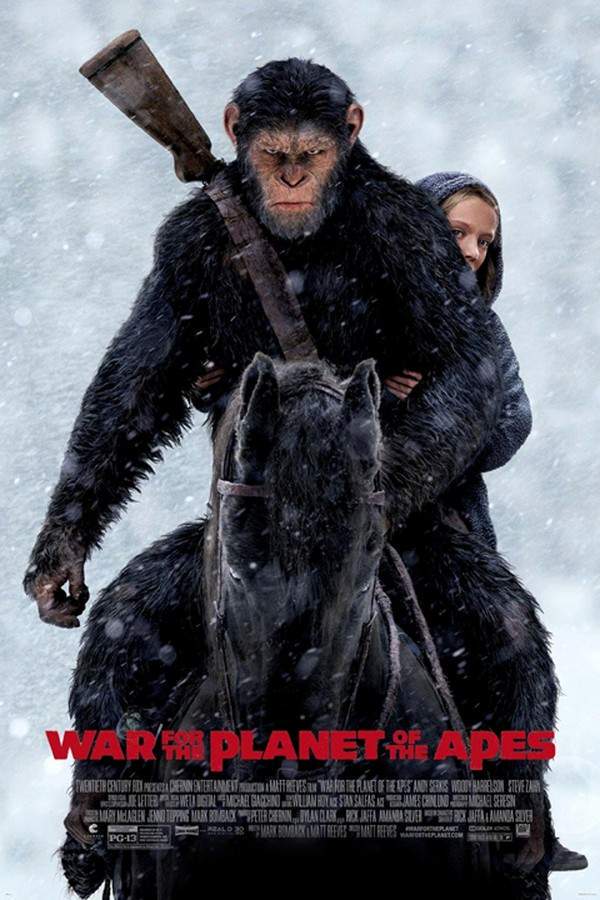
War for the Planet of the Apes (2017) Full Summary & Key Details
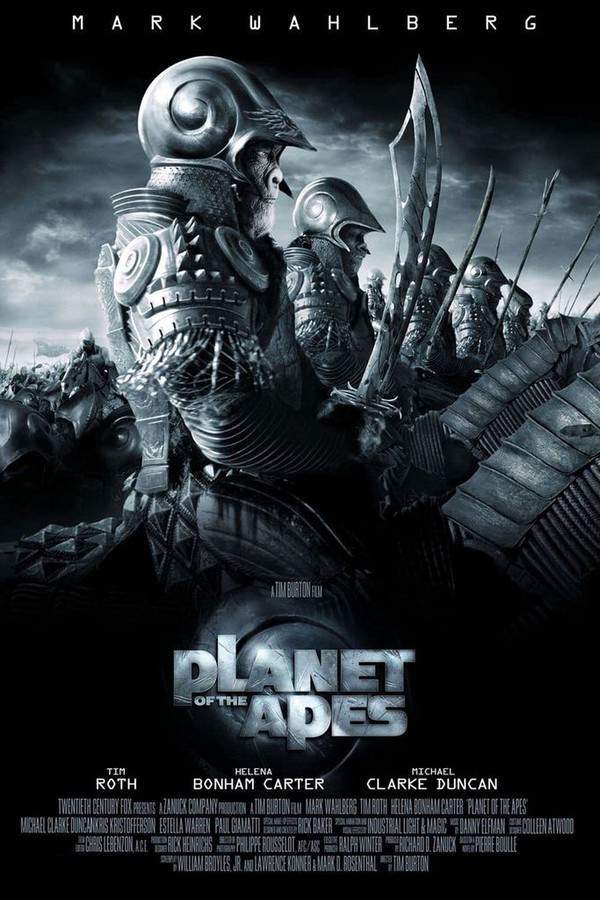
Planet of the Apes (2001) Ending Explained & Film Insights
Rise of the Planet of the Apes (2011) Ending Explained & Film Insights
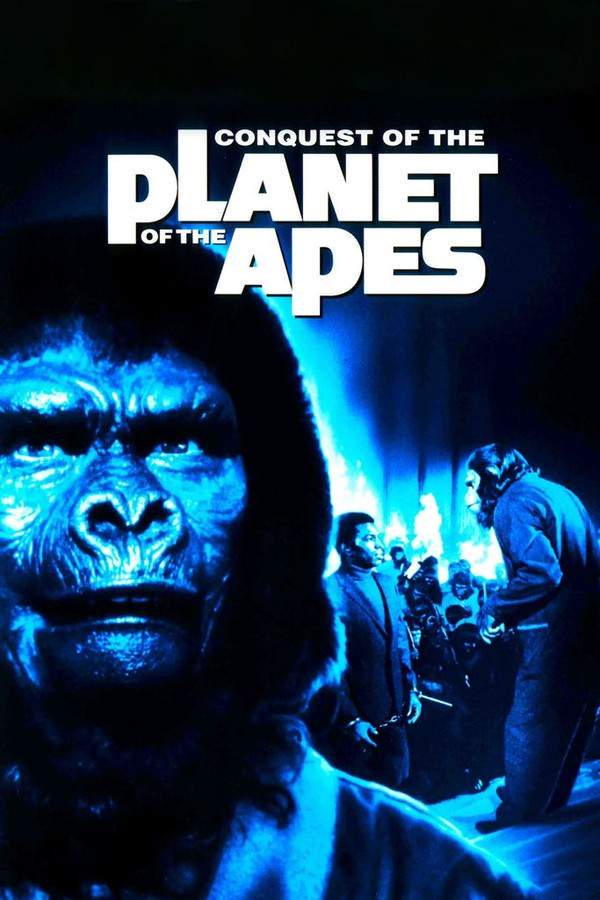
Conquest of the Planet of the Apes (1972) Detailed Story Recap
Escape from the Planet of the Apes (1971) Detailed Story Recap
Rampage (2018) Detailed Story Recap
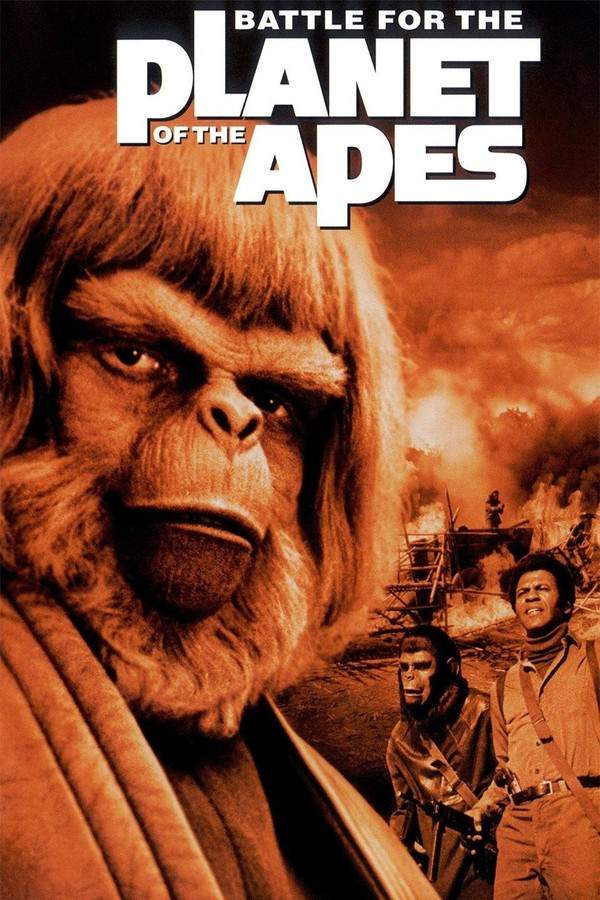
Battle for the Planet of the Apes (1973) Plot Summary & Ending Explained
Kingdom of the Planet of the Apes (2024) Plot Summary & Ending Explained
Rise of the Warrior Apes (2017) Movie Recap & Themes
Revolt of the Empire of the Apes (2017) Spoiler-Packed Plot Recap
Dawn of Humanity (2015) Complete Plot Breakdown
Back to the Planet of the Apes (1980) Complete Plot Breakdown
Life, Liberty and Pursuit on the Planet of the Apes (1980) Full Movie Breakdown
Farewell to the Planet of the Apes (1980) Movie Recap & Themes
Behind the Planet of the Apes (1998) Spoiler-Packed Plot Recap