Plot Explained Spoilers guaranteed!
Plot Explained

Browse by genre

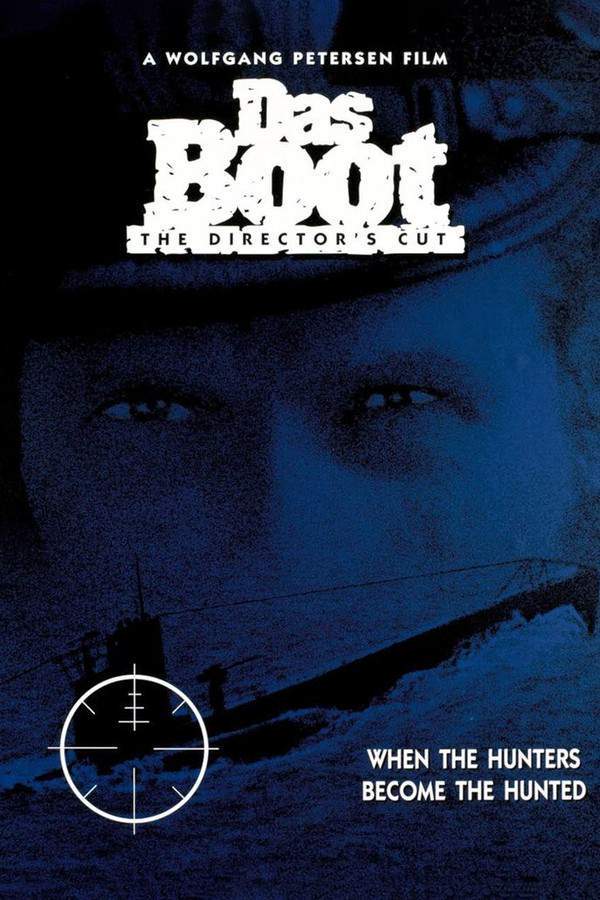
Das Boot (1982) movie poster

Plot Summary

Das Boot (1982) Plot Summary Explained

Release, runtime and language
1982 · 149 min · German
Loading streaming availability…
Directed by
Wolfgang Petersen
Starring
Jürgen Prochnow

In 1942, during the "Battle of the Atlantic," the crew of a German U-boat faces intense pressure as Allied destroyers become increasingly effective. Confined within the cramped submarine, the sailors must endure the psychological and physical hardships of war while struggling with the demands of a totalitarian regime that expects unwavering loyalty and immense sacrifice. The relentless pursuit and constant threat of discovery create a tense and claustrophobic environment.

On this page (7)
  1. 1 Where to watch
  2. 2 What happens: full plot
  3. 3 Plot questions answered
  4. 4 The book behind the movie
  5. 5 Movie threads
  6. 6 Movies like Das Boot
  7. 7 Every angle
Loading streaming availability…

Full plot summary · contains spoilers

What Happens in Das Boot: Full Plot Summary

The whole story of Das Boot (1982) explained, from the opening scene to the final frame: every key event, every twist and what it all adds up to. Read it as a quick recap before the sequel, to check a scene you missed, or to finally understand what really happened.

The narrative unfolds through the eyes of Lt. Werner (Herbert Gronemeyer), a war correspondent assigned to the German submarine U-96 during October 1941. His journey begins in a lively French nightclub where he first encounters the submarine's rugged captain, Captain (Jürgen Prochnow), and the other crew members. The captain, a seasoned professional at just 30, is characterized by his battle-hardened demeanor as well as a sympathetic nature. He candidly expresses his disdain for the war’s management and shares his frustrations with Werner, noting that many of his crew are merely boys, caught up in a conflict they do not fully comprehend.

Among the crew is Chief Engineer ([Klaus Wennemann]), a 27-year-old man burdened by concern for his wife, particularly in light of the distressing news of a British air raid that has struck Cologne. Another captain, Thomsen ([Otto Sander]), a member of "The Old Guard," delivers a drunken speech to boast about his Ritterkreuz award, all while lamenting the effects of war on his sanity. Thomsen’s character embodies the harsh reality of an alcohol-riddled and shell-shocked U-boat commander, and his crude mockery of Hitler onstage adds a layer of dark humor to the grim circumstances.

The crew is a diverse mix, including the first watch officer, a rigid young man named Hubertus Bengsch, who upholds strict Nazi ideologies and maintains meticulous grooming—a stark contrast to the majority of the crew who adopt a more relaxed approach. In stark opposition is Martin Semmelrogge, the second watch officer, known for his vulgar humor and light-hearted demeanor. He is tasked with deciphering messages using the Enigma code machine, adding a comedic, yet critical perspective to the crew’s grim duties.

Chief Helmsman Kriechbaum ([Bernd Tauber]) remains skeptical and uninspired during their daunting journey, while Chief Mechanic Johann ([Erwin Leder]) has an almost obsessive affection for U-96's engines. The crew includes Senior Cadet Ullmann ([Martin May]), who juggles his duties with the worry of his pregnant fiancée, alongside Petty Officer Hinrich ([Heinz Hoenig]), who fulfills multiple roles including that of the ship's combat medic. The atmosphere aboard U-96 is tense but laced with camaraderie as the crew navigates the pressures of a dangerous world under the sea.

As U-96 prepares to set sail from the harbor of La Rochelle, the crew receives an enthusiastic farewell from cheering crowds and a band. Werner is given an informative tour of the submarine, and as they venture into the ocean, he observes the stark contrast in mindset between the new recruits and the seasoned veterans. Tensions heighten when the crew receives reports of an enemy convoy, sparking excitement that soon turns into anxiety as they face their first run-in with a British destroyer—an encounter that nearly ends in disaster as they are bombarded with depth charges.

After a grueling stretch of bad luck, they finally strike success against a British convoy, launching torpedoes that sink two ships. However, their victory is marred by horror; amidst enemy fire, they must confront the chilling consequences of warfare when they witness sailors struggling in the water after their vessel is destroyed.

With aspirations of returning home for Christmas, the crew’s hopes are dashed when orders redirect them to La Spezia, Italy, which entails a perilous passage through heavily guarded waters. A clandestine meet-up occurs with the SS Weser, a German merchant ship that aids U-96 with supplies. Just as they prepare to dive beneath the waves, a sudden attack by a British fighter plane injures the navigator, forcing their hand to evade the approaching British fleet.

Following a harrowing day spent submerged and fighting mechanical failures, they manage to surface after nearly exhausting their oxygen supply, desperately limp back under the cover of night. Yet, their homecoming is overshadowed by tragedy; their arrival in La Rochelle leads to a sudden air raid, resulting in the loss of dear crew members and the injury of many others.

As the dust settles, a devastating scene unfolds when Werner finds the captain, gravely wounded and witnessing the sinking of U-96. The captain’s collapse serves as a chilling end to a story filled with courage, despair, and camaraderie amidst the chaos of war, leaving Werner reeling, haunted by the horror and destruction surrounding him.
Last updated: May 26, 2025 at 22:02

Was this helpful?

Plot questions answered

Das Boot Plot Explained: Your Questions Answered

The questions people ask most about Das Boot (1982): what happens in the confusing scenes, why the characters do what they do, the twists, hidden details and what the ending means. Each answer contains spoilers.

Q1

Why is the captain so critical of the war and the Nazi regime?

The captain, despite being a skilled and respected commander, openly expresses disdain for how the war is being managed. He recognizes that many of his crew are merely boys who don't fully understand the conflict they've been thrust into. His cynicism stems from his professional understanding of naval warfare and his awareness of the futility of the missions assigned to the U-boats. This anti-Nazi stance creates a fascinating tension aboard the submarine, where a commander must lead men in service of a regime he privately despises.

Foreshadowing: Early in the film, the captain's critical remarks about the war's management foreshadow his later moral compromises and the ultimate futility of their mission.

  • captain
  • u-boat
  • nazi regime
  • criticism
  • world war 2
Q2

Why doesn't the captain rescue the British sailors swimming in the water after sinking their ship?

The captain explicitly states they have orders not to take prisoners, which means they cannot pick up survivors from the water. Picking up enemy sailors would compromise their mission and potentially reveal their position to the pursuing British destroyer. This moment forces the crew to distance themselves from the burning tanker while watching desperate men drown, a decision that haunts them and highlights the brutal moral calculus of submarine warfare where humanity must be sacrificed for survival.

Foreshadowing: Earlier scenes establishing the constant threat of depth charges and discovery create the context for this impossible choice.

  • moral dilemma
  • rescue
  • british sailors
  • orders
  • world war 2
Q3

What happens to Chief Mechanic Johann during the depth charge attack?

During an intense depth charge attack, Chief Mechanic Johann succumbs to panic and must be physically restrained by his fellow crew members. This psychological breakdown occurs as the submarine sustains heavy damage and the crew fights desperately to keep the vessel afloat. Johann's panic highlights the immense psychological toll of submarine warfare, where crews are trapped in a confined space with relentless threats of death. His breakdown contrasts with the otherwise professional demeanor of the crew, showing how even the most dedicated men can crack under sufficient pressure.

Foreshadowing: The film establishes early on that Johann has an almost obsessive affection for U-96's engines, making his loss of composure when those very engines threaten to kill them more poignant.

  • johann
  • panic
  • depth charges
  • psychological breakdown
  • u-boat crew
Q4

What happens to the captain at the end of the film?

After the devastating bombing raid on La Rochelle, Werner discovers the captain gravely wounded and near death. The captain witnesses U-96 sinking at the dock, a vessel he loved and commanded through countless dangerous missions. This tragic ending sees the seasoned commander, who had survived the intense pressures of submarine warfare, ultimately destroyed not by enemy depth charges but by an air raid on port. His death symbolizes the indifferent randomness of war and leaves Werner traumatized by the loss.

Foreshadowing: Throughout the film, the captain's expressed disdain for the war and his belief that his crew are boys caught in a conflict they don't understand foreshadow his ultimate inability to protect them.

  • captain
  • death
  • final moments
  • u-96
  • sinking
  • la rochelle
Q5

Why does the bombing of La Rochelle happen on Christmas Eve?

The Royal Air Force bombs La Rochelle on Christmas Eve just as U-96 returns to port after its grueling mission. This timing creates a devastating twist, the crew, who had hoped to reunite with their loved ones and had aspirations of returning home for Christmas, instead witnesses the death of fellow crew members at the dock. The bombing underscores the pervasive nature of war, showing that even when the men survive the dangers of the ocean, they are not safe from the conflict's randomness. This tragic homecoming cements the film's bleak outlook on the futility of their sacrifice.

Foreshadowing: The crew's earlier hope to return home for Christmas highlights the cruel irony of this event.

  • christmas
  • bombing
  • la rochelle
  • christmas eve
  • return home
Q6

What makes the U-boat crew's situation so psychologically demanding?

The crew faces relentless psychological pressure from multiple sources: the constant threat of depth charges that could destroy them at any moment, the suffocating claustrophobia of the submarine's cramped interior, prolonged periods of boredom interrupted by sudden life-or-death situations, and the moral weight of killing enemy sailors. Additionally, they serve a Nazi regime many privately despise while worrying about families at home. The Chief Engineer's distress over news of the Cologne bombing exemplifies how the war reaches them even in the depths of the ocean. This combination of physical danger, isolation, and moral conflict creates unbearable psychological strain.

Foreshadowing: The varied character reactions, from Johann's panic to the captain's cynicism, demonstrate the different ways this psychological pressure manifests.

  • psychological toll
  • claustrophobia
  • u-boat
  • war stress
  • crew members
Q7

What is Werner's role on U-96 and why is he significant?

Lt. Werner is a war correspondent assigned to document the U-boat mission, providing the audience's perspective on the crew's experiences. Unlike the career military men, Werner is an outsider witnessing firsthand the realities of submarine warfare. His observations, particularly his horror at the moral dilemma of abandoning drowning sailors and his trauma at the captain's death, serve as the emotional spine of the narrative. Through Werner, the film explores how those not ideologically invested in the war must grapple with its brutal contradictions.

Foreshadowing: Werner's initial tour of the submarine establishes him as an observer whose perspective will guide the audience through increasingly traumatic events.

  • werner
  • war correspondent
  • observer perspective
  • lt werner
Q8

Why did German U-boat crews have orders not to take prisoners?

The explicit order not to take prisoners stemmed from Germany's submarine warfare strategy. Capturing survivors would compromise the submarine's mission by forcing them to surface and potentially reveal their position to enemy forces. It also reflected the brutal calculus of total war, where the survival of the crew and the success of the mission were prioritized over individual acts of mercy. This policy created profound moral dilemmas for crews like U-96, who had to witness drowning men without intervention, an experience that psychologically scarred many submarine warriors.

Foreshadowing: This policy directly leads to the moral dilemma scene where the crew must distance themselves from the burning tanker.

  • orders
  • prisoners
  • u-boat protocol
  • not take prisoners
  • world war 2
Q9

What happens to the navigator during the attack near Gibraltar?

A British fighter plane suddenly attacks U-96 while the submarine is approaching Gibraltar, resulting in injuries to the navigator. This unexpected aerial attack forces the crew to immediately dive for safety, abandoning their planned surface passage. The injury demonstrates the constant danger lurking just above the surface during their missions, as even a routine transit through contested waters could become lethal. The incident also creates additional pressure on the crew as they must manage a wounded crew member while evading the British fleet.

Foreshadowing: Earlier encounters with British destroyers establish the pattern of surface threats that culminate in this attack.

  • navigator
  • injury
  • gibraltar
  • british fighter plane
  • attack
Q10

What is the purpose of the secret rendezvous with SS Weser?

U-96 makes a covert night rendezvous with the German merchant ship SS Weser in Vigo, Spain, to resupply during their journey to La Spezia, Italy. This secret meeting highlights the logistical challenges faced by U-boats on extended missions. The contrast between the filthy, exhausted U-boat crew and the相对 luxury of the merchant ship underscores the strange circumstances of war. This resupply was crucial for their survival, as they were running low on fuel and provisions after their prolonged mission.

Foreshadowing: Earlier references to supply challenges and the grueling nature of their mission establish why this rendezvous becomes necessary.

  • ss werer
  • vigo
  • spain
  • secret rendezvous
  • resupply
  • u-boat
Q11

Why is the three-week storm such a significant event for the crew?

The grueling three-week storm tests the crew's resilience and morale to the breaking point. The intense weather creates additional hazards and discomfort in an already claustrophobic environment, while the prolonged bad luck and lack of success wear on their spirits. This extended period of hardship contributes to a sense of hopelessness and vulnerability among the men, setting up the emotional context for their eventual success against the British convoy. The storm represents the cumulative psychological weight of the mission beyond just combat encounters.

Foreshadowing: The contrast between this desperate period and their eventual torpedo success makes both more emotionally impactful.

  • storm
  • three week storm
  • weather
  • hardship
  • u-boat crew
  • morale
Q12

Why does the captain refer to his crew as "boys" who don't understand the war?

The captain repeatedly expresses frustration that many of his crew are young men who don't fully comprehend the conflict they've been swept into. At just 30 years old himself, he recognizes the disparity between his experience and that of the younger sailors. This observation reflects his paternal relationship with the crew and his awareness of the wastefulness of using inexperienced young men in such dangerous missions. His anti-Nazi stance compounds this concern, as he recognizes these boys are dying for a cause their commander privately believes is misguided.

Foreshadowing: This framing adds tragic weight to the deaths of crew members like Ullmann, who was worried about his pregnant fiancée.

  • captain
  • young crew
  • boys
  • inexperience
  • u-boat crew

Movie threads

More Movies Like Das Boot, by Mood & Story

Curated lists built around what makes Das Boot tick: the same mood, the same kind of story or the same emotional payoff. Each list explains why these movies belong together.

Claustrophobic survival thrillers like Das Boot

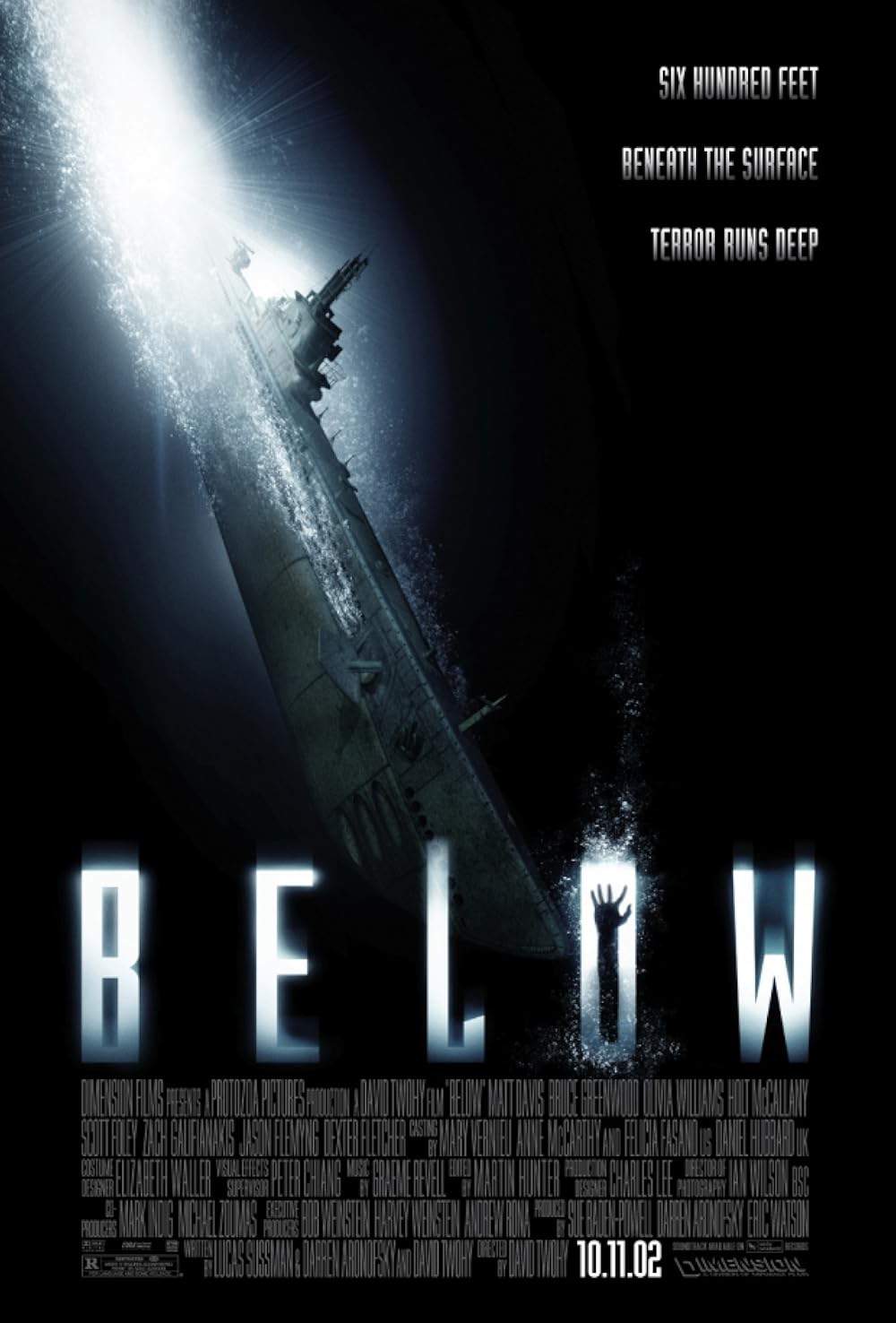
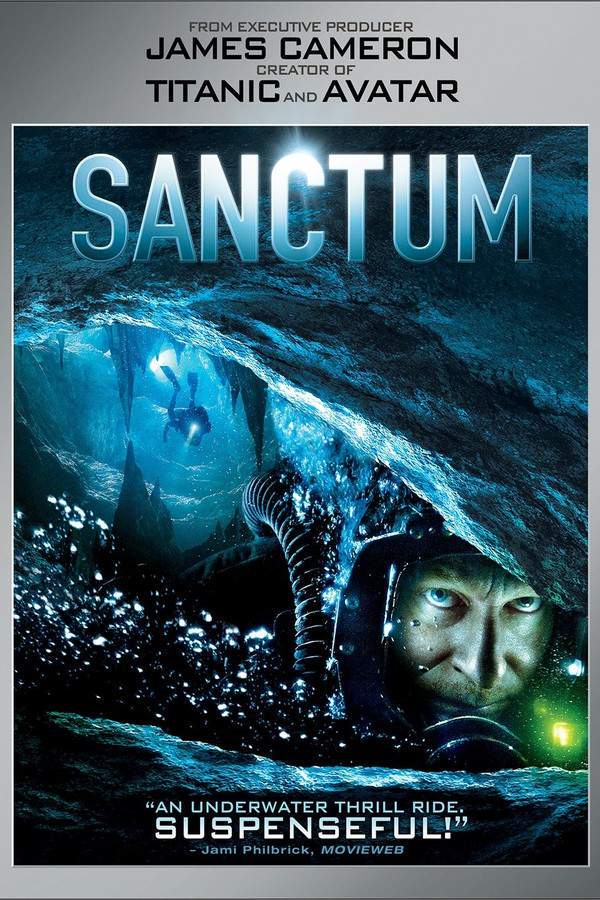
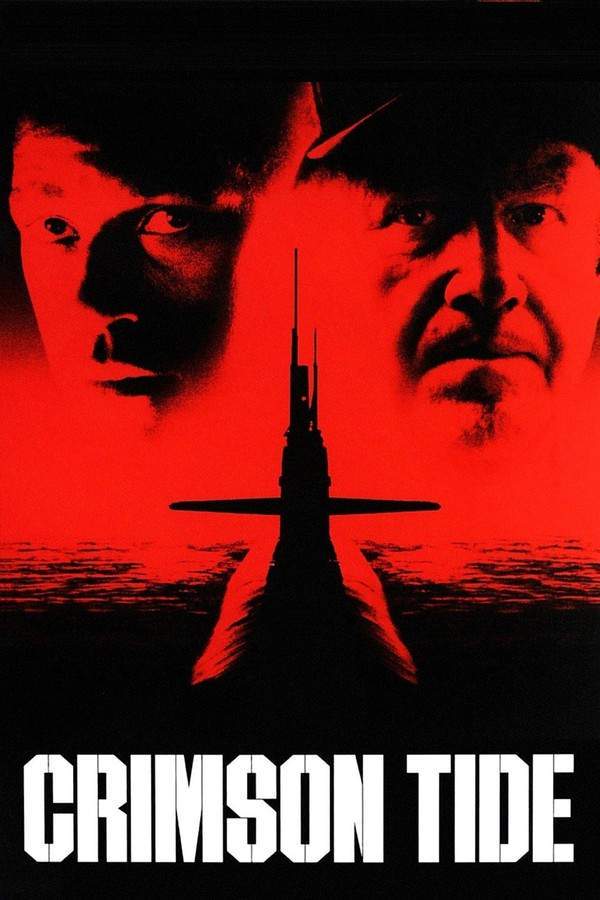
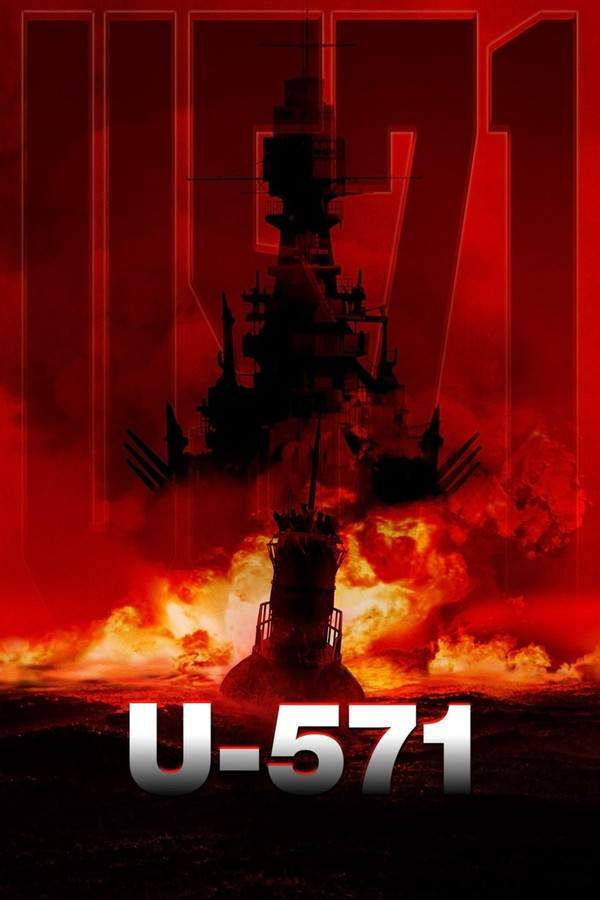
Characters trapped in oppressive spaces, battling external dangers and internal dread. If you liked the intense, confined pressure of Das Boot, explore more movies where characters are trapped in submarines, bunkers, or other tight spaces. These films create a similar vibe of psychological tension and physical survival, perfect for fans of high-stakes, immersive thrillers.

  • claustrophobic
  • tense
  • oppressive
  • anxious
  • harrowing
  • grim
  • Tone: tense, grim, anxious
  • Pacing: variable, with bursts of frantic action
Why these movies?

The story pattern: Stories in this thread typically follow a group or individual confined to a single, oppressive location, facing a relentless external threat. The narrative explores how prolonged confinement and the immediacy of danger erode morale, test camaraderie, and force characters to confront their deepest fears while fighting for survival.

Why they belong together: Movies are grouped here based on their shared use of a claustrophobic setting as a primary source of tension. They feature high-intensity scenarios where the environment itself is an antagonist, creating a consistent mood of anxiety, grim determination, and psychological strain.

Bleak and realistic anti-war movies like Das Boot

Stories that expose the psychological horror and futile sacrifice of war. For viewers who appreciated the grim realism and anti-war message of Das Boot, this section collects similar movies that portray the psychological toll and horrific reality of war. These films share a heavy emotional weight and a devastatingly bleak conclusion.

  • grim
  • harrowing
  • melancholic
  • bleak
  • psychological
  • brutal
  • Tone: bleak, melancholic, grim
  • Pacing: steady, character-driven
Why these movies?

The story pattern: The narrative pattern involves following soldiers or participants caught in the machinery of war, often serving a cause they question. The journey is one of gradual disillusionment, focusing on the erosion of spirit, the burden of camaraderie under fire, and the confrontation with meaningless death, typically culminating in a devastating or bittersweet ending that underscores the narrative's critical stance.

Why they belong together: These films are united by their shared anti-war sentiment, grim tone, and focus on the psychological and moral costs of conflict rather than its spectacle. They prioritize emotional honesty and a bleak, often heartbreaking, realism that leaves a lasting impact.

If you liked this

Movies Like Das Boot

Similar movies to Das Boot: the same genre, themes or kind of story. Each one comes with its own plot summary, timeline and ending explained.

Browse all movie summaries

Every angle

Das Boot (1982) Explained: Plot, Timeline & Characters

Everything about Das Boot in one place: what happens in the plot summary, the timeline in chronological order, the characters and meaning and a spoiler-free summary. What's After the Movie adds the cast, box office and post-credit scenes.

Coming soon on iOS and Android

The Plot Explained Movie Summary App

Plot summaries, endings explained and timelines on your phone. Catch up on any movie in minutes, save your favorites and never miss a twist again.

Be the first to know when we launch. Your email stays private, always.

Learn more about the app