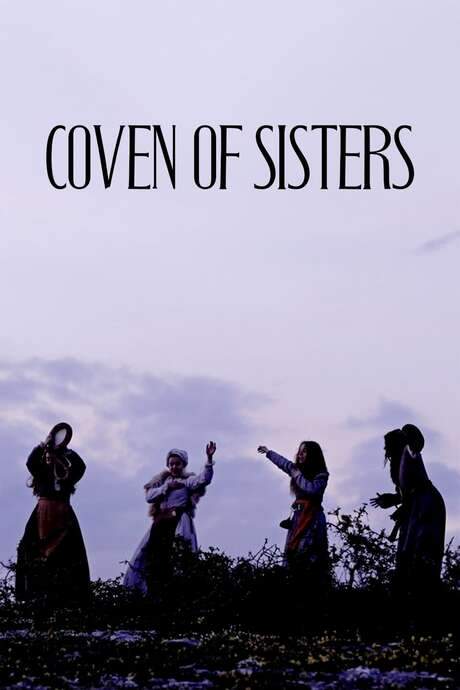
In 1609, deep in the Basque Country, a group of five teenagers are captured and hauled before the law after they celebrate a private gathering in the woods. The scene is set by a relentless pursuit of purity and fear, as Judge Rostegui, entrusted by the King to cleanse the region, presses for confessions about witchcraft and the so‑called akelarre—a ritual whispered to involve magical rites and the Devil himself. Even with no real evidence against them, the girls are subjected to coercive interrogation and torture as the judge pushes to uncover hidden truths.
As another friend is taken into custody, one of the girls, Ana, makes a startling claim: she is a witch who cast a spell on the others. Her confession is not merely admissions of guilt; it is a calculated move designed to buy time for an escape when the men of the village return from fishing. For an entire day, Ana spins a detailed, sinister version of a sabbath festivity—an inverted echo of the party they had shared—creating a carefully staged illusion that buys the girls precious hours.
Rostegui balks at proceeding with the execution, swayed by Ana’s insistence that her magic awakens only on full moon nights as she feels Lucifer’s calling. This argument sways him, and he hints at delivering every item needed for the sabbath, a move that sows distrust among his own men. Yet a warning from an ally makes it clear that after the full moon, the villagers will presumably regain control and the girls might finally be set free. Driven by ambition and superstition, Rostegui orders a rushed and ceremonial march into the woods, insisting on performing the sabbath exactly as Ana described.
In the woods, the girls respond with a quiet resistance. Recognizing their peril, Ana guides them through a dance and a performance that masquerades as witches’ rites, sung in the Basque language to signal their unity and defiance. Rostegui becomes fascinated, while the rest of his men and the village priest tremble at the sight of what they perceive as true magic. The ritual becomes a tension-filled standoff, a test of fear versus reality, as the girls use performance to withstand the search for confirmation of their guilt.
What follows is a tense pursuit that threads through forest shadows. Rostegui and his followers chase the group as the night grows thick with doubt and menace. The girls, practical and resolute, find themselves cornered at the edge of a cliff. In a moment of desperate solidarity, they join hands, while an elder woman from the village sings a Basque verse about the tide summoned by the full moon. The song becomes their final catalyst, a collective breath that pushes them to leap from the precipice, catching the astonished gaze of Rostegui, his men, and the priest as they plummet toward an uncertain fate.
The film unfolds as a somber meditation on fear, memory, and community hysteria. It portrays how a community’s hunger to find witches can escalate into irreversible acts, especially when power, superstition, and popular belief converge under a single, determined authority. The five young lives echo through the woods with a haunting resilience, leaving viewers to ponder the cost of panic and the resilience of those who refuse to be defined by others’ accusations.