Plot Explained Spoilers guaranteed!
Plot Explained

Browse by genre

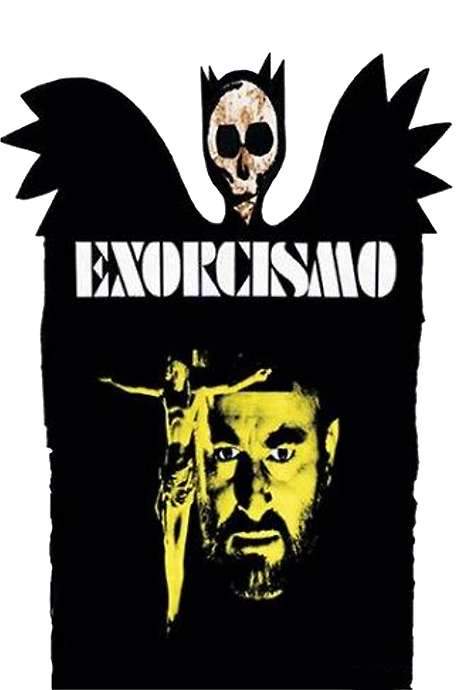
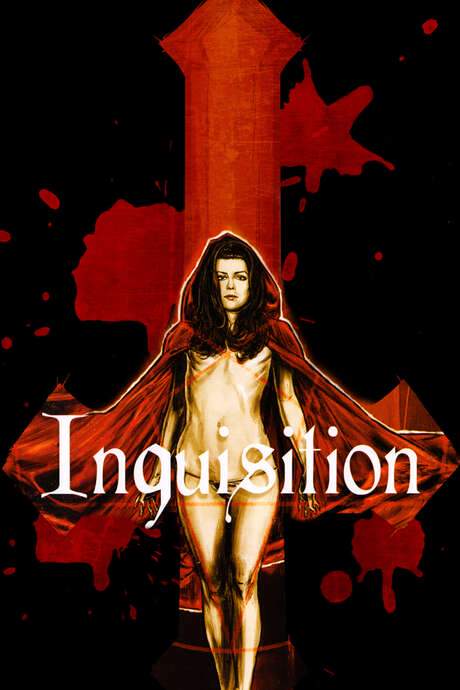
Inquisition (1977) movie poster

Plot Summary

Inquisition (1977) Plot Summary Explained

Release, runtime and language
1977 · 90 mins · Spanish
Starring
Antonio Casas, Eduardo Calvo, Paul Naschy, Daniela Giordano, Tony Isbert, Mónica Randall

A period drama set during the Inquisition follows a zealous witch‑finder general tasked with eradicating heresy. He falls hopelessly in love with the village’s striking beauty, a woman who has secretly made a pact with the devil to seduce and doom the mysterious figure who is systematically killing off Satan’s servants.

On this page (5)
  1. 1 What happens: full plot
  2. 2 Plot questions answered
  3. 3 Movie threads
  4. 4 Movies like Inquisition
  5. 5 Every angle

Full plot summary · contains spoilers

What Happens in Inquisition: Full Plot Summary

The whole story of Inquisition (1977) explained, from the opening scene to the final frame: every key event, every twist and what it all adds up to. Read it as a quick recap before the sequel, to check a scene you missed, or to finally understand what really happened.

In medieval France, the plague sweeps across the countryside and fear-stricken peasants blame witches for the disease. Bernard de Fossey, Paul Naschy the local "witchfinder," travels from town to town on a self-styled holy mission, aided by his two lecherous assistants Nicolas Rodier Ricardo Merino and Pierre Burgot Tony Isbert, hunting down supposed witches and delivering brutal executions.

Most of the women deny they are witches, but Fossey and his henchmen torture them mercilessly until they confess, and then they are put to death in cruel fashion. The village witnesses a chilling display of fear, superstition, and power as innocent women endure coercion in the name of piety.

Catherine, Daniela Giordano, a beautiful young girl in the village, is in love with Jean Duprat Juan Luis Galiardo, who hopes to marry her. Fossey’s obsessions twist into a personal vendetta as he fixates on Catherine and schemes to remove Jean, even hiring highwaymen to ambush and kill him in the forest. That night, Catherine has a dream in which the killers are paid with coins to murder Jean, but the face of the ringleader remains hidden from her.

Catherine makes a pact with Satan, Paul Naschy, agreeing to sell her soul if he will help her avenge Jean’s death. She drifts through surreal dream sequences where she encounters Satan and the red-eyed Belphegor, who reveal that Fossey himself financed the murder of Jean Duprat. The visions blur the lines between faith, fear, and temptation as Catherine’s longing for vengeance drives her toward dangerous choices.

Catherine seduces Fossey and slyly drags him into immoral acts that backfire on him, leading to accusations of witchcraft and torture that shave his head and condemn him to death, alongside Catherine. In the finale, the film intensifies the sense of ritual and catastrophe, culminating in a fiery stake scene that echoes the shocking atmosphere of the era.

Catherine sacrifices her own life to ensure Fossey pays for his crimes, and the two are burned together at the stake in a blaze that lingers in the memory, a stark finale that casts a critical eye on zeal, power, and the cost of cruelty. The closing image lingers on the blaze and the consequences of fear-driven justice, leaving viewers to ponder the monstrous potential of zealotry when unchecked by mercy.
Last updated: February 18, 2026 at 23:46

Was this helpful?

Plot questions answered

Inquisition Plot Explained: Your Questions Answered

The questions people ask most about Inquisition (1977): what happens in the confusing scenes, why the characters do what they do, the twists, hidden details and what the ending means. Each answer contains spoilers.

Q1

Why does Bernard de Fossey have Jean Duprat killed?

Fossey becomes obsessed with Catherine, a beautiful villager who is in love with Jean Duprat. Seeing Jean as a rival who stands in the way of possessing Catherine, Fossey hires highwaymen to ambush and murder Jean in the forest. The murder combines his personal desire for Catherine with the ruthless手段 he uses as a witchfinder.

Foreshadowing: Earlier, Fossey's assistants note his growing fixation on Catherine, and he actively seeks opportunities to remove Jean from the picture.

  • Bernard de Fossey
  • Jean Duprat
  • murder
  • motivation
  • obsession
  • catherine
Q2

How does Catherine discover that Fossey was behind Jean's murder?

After Jean's death, Catherine has a dream in which she sees the killers being paid with coins, though the payer's face remains hidden. Later, through her pact with Satan, she enters a dreamscape where Satan and the red-eyed Belphegor reveal the truth: Fossey himself financed the highwaymen who murdered Jean.

Foreshadowing: The dream of the paid killers foreshadows that someone in authority orchestrated the murder.

  • Catherine
  • dream
  • Satan
  • Belphegor
  • revelation
  • truth
Q3

Why does Catherine make a pact with Satan?

Driven by grief and a burning desire for vengeance after Jean's murder, Catherine agrees to sell her soul to Satan in exchange for his help in destroying Fossey. The pact gives her supernatural insight into the truth and the power to manipulate events toward her revenge.

Foreshadowing: Catherine's dream about the killers' payment establishes her need for supernatural help to uncover the truth.

  • Catherine
  • Satan
  • pact
  • revenge
  • soul
  • vengeance
Q4

How does Catherine manipulate Fossey into being accused of witchcraft?

After making her pact with Satan, Catherine uses her new influence to seduce Fossey and draw him into immoral acts that can be used against him. She carefully engineers situations that raise suspicions of witchcraft, ultimately leading to his arrest, torture, and conviction. The same tactics of false accusation and torture that Fossey used against others are turned against him.

Foreshadowing: Catherine's transformation from grieving lover to calculated manipulator is signaled by her willingness to engage with dark supernatural forces.

  • Catherine
  • Fossey
  • manipulation
  • seduction
  • accusation
  • witchcraft
Q5

Why is Catherine also arrested and executed for witchcraft?

As Catherine's scheme unravels and her involvement with dark forces becomes apparent, she herself becomes a target of the witch-hunting machine she helped set in motion against Fossey. The same paranoid atmosphere that allowed Fossey to destroy others ultimately consumes her as well, demonstrating the indiscriminate nature of the Inquisition's persecution.

Foreshadowing: The film establishes early on that the witch-hunts victimize innocent women through coercion and false confessions.

  • Catherine
  • execution
  • witchcraft
  • arrest
  • victim
Q6

What happens to Catherine and Fossey at the end of the film?

In the climactic finale, Catherine deliberately ensures she is condemned alongside Fossey. Both are tied to the stake and burned together in a fiery execution. Catherine's sacrifice is calculated to ensure Fossey pays for his crimes, even though it means her own death as well.

Foreshadowing: The revelation that Fossey paid for Jean's murder sets up the final confrontation where Catherine chooses to end both their lives.

  • Catherine
  • Fossey
  • stake
  • burning
  • execution
  • finale
  • sacrifice
Q7

Why does Catherine choose to die with Fossey?

Catherine's primary motivation is vengeance for Jean's death. By ensuring she is condemned alongside Fossey, she guarantees he faces justice for orchestrating Jean's murder. Her sacrifice is the final act of her revenge, she would rather die having seen Fossey punished than live with the knowledge that he might escape consequence. The burning at the stake becomes her means of achieving closure through death.

Foreshadowing: Catherine's pact with Satan already established her willingness to give up her soul for vengeance.

  • Catherine
  • sacrifice
  • death
  • revenge
  • Fossey
  • vengeance
Q8

What is the purpose of the dream sequences in the film?

The dream sequences serve multiple purposes: they reveal crucial plot information (like who funded Jean's murder), they represent Catherine's psychological descent into obsession and grief, and they blur the line between the supernatural and the psychological. Through these visions, Catherine gains the knowledge and motivation needed to orchestrate her revenge against Fossey.

Foreshadowing: The first dream about the killers being paid establishes that Catherine will receive supernatural help to uncover the truth.

  • dream
  • vision
  • Satan
  • Belphegor
  • supernatural
  • revelation
Q9

What motivates Bernard de Fossey's obsession with Catherine?

Fossey, a man who wields religious authority to torment and execute women, becomes fixated on Catherine's beauty. His obsession represents the corruption beneath his pious exterior, a man who preaches holiness while indulging in lust and using his power to eliminate rivals. This character flaw is what Catherine ultimately exploits to bring about his downfall.

Foreshadowing: Early scenes show Fossey's assistants commenting on his growing interest in Catherine during the witch-hunts.

  • Bernard de Fossey
  • obsession
  • catherine
  • motivation
  • lust
  • power
Q10

How does the film depict the cruelty of the Inquisition?

The film portrays the Inquisition as a system of fear, coercion, and brutality where innocent women are tortured until they confess to witchcraft, then executed. Fossey and his men operate with impunity, using religious authority to justify sadistic violence. The film shows how this machinery of persecution can be turned on anyone, including the persecutors themselves, when accusations fly.

Foreshadowing: The opening scenes establish the pattern of torture and execution that will eventually consume both Fossey and Catherine.

  • Inquisition
  • torture
  • cruelty
  • execution
  • persecution
  • religion

Movie threads

More Movies Like Inquisition, by Mood & Story

Curated lists built around what makes Inquisition tick: the same mood, the same kind of story or the same emotional payoff. Each list explains why these movies belong together.

Relentless Historical Horror like Inquisition

Period tales where unchecked fanaticism unleashes brutal violence. For viewers seeking movies like Inquisition, this list features grim historical horror films centered on fanaticism, torture, and bleak justice. If you liked the oppressive medieval atmosphere and intense violence, you'll find similar dark tales here.

  • oppressive
  • grim
  • sadistic
  • vengeful
  • brutal
  • religious terror
  • Tone: dark, oppressive
  • Pacing: steady, methodical
Why these movies?

The story pattern: These narratives typically follow a collision between unwavering authority and its victims, leading to a downward spiral of persecution. The plot is often straightforward, driven by a clear antagonist and escalating acts of violence, culminating in a conclusion that offers little to no hope.

Why they belong together: Movies in this thread share a high-intensity, dark tone and steady pacing that builds dread. They are united by themes of corrupt power, graphic violence, and an emotionally heavy, bleak ending that leaves a lasting impact.

Faustian Revenge Stories like Inquisition

A dark pact fuels a tragic cycle of revenge and destruction. If you liked Inquisition's plot of a pact with the devil and a revenge cycle, this list curates similar movies. Discover other dark tales where vengeance and supernatural deals lead to tragic, character-driven downfalls.

  • vengeful
  • tragic
  • supernatural
  • melancholic
  • doomed
  • revenge cycle
  • Tone: dark, melancholic, tragic
  • Pacing: steady, inevitable
Why these movies?

The story pattern: The narrative pattern involves a protagonist or antagonist initiating a revenge plot through a dark pact, which ultimately consumes them. The story is a straightforward, character-driven descent where the initial goal of vengeance becomes a trap, ensuring no one emerges unscathed.

Why they belong together: These films are grouped by their shared focus on revenge, Faustian bargains, and tragic character arcs. They possess a heavy emotional weight, a steady pace that builds towards inevitability, and a consistently dark, melancholic tone.

If you liked this

Movies Like Inquisition

Similar movies to Inquisition: the same genre, themes or kind of story. Each one comes with its own plot summary, timeline and ending explained.

Browse all movie summaries

Every angle

Inquisition (1977) Explained: Plot, Timeline & Characters

Everything about Inquisition in one place: what happens in the plot summary, the timeline in chronological order, the characters and meaning and a spoiler-free summary. What's After the Movie adds the cast, box office and post-credit scenes.

Coming soon on iOS and Android

The Plot Explained Movie Summary App

Plot summaries, endings explained and timelines on your phone. Catch up on any movie in minutes, save your favorites and never miss a twist again.

Be the first to know when we launch. Your email stays private, always.

Learn more about the app