Plot Explained Spoilers guaranteed!
Plot Explained

Browse by genre

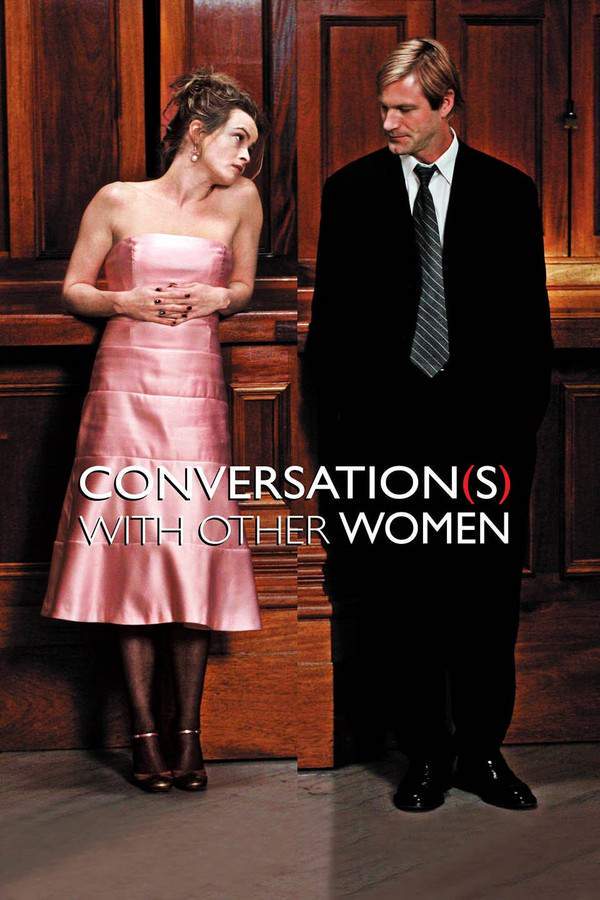
Conversations with Other Women (2006) movie poster

Characters & Themes

Conversations with Other Women (2006) Characters, Setting & Themes Explained

Release, runtime and language
2006 · 84 min · English
Loading streaming availability…
Directed by
Hans Canosa
Starring
Aaron Eckhart, Helena Bonham Carter
Budget
$450K

Two former lovers, portrayed by Helena Bonham Carter and Aaron Eckhart, unexpectedly reunite at a celebratory event. Drawn to each other, they retreat to a hotel room to revisit their shared history. The encounter forces them to confront the unresolved feelings and unspoken attraction that still linger between them, exploring the complexities of past relationships and the enduring power of connection.

On this page (8)
  1. 1 Where to watch
  2. 2 Characters explained (2)
  3. 3 Where & when it takes place
  4. 4 Themes & meaning (3)
  5. 5 Character & meaning questions
  6. 6 Movie threads
  7. 7 Movies like Conversations with Other Women
  8. 8 Every angle
Loading streaming availability…

2 main characters · contains spoilers

Conversations with Other Women Characters Explained: Who Is Who

The main characters of Conversations with Other Women (2006), heroes and villains: what drives them, how they change over the course of the story and what each of them reveals about the film's bigger ideas.

  • Man

    played by Aaron Eckhart

    A man in his late thirties who radiates a blend of nostalgia and yearning during his encounter with his ex-wife. He is caught between the longing for stability and the thrill of excitement, showcasing a complex emotional landscape.

    • 🧔 Adult
    • ❤️ Nostalgic
  • Bridesmaid

    played by Helena Bonham Carter

    An equally complex character, the bridesmaid appears to be at peace with her life choices. She embodies fulfillment yet confronts unresolved emotions as she reconnects with her ex-husband, revealing the depth of her character's evolution.

    • 👩‍🎤 Adult
    • 🌟 Fulfilled

Last updated: October 22, 2024 at 22:57

Was this helpful?

Setting

Where and When Does Conversations with Other Women Take Place?

The setting of Conversations with Other Women (2006): the year and time period, the places and locations, and how they shape the characters, the mood and the tension of the story.

Time period

The story unfolds during a present-day wedding reception, a setting ripe with emotions and reflections on past relationships. The juxtaposition of celebration and nostalgia highlights the themes of memory and personal growth.

Location

Manhattan

Manhattan is a vibrant hub known for its bustling atmosphere, iconic skyline, and diverse culture. It's home to numerous celebrations, events, and an array of experiences, making it an ideal backdrop for personal reunions and introspective conversations.

  • 🏙️ City
  • 🎉 Celebration

Last updated: October 22, 2024 at 22:57

Was this helpful?

3 major themes

Conversations with Other Women Meaning: Themes & Message Explained

What is Conversations with Other Women (2006) really about? The emotional, social and philosophical themes the film keeps returning to, its symbolism and the message beneath the surface.

  • Love & Loss

    The film explores the intricacies of rekindled love and the unresolved feelings between ex-spouses. Their interaction is a poignant reminder of past joys and sorrows, emphasizing the complexity of human emotions as they navigate their contradictory desires.

  • Reunion

    The reunion of the couple serves as the catalyst for reflection on their past and present selves. Their meaningful conversations reveal the weight of their shared history, and the intimacy of their connection deepens as they confront their unresolved issues.

  • Ambiguous Future

    As dawn breaks and the couple prepares to part ways, the theme of an uncertain future takes center stage. Their gazes into each other's eyes encapsulate both hope and melancholy, symbolizing the challenges of finding fulfillment and happiness amidst life's complexities.

Last updated: October 22, 2024 at 22:57

Was this helpful?

Character & theme questions

Conversations with Other Women Characters & Meaning: Your Questions Answered

The questions people ask about Conversations with Other Women (2006): who the characters really are, their relationships, what the symbols mean, where it takes place and what the movie is really about. Each answer contains spoilers.

Q1

Where is the movie set?

The film takes place primarily in Manhattan, New York City. The story unfolds during a wedding reception, with the central encounter happening in a hotel room. Manhattan's vibrant atmosphere serves as a backdrop that contrasts with the intimate, introspective nature of the characters' reunion.

  • manhattan
  • new york
  • wedding venue
  • hotel room
  • setting
  • new york city
Q2

What time period is the story set in?

The movie is set in the present day, during a contemporary wedding reception. This modern setting grounds the story in relatable, recognizable circumstances while allowing the emotional themes to feel immediate and relevant to contemporary audiences.

  • present day
  • modern era
  • contemporary
  • wedding
  • time period
Q3

What are the main themes of the film?

The film explores three interconnected themes: Love & Loss, examining the complexities of rekindled romance between ex-spouses; Reunion, focusing on how the past and present collide during their meeting; and Ambiguous Future, capturing the uncertain path ahead as they prepare to part ways.

  • themes
  • love and loss
  • reunion
  • ambiguous future
  • relationships
  • nostalgia
Q4

What does the Love & Loss theme represent?

The Love & Loss theme examines the intricate emotional terrain of reconnecting with a former spouse. It highlights the contradictory desires that ex-lovers face, the pull toward nostalgia versus the need for closure, while exploring how past joys and sorrows continue to shape present interactions.

  • ex-spouse
  • rekindled love
  • emotional complexity
  • past relationship
  • unresolved feelings
Q5

How does the wedding setting influence the story?

The wedding reception creates a poignant backdrop of celebration and commitment, which contrasts sharply with the protagonists' complicated shared history. This juxtaposition intensifies themes of memory and personal growth, as the couple reflects on their own failed relationship while surrounded by new beginnings.

  • wedding
  • celebration
  • contrast
  • reunion
  • reflection
  • manhattan wedding
Q6

What does the Ambiguous Future theme signify?

The Ambiguous Future theme captures the uncertainty that remains after the couple's emotional reunion. As dawn breaks and they prepare to part ways, their lingering gazes convey both hope and melancholy, leaving their ultimate fate, whether they will reconcile or permanently separate, deliberately unresolved.

  • uncertain ending
  • hope
  • melancholy
  • parting
  • future
  • closure
Q7

Who are the main characters?

The film centers on two former spouses portrayed by Helena Bonham Carter and Aaron Eckhart. Helena Bonham Carter plays a bridesmaid who appears at peace with her life but confronts unresolved emotions during the reunion. Aaron Eckhart plays the Man, a figure in his late thirties caught between longing for stability and the thrill of excitement from their shared past.

  • helena bonham carter
  • aaron eckhart
  • ex-wife
  • ex-husband
  • main characters
  • bridesmaid
Q8

What is the relationship between the two main characters?

The two protagonists are ex-husband and ex-wife who unexpectedly reunite at a wedding. Their relationship is defined by a shared history of marriage, unresolved feelings, and contradictory desires, both longing for connection while also fearing the pain of their past.

  • ex-husband
  • ex-wife
  • former lovers
  • married couple
  • past relationship
  • reunion
Q9

Why are the characters drawn to reconnect?

The characters are drawn together by unresolved attraction and the emotional weight of their shared history. Despite appearing to have moved on, their encounter reignites deep-seated feelings, forcing them to confront the unspoken emotions that still linger between them.

  • attraction
  • unresolved feelings
  • emotional connection
  • past love
  • rekindled romance
Q10

What is the tone of the movie?

The film has a definitively bittersweet tone, balancing warm moments of reconnection with sadness over missed opportunities and old wounds. Its slow pacing, driven by dialogue and introspective reflection, creates a subdued but emotionally impactful atmosphere.

  • bittersweet tone
  • slow pacing
  • introspective
  • emotional
  • dialogue driven
  • mood
Q11

Is the movie a drama or comedy?

The film is classified as a Drama and Romance, with comedic elements present in certain interactions. While it contains moments of humor, the overall experience leans heavily toward emotional weight and introspection rather than comedy, creating a thoughtful exploration of relationships.

  • drama
  • romance
  • comedy
  • genre
  • film classification
Q12

How are flashbacks used in the film?

The film uses nostalgic flashbacks to contrast past and present moments, adding layers to the central relationship without becoming overly convoluted. These memory sequences help viewers understand the weight of the characters' shared history and how their younger selves differ from who they are now.

  • flashbacks
  • nostalgia
  • past and present
  • memory
  • flashback structure
  • narrative technique

Movie threads

More Movies Like Conversations with Other Women, by Mood & Story

Curated lists built around what makes Conversations with Other Women tick: the same mood, the same kind of story or the same emotional payoff. Each list explains why these movies belong together.

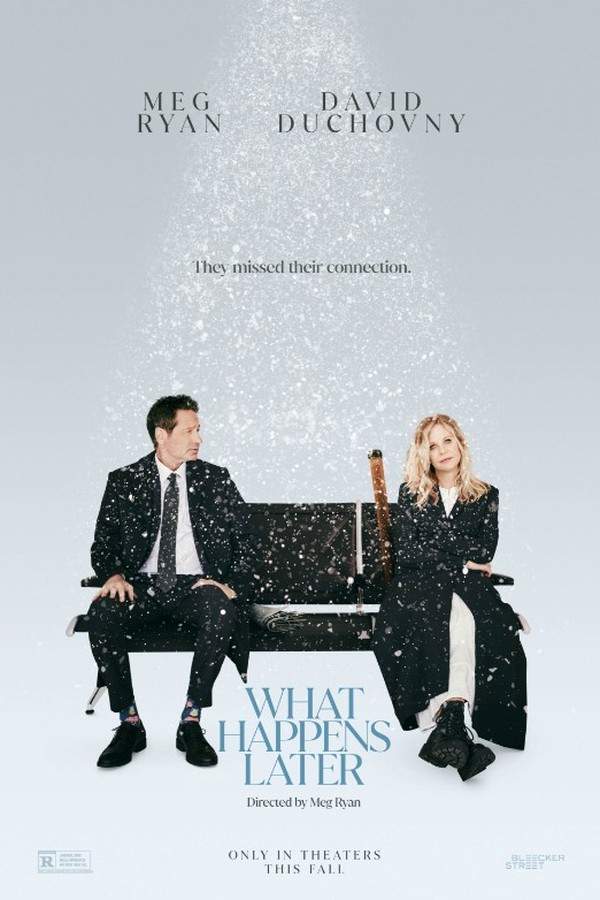
Movies about bittersweet reunions like Conversations with Other Women

Stories where former lovers reconnect, confronting past regrets and unresolved feelings. If you liked the poignant reunion in 'Conversations with Other Women,' explore more movies where former lovers unexpectedly reconnect. These films delve into themes of unresolved feelings, nostalgia, and the complex emotions of revisiting a shared past, offering similar bittersweet and reflective experiences.

  • nostalgic
  • longing
  • contemplative
  • melancholic
  • intimate
  • regretful
  • Tone: bittersweet, melancholic, nostalgic
  • Pacing: slow, conversational
Why these movies?

The story pattern: Narratives in this thread often revolve around a chance meeting between characters with a significant romantic history. Through dialogue-driven scenes and flashbacks, the story contrasts their past idealism with their present-day realities, forcing them to grapple with regret, desire, and the impossibility of fully recapturing what was lost.

Why they belong together: Movies are grouped here for their shared focus on the specific emotional dynamic of reconnecting with a past love. They share a bittersweet tone, an intimate, conversational pace, and a thematic core centered on memory, regret, and the enduring impact of significant relationships.
Dialogue-driven character dramas similar to Conversations with Other Women

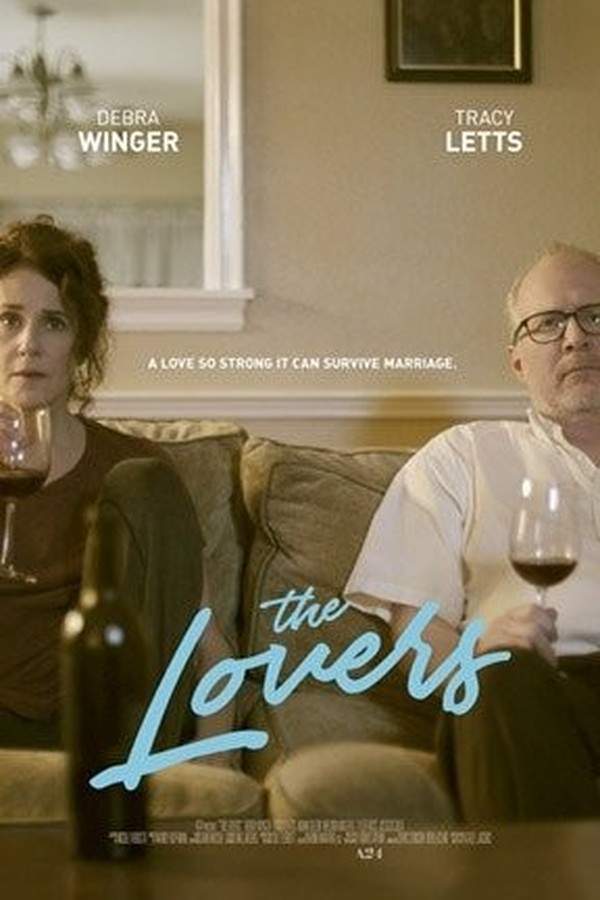
Films that unfold through deep conversations, revealing character depths and emotional truths. Fans of the conversational style of 'Conversations with Other Women' will appreciate these talky character studies. These films prioritize emotional honesty and character revelation over plot, creating an intimate and reflective viewing experience focused on human connection and introspection.

  • intimate
  • talky
  • reflective
  • contemplative
  • realistic
  • emotional
  • Tone: reflective, intimate, melancholic
  • Pacing: slow, deliberate
Why these movies?

The story pattern: The plot is secondary to character revelation in these stories. Conflict arises from verbal exchanges, subtext, and the unspoken emotions between characters. The structure is often simple, taking place in real-time or over a short period, allowing the audience to feel like a silent observer in a deeply personal encounter.

Why they belong together: These films are grouped by their primary narrative engine: conversation. They share a slow, deliberate pacing, a medium emotional intensity, and a focus on creating a sense of intimacy and authenticity through realistic, weighty dialogue that drives character development.

If you liked this

Movies Like Conversations with Other Women

Similar movies to Conversations with Other Women: the same genre, themes or kind of story. Each one comes with its own plot summary, timeline and ending explained.

Browse all movie summaries

Every angle

Conversations with Other Women (2006) Explained: Plot, Timeline & Characters

Everything about Conversations with Other Women in one place: what happens in the plot summary, the timeline in chronological order, the characters and meaning and a spoiler-free summary. What's After the Movie adds the cast, box office and post-credit scenes.

Coming soon on iOS and Android

The Plot Explained Movie Summary App

Plot summaries, endings explained and timelines on your phone. Catch up on any movie in minutes, save your favorites and never miss a twist again.

Be the first to know when we launch. Your email stays private, always.

Learn more about the app