Plot Explained Spoilers guaranteed!
Plot Explained

Browse by genre

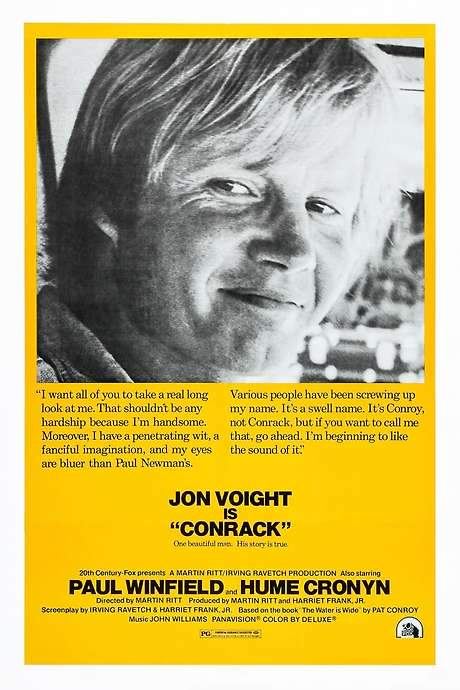
Conrack (1974) movie poster

Timeline

Conrack (1974) Timeline Explained – Every Event in Order

Release, runtime and language
1974 · 106 mins · English
Directed by
Martin Ritt
Starring
Hume Cronyn, Madge Sinclair, Jon Voight, Ruth Attaway, Paul Winfield, Gracia Lee

Based on a true story, a young white schoolteacher is posted to Yamacraw Island, a remote fishing community off South Carolina inhabited mainly by poor black families. He discovers the children are illiterate and neglected, knowing little beyond the island, and he devotes himself to teaching them reading, writing and exposing them to a wider world.

On this page (5)
  1. 1 Events in order (13)
  2. 2 Timeline questions answered
  3. 3 Movie threads
  4. 4 Movies like Conrack
  5. 5 Every angle

13 events in order · contains spoilers

Conrack Timeline: Events in Chronological Order

Every key event of Conrack (1974) in order, scene by scene, with when and where it takes place. Use it to untangle flashbacks, time jumps and parallel storylines, to refresh your memory before the sequel or to find the exact scene you are thinking of.

  1. Conroy arrives as new teacher on Yamacraw Island

    In 1969, Pat Conroy is assigned to a remote, isolated school on Yamacraw Island off South Carolina. He discovers a tiny two-room schoolhouse and a community cut off from the wider world. His presence signals the start of a cultural clash between the island and the mainland.

    When
    1969
    Where
    Yamacraw Island, South Carolina
  2. The island’s isolation and Gullah culture revealed

    Conroy observes that both children and adults live under the island's confines, speaking a distinct Gullah dialect. He realizes the community has limited access to education and the outside world. This sets up the central challenge of teaching beyond the confines of the island.

    When
    1969
    Where
    Yamacraw Island
  3. The school in chaos: two rooms for all grades

    The school operates with just two rooms, forcing the principal to teach grades one through four while Conroy handles grades five through eight. The system highlights how under-resourced the island school is. Conroy begins to feel the weight of trying to educate children with limited means.

    When
    1969
    Where
    Yamacraw Island School
  4. Conroy’s nickname: Conrack

    Early on, the kids struggle to pronounce his surname, giving him the nickname Conrack, which sticks and marks his outsider status in the community. He embraces the moniker as a sign of his commitment to the students. This nickname foreshadows his attempt to bridge two worlds.

    When
    1969
    Where
    Classroom, Yamacraw Island
  5. Basics of the outside world: tooth brushing and more

    Conroy introduces basic knowledge the island has never taught, such as how to brush teeth and the existence of famous figures like Babe Ruth. He uses simple lessons to show there is more beyond the river and the marsh. The students begin to glimpse a larger world beyond their island home.

    When
    1969
    Where
    Classroom, Yamacraw Island
  6. Music and culture enter the classroom

    He plays Flight of the Bumblebee and exposes them to Beethoven's music, broadening their cultural horizons. The music choices evoke strong reactions and curiosity among the students. These moments plant seeds for imagination beyond their daily routines.

    When
    1969
    Where
    Classroom, Yamacraw Island
  7. Beethoven’s Fifth: death and meaning

    Conroy explains that Beethoven's Fifth Symphony represents a struggle with mortality and resilience. This becomes a powerful metaphor for the students' own hardships. The lesson deepens the students' emotional connection to the music and to Conroy.

    When
    1969
    Where
    Classroom, Yamacraw Island
  8. Halloween trip to Beaufort is planned

    Seeing Halloween as a chance to experience the outside world, Conroy plans a trip to Beaufort for trick-or-treating, which would force the school and students to confront broader society. The superintendent forbids the excursion, sparking a direct conflict over control and safety. The plan exposes the gulf between the island’s isolation and the mainland.

    When
    1969
    Where
    Beaufort, South Carolina
  9. Conflict with principal and superintendent escalates

    The clash centers on curriculum, authority, and the right to expose students to new experiences. Conroy asserts his teaching approach while the authorities push back, arguing for tradition and control. The tension threatens his position and the future of the school.

    When
    1969
    Where
    Yamacraw Island School
  10. Parental fears of 'the river' become a barrier

    Parents fear the unknown dangers beyond the river and resist allowing their children more freedom. Conroy's efforts to broaden the students’ horizons are impeded by these anxieties. The river becomes a symbol of the boundary between longing and safety.

    When
    1969
    Where
    Yamacraw Island
  11. Conroy is fired

    After months of resistance from authorities and parents, Conroy is dismissed from his teaching post. The decision underscores the limits of reform in this isolated community. His departure marks a sobering end to his island mission.

    When
    1969
    Where
    Yamacraw Island School
  12. Farewell on the bridge as the kids bid him goodbye

    As Conroy leaves by boat, the children line up on a rickety bridge to watch him go, a poignant moment of gratitude and farewell. The students' faces reveal both sadness and admiration for his efforts. The scene captures the lasting impact of his brief stay.

    When
    1969
    Where
    Bridge on Yamacraw Island
  13. Beethoven’s Fifth plays as he departs

    Just as the boat pulls away, a student plays the opening movement of Beethoven's Fifth Symphony on a record. The music serves as a final, hopeful echo of Conroy’s influence and the connection he sparked. The ending reinforces the theme of culture crossing over to the island.

    When
    1969
    Where
    Yamacraw Island / Boat departure

Last updated: February 18, 2026 at 23:47

Was this helpful?

Timeline questions answered

Conrack Timeline Explained: Your Questions Answered

When does it happen, and why in that order? The questions people ask about the chronology of Conrack (1974): time jumps, flashbacks, cause and effect between scenes and the correct order of events, each answered with spoilers.

Q1

Why is Conroy fired from Yamacraw Island?

Conroy is fired because he continuously challenges the school district's authority and defies administrative restrictions. After the superintendent bans his planned Halloween trip to Beaufort, Conroy presses forward with his efforts to expose students to the outside world, disregarding the rules set by Superintendent Skeffington. His persistent resistance to the traditional, limited approach to education ultimately leads to his dismissal, as the authorities view his methods as too disruptive to the established order.

  • dismissal
  • firing
  • superintendent skeffington
  • halloween trip
  • conflict
Q2

Why does the superintendent ban the Halloween trip to Beaufort?

Superintendent Skeffington bans the Halloween trip because he believes the excursion is too dangerous for the children and represents unnecessary exposure to the outside world. Skeffington represents the institutional mindset that prioritizes keeping the island's children isolated and sheltered rather than exposing them to new experiences. The trip would have allowed the children to participate in trick-or-treating, a tradition completely foreign to their isolated community.

  • superintendent
  • halloween
  • beaufort
  • trip ban
  • authority
Q3

What is the significance of Beethoven's Fifth Symphony in the movie?

Conroy uses Beethoven's Fifth Symphony to teach the students about profound emotional and intellectual concepts beyond their isolated world. He explains to the children that when Beethoven wrote the Fifth Symphony, he was writing about what death would sound like, a powerful metaphor for struggle and resilience. The music becomes a bridge between the students' harsh reality and the broader world of art and ideas. At the film's end, as Conroy departs, a student plays this same symphony, symbolizing the lasting impact of his teachings and the hope he has inspired.

  • beethoven
  • fifth symphony
  • music
  • death
  • meaning
  • departure
Q4

Why are the parents on Yamacraw Island afraid of the river?

The parents' fear of the river represents their deep-seated anxiety about the unknown dangers of the outside world. The river surrounding Yamacraw Island has historically served as a protective barrier between their isolated community and the mainland, where they fear exploitation, discrimination, and dangers they cannot control. This fear manifests as resistance to Conroy's efforts to take the children beyond the island, as the parents worry about exposing their children to threats they cannot protect them from.

  • river
  • parents
  • fear
  • island
  • barrier
  • outside world
Q5

How did the children give Conroy the nickname Conrack?

The children struggle to pronounce Conroy's surname correctly, and instead call him Conrack, which becomes an affectionate nickname that marks his outsider status in the community. Rather than correcting them, Conroy embraces the name as a sign of his acceptance and commitment to his students. The nickname symbolizes his attempt to bridge two worlds, the mainland teacher entering an isolated island community.

  • nickname
  • children
  • conrack
  • pronunciation
  • community
Q6

What is Gullah dialect and why is it significant?

Gullah is a distinct creole language spoken by the African American communities living in the Sea Islands of South Carolina and Georgia, including Yamacraw Island. The dialect developed from enslaved Africans who worked on rice plantations and maintained much of their original language. In the movie, the Gullah dialect represents both the cultural richness of the island community and the significant communication barrier Conroy must overcome to teach the children effectively.

  • gullah
  • dialect
  • language
  • culture
  • isolation
Q7

Why does Conroy teach the children about figures like Babe Ruth?

Conroy uses familiar American cultural figures like Babe Ruth to introduce the children to the world beyond their isolated island. Recognizing that his students know almost nothing about the outside world, he uses such recognizable figures as gateways to broader knowledge and curiosity. This approach exemplifies his teaching philosophy, that exposing students to new ideas, even basic cultural references, can open doors to a larger world they never knew existed.

  • babe ruth
  • teaching
  • outside world
  • culture
  • education
Q8

What does the final bridge scene mean when the children watch Conroy leave?

The final bridge scene represents a poignant farewell that captures the bittersweet nature of Conroy's impact. As he departs by boat, the children line up on the rickety bridge, faces filled with both sadness and pride. The scene symbolizes their growth: they have been transformed by his teachings and now see themselves as part of something larger than their isolated island. The moment is both an ending and a beginning, marking Conroy's departure while affirming the lasting changes he has inspired in the students.

  • bridge
  • farewell
  • departure
  • children
  • goodbye
  • symbolism
Q9

Why is the school on Yamacraw Island described as having only two rooms?

The two-room schoolhouse reflects the extreme under-resourcing of education on Yamacraw Island. One room houses grades one through four, taught by the principal Mrs. Scott, while Conroy teaches grades five through eight in the other. This cramped, inadequate facility represents the neglect the island's children have suffered and highlights the challenges Conroy faces in providing any meaningful education. The setup underscores how isolated the community is from mainstream educational resources.

  • school
  • two rooms
  • underfunded
  • education
  • grades
  • resource
Q10

How does Conroy clash with Superintendent Skeffington?

Conroy clashes with Superintendent Skeffington over fundamental differences in educational philosophy. Skeffington believes in maintaining the status quo, basic, rote lessons that keep the children unprepared for the outside world. Conroy insists the children deserve more than survival education and fights to bring them meaningful learning, cultural exposure, and new experiences. Their conflict escalates when Conroy defies the superintendent's ban on the Beaufort field trip, ultimately leading to Conroy's dismissal.

  • superintendent skeffington
  • conflict
  • authority
  • education philosophy
  • dismissal
Q11

Why does Conroy teach the children basic skills like tooth brushing?

Conroy realizes the children have received virtually no basic life skills education due to the island's extreme neglect and isolation. Simple hygiene practices like proper tooth brushing represent the fundamental knowledge these children have never learned. By introducing such basic skills, Conroy demonstrates his commitment to treating the students as worthy of the same opportunities as any other children, while simultaneously showing them there is a larger world with everyday knowledge they have been missing.

  • tooth brushing
  • hygiene
  • basics
  • teaching
  • life skills
Q12

What does the rickety bridge symbolize in the film's ending?

The rickety bridge symbolizes both the physical and emotional connection between Conroy and his students. It represents the fragile but meaningful bond formed during his brief time on the island. The bridge also serves as a threshold, the children stand on it watching him leave, signifying their position between the isolated world they were born into and the broader world Conroy has shown them is possible. The structural precariousness of the bridge reflects the vulnerability of the educational transformation he has sparked.

  • bridge
  • symbolism
  • threshold
  • connection
  • departure
  • transformation

Movie threads

More Movies Like Conrack, by Mood & Story

Curated lists built around what makes Conrack tick: the same mood, the same kind of story or the same emotional payoff. Each list explains why these movies belong together.

Inspiring Teacher Stories like Conrack

Hopeful stories of teachers who transform lives against the odds. A collection of movies like Conrack, featuring dedicated educators who inspire and uplift their students. If you were moved by the teacher's journey in Conrack, find similar stories of hope, resilience, and the transformative power of education.

  • inspiring
  • hopeful
  • uplifting
  • resilient
  • melancholic
  • heartfelt
  • Tone: hopeful, inspiring, bittersweet
  • Pacing: steady, character-driven
Why these movies?

The story pattern: These narratives typically follow a dedicated teacher entering a difficult environment and using creativity and compassion to connect with neglected students. The arc focuses on gradual progress, small victories, and the students' intellectual and emotional awakening, often culminating in a poignant farewell that underscores the lasting impact of the teacher's efforts.

Why they belong together: Movies in this thread share a core focus on the teacher-student dynamic as a source of hope and change. They balance the harsh realities of institutional neglect with the uplifting power of connection and education, creating a specific, resonant emotional journey centered on mentorship and growth.


Movies with a Bittersweet Hopeful Vibe like Conrack

Stories where optimism perseveres, even when victory is incomplete. Discover films that share Conrack's unique blend of hope and melancholy. If you appreciated the bittersweet yet uplifting feeling of Conrack, this thread collects movies where resilient characters make a difference, even if the ending isn't perfectly happy.

  • hopeful
  • bittersweet
  • melancholic
  • resilient
  • inspiring
  • thought-provoking
  • Tone: hopeful, bittersweet, melancholic
  • Pacing: steady, deliberate
Why these movies?

The story pattern: The narrative pattern involves a protagonist tackling a systemic or personal challenge with unwavering hope. While their efforts lead to genuine, impactful change for others, external forces or the nature of the struggle prevent a complete victory. The ending affirms the value of the journey, focusing on the seeds of hope planted for the future rather than a simple, happy resolution.

Why they belong together: These films are grouped by their distinctive emotional tone—a mix of hopeful determination and melancholic reality. They resonate because they reflect a more complex, realistic form of optimism, where success is measured in personal growth and lasting influence, not just conventional victory.

If you liked this

Movies Like Conrack

Similar movies to Conrack: the same genre, themes or kind of story. Each one comes with its own plot summary, timeline and ending explained.

Browse all movie summaries

Every angle

Conrack (1974) Explained: Plot, Timeline & Characters

Everything about Conrack in one place: what happens in the plot summary, the timeline in chronological order, the characters and meaning and a spoiler-free summary. What's After the Movie adds the cast, box office and post-credit scenes.

Coming soon on iOS and Android

The Plot Explained Movie Summary App

Plot summaries, endings explained and timelines on your phone. Catch up on any movie in minutes, save your favorites and never miss a twist again.

Be the first to know when we launch. Your email stays private, always.

Learn more about the app