Plot Explained Spoilers guaranteed!
Plot Explained

Browse by genre

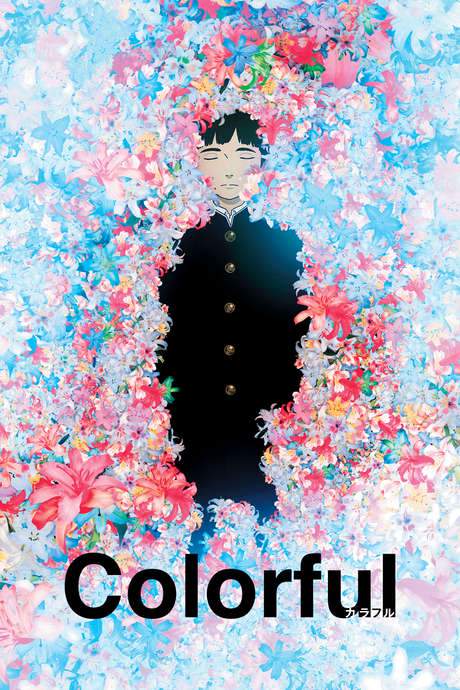
Colorful (2010) movie poster

Timeline

Colorful (2010) Timeline Explained – Every Event in Order

Release, runtime and language
2010 · 127 mins · Japanese
Loading streaming availability…
Directed by
Keiichi Hara
Starring
Aoi Miyazaki, Keiji Fujiwara, Akiko Yajima, Mari Mashiba, Kumiko Aso, Akiyoshi Nakao

A despondent soul arrives at the station of death, only to be told he’s fortunate enough for a second chance. He is reborn in the body of 14‑year‑old Kobayashi Makoto, who has just taken his own life. Guided by a neutral spirit, Purapura, he must uncover his greatest sin from his previous existence before his limited time in Makoto’s body expires, while also learning why Makoto chose suicide and how to truly cherish this new life.

On this page (6)
  1. 1 Where to watch
  2. 2 Events in order (11)
  3. 3 Timeline questions answered
  4. 4 The book behind the movie
  5. 5 Movie threads
  6. 6 Every angle
Loading streaming availability…

11 events in order · contains spoilers

Colorful Timeline: Events in Chronological Order

Every key event of Colorful (2010) in order, scene by scene, with when and where it takes place. Use it to untangle flashbacks, time jumps and parallel storylines, to refresh your memory before the sequel or to find the exact scene you are thinking of.

  1. Introduction at the train station of death

    A dejected soul arrives at the train station to death, where it is informed that it is 'lucky' and has another chance at life. The soul is reluctant to return but is given the opportunity to be reborn, with a six-month time limit to resolve its past mistakes. It is then transported into the body of a 14-year-old boy named Makoto Kobayashi who has recently committed suicide.

    Where
    Train station to death
  2. Awakening in Makoto's body

    The soul finds itself inhabiting Makoto Kobayashi, a troubled teenager who had recently overdosed on pills. Makoto's body is unfamiliar, and he begins to navigate life from a new perspective under the watch of the spirit Purapura. The initial days involve Makoto struggling with his new identity and the circumstances of his death.

    Where
    Makoto's home
  3. Discovery of family discontent

    Makoto, now in his new body, learns that he greatly dislikes his family, especially his father, who works long unpaid overtime, and his mother, who had an affair. He also discovers that his brother Mitsuru has given up on him due to his moodiness and social isolation. These revelations deepen Makoto's feelings of alienation.

    Where
    Makoto's home
  4. Encounter with Hiroka

    Makoto finds out that Hiroka, a girl he fancies, sells sex to older men to afford luxuries. This knowledge shocks him, revealing troubling aspects of her life and the environment Makoto is part of. It causes him to reevaluate his perceptions of his classmates and their struggles.

    Where
    School
  5. Suspicion from Shoko

    A girl from Makoto's class, Shoko, becomes suspicious of Makoto's strange behavior. Makoto tries to avoid her, but her suspicions add to his anxiety about blending in and understanding himself better. Their interactions hint at the social pressures he faces.

    Where
    School
  6. Mugging and confrontation

    Makoto is mugged and beaten by delinquents, which leaves him shaken and more aware of his vulnerability. Shoko later visits him at his house but is scared off by his behavior, emphasizing his social isolation and the difficulty of forming trust.

    Where
    Street and Makoto's house
  7. Friendship with Saotome

    Makoto befriends Saotome, a boy in his class who accepts outcasts and treats them as equals. This friendship allows Makoto to experience happiness and see the joy of life for the first time, bringing a new perspective to his second chance.

    Where
    School
  8. Studying and future plans

    Makoto and Saotome begin studying for high school entrance exams, which surprisingly rekindles Makoto's ambitions. Makoto decides to attend Tamegawa High, choosing a path aligned with his newfound desire for a better life.

    Where
    School
  9. Family conflict over education

    Mitsuru announces he will postpone his college entrance exams to help the family afford private school for Makoto, but Makoto declines, insisting he wants to attend a public school with Saotome. His emotional plea convinces his family to accept his decision.

    Where
    Makoto's home
  10. Realization of the past mistake

    As his six-month deadline nears, Makoto meets with Purapura for a final time and uncovers that his greatest mistake was his own suicide in his past life. This revelation brings clarity to his second chance at life and the importance of living fully.

    Where
    Spiritual realm / Makoto's mind
  11. Purapura's farewell and memory wiping

    Purapura informs Makoto that he will continue living but will have his memories of the spirit world erased, so he does not remember his second chance. Before erasing memories, Purapura advises him to live a vibrant and meaningful life.

    Where
    Spiritual realm / Makoto's mind

Last updated: August 05, 2025 at 06:58

Was this helpful?

Timeline questions answered

Colorful Timeline Explained: Your Questions Answered

When does it happen, and why in that order? The questions people ask about the chronology of Colorful (2010): time jumps, flashbacks, cause and effect between scenes and the correct order of events, each answered with spoilers.

Q1

Why did Makoto Kobayashi commit suicide?

Makoto chose to end his life because he felt completely isolated and resented his family. He harbored deep anger toward his father, who was overworked and financially struggling, and his mother, who was having an affair with a dance instructor. His older brother Mitsuru had given up on him due to his moodiness, and he had no meaningful friendships at school, leaving him feeling utterly alone.

  • makoto suicide reasons
  • family resentment
  • teenage isolation
Q2

What was the soul's greatest sin in its past life?

The soul's greatest sin was its own suicide. When Makoto meets Purapura for the final time, he discovers that the soul inhabiting his body is actually himself from a past life, and his greatest mistake was choosing to end his own life. This revelation explains why he was given the second chance, to learn to value life after already having rejected it once.

  • past life sin
  • reincarnation
  • suicide second chance
Q3

Why does Purapura erase Makoto's memories at the end?

Purapura erases Makoto's memories of the spirit world and their conversations so he can live without the burden of his past guilt and regrets. The purpose of the second chance is to help Makoto embrace life freely, not to carry the weight of knowing he had failed at life once before. This allows him to start fresh with a clean perspective.

  • memory wipe
  • purapura
  • spiritual realm
Q4

Why does Makoto choose Tamegawa High over private school?

Makoto chooses Tamegawa High, a public school, because he wants to attend school with his new friend Saotome, who accepted him despite his flaws. This decision represents his first independent choice and his commitment to forging his own path rather than following his family's expectations. His emotional plea convinces his family to support his decision.

  • tamegawa high
  • public school choice
  • saotome friendship
Q5

Who is Hiroka and why does she sell herself to older men?

Hiroka is a girl in Makoto's class whom he has feelings for. She engages in prostitution with older men to afford luxury items, revealing the harsh economic pressures some teenagers face. This discovery shocks Makoto and forces him to reevaluate his assumptions about his classmates' lives and struggles.

  • hiroka
  • teenage prostitution
  • socioeconomic pressures
Q6

How does Saotome's friendship change Makoto?

Saotome, a classmate who accepts outcasts and treats everyone equally, becomes Makoto's first true friend. Through their friendship, Makoto experiences happiness and hope for the first time. They begin studying together for high school entrance exams, which rekindles Makoto's ambitions and gives him a sense of purpose beyond his family problems.

  • saotome
  • friendship
  • acceptance
  • redemption
Q7

Why does the soul only have six months to live in Makoto's body?

The six-month limit represents the remaining time of Makoto's original life. Purapura explains that Makoto's body will die naturally after this period, which is why the soul must complete its mission, discovering its greatest sin, before time runs out. This deadline creates urgency throughout the story.

  • six months
  • time limit
  • reincarnation deadline
Q8

What impact does Makoto's mother's affair have on the story?

Makoto's mother having an affair with a dance instructor is a major source of his anger and disillusionment. His father appears unaware of the infidelity, adding to Makoto's contempt for both parents. This betrayal contributes significantly to Makoto's sense that his family is broken beyond repair, fueling his decision to end his life.

  • mother affair
  • family breakdown
  • infidelity
Q9

Why does Shoko visit Makoto after he is mugged?

Shoko, a classmate who has been suspicious of Makoto's strange behavior, visits him at home because she is concerned about him. However, Makoto, overwhelmed by his circumstances and scared of forming connections, drives her away. This moment highlights Makoto's difficulty in trusting others and his deep-seated isolation.

  • shoko
  • concern
  • social isolation
Q10

Why does Makoto resent his family so deeply?

Makoto harbors intense resentment toward his family for multiple reasons: his father is an underdog at work overwhelmed by unpaid overtime, his mother is having an affair he despises, and his older brother Mitsuru has given up on him due to his moodiness. These feelings of betrayal and neglect drive his sense of alienation and ultimately his suicide attempt.

  • family resentment
  • father overwork
  • brother mitsuru
Q11

Why does Mitsuru want to postpone his college entrance exams?

Mitsuru considers postponing his college entrance exams because he wants to help fund private school tuition for Makoto, despite the family's financial struggles. However, Makoto declines this sacrifice, insisting on attending public school with Saotome instead. This moment shows how the family, despite their conflicts, ultimately cares about each other.

  • mitsuru sacrifice
  • college exams
  • family financial struggles
Q12

What does "Live a colorful life" mean at the end of the movie?

"Live a colorful life" is Purapura's final advice to Makoto before his memories are erased. It means embracing life fully and finding meaning despite past mistakes and suffering. The message encourages living vibrantly and cherishing each moment, symbolizing the hope and renewal that comes from understanding the value of life after experiencing despair.

  • colorful life message
  • hope
  • renewal
  • redemption

Movie threads

More Movies Like Colorful, by Mood & Story

Curated lists built around what makes Colorful tick: the same mood, the same kind of story or the same emotional payoff. Each list explains why these movies belong together.

Redemptive Movies Like Colorful

Characters navigating profound darkness find a meaningful path back to light. If you appreciated the hopeful journey in Colorful, you'll find similar stories here. This collection features movies about characters overcoming intense despair, learning to cherish life again, and finding redemption after profound suffering.

  • redemptive
  • hopeful
  • melancholic
  • cathartic
  • reflective
  • somber
  • Tone: bittersweet, hopeful
  • Pacing: steady, reflective
Why these movies?

The story pattern: Stories in this thread typically begin in a place of deep despair or alienation. A catalyst—often a second chance or an unexpected guide—forces the protagonist to confront their pain and slowly, painfully, rebuild their connection to life and others, culminating in a hard-won sense of hope.

Why they belong together: These movies are grouped by their shared emotional trajectory from a heavy, melancholic starting point to a meaningful, uplifting resolution. They balance serious themes with a core message of redemption, creating a bittersweet but deeply satisfying viewing experience.


Movies About Alienation Like Colorful

Slow-burn character studies exploring loneliness and the search for identity. Explore more films similar to Colorful that center on lonely, alienated characters. If you were moved by the story of Makoto's isolation and search for meaning, you'll find resonant stories of self-discovery and overcoming loneliness here.

  • lonely
  • introspective
  • somber
  • reflective
  • coming of age
  • alienation
  • Tone: melancholic, reflective
  • Pacing: steady, character-driven
Why these movies?

The story pattern: The narrative pattern revolves around an internal struggle. The protagonist's alienation from family, peers, or society drives the plot, which is less about external action and more about their gradual, often difficult, process of understanding themselves and finding a way to connect.

Why they belong together: They share a specific mood blend: a somber, reflective atmosphere stemming from the protagonist's loneliness, paired with a steady pacing that allows for genuine character development. The focus is on internal growth rather than external plot mechanics.

Every angle

Colorful (2010) Explained: Plot, Timeline & Characters

Everything about Colorful in one place: what happens in the plot summary, the timeline in chronological order, the characters and meaning and a spoiler-free summary. What's After the Movie adds the cast, box office and post-credit scenes.

Coming soon on iOS and Android

The Plot Explained Movie Summary App

Plot summaries, endings explained and timelines on your phone. Catch up on any movie in minutes, save your favorites and never miss a twist again.

Be the first to know when we launch. Your email stays private, always.

Learn more about the app