Plot Explained Spoilers guaranteed!
Plot Explained

Browse by genre

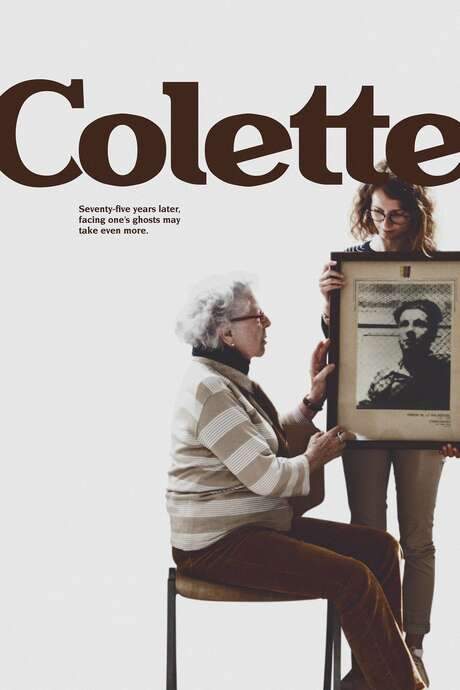
Colette (2020) movie poster

Timeline

Colette (2020) Timeline Explained – Every Event in Order

Release, runtime and language
2020 · 24 mins · French
Loading streaming availability…
Directed by
Anthony Giacchino
Starring
Lucie Fouble, Colette Marin-Catherine

During the Nazi occupation of France, a young woman named Colette Catherine joined the French Resistance, displaying remarkable courage in the fight against the enemy. Seventy-five years later, now a ninety-year-old woman, she confronts the buried traumas of World War II, revisiting the terrors she experienced. Reluctant to face her past, Colette must now confront long-forgotten events and the lingering impact of her wartime actions, realizing that some nightmares are best remembered, and some secrets are too dangerous to remain hidden.

On this page (5)
  1. 1 Where to watch
  2. 2 Events in order (12)
  3. 3 Timeline questions answered
  4. 4 Movie threads
  5. 5 Every angle
Loading streaming availability…

12 events in order · contains spoilers

Colette Timeline: Events in Chronological Order

Every key event of Colette (2020) in order, scene by scene, with when and where it takes place. Use it to untangle flashbacks, time jumps and parallel storylines, to refresh your memory before the sequel or to find the exact scene you are thinking of.

  1. Context: Colette's past and the visit

    Colette Marin-Catherine, a 90-year-old former French Resistance fighter, travels with aspiring historian Lucie Fouble to Nordhausen to visit the Mittelbau-Dora concentration camp. She had long avoided going to Germany to confront these memories. The trip is rooted in her family’s involvement in the Resistance, including her brother Jean-Pierre, who helped with weapons and died at 19 in the camp due to forced labor and malnutrition.

  2. On the train to Nordhausen

    During the ride, Colette talks about feeling distant from her brother and the guilt she carries when her mother once wished she had been taken instead. The conversation shows how the past continues to shape her present. The journey itself begins the process of bearing witness.

    Where
    On the train to Nordhausen
  3. First meeting: request to photograph Jean-Pierre

    When Lucie asks if they could take a photo of Jean-Pierre on the trip, Colette explains the memory behind it. She recalls how her father hid a camera under his shirt to capture such moments when visiting. The anecdote links memory to small acts that kept her brother's image alive.

    Where
    Nordhausen
  4. Arrival in Nordhausen and the mayor's words

    Upon arrival, the former mayor wants to say a few words to Colette, signaling a formal acknowledgment of the site. She interrupts him, saying she is not feeling well and cannot participate in the ceremony. The moment highlights the emotional toll of revisiting the site.

    Where
    Nordhausen
  5. Next day: start of the memorial visit

    The next day they go to the camp's memorial site to reflect on the past. They observe the spaces where prisoners lived, worked, and died. The setting frames Colette's personal history within the landscape of memory.

    Where
    Mittelbau-Dora memorial site, Nordhausen
  6. Seeing the prison block where Jean-Pierre stayed

    They look at the ruins of the prison block, which Colette believes is where her brother slept. The scene situates a personal grief within the broader history of the camp. The physical remnants intensify her recollections.

    Where
    Prison block, Mittelbau-Dora memorial site
  7. Exploring the tunnels and forced labor

    They walk the tunnels where prisoners were forced to build V-2 rockets. Colette confronts the brutal reality of the camp's work regime. The information underscores the cruelty endured by inmates and its impact on her family.

    Where
    Tunnels, Mittelbau-Dora
  8. Emotional rupture at the ruins

    While surveying the block ruins, Colette bursts into tears because she forgot to bring flowers for her brother. The moment crystallizes the tenderness and pain of memory. Lucie bears witness to the depth of Colette's long-contained grief.

    Where
    Ruins of prison block, Mittelbau-Dora memorial site
  9. Crematorium visit

    The pair visits the camp's crematorium, confronting the final fate of many prisoners. The solemn space intensifies the emotional weight of remembrance. The moment reinforces the importance of bearing witness.

    Where
    Mittelbau-Dora crematorium
  10. Ring gift marking memory

    After the crematorium visit, Colette presents Lucie with a ring that Jean-Pierre had made for their mother. The ring functions as a tangible link between past and present. It symbolizes the endurance of family memory across generations.

    Where
    Crematorium area, Mittelbau-Dora memorial site
  11. Jean-Pierre's legacy and memory

    The narrative notes how Colette's brother collected weapons, was arrested, and died young, anchoring the family’s resistance history in the camp's trauma. Her notes about truck registrations show a method of recording evidence from the wartime period. The visit ties these memories to their shared present.

    Where
    Nordhausen/Mittelbau-Dora
  12. Closing perspective

    The trip culminates in renewed understanding and responsibility to bear witness, with Lucie’s project helping give Colette a voice about her past. The experience reframes her memories as a shared, ongoing process rather than a solitary burden. The movie ends with a quiet sense of remembrance continuing into the future.

Last updated: February 25, 2026 at 08:22

Was this helpful?

Timeline questions answered

Colette Timeline Explained: Your Questions Answered

When does it happen, and why in that order? The questions people ask about the chronology of Colette (2020): time jumps, flashbacks, cause and effect between scenes and the correct order of events, each answered with spoilers.

Q1

Why did Colette avoid visiting Germany for so long?

Colette avoided visiting Germany for decades because the country held painful memories of her brother Jean-Pierre, who died at age 19 in the Mittelbau-Dora concentration camp. The guilt and grief she carried after his arrest and death made returning to the site emotionally unbearable, creating a barrier she could not cross until she finally decided to confront her past.

  • colette marin-catherine
  • germany
  • guilt
  • grief
  • denial
Q2

What happened to Colette's brother Jean-Pierre?

Jean-Pierre was Colette's younger brother who participated in the French Resistance by helping collect weapons. He was arrested at just 19 years old and deported to Mittelbau-Dora, where he died from forced labor and severe malnutrition. His death occurred decades before Colette finally visited the camp.

  • jean-pierre
  • brother
  • arrest
  • deportation
  • death
  • resistance
Q3

Why did Colette cry at the concentration camp ruins?

Colette broke down in tears because she realized she had forgotten to bring flowers for her brother Jean-Pierre. The oversight overwhelmed her as she stood in the exact location where he had been imprisoned, transforming a small practical detail into an emotional flood of grief she had kept suppressed for decades.

  • crying
  • flowers
  • grief
  • memory
  • emotional breakdown
Q4

What did the ring Colette gave Lucie represent?

The ring was a piece of jewelry that Jean-Pierre had made for their mother before his death. By giving it to Lucie, Colette passed on a tangible family connection to the next generation, transforming the ring from a private memento into a symbol of memory that would be carried forward beyond her own lifetime.

  • ring
  • family heirloom
  • memory
  • passing down
  • legacy
Q5

Why did Colette interrupt the former mayor's ceremony?

Colette interrupted the mayor's formal speech because she was not feeling well emotionally and physically. The weight of arriving at the camp where her brother died made her unable to participate in any ceremonial acknowledgement. She needed to process her own grief rather than perform for an official function.

  • mayor
  • ceremony
  • interruption
  • emotional distress
Q6

How did the collaboration between Colette and Lucie begin?

The collaboration began when Lucie, an aspiring historian, conducted research into Jean-Pierre's life and death. This research into Colette's brother's story led to the filmic partnership that eventually prompted Colette to make the difficult journey to Nordhausen, using the documentary project as a catalyst for confronting her long-avoided past.

  • lucie fouble
  • historian
  • collaboration
  • research
  • documentary
Q7

Why did Colette feel guilty about her brother's death?

Colette carried guilt because her mother had once said she wished Colette had been taken instead of Jean-Pierre. This remark, combined with surviving while her 19-year-old brother did not, created a deep sense of unworthiness and self-blame that persisted throughout her life until she finally confronted these feelings at the camp.

  • guilt
  • mother
  • survivor
  • self-blame
  • wish
Q8

What was the Mittelbau-Dora concentration camp?

Mittelbau-Dora was a Nazi concentration camp near Nordhausen where forced laborers, including French resistance fighters like Jean-Pierre, were imprisoned and worked under brutal conditions. The camp also housed underground tunnels where prisoners manufactured V-2 rockets. Thousands died there from malnutrition, overwork, and execution.

  • mittelbau-dora
  • concentration camp
  • forced labor
  • v-2 rockets
  • nordhausen
Q9

Why did Colette's father hide a camera under his shirt?

Colette's father hid a camera beneath his shirt to secretly photograph moments during visits, such as when he wanted to capture images of his family. The detail emerged when Lucie asked to photograph Jean-Pierre during the trip, prompting Colette to recall how her father used similar discreet methods to preserve family memories against the dangers of wartime documentation.

  • father
  • camera
  • photography
  • memory
  • secret
Q10

What did Colette discover at the prison block where her brother stayed?

At the camp's memorial site, Colette visited the ruins of the prison block where she believed her brother Jean-Pierre had slept. Walking through the physical remains of the building allowed her to situate her personal grief within the actual historical space, bringing abstract loss into concrete reality.

  • prison block
  • ruins
  • sleeping quarters
  • location
  • memorial

Movie threads

More Movies Like Colette, by Mood & Story

Curated lists built around what makes Colette tick: the same mood, the same kind of story or the same emotional payoff. Each list explains why these movies belong together.

Movies like Colette where elderly survivors confront their past

Elderly survivors revisit old wounds and confront haunting memories. Explore films similar to Colette, featuring elderly survivors revisiting traumatic wartime memories and personal loss. These documentaries and dramas often focus on grief, memory, and the act of witnessing, offering slow-paced, melancholic journeys heavy with emotional weight.

  • somber
  • reflective
  • grieving
  • cathartic
  • haunting
  • resolute
  • Tone: melancholic, reflective, grievous
  • Pacing: slow, contemplative
Why these movies?

The story pattern: The narrative pattern involves a linear journey, often physically returning to a place of trauma or loss. The protagonist must emotionally engage with repressed memories or unresolved grief, leading to a bittersweet confrontation that mixes pain with a sense of meaning or closure.

Why they belong together: Movies are grouped together for their shared focus on elderly protagonists confronting long-buried wartime trauma or personal tragedy, all within a melancholic, slow-paced structure that emphasizes reflection, grief, and emotional weight.

Movies with solemn historical grief like Colette

Personal quests that explore national tragedies and human loss. Find films like Colette that explore historical grief and trauma through individual journeys. These movies often connect personal loss to larger tragedies, creating melancholic and emotionally heavy experiences centered on memory, loss, and the act of remembrance.

  • somber
  • grieving
  • haunting
  • cathartic
  • resolute
  • Tone: somber, melancholic, reflective
  • Pacing: slow, deliberate
Why these movies?

The story pattern: Stories intertwine a deeply personal journey of grief and remembrance with a wider historical context of atrocity. The protagonist's confrontation with the past serves as a way to explore broader themes of memory, denial, and the importance of personal testimony against collective forgetting.

Why they belong together: These films share a focus on themes of grief, loss, and trauma stemming from specific historical atrocities, told through a melancholic, reflective lens that prioritizes memory and remembrance.

Every angle

Colette (2020) Explained: Plot, Timeline & Characters

Everything about Colette in one place: what happens in the plot summary, the timeline in chronological order, the characters and meaning and a spoiler-free summary. What's After the Movie adds the cast, box office and post-credit scenes.

Coming soon on iOS and Android

The Plot Explained Movie Summary App

Plot summaries, endings explained and timelines on your phone. Catch up on any movie in minutes, save your favorites and never miss a twist again.

Be the first to know when we launch. Your email stays private, always.

Learn more about the app