Plot Explained Spoilers guaranteed!
Plot Explained

Browse by genre

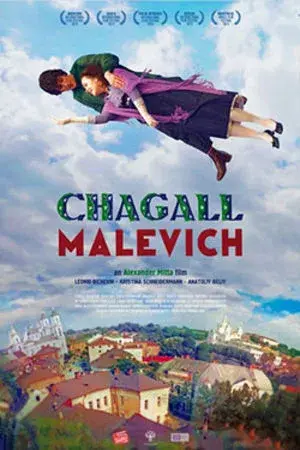
Chagall-Malevich (2015) movie poster

Timeline

Chagall-Malevich (2015) Timeline Explained – Every Event in Order

Release, runtime and language
2015 · 119 min · Russian
Loading streaming availability…
Directed by
Aleksandr Mitta

In 1917, artist Marc Chagall returns to Vitebsk, seeking both love and artistic inspiration. His arrival sparks a rivalry with Kazimir Malevich, a pioneer of abstract painting. As they navigate the Russian empire during a period of revolution, their artistic differences intensify. Amidst personal struggles and the backdrop of historical upheaval, Chagall confronts the challenges of reconciling his passion for art and love in a time of war and profound change.

On this page (5)
  1. 1 Where to watch
  2. 2 Events in order (13)
  3. 3 Timeline questions answered
  4. 4 Movie threads
  5. 5 Every angle
Loading streaming availability…

13 events in order · contains spoilers

Chagall-Malevich Timeline: Events in Chronological Order

Every key event of Chagall-Malevich (2015) in order, scene by scene, with when and where it takes place. Use it to untangle flashbacks, time jumps and parallel storylines, to refresh your memory before the sequel or to find the exact scene you are thinking of.

  1. Marc Chagall's Early Years

    The film begins by focusing on Marc Chagall's formative years in Soviet Russia, particularly in Vitebsk. During this time, he begins to cultivate his artistic talents and lay the groundwork for his future endeavors.

    Where
    Vitebsk
  2. Return to Hometown

    Chagall returns to his hometown of Vitebsk, filled with ambition and a desire to share his artistic vision. He decides to establish an art academy, aiming to nurture the next generation of artists from his community.

    Where
    Vitebsk
  3. Creation of the Museum

    In a significant move for the local arts, Chagall opens a museum dedicated to housing one of the finest collections of Russian avant-garde art. This institution becomes a beacon for artistic expression during a challenging time in Soviet history.

    Where
    Vitebsk
  4. Inviting Kazimir Malevich

    In an effort to elevate the art scene, Chagall extends an invitation to Kazimir Malevich, a pivotal figure in modern art known for his work 'Black Square'. This invitation is significant, as it marks the beginning of a complicated friendship between the two artists.

    Where
    Vitebsk
  5. Malevich's Struggles

    As Malevich arrives in Vitebsk to teach, he faces severe challenges, including hunger and the dire conditions in Petrograd. His struggles foreshadow the pressures that will affect his relationship with Chagall and his creativity.

    Where
    Petrograd
  6. Friendship Blossoms

    Initially, Chagall and Malevich share a friendship rooted in mutual artistic vision and respect. Their collaboration creates a vibrant atmosphere at the art academy and fosters a sense of hope amidst the political chaos of the time.

    Where
    Vitebsk
  7. Creative Rivalry Emerges

    As time progresses, the friendship between Chagall and Malevich gives way to intense creative rivalry. Their differing artistic philosophies and personal ambitions lead to tension, challenging their initial bond.

    Where
    Vitebsk
  8. Animosity Peaks

    The relationship between Chagall and Malevich deteriorates into bitter animosity. This conflict not only affects their artistic endeavors but also reflects the broader turmoil within Soviet society as artists contend with political oppression.

    Where
    Vitebsk
  9. Struggles with Artistic Harmony

    Chagall's vision of creating artistic harmony is met with increasing resistance from his peers and the sociopolitical climate. This struggle becomes a central theme in his life as he grapples with external pressures.

  10. Personal Betrayals

    Amidst the growing tensions, Chagall faces personal betrayals that challenge his dedication to his art and his relationships. These betrayals create a sense of isolation and test his resilience as an artist.

  11. Relationship with Bella

    Chagall's relationship with his wife, Bella, becomes increasingly important as he navigates the tumultuous events around him. Her support is crucial for his perseverance as an artist during this challenging period.

  12. Intensifying Turmoil

    As the rivalry between Chagall and Malevich escalates, it mirrors the larger social and political upheavals of the era. The ongoing conflict reflects the struggles many artists faced as they sought to express their visions amidst chaos.

  13. Legacy of Chagall

    Despite the challenges and rivalries, Chagall's early years in Vitebsk leave a lasting impact on the art community. His dedication to avant-garde art and his teachings continue to inspire future generations long after his time.

    Where
    Vitebsk

Last updated: November 25, 2024 at 19:24

Was this helpful?

Timeline questions answered

Chagall-Malevich Timeline Explained: Your Questions Answered

When does it happen, and why in that order? The questions people ask about the chronology of Chagall-Malevich (2015): time jumps, flashbacks, cause and effect between scenes and the correct order of events, each answered with spoilers.

Q1

Why did Chagall invite Malevich to teach at his academy?

Chagall invited Malevich to Vitebsk to elevate the local art scene and bring diverse artistic perspectives to his newly founded academy. As a pioneer of abstract art known for 'Black Square,' Malevich represented a revolutionary artistic philosophy that Chagall believed would enrich his institution and attract talented students to Vitebsk.

Foreshadowing: Earlier in the film, Chagall establishes his academy with ambitions to create a significant cultural center in Vitebsk, making the invitation a natural extension of his vision.

  • chagall
  • malevich
  • art academy
  • vitebsk
  • teaching position
Q2

What caused the friendship between Chagall and Malevich to turn into rivalry?

Their friendship deteriorated due to fundamental differences in artistic philosophy. Chagall pursued harmonious, emotionally expressive art rooted in his Jewish heritage and folk traditions, while Malevich championed radical abstract art that rejected traditional representation. As they worked closely together at the academy, these conflicting visions created mounting tension that eventually spiraled into personal animosity.

Foreshadowing: Their early collaboration already hinted at tension, as both artists held strong convictions about the direction of modern art.

  • chagall
  • malevich
  • artistic rivalry
  • abstract art
  • philosophical conflict
Q3

How did the Russian Revolution affect the relationship between Chagall and Malevich?

The revolutionary period intensified existing tensions by creating a climate where artists faced pressure to align with specific ideological movements. The political upheaval and social unrest made artistic disagreements more volatile, as both artists struggled to maintain their creative independence while navigating increasing governmental control over cultural expression.

Foreshadowing: The film establishes the turbulent historical backdrop from the opening scenes, showing how the revolution permeated every aspect of daily life in Vitebsk.

  • russian revolution
  • soviet art
  • political pressure
  • artistic freedom
  • chagall
  • malevich
Q4

What were the main artistic differences between Chagall and Malevich?

Chagall's work emphasized dreamlike imagery, vibrant colors, and emotional connection to his Jewish roots and childhood memories in Vitebsk. Malevich's Suprematist approach sought to reduce art to its purest geometric forms, with 'Black Square' representing his rejection of representational art entirely. These fundamentally opposed philosophies made collaboration increasingly difficult.

Foreshadowing: Chagall's nostalgic paintings shown throughout the film contrast sharply with Malevich's stark geometric works displayed at the museum.

  • chagall
  • malevich
  • abstract art
  • suprematism
  • artistic philosophy
  • f folk art
Q5

Why did Chagall face opposition to his vision of artistic harmony?

Chagall's dream of creating a harmonious artistic community clashed with the revolutionary ideology that demanded art serve political purposes. His inclusive approach, which welcomed various artistic styles including both traditional and abstract work, was seen as insufficiently radical by some peers and authorities. The broader societal turmoil made his idealistic vision increasingly difficult to sustain.

Foreshadowing: The museum Chagall established initially appears successful, but early signs of political pressure foreshadow the challenges to come.

  • chagall
  • artistic harmony
  • opposition
  • revolutionary art
  • political pressure
Q6

What role did Bella play in Chagall's life during this period?

Bella served as Chagall's emotional anchor and primary source of support throughout the turbulent period. Their relationship provided him with personal stability and artistic inspiration, becoming increasingly vital as external pressures from rivals, political unrest, and personal betrayals mounted. Her unwavering dedication helped Chagall maintain his creative resilience.

Foreshadowing: The film establishes their deep bond early on, showing Bella as a constant presence who understands Chagall's artistic vision.

  • bella
  • chagall
  • marriage
  • emotional support
  • artistic inspiration
Q7

How did personal betrayals affect Chagall's artistic journey?

Personal betrayals deepened Chagall's sense of isolation and made his already difficult position more painful. These betrayals, occurring amidst the political chaos and artistic rivalry, tested his dedication to both his art and his relationships. The emotional toll contributed to his struggles as he tried to preserve his artistic ideals while facing disappointment from those he trusted.

Foreshadowing: The narrative builds toward these betrayals gradually, showing Chagall's growing vulnerability as external pressures intensify.

  • chagall
  • betrayal
  • personal struggle
  • emotional pain
  • artistic sacrifice
Q8

Why did Chagall's vision of artistic harmony face increasing resistance?

Chagall's inclusive vision conflicted with the revolutionary atmosphere that demanded strict adherence to particular artistic doctrines. As the political situation grew more oppressive, his attempts to maintain a pluralistic art community were viewed as counterrevolutionary. Both the political authorities and more radical artists challenged his leadership and artistic philosophy.

Foreshadowing: The academy foundation scenes show initial enthusiasm, but the political context hints at future conflicts.

  • chagall
  • artistic harmony
  • resistance
  • political upheaval
  • avant-garde
Q9

What led to the complete deterioration of Chagall and Malevich's relationship?

The relationship collapsed under the weight of competing ambitions, ideological conflicts, and the oppressive political environment. What began as creative disagreement evolved into bitter resentment as both artists fought for recognition and influence over the direction of Russian art. The mutual jealousy and philosophical opposition ultimately rendered their collaboration impossible.

Foreshadowing: Their early握手 (handshake) and shared ideals gradually give way to visible tension in academy meetings and public disputes.

  • chagall
  • malevich
  • enmity
  • rivalry
  • artistic conflict
  • petrograd
  • vitebsk
Q10

How did the political climate in Soviet Russia influence the art scene in Vitebsk?

The revolutionary government expected art to serve ideological purposes, creating pressure on artists to conform to state-approved styles. This environment fostered competition for political favor while threatening those who pursued individualistic or traditional approaches. Chagall's internationalist and emotionally-driven art struggled to find acceptance within this rigid framework.

Foreshadowing: The opening scenes establish Vitebsk as a microcosm of the broader revolutionary changes affecting all aspects of Russian society.

  • soviet art
  • political climate
  • revolution
  • art scene
  • governmental control
  • censorship

Movie threads

More Movies Like Chagall-Malevich, by Mood & Story

Curated lists built around what makes Chagall-Malevich tick: the same mood, the same kind of story or the same emotional payoff. Each list explains why these movies belong together.

Movies about artistic rivalry in historical settings like Chagall-Malevich

Chronicles of creative visionaries competing amidst historical upheaval. If you liked the story of competing artists in Chagall-Malevich, explore these movies that feature similar creative rivalries set against periods of historical turmoil. These films often blend biography with drama, exploring how personal ambition and artistic philosophy clash during times of societal upheaval.

  • competitive
  • passionate
  • turbulent
  • introspective
  • enduring
  • resilient
  • Tone: melancholic, reflective
  • Pacing: steady, character-driven
Why these movies?

The story pattern: Stories in this thread typically follow two or more formidable creators whose rivalry is intensified by the political and social revolution happening around them. The narrative explores their differing philosophies, their struggle for recognition, and how external pressures force them to make difficult choices between personal ideals, relationships, and their art.

Why they belong together: Movies are grouped here based on their shared focus on biographical artistic conflict within a specific, volatile historical period. They share a tone of intellectual passion and personal melancholy, driven by character relationships rather than action, and often conclude with bittersweet reflections on legacy and sacrifice.

Bittersweet artist biography movies with a melancholic tone like Chagall-Malevich

Contemplative stories of artists persevering through personal and political struggles. Fans of the reflective and melancholic mood of Chagall-Malevich will appreciate these similar artist biography films. These movies share a steady pace and medium emotional weight, often ending on a bittersweet note as they chart the triumphs and tribulations of a creative life.

  • introspective
  • melancholic
  • passionate
  • reflective
  • enduring
  • resilient
  • Tone: melancholic, bittersweet
  • Pacing: steady, reflective
Why these movies?

The story pattern: The narrative pattern follows an artist's return to a formative place or time, sparking a period of intense creativity challenged by external circumstances. The journey is introspective, balancing moments of artistic breakthrough with setbacks in personal relationships and the harsh realities of their era, leading to a conclusion that acknowledges both achievement and loss.

Why they belong together: These films are united by a specific mood mix: a melancholic and reflective tone, a steady, deliberate pacing that allows for character depth, and a narrative that finds a bittersweet balance between creative triumph and personal sacrifice. The emotional weight is consistently substantive but not overwhelming.

Every angle

Chagall-Malevich (2015) Explained: Plot, Timeline & Characters

Everything about Chagall-Malevich in one place: what happens in the plot summary, the timeline in chronological order, the characters and meaning and a spoiler-free summary. What's After the Movie adds the cast, box office and post-credit scenes.

Coming soon on iOS and Android

The Plot Explained Movie Summary App

Plot summaries, endings explained and timelines on your phone. Catch up on any movie in minutes, save your favorites and never miss a twist again.

Be the first to know when we launch. Your email stays private, always.

Learn more about the app