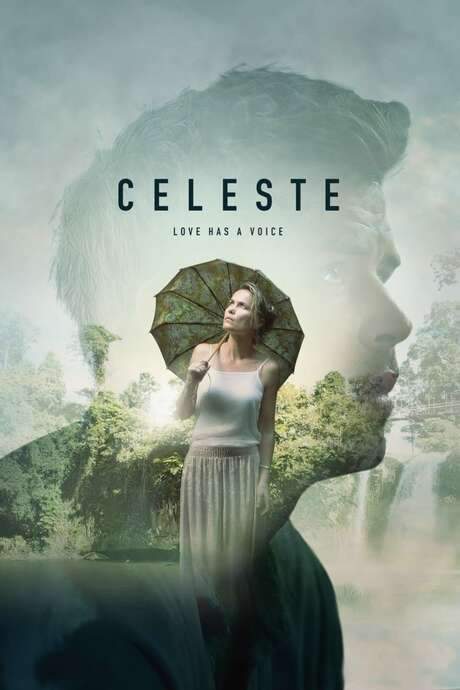
In the lush, humid heart of Far North Queensland, a once‑celebrated opera star has withdrawn from the public eye, trading the bright lights of the stage for the quiet, decaying grandeur of an isolated estate. Celeste chose love over fame, settling amid towering rain‑forest canopies and the slow, inevitable decay of a mansion that bears the weight of memories as thick as the vines that clutch its walls. The film opens on this secluded world, where the echo of forgotten arias drifts through broken corridors, and the surrounding wilderness feels both a sanctuary and a silent witness to a life paused.
The tone is intimate and atmospheric, blending the sensual richness of operatic performance with the raw, almost primal beauty of the tropical landscape. As the camera lingers on moss‑covered stone and sun‑dappled clearings, viewers are invited into a place where art and nature intertwine, suggesting that every lingering note carries the weight of yearning, loss, and the promise of renewal. The estate itself becomes a character, its crumbling elegance reflecting the fragile balance between past grandeur and present solitude.
When Jack, the stepson who never fully escaped the shadows of his father’s legacy, arrives at the edge of the rainforest, the quiet equilibrium is subtly disturbed. He steps into a world that still holds the magnetic pull of his mother‑figure’s voice, finding Celeste both familiar and enigmatically distant. Their reunion is tinged with unspoken histories, and she soon asks him to remain, offering a single, cryptic condition that hints at unfinished business and an impending artistic rebirth.
Against the backdrop of verdant foliage and the looming, weather‑worn structure, the story unfolds with a quiet tension, promising a delicate dance between memory and ambition. The atmosphere is rich with anticipation, suggesting that the final performance may become more than a return to the stage—it may also serve as a bridge between what has been lost and what might yet be reclaimed.