
Captain Eddie
Year: 1945
Runtime: 108 mins
Language: English
Director: Lloyd Bacon
Rick appears on screen in the gripping, exciting story of America’s first Ace of Aces. WWI flyer Eddie Rickenbacker reflects on a life that took him from car salesman and race driver to wartime pilot, and later to a key figure in early civil aviation, after his plane crashed in the South Pacific in late 1942.
Warning: spoilers below!
Haven’t seen Captain Eddie yet? This summary contains major spoilers. Bookmark the page, watch the movie, and come back for the full breakdown. If you're ready, scroll on and relive the story!
Captain Eddie (1945) – Full Plot Summary & Ending Explained
Read the complete plot breakdown of Captain Eddie (1945), including all key story events, major twists, and the ending explained in detail. Discover what really happened, and what it all means.
In World War II, Eddie Rickenbacker, Fred MacMurray, a famed World War I pilot and aviation pioneer, serves as a United States Army Air Forces officer assigned to tour bases across the South Pacific. On October 21, 1942, his Boeing B-17 Flying Fortress has to ditch at sea, forcing Lt. James Whittaker, co-pilot Capt. Bill Cherry and other crew members to survive for 19 days on a tiny rubber raft.
While awaiting rescue, Rickenbacker recalls the remarkable arc of his life, a journey that starts in Columbus, Ohio, where a boy’s fascination with machinery and speed grows into a career as a celebrated race car driver. His mother Elise Mary Philips and father William Charles Bickford watch with mixed pride and concern as his ambitions push him toward cars—and eventually toward flight. When war breaks out, he signs up and becomes a fighter pilot with the 94th Aero Squadron, a path that will forge him into a legendary figure of aerial combat.
By the end of World War I, he has shot down more aircraft than any other American, earning the storied title ace-of-aces. After the war, he marries his sweetheart Adelaide Lynn Bari and enters commercial aviation, becoming a driving advocate and owner in the fledgling airline industry, shaping the future of flight for decades to come.
The timeline shifts back to the present peril in the Pacific, where the long odds of survival hinge on leadership and logistics. Returning to duty in a new conflict, Rickenbacker steps into a natural leadership role among the survivors, coordinating scarce resources, maintaining morale, and orchestrating a steady course toward rescue. The voyage tests friendships, resolve, and the will to endure, highlighting how one man’s experience and calm under pressure can steady a small band of crewmen through an unimaginable crisis.
The ordeal ultimately culminates in a difficult, restrained triumph: after a three-week stay in a military hospital, Rickenbacker is able to complete his mission and is hailed as a true hero, a public reminder of resilience, ingenuity, and the enduring power of leadership in the face of extreme adversity.
Last updated: February 24, 2026 at 09:43
Captain Eddie (1945) Plot Questions Answered – Summary FAQ
Explore frequently asked questions about Captain Eddie (1945) with spoiler-rich answers covering the full plot summary, major story beats, character motivations, hidden details, and ending meaning. This movie summary FAQ helps explain confusing scenes, plot twists, and narrative decisions in clear, searchable detail.
Why did Eddie Rickenbacker become a fighter pilot?
Rickenbacker enlisted as a fighter pilot when World War I began in 1917. Although he had built a career as a successful race car driver, the outbreak of war gave him an opportunity to pursue his passion for speed and machinery in a new way. His fascination with aviation and machines made military flight a natural progression, and his daring personality suited the dangerous work of aerial combat.
His childhood obsession with machinery and speed in Columbus, Ohio foreshadows his transition from racing cars to flying combat aircraft.
How did Eddie Rickenbacker become ace-of-aces?
By the end of World War I, Rickenbacker had shot down more enemy aircraft than any other American pilot, earning him the title 'ace-of-aces.' He flew with the 94th Aero Squadron on the Western Front and developed a reputation for skill and daring in aerial combat. His success made him a national hero and the most celebrated American fighter pilot of WWI.
His transition from civilian racer to combat pilot sets the stage for his legendary combat record.
What caused the B-17 to ditch in the Pacific?
On October 21, 1942, while serving on a tour of South Pacific bases, Rickenbacker was aboard a Boeing B-17 Flying Fortress that was forced to ditch at sea. The exact technical cause isn't detailed in the summary, but the ditching occurred during a mission in the South Pacific region, forcing the crew to abandon the aircraft and survive on a small rubber raft.
Rickenbacker's return to military service in WWII sets up the perilous situation that leads to the crash.
How long were the crew stranded on the raft?
The crew survived for 19 days on a tiny rubber raft in the Pacific Ocean before being rescued. During this time, Rickenbacker organized the dwindling supplies, maintained morale, and led the survivors through the ordeal. One crew member died from exposure during the voyage, highlighting the brutal conditions they endured.
The early days on the raft establish the leadership role Rickenbacker would assume throughout the survival period.
Why was Eddie Rickenbacker important to commercial aviation?
After WWI, Rickenbacker became a driving advocate and owner in the fledgling airline industry. He used his fame and experience to promote the growth of commercial air travel, helping shape the future of aviation for decades to come. His postwar career established him as a key figure in developing the modern airline industry.
His wartime experience with aircraft naturally led to his post-war advocacy for commercial flight.
What was Rickenbecker's leadership role during the raft survival?
During the 19-day ordeal, Rickenbacker stepped into a natural leadership position among the survivors. He coordinated scarce resources, maintained morale, and orchestrated a steady course toward rescue. His experience and calm under pressure steadied the crew through the unimaginable crisis, proving his leadership abilities extended beyond combat.
His earlier roles as race car driver and squadron leader prepared him for this moment of crisis leadership.
Why does the film include flashbacks to Rickenbacker's racing career?
The film uses flashbacks to show how Rickenbacker's childhood fascination with machinery and speed in Columbus, Ohio evolved into his career as a celebrated race car driver and ultimately led to his passion for aviation. These memories illustrate how his early drive for speed and invention shaped his later achievements as both a combat pilot and aviation pioneer.
The opening scenes of his childhood establish the foundational ambition that drives his entire life story.
How did the 1942 crash relate to Rickenbacker's WWI experience?
The 1942 survival ordeal demonstrated how Rickenbacker's decades of experience with aviation and leadership shaped his ability to handle crisis. His calm under pressure and organizational skills, honed during WWI combat and his postwar career, became crucial during the 19-day raft survival. The film contrasts his past achievements with the present danger, showing how his earlier life prepared him for this ultimate test.
His WWII service returns him to the kind of leadership role he excelled at during WWI.
What happened after Rickenbacker was rescued?
After approximately three weeks at sea, the survivors were rescued and taken to a military hospital in the United States. Rickenbacker spent about three weeks recovering from the ordeal and injuries. Once recovered, he was able to complete his mission and was hailed as a true hero, with his resilience and leadership becoming a defining part of his legacy.
The rescue marks the transition from survival to recovery and public recognition.
Why is Eddie Rickenbacker considered a hero?
Rickenbacker is considered a hero for multiple reasons: he became the American ace-of-aces in WWI, shooting down more enemy aircraft than any other pilot. He survived a harrowing 19-day ordeal at sea during WWII while leading fellow crew members to safety. His postwar advocacy helped build the commercial airline industry. The film portrays him as embodying resilience, ingenuity, and enduring leadership in extreme adversity.
His heroic status is built throughout the film through his combat achievements, survival leadership, and post-crisis triumph.

Explore Movie Threads
Discover curated groups of movies connected by mood, themes, and story style. Browse collections built around emotion, atmosphere, and narrative focus to easily find films that match what you feel like watching right now.
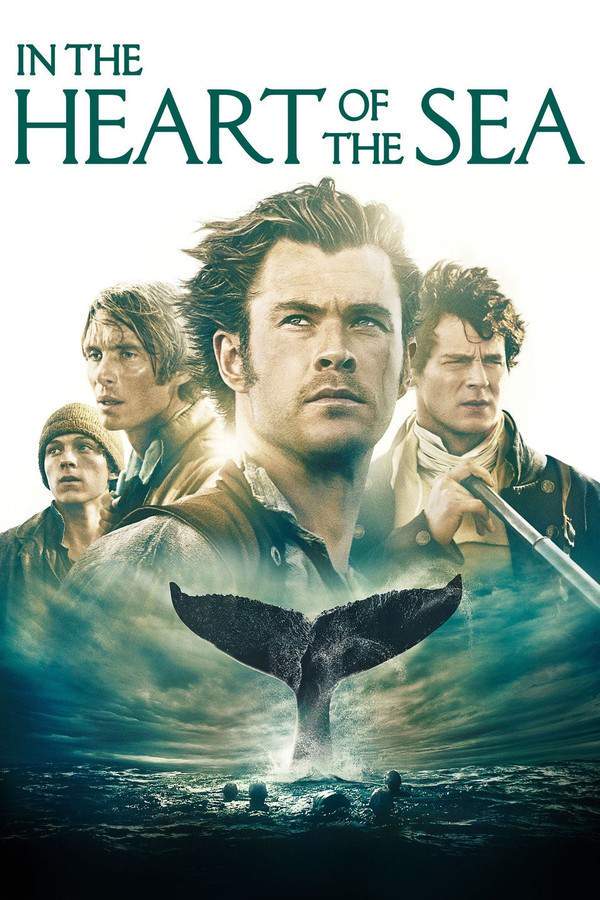
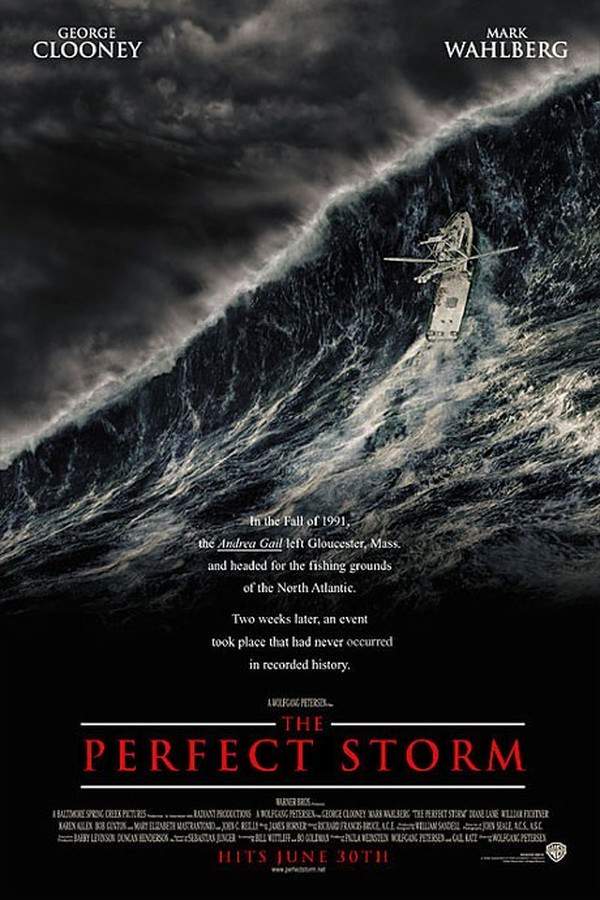
Desperate Survival Movies Like Captain Eddie
Intense stories of individuals pushed to their limits by nature and circumstance.Movies like Captain Eddie that feature a gripping fight for survival against impossible odds. If you enjoyed the tense life-or-death struggle in the South Pacific, you'll find similar high-stakes survival stories here.












Narrative Summary
Stories in this thread typically follow a character's grueling fight to stay alive. The plot structure revolves around overcoming a series of escalating physical and psychological challenges, where every decision carries immense weight and the ultimate goal is simply to endure and be rescued or find safety.
Why These Movies?
Movies are grouped here based on a shared intense focus on survival as the central driver of the plot. They all create a palpable sense of danger and tension, emphasizing human resilience, leadership under pressure, and the raw will to live.
Heroic Biographical Flashbacks Like Captain Eddie
Biographical stories told through pivotal moments of a remarkable life.Biographical movies similar to Captain Eddie that tell a hero's story through impactful flashbacks. If you liked the structure of Eddie Rickenbacker reflecting on his life during a crisis, explore other films about real figures.

Battle Circus
1953
Captain Eddie
1945

Hero
2019

One Life
2024

Beyond Glory
1948

The Return of Musketeers or the Treasure of Cardinal Mazarini
2009

Far and Away
1992
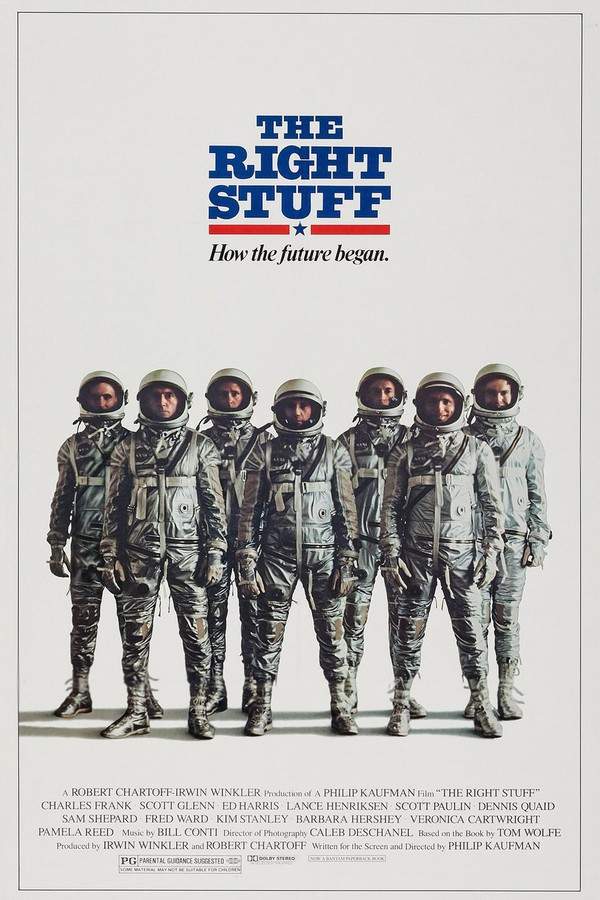
The Right Stuff
1983

Dragon Quest: Your Story
2019

Courageous
2011

The Postman
2025

Passage to Marseille
1944
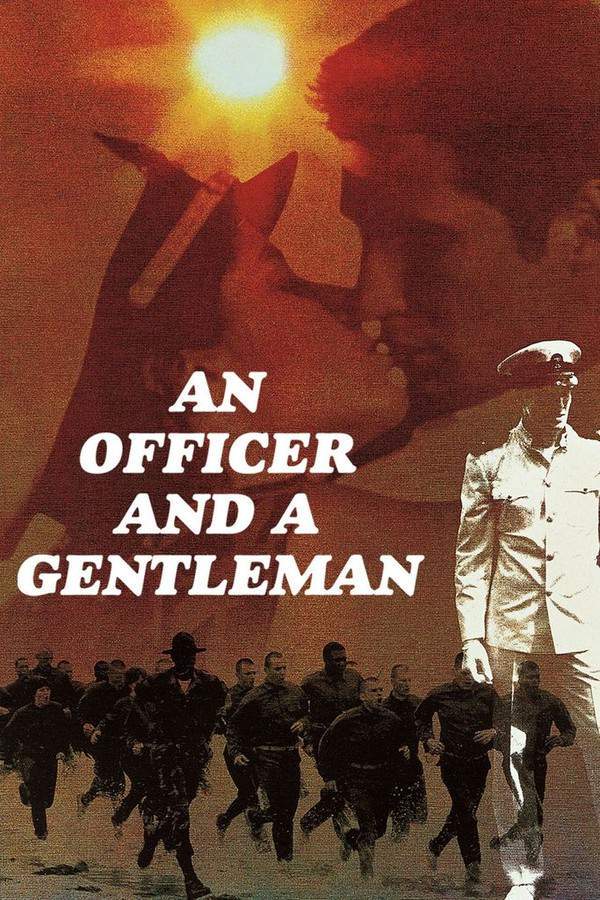
An Officer and a Gentleman
1982

Sight
2024

Lakshya
2004
Narrative Summary
Narratives in this thread use a framing device—often a moment of crisis or reflection—to delve into key episodes from the protagonist's past. The flashbacks are not random but serve to illustrate the qualities and experiences that define the hero, showing how they became who they are.
Why These Movies?
These movies are linked by their specific storytelling technique: using a significant present-day event as a catalyst to explore formative moments from a hero's past. This structure creates depth and shows the origin of their courage and leadership.
Unlock the Full Story of Captain Eddie
Don't stop at just watching - explore Captain Eddie in full detail. From the complete plot summary and scene-by-scene timeline to character breakdowns, thematic analysis, and a deep dive into the ending - every page helps you truly understand what Captain Eddie is all about. Plus, discover what's next after the movie.
Captain Eddie Timeline
Track the full timeline of Captain Eddie with every major event arranged chronologically. Perfect for decoding non-linear storytelling, flashbacks, or parallel narratives with a clear scene-by-scene breakdown.

Characters, Settings & Themes in Captain Eddie
Discover the characters, locations, and core themes that shape Captain Eddie. Get insights into symbolic elements, setting significance, and deeper narrative meaning - ideal for thematic analysis and movie breakdowns.


Similar Movies to Captain Eddie
Discover movies like Captain Eddie that share similar genres, themes, and storytelling elements. Whether you’re drawn to the atmosphere, character arcs, or plot structure, these curated recommendations will help you explore more films you’ll love.

Eddie and the Cruisers
1983

The Tuskegee Airmen
1995

Flight Command
1940

This Man’s Navy
1945

Dive Bomber
1941

Captains of the Clouds
1942

The Eagle and the Hawk
1933

A Yank in the R.A.F.
1941

The Flying Ace
1926

High Barbaree
1947

Captain Midnight
1942

Air Cadet
1951

A Gathering of Eagles
1963

The Dawn Patrol
1930

Captain Jack
1999
Explore More About Movie Captain Eddie
Captain Eddie (1945) Scene-by-Scene Movie Timeline
Captain Eddie (1945) Movie Characters, Themes & Settings
Captain Eddie (1945) Spoiler-Free Summary & Key Flow
Movies Like Captain Eddie – Similar Titles You’ll Enjoy
Eddie and the Cruisers (1983) Story Summary & Characters
The Tuskegee Airmen (1995) Spoiler-Packed Plot Recap
Flight Command (1940) Full Movie Breakdown
This Man’s Navy (1945) Complete Plot Breakdown
Dive Bomber (1941) Film Overview & Timeline
Captains of the Clouds (1942) Complete Plot Breakdown
The Eagle and the Hawk (1933) Plot Summary & Ending Explained
A Yank in the R.A.F. (1941) Story Summary & Characters
The Flying Ace (1926) Complete Plot Breakdown
High Barbaree (1947) Full Summary & Key Details
Captain Midnight (1942) Plot Summary & Ending Explained
Air Cadet (1951) Detailed Story Recap
A Gathering of Eagles (1963) Story Summary & Characters
The Dawn Patrol (1930) Full Movie Breakdown
Captain Jack (1999) Film Overview & Timeline