Camera Buff

Camera Buff

Year: 1979

Runtime: 112 mins

Language: Polish

Director: Krzysztof Kieślowski

Drama

After his first child is born, Filip buys an 8 mm movie camera—the only one in town—and is named the official photographer for the local Party boss. Invitations to regional film festivals broaden his horizons, but his obsession with filmmaking strains his marriage and raises deep philosophical dilemmas.

Warning: spoilers below!

Haven’t seen Camera Buff yet? This summary contains major spoilers. Bookmark the page, watch the movie, and come back for the full breakdown. If you're ready, scroll on and relive the story!

Timeline & Setting – Camera Buff (1979)

Explore the full timeline and setting of Camera Buff (1979). Follow every major event in chronological order and see how the environment shapes the story, characters, and dramatic tension.

Time period

late 1970s

The events unfold in the late 1970s Poland under a communist regime, where state influence dominates everyday life. Public life, production cycles, and cultural performances are filtered through party and union oversight. The Kraków festival context within this period becomes a microcosm of limited recognition and constrained artistic freedom.

Location

Wielice, Poland

Wielice is portrayed as a provincial industrial town in the People's Republic of Poland. The setting reflects a state-run economy where factory life and official oversight shape daily routines. The late 1970s atmosphere is infused with social ambition, political pressure, and subtle tensions between personal life and public progress.

🏭 Industrial town 🗺️ Poland 🎬 Filmmaking backdrop

Last Updated: October 05, 2025 at 08:38

Main Characters – Camera Buff (1979)

Meet the key characters of Camera Buff (1979), with detailed profiles, motivations, and roles in the plot. Understand their emotional journeys and what they reveal about the film’s deeper themes.

Filip Mosz (Jerzy Stuhr)

A factory worker who becomes a nervous new father and devoted husband. He discovers a passion for cinema after acquiring an 8mm camera, and his filming gradually reshapes how he sees his world. The camera becomes both a window and a magnet, drawing him away from his family and toward a larger social landscape. His growing obsession triggers a profound personal transformation.

🎬 Filmmaker 👨‍👧 Father

Stanisław Osuch (Jerzy Nowak)

Head of the works council and Filip's mentor, he embodies a practical, loyal figure within the factory's social structure. He believes in workers' solidarity but is vulnerable to political pressure. His support for Filip gradually collides with party demands, leading to professional consequences. He ultimately loses his job as the exposé escalates.

🧭 Mentor 🛡️ Authority

Anna Włodarczyk (Ewa Pokas)

An attractive, self-described amatorka who encourages Filip's filmmaking and pushes him to explore beyond daily life. She becomes a catalyst for his creative exploration and validates his new passion. Her presence highlights the appeal of art and friendship in a constrained society, even as relationships become entangled with risk. Her role is both inspiring and destabilizing.

🎨 Muse 💃 Encourager

Krzysztof Zanussi (Krzysztof Zanussi)

Appearing as himself, a renowned director, he offers an external perspective on filmmaking. His cameo places Filip's experiences within a broader cinematic world and invites reflection on cinema's power. The meta-presence underscores the tension between artistic truth and political expediency. His appearance acts as a touchstone for the film's meditation on art.

🎬 Cameo 🧭 Outside Perspective

Director

On-set authority figure who represents the gatekeeping voice of cinema within the factory world. He guides and limitations Filip’s shooting and how the footage should be treated. His interactions reveal how power shapes art and the consequences of challenging boundaries. He serves as a reminder of institutional constraints within the setting.

🎯 On-Set Authority 🧩 Gatekeeper

Last Updated: October 05, 2025 at 08:38

Major Themes – Camera Buff (1979)

Explore the central themes of Camera Buff (1979), from psychological, social, and emotional dimensions to philosophical messages. Understand what the film is really saying beneath the surface.

🎬 Obsession

Filip's fascination with the camera grows into a consuming pursuit. He uses filmmaking to shape reality, gradually prioritizing what he shoots over who he is with. The pursuit isolates him from family and responsibilities. The film uses this obsession to explore how art can redefine identity, for better or worse.

🛡️ Censorship

Power structures pressure Filip to edit out sensitive shots, policing what can be shown. His festival submission becomes a battleground over truth and loyalty, revealing how authority curtails artistic expression. The risk of professional and personal fallout highlights cinema's fraught relationship with power. The narrative questions whether documentary honesty can survive under control.

👨‍👩‍👧 Family

Filip's obsession fractures his family life as his attention shifts to the camera. He neglects domestic duties and personal relationships, pushing his wife away. The climax underscores the personal cost of artistic pursuit and the fragility of family bonds. The story grounds its social critique in the intimate consequences of ambition.

🎭 Self-Discovery

Eventually Filip turns the camera onto himself, producing a raw self-portrait. This turning point confronts the consequences of his ambitions and the gap between image and reality. The moment reveals the hollow core of his earlier fantasies and the complexity of self-identity under pressure. It blurs the line between observer and observed, prompting reflection on truth in cinema.

Last Updated: October 05, 2025 at 08:38

Mobile App Preview

Coming soon on iOS and Android

The Plot Explained Mobile App

From blockbusters to hidden gems — dive into movie stories anytime, anywhere. Save your favorites, discover plots faster, and never miss a twist again.

Sign up to be the first to know when we launch. Your email stays private — always.

Explore Movie Threads

Discover curated groups of movies connected by mood, themes, and story style. Browse collections built around emotion, atmosphere, and narrative focus to easily find films that match what you feel like watching right now.

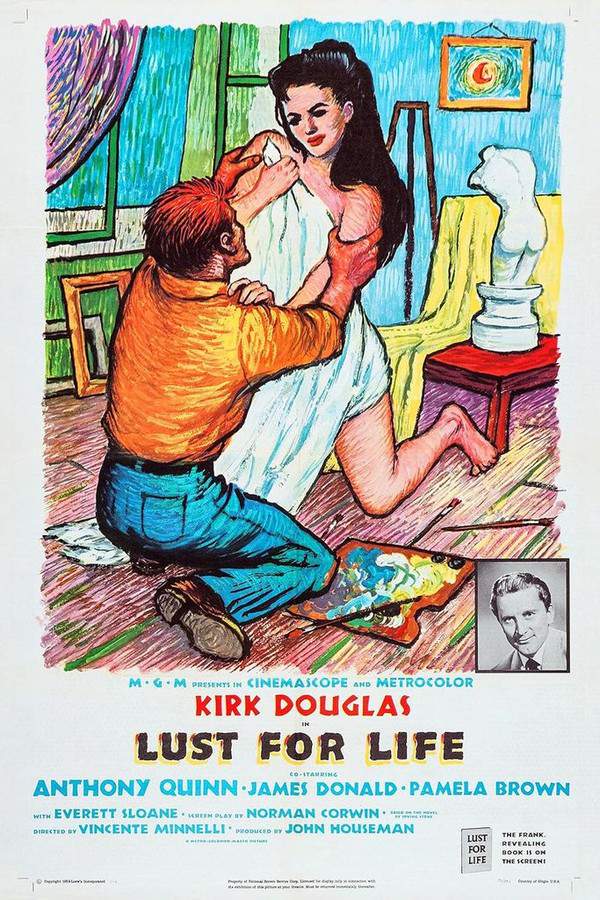
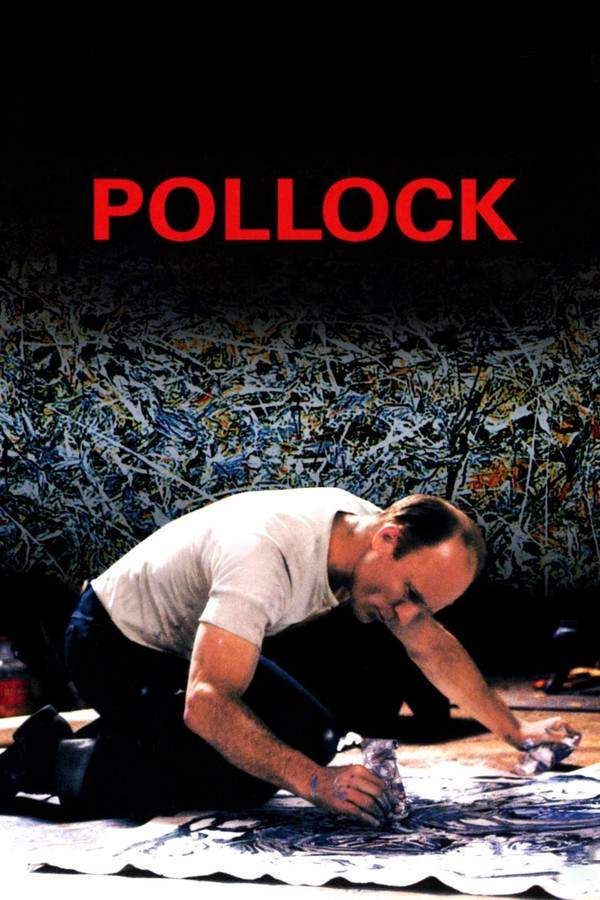
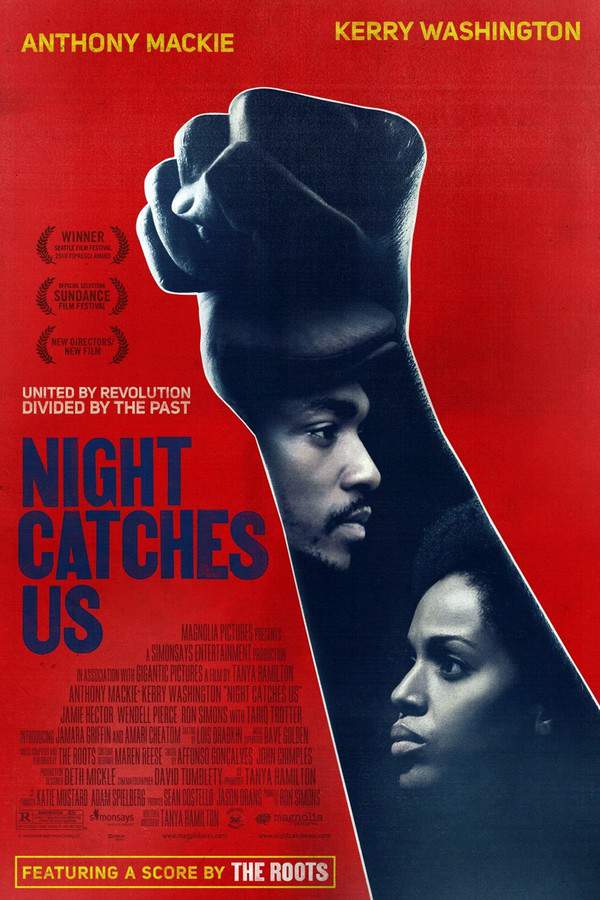
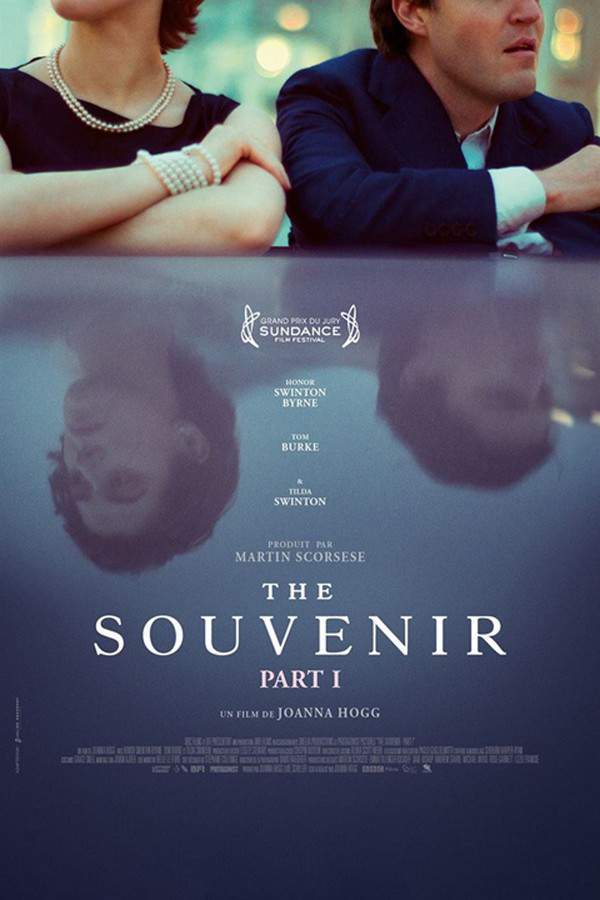
Movies about Artistic Obsession like Camera Buff

Stories where a consuming creative passion upends a quiet life.If you liked Camera Buff, this list features movies with protagonists whose deep dive into an art form strains their marriages and personal lives. These films explore the bittersweet and often melancholic conflict between creative passion and domestic stability, asking what price we pay for our art.

artistic obsessionpersonal sacrificemelancholictransformativegrowing disillusionmentquiet conflictemotional heaviness

Narrative Summary

These stories typically follow a 'fish out of water' arc, where a protagonist stumbles into a new creative world. The narrative charts their growing skill and obsession, which inevitably clashes with their former life, leading to a crisis where they must choose, or lose, something precious.

Why These Movies?

They are grouped by their shared focus on the transformative and often destructive power of creativity. The tone is introspective, the emotional weight is heavy, and the pacing is steady, building tension from internal conflict rather than external events.

Movies about Political Disillusionment like Camera Buff

Personal awakenings to the oppressive realities of a political system.For viewers seeking more films like Camera Buff, this thread collects stories set within repressive societies where characters slowly lose their naivety. These dramas focus on the quiet, internal conflict of realizing the gap between official ideology and harsh reality, often with a sad or bittersweet conclusion.

political awakeningoppressive systemdisillusionmentobservationalethical dilemmaquiet tensionsad ending

Narrative Summary

The narrative pattern is one of incremental disillusionment. A protagonist, often starting from a position of relative comfort or ignorance within the system, encounters events that challenge their beliefs. The story unfolds through a series of ethical dilemmas, leading to a loss of innocence and a lonely confrontation with hard truths.

Why These Movies?

They share a specific mood of observational melancholy and a theme of confronting political power. The pacing is steady, allowing the weight of realization to build slowly, and the endings are typically sad, reflecting the high personal cost of awakening.

Unlock the Full Story of Camera Buff

Don't stop at just watching — explore Camera Buff in full detail. From the complete plot summary and scene-by-scene timeline to character breakdowns, thematic analysis, and a deep dive into the ending — every page helps you truly understand what Camera Buff is all about. Plus, discover what's next after the movie.

Camera Buff Summary

Read a complete plot summary of Camera Buff, including all key story points, character arcs, and turning points. This in-depth recap is ideal for understanding the narrative structure or reviewing what happened in the movie.

Camera Buff Summary

Camera Buff Timeline

Track the full timeline of Camera Buff with every major event arranged chronologically. Perfect for decoding non-linear storytelling, flashbacks, or parallel narratives with a clear scene-by-scene breakdown.

Camera Buff Timeline

Camera Buff Spoiler-Free Summary

Get a quick, spoiler-free overview of Camera Buff that covers the main plot points and key details without revealing any major twists or spoilers. Perfect for those who want to know what to expect before diving in.

Camera Buff Spoiler-Free Summary

More About Camera Buff

Visit What's After the Movie to explore more about Camera Buff: box office results, cast and crew info, production details, post-credit scenes, and external links — all in one place for movie fans and researchers.

More About Camera Buff

Similar Movies to Camera Buff

Discover movies like Camera Buff that share similar genres, themes, and storytelling elements. Whether you’re drawn to the atmosphere, character arcs, or plot structure, these curated recommendations will help you explore more films you’ll love.