Plot Explained Spoilers guaranteed!
Plot Explained

Browse by genre

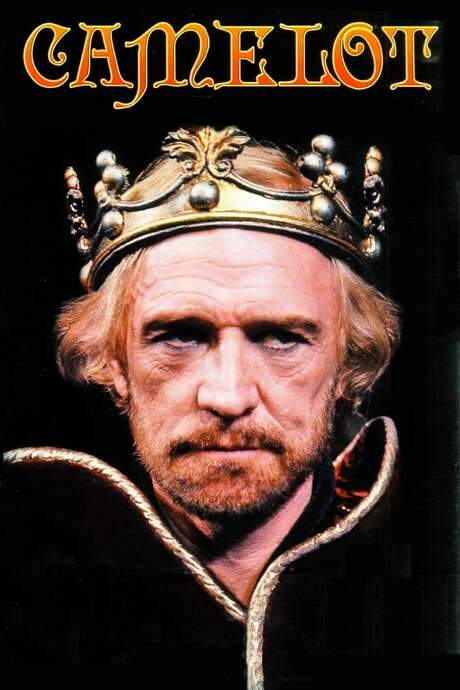
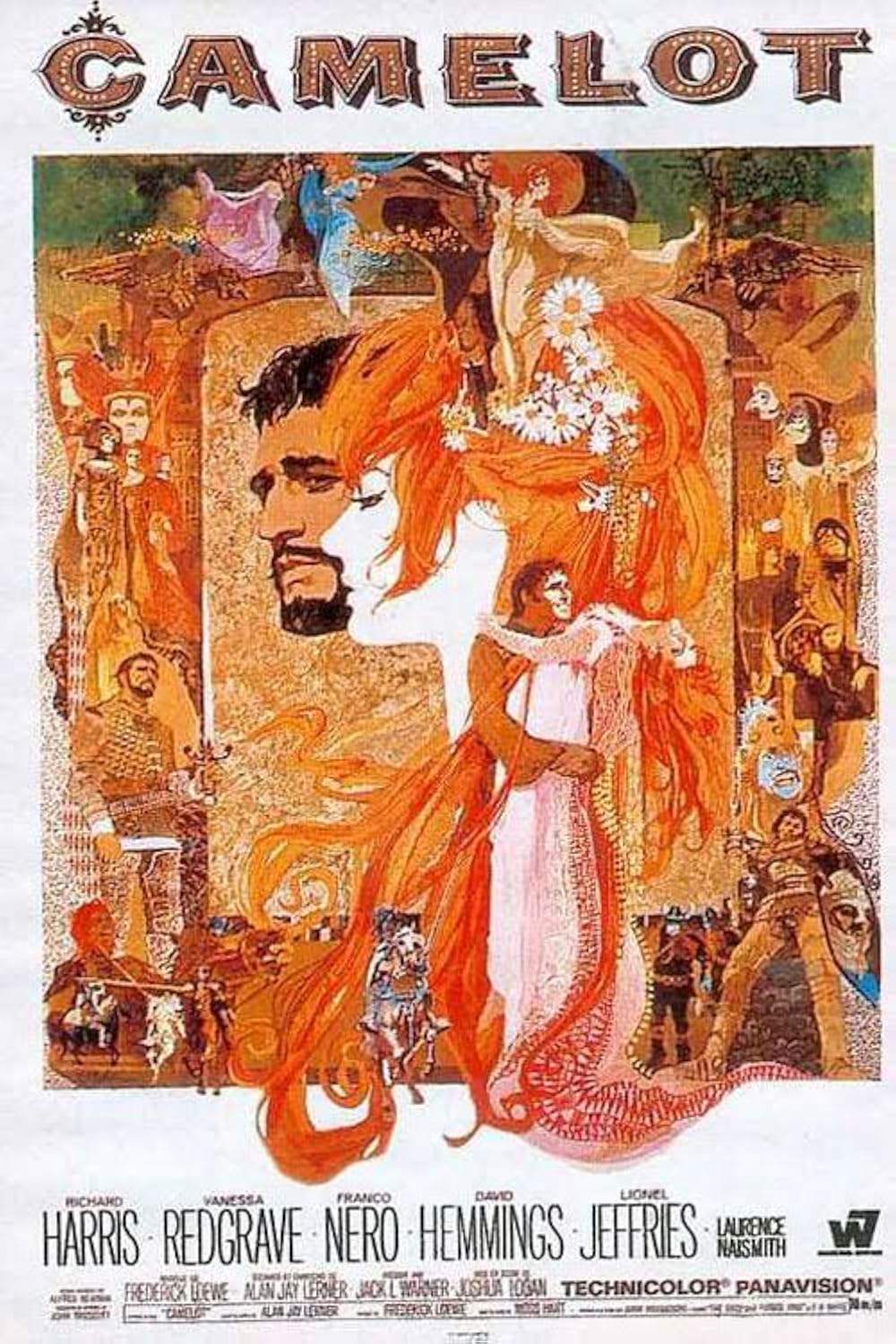
Camelot (1967) movie poster

Timeline

Camelot (1967) Timeline Explained – Every Event in Order

Release, runtime and language
1967 · 179 min · English
Loading streaming availability…
Directed by
Joshua Logan
Starring
Vanessa Redgrave, Richard Harris

A young prince's journey to becoming king is guided by the wise sorcerer Merlin in this tale of chivalry and magic. Merlin vows to prepare Arthur for his rightful kingship, leading him on legendary quests filled with mythical creatures and challenges that will test his strength and wisdom. The fate of a kingdom rests on Arthur's ability to embrace his destiny and unite a land in need of a true leader.

On this page (6)
  1. 1 Where to watch
  2. 2 Events in order (15)
  3. 3 Timeline questions answered
  4. 4 Movie threads
  5. 5 Movies like Camelot
  6. 6 Every angle
Loading streaming availability…

15 events in order · contains spoilers

Camelot Timeline: Events in Chronological Order

Every key event of Camelot (1967) in order, scene by scene, with when and where it takes place. Use it to untangle flashbacks, time jumps and parallel storylines, to refresh your memory before the sequel or to find the exact scene you are thinking of.

  1. Vibrant Overture

    The movie opens with a vibrant orchestra playing an overture that features both the 'Camelot March' and the signature title song. This sets the tone for the enchanting tale of King Arthur and his quest for a noble society.

  2. Arthur's Reflection

    As dawn breaks, King Arthur finds himself in deep contemplation about the choices he's made that led him to this moment. He reaches out to his mentor, Merlyn, seeking clarity ahead of an impending conflict with Lancelot and his knights.

  3. Meeting Merlyn as Wart

    A flashback takes viewers to young Arthur, known as Wart, who wanders in a serene forest and encounters Merlyn. Here, Merlyn gently reminds Arthur not to overthink, redirecting his focus to future memories.

    When
    Morning
    Where
    Forest
  4. Arthur Serenades

    In a whimsical tree, Arthur sings 'I Wonder What the King Is Doing Tonight?', revealing his anxieties about an arranged marriage to Guenevere. His heartfelt performance captures the audience's sympathy and the weight of his worries.

    Where
    Tree
  5. Guenevere's Arrival

    The procession for Guenevere arrives, though she is disheartened about marrying Arthur for political reasons. In her song 'The Simple Joys of Maidenhood', she longs for freedom and a life filled with genuine happiness.

  6. Secret Moment in the Woods

    While Guenevere's attendants prepare for the wedding, she sneaks away to pray in the woods. An accidental encounter with Arthur deepens their connection as he assures her of his noble intentions, providing her a glimpse of hope.

    Where
    Woods
  7. Wedding Celebration

    After sharing a moment of understanding, Arthur paints a crystal-clear image of Camelot as their paradise. Guenevere, swayed by his vision and after reprising 'Camelot,' agrees to the marriage, leading to a jubilant celebration.

    Where
    Camelot
  8. Arthur's Vision for Camelot

    Four years after their wedding, Arthur witnesses the disorder in England caused by corrupt lords. He proposes establishing a new chivalric order that values justice, igniting enthusiasm in Guenevere.

    Where
    Camelot
  9. Lancelot's Entrance

    Lancelot, intrigued by Arthur's vision, confidently announces his eagerness to join the cause through the catchy number 'C'est Moi!'. His grand entrance captures the excitement of the court and signifies the rise of his character.

    Where
    Camelot
  10. The Duel

    A fateful misunderstanding leads to a duel between Lancelot and Arthur. Upon realizing his mistake, Lancelot seeks forgiveness, and with Arthur impressed by his skills, he is offered immediate knighthood.

    Where
    Camelot
  11. The Lusty Month of May

    As the celebrations continue, Guenevere leads the court in a lively rendition of 'The Lusty Month of May'. The performance infuses a spirited atmosphere into Camelot, enhancing the emotional bonds among the characters.

    Where
    Camelot
  12. Jousting Events

    Exciting jousting events take place, filled with clownish energy and competitive spirit. Lancelot emerges as the star, showcasing his heroism by saving Sir Lionel and capturing the hearts of those who witness his bravery.

    Where
    Jousting Field
  13. Love and Betrayal

    As romance secretly blossoms between Lancelot and Guenevere, they struggle with their feelings and loyalties to Arthur. In a powerful moment, they express their anguish and love in the duet 'If Ever I Would Leave You.'

  14. Mordred's Threat

    Mordred, Arthur's illegitimate son, reveals his sinister intentions to undermine the Round Table. His manipulations create a rift in Camelot, complicating Arthur's resolve and loyalty among his allies.

  15. The Climactic Rescue

    In a dramatic climax, Guenevere faces condemnation, prompting Lancelot to rush to her rescue. Their harrowing escape highlights the fragility of honor and love, culminating in a haunting reflection for Arthur about the ideals of Camelot.

Last updated: November 15, 2024 at 20:34

Was this helpful?

Timeline questions answered

Camelot Timeline Explained: Your Questions Answered

When does it happen, and why in that order? The questions people ask about the chronology of Camelot (1967): time jumps, flashbacks, cause and effect between scenes and the correct order of events, each answered with spoilers.

Q1

Why does Arthur allow Lancelot and Guenevere to escape instead of executing them?

Arthur chooses mercy over vengeance because executing his wife and most powerful knight would destroy the very ideals of justice and chivalry that Camelot was built upon. Rather than satisfy his personal heartbreak, Arthur preserves his kingdom's honor and allows Lancelot and Guenevere to flee, accepting that their love, while betraying him, does not warrant the destruction of his life's work.

Foreshadowing: Earlier, Arthur establishes the Round Table order based on justice and righteousness, making his decision at the end consistent with those ideals.

  • arthur
  • lancelot
  • guenevere
  • mercy
  • execution
  • camelot fall
Q2

Why does Guenevere agree to marry Arthur after initially rejecting the arrangement?

Guenevere changes her mind after a private conversation with Arthur in the woods where he assures her of his good intentions and paints a vision of Camelot as a paradise where they can be happy together. His sincerity and the romantic vision he presents sway her from viewing the marriage as purely political to accepting it as a potential genuine partnership.

Foreshadowing: Guenevere's initial song about longing for the simple joys of maidenhood shows her desire for authentic happiness, which Arthur's vision appears to offer.

  • guenevere
  • marriage
  • woods
  • accepting marriage
  • camelot vision
Q3

What motivates Lancelot to join Arthur's kingdom?

Lancelot is inspired by Arthur's vision of establishing a new order of chivalry that champions right over might. When he hears about Arthur's plan to create the Round Table and unite England through justice rather than tyranny, Lancelot sees an opportunity to use his warrior skills for a noble cause and declares his eagerness to join.

Foreshadowing: Arthur announces his vision for a chivalric order after seeing the chaos caused by corrupt lords, which directly attracts Lancelot.

  • lancelot
  • joining
  • chivalry
  • round table
  • cause
Q4

How does Mordred threaten Camelot?

Mordred, Arthur's illegitimate son, schemes to undermine the Round Table from within. His machinations create discord and rift among the knights, ultimately leading to the climactic events where Guenevere faces condemnation. Mordred exploits the affair between Lancelot and Guenevere to destabilize Arthur's rule and destroy the kingdom Arthur built.

Foreshadowing: Mordred's introduction as an antagonist with plans to dismantle the Round Table sets up the final conflict.

  • mordred
  • threat
  • round table
  • schemes
  • antagonist
Q5

Why don't Lancelot and Guenevere run away together despite being in love?

Both Lancelot and Guenevere choose to stay and suppress their feelings out of loyalty to Arthur and the kingdom. In their song 'If Ever I Would Leave You,' they sing about how they would never abandon their commitments, even though their love is genuine. Their sense of duty and honor keeps them in Camelot until the crisis forces Lancelot to rescue Guenevere.

Foreshadowing: The tension between them is noticed by Arthur after the jousting events, where he senses a bond forming.

  • lancelot
  • guenevere
  • loyalty
  • staying
  • love triangle
Q6

What triggers the downfall of Camelot?

Camelot's unraveling is triggered by the exposed affair between Lancelot and Guenevere, which Mordred exploits to create chaos. When Guenevere faces condemnation for her betrayal, Lancelot rescues her, leading to open conflict. This personal betrayal fractures the unity of the Round Table and forces Arthur to choose between his personal hurt and his kingdom's ideals, ultimately shattering Camelot's unity.

Foreshadowing: Arthur senses the growing bond between Lancelot and Guenevere after the jousting, foreshadowing the eventual betrayal.

  • fall
  • downfall
  • affair
  • mordred
  • camelot collapse
Q7

How does Arthur create the Round Table?

Four years after marrying Guenevere, Arthur witnesses England suffering under corrupt lords and decides to establish a new order of chivalry. He proposes the Round Table, where knights are equal and justice matters more than might. Guenevere supports this vision, and the concept spreads quickly, attracting knights like Lancelot who believe in Arthur's noble cause.

Foreshadowing: Arthur's early encounters with Merlyn and his destiny as a ruler establish his inclination toward just leadership.

  • round table
  • founding
  • chivalric order
  • england
  • knights
Q8

What does the ending imply about Camelot's legacy?

The ending suggests that while Camelot as a physical kingdom falls due to human failings and betrayal, its ideals live on as a timeless legend. Arthur reflects on Camelot's eternal significance, and the final chorus echoes the enchanting song, preserving the kingdom's mythic status. The story becomes about how noble ideals can inspire even after their physical manifestation fails.

Foreshadowing: The repeated motif of 'Camelot' as a song throughout the film establishes it as an anthem of ideal rather than reality.

  • ending
  • legacy
  • legend
  • ideals
  • camelot memory
Q9

Why is Arthur reflecting on where his journey went wrong at the start of the film?

Arthur begins the film in deep contemplation because he faces an impending conflict with Lancelot and his knights. Seeking guidance from his mentor Merlyn, he looks back at the pivotal moments of his life to understand what led him to this crisis point. This framing device sets up the entire narrative as Arthur's attempt to make sense of Camelot's fate.

Foreshadowing: Merlyn guides Arthur to recall meeting Guenevere, which becomes the foundation of the story's central conflict.

  • arthur
  • reflection
  • merlyn
  • moment
  • crisis
Q10

Why does Arthur grant Lancelot knighthood immediately after their duel?

Despite their misunderstanding leading to a duel, Arthur is so impressed by Lancelot's extraordinary combat prowess that he offers him immediate knighthood on the spot. Recognizing Lancelot's exceptional skill, Arthur sees him as a valuable asset for his new order of chivalry and doesn't let the earlier conflict阻止 him from recruiting such a capable knight.

Foreshadowing: Arthur's vision for the Round Table requires the strongest knights, making Lancelot an essential addition.

  • lancelot
  • knighthood
  • duel
  • impressed
  • skill
Q11

Why is Mordred's身份 as Arthur's illegitimate son significant?

Mordred's status as Arthur's illegitimate son adds personal betrayal to his political scheming against Camelot. Unlike external enemies, Mordred has a claim to the throne and familial connection to Arthur, making his threat more dangerous and thematically resonant. His desire to dismantle the Round Table becomes a form of filial rebellion against the father who denied him recognition.

Foreshadowing: The film's exploration of legitimacy and right rule through Arthur's kingship makes Mordred's claim personally threatening.

  • mordred
  • illegitimate
  • son
  • betrayal
  • claim throne
Q12

Why does Guenevere become interested in Lancelot's ideas?

Guenevere shows keen interest in Lancelot's chivalrous ideas, which creates playful tension between the knights. Her curiosity suggests she finds in Lancelot a kindred spirit who embodies the romantic ideals she and Arthur once shared. This intellectual connection precedes their emotional affair and highlights how Guenevere values both thought and action in a knight.

Foreshadowing: Arthur's authority stands in contrast to Lancelot's more romantic chivalry, creating the triangular tension that drives the story.

  • guenevere
  • lancelot
  • interest
  • chivalry
  • tension

Movie threads

More Movies Like Camelot, by Mood & Story

Curated lists built around what makes Camelot tick: the same mood, the same kind of story or the same emotional payoff. Each list explains why these movies belong together.

Bittersweet Musical Romances like Camelot

Grand musicals where soaring romance is shadowed by a tragic, poignant conclusion. Discover movies like Camelot that blend sweeping romance with the grand spectacle of musical theatre. If you enjoyed the tragic love triangle set to a memorable score, you'll find similar stories of fated love, courtly drama, and bittersweet endings in this collection of films.

  • romantic
  • melancholic
  • tragic
  • nostalgic
  • courtly
  • idealistic
  • Tone: romantic, whimsical, melancholic
  • Pacing: steady, building emotional peaks
Why these movies?

The story pattern: Stories in this thread typically follow a central, often idealized, romance that is challenged by external forces or internal conflicts. The journey is punctuated by emotional musical numbers that express the height of love and the depths of despair, culminating in an ending that preserves the beauty of the love story while acknowledging its tragic cost.

Why they belong together: These movies are grouped by their shared foundation in the musical genre, a prominent romantic plotline with significant emotional weight, and a final act that leans towards the bittersweet or tragic. The tone often balances whimsical or hopeful moments with a strong undercurrent of melancholy.

Stories of Fallen Kingdoms like Camelot

Tales of noble rulers building a peaceful kingdom, only to see it crumble from within. Explore movies similar to Camelot that depict the creation and eventual decline of an idealized realm. If you were captivated by Arthur's dream of a just Camelot undone by love and betrayal, you will appreciate these epic tales of noble ambitions, political intrigue, and the tragic cost of idealism.

  • idealistic
  • tragic
  • introspective
  • courtly
  • melancholic
  • political
  • Tone: idealistic, melancholic, tragic
  • Pacing: steady, epic chronology
Why these movies?

The story pattern: The narrative pattern involves the establishment of a seemingly perfect society under a charismatic leader. This golden age is then tested, often by internal conflict, a key betrayal, or the leader's own idealism blinding them to threats. The story arc is one of ascent followed by a poignant, inevitable descent, leaving behind a powerful legend.

Why they belong together: Movies are grouped here by their shared thematic focus on the construction and deconstruction of an ideal. They possess a medium emotional weight, a steady, epic pacing, and a tone that mixes hopeful idealism with a destined melancholy, exploring the tragic gap between dream and reality.

If you liked this

Movies Like Camelot

Similar movies to Camelot: the same genre, themes or kind of story. Each one comes with its own plot summary, timeline and ending explained.

Browse all movie summaries

Every angle

Camelot (1967) Explained: Plot, Timeline & Characters

Everything about Camelot in one place: what happens in the plot summary, the timeline in chronological order, the characters and meaning and a spoiler-free summary. What's After the Movie adds the cast, box office and post-credit scenes.

Coming soon on iOS and Android

The Plot Explained Movie Summary App

Plot summaries, endings explained and timelines on your phone. Catch up on any movie in minutes, save your favorites and never miss a twist again.

Be the first to know when we launch. Your email stays private, always.

Learn more about the app