Year: 1967
Runtime: 179 min
Language: English
Director: Joshua Logan
A young prince's journey to becoming king is guided by the wise sorcerer Merlin in this tale of chivalry and magic. Merlin vows to prepare Arthur for his rightful kingship, leading him on legendary quests filled with mythical creatures and challenges that will test his strength and wisdom. The fate of a kingdom rests on Arthur's ability to embrace his destiny and unite a land in need of a true leader.
Warning: spoilers below!
Haven’t seen Camelot yet? This summary contains major spoilers. Bookmark the page, watch the movie, and come back for the full breakdown. If you're ready, scroll on and relive the story!
Read the complete plot breakdown of Camelot (1967), including all key story events, major twists, and the ending explained in detail. Discover what really happened—and what it all means.
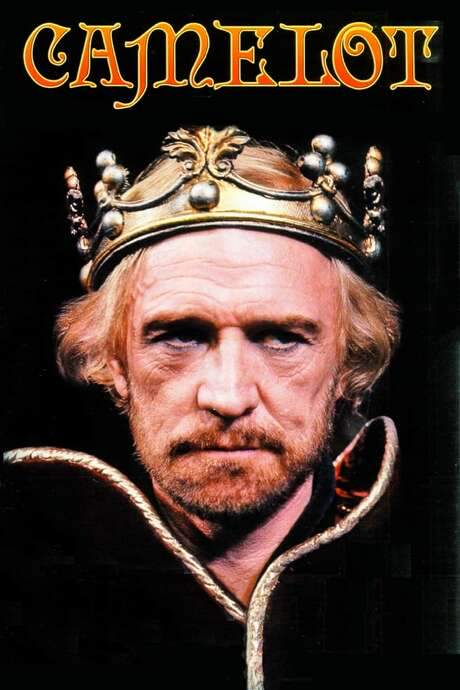
During the opening sequence, reminiscent of the Broadway adaptation, the studio orchestra presents a vibrant overture that includes both the Camelot March and the signature title song. The narrative unfolds in the shrouded darkness of dawn, where a chorus melodiously echoes lines from Guenevere. At this moment, King Arthur, portrayed by Richard Harris, seeks guidance from his unseen mentor, Merlyn. With the imminent clash against Lancelot and his Joyous Gard knights, Arthur grapples with internal questions, pondering where his journey took a wrong turn. Merlyn, surfacing, prompts him to recall one of the pivotal moments of his life, guiding the story into a series of flashbacks.
The first flashback reveals a young Arthur, known as Wart, portrayed by [Nicholas Beauvy]. In a tranquil morning setting, he wanders through a forest and encounters Merlyn, who chides him for overthinking. Merlyn directs Arthur’s focus to the day he met Guenevere, played by Vanessa Redgrave. The following scene portrays Arthur in a snow-laden tree, where he serenades the world below with I Wonder What the King Is Doing Tonight? confessing his fears about the arranged marriage. The procession bearing Guenevere soon arrives; however, she is less than thrilled about this union of political convenience. In her despair, she expresses her longing for the simple joys of maidenhood in her song, The Simple Joys of Maidenhood.
While Guenevere’s attendants prepare her for the wedding, she clandestinely slips away to pray in the woods, where Arthur accidentally falls from his hiding place. He assures her of his benign intentions, and they share a moment of connection. Arthur paints a promising picture of Camelot, claiming it to be a paradise for them to live joyfully. Guenevere, after a captivating reprise of Camelot, agrees to their marriage, leading to a communal celebration filled with song as they enter the city for their wedding.
Four years later, Arthur reflects on the chaotic state of England under corrupt lords, sparks the idea of establishing a new order of chivalry that champions right over might. Skeptical yet intrigued, Guenevere and Arthur express their vision through another reprise of Camelot. News of their new knighthood spreads rapidly, capturing the attention of Lancelot, who declares his eagerness to join Arthur’s cause through song. Lancelot’s grand entrance is marked by his confident declaration in C’est Moi!, as he praises Arthur’s noble vision.
However, an accident nearly leads to disaster when Lancelot and Arthur meet in a duel. Recognizing his blunder, Lancelot seeks forgiveness while Arthur, impressed by his prowess, offers immediate knighthood. As festivities continue, Guenevere rallies the court into playful revelry in The Lusty Month of May, bolstering a spirited atmosphere.
As Arthur introduces his new knight, the elderly King Pellinore hilariously returns to Camelot, stirring memories of when he knew the young Wart. The character dynamics deepen as Guenevere shows keen interest in Lancelot’s chivalrous ideas, causing playful tension between the knights. Despite Arthur’s authoritative stance, Guenevere plots a challenge to test Lancelot’s mettle.
The jousting events unfold with a circus-like flair, where Lancelot shines, even saving Sir Lionel from near defeat in an intense moment of compassion. The consequences of this triumph bear weight as Arthur senses a bond blossoming between Lancelot and Guenevere. In a poignant moment of introspection, Arthur contemplates his feelings for both, wrestling with the threat of betrayal that looms.
As the tension escalates, Lancelot and Guenevere’s clandestine romances unfurl, leading them to forsake their love for each other to safeguard Arthur. Their hearts are torn as they sing If Ever I Would Leave You, solidifying their connection despite their promises of loyalty. Meanwhile, Mordred, Arthur’s illegitimate son, emerges as an antagonist with plans to dismantle the Round Table.
Mordred’s machinations sow discord, leading to a climactic climax where Gunevere faces condemnation. In an intense sequence, Lancelot arrives just in time to rescue her as chaos reigns. The trials they endure illuminate the fragile nature of honor and love, ultimately reflecting back on the legendary ideals of Camelot. Arthur strives for a resolution that preserves his kingdom’s legacy, inspiring the young Sir Thomas Malory who witnesses the events unfold. In the finale, Arthur contemplates the eternal significance of Camelot, as a chorus resonates with the enchanting Camelot reiteration, echoing its timeless nature through the ages.
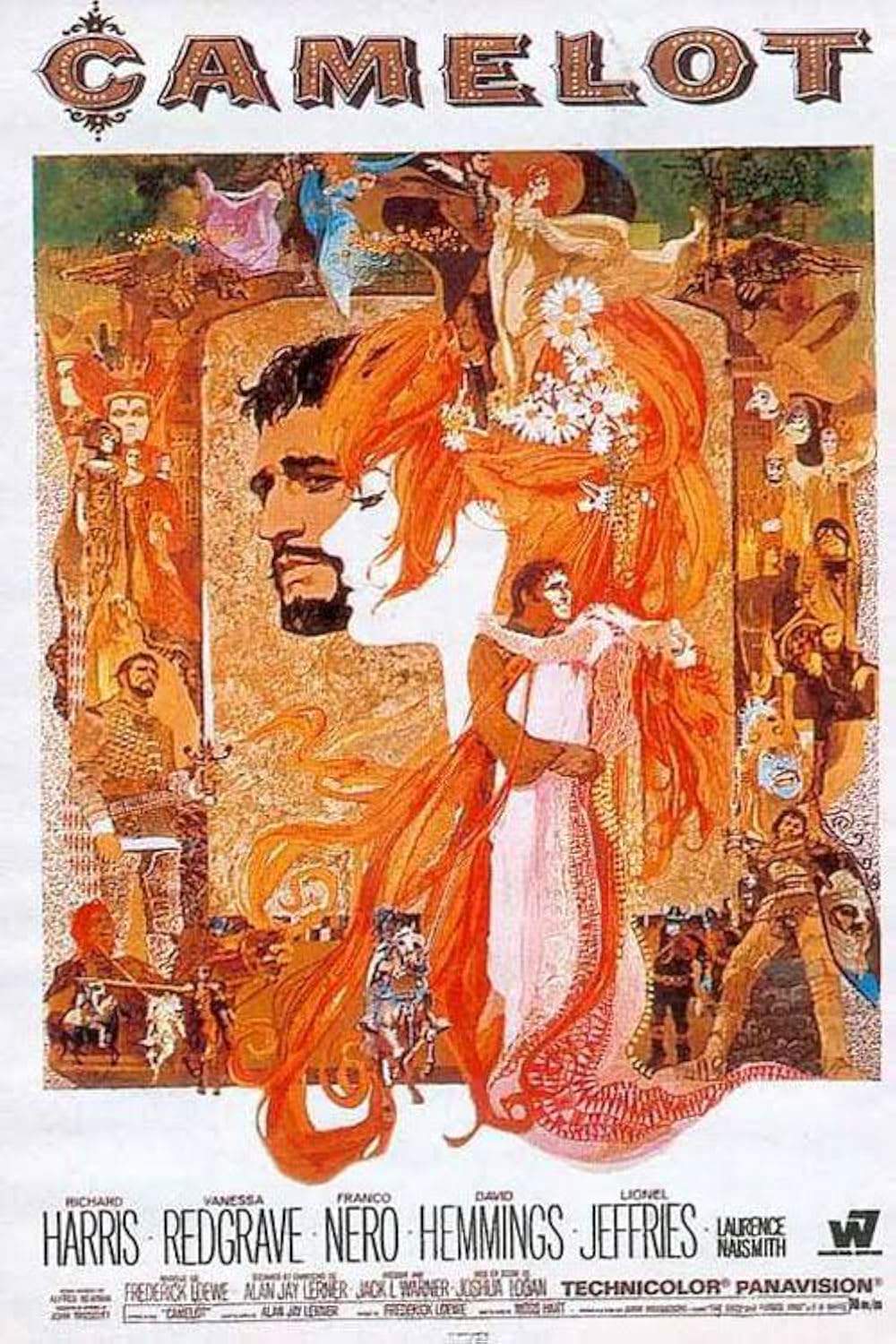
Last Updated: November 15, 2024 at 20:34
Discover curated groups of movies connected by mood, themes, and story style. Browse collections built around emotion, atmosphere, and narrative focus to easily find films that match what you feel like watching right now.
Grand musicals where soaring romance is shadowed by a tragic, poignant conclusion.Discover movies like Camelot that blend sweeping romance with the grand spectacle of musical theatre. If you enjoyed the tragic love triangle set to a memorable score, you'll find similar stories of fated love, courtly drama, and bittersweet endings in this collection of films.
Stories in this thread typically follow a central, often idealized, romance that is challenged by external forces or internal conflicts. The journey is punctuated by emotional musical numbers that express the height of love and the depths of despair, culminating in an ending that preserves the beauty of the love story while acknowledging its tragic cost.
These movies are grouped by their shared foundation in the musical genre, a prominent romantic plotline with significant emotional weight, and a final act that leans towards the bittersweet or tragic. The tone often balances whimsical or hopeful moments with a strong undercurrent of melancholy.
Tales of noble rulers building a peaceful kingdom, only to see it crumble from within.Explore movies similar to Camelot that depict the creation and eventual decline of an idealized realm. If you were captivated by Arthur's dream of a just Camelot undone by love and betrayal, you will appreciate these epic tales of noble ambitions, political intrigue, and the tragic cost of idealism.
The narrative pattern involves the establishment of a seemingly perfect society under a charismatic leader. This golden age is then tested, often by internal conflict, a key betrayal, or the leader's own idealism blinding them to threats. The story arc is one of ascent followed by a poignant, inevitable descent, leaving behind a powerful legend.
Movies are grouped here by their shared thematic focus on the construction and deconstruction of an ideal. They possess a medium emotional weight, a steady, epic pacing, and a tone that mixes hopeful idealism with a destined melancholy, exploring the tragic gap between dream and reality.
Don't stop at just watching — explore Camelot in full detail. From the complete plot summary and scene-by-scene timeline to character breakdowns, thematic analysis, and a deep dive into the ending — every page helps you truly understand what Camelot is all about. Plus, discover what's next after the movie.
Track the full timeline of Camelot with every major event arranged chronologically. Perfect for decoding non-linear storytelling, flashbacks, or parallel narratives with a clear scene-by-scene breakdown.
Discover the characters, locations, and core themes that shape Camelot. Get insights into symbolic elements, setting significance, and deeper narrative meaning — ideal for thematic analysis and movie breakdowns.
Get a quick, spoiler-free overview of Camelot that covers the main plot points and key details without revealing any major twists or spoilers. Perfect for those who want to know what to expect before diving in.
Visit What's After the Movie to explore more about Camelot: box office results, cast and crew info, production details, post-credit scenes, and external links — all in one place for movie fans and researchers.
Discover movies like Camelot that share similar genres, themes, and storytelling elements. Whether you’re drawn to the atmosphere, character arcs, or plot structure, these curated recommendations will help you explore more films you’ll love.
Camelot (1967) Scene-by-Scene Movie Timeline
Camelot (1967) Movie Characters, Themes & Settings
Camelot (1967) Spoiler-Free Summary & Key Flow
Movies Like Camelot – Similar Titles You’ll Enjoy
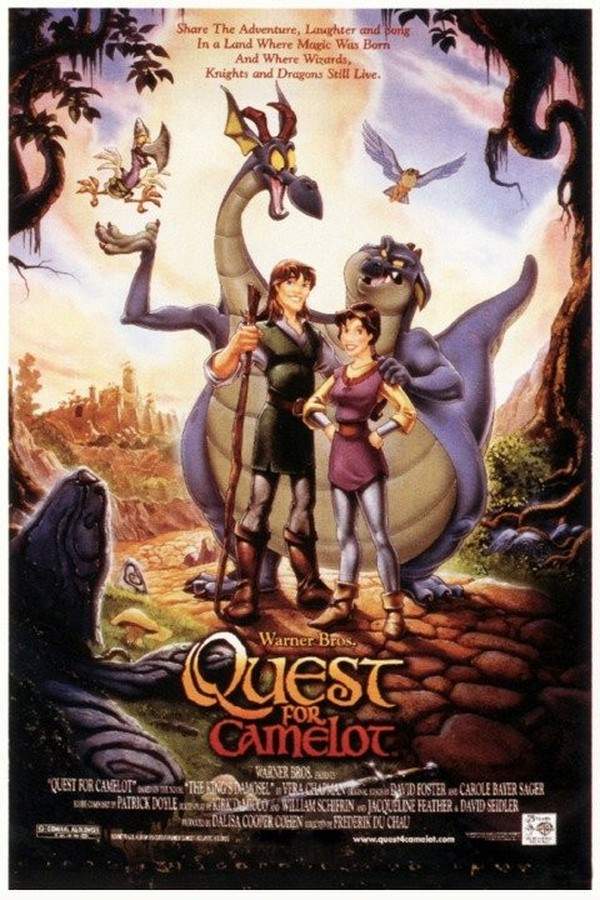
Quest for Camelot (1998) Story Summary & Characters
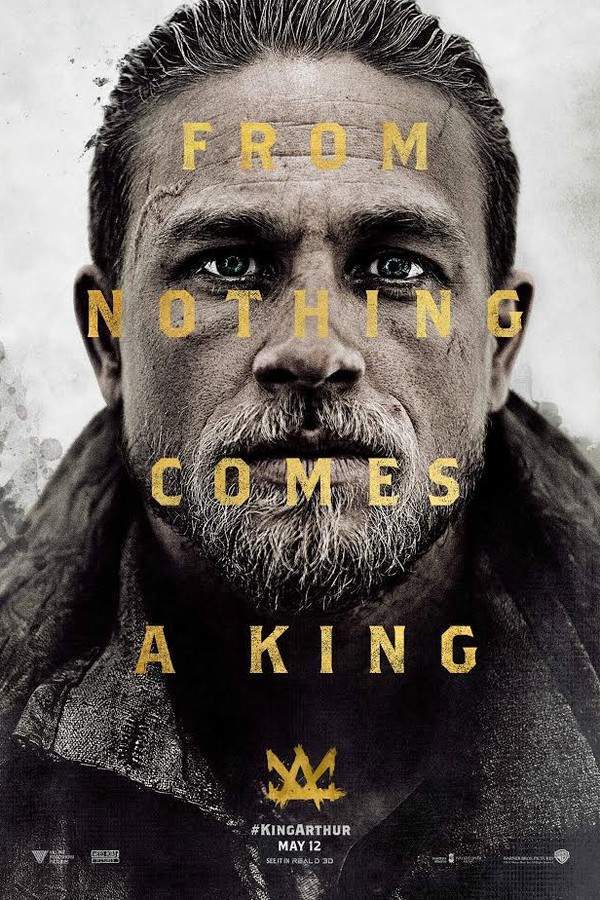
King Arthur: Legend of the Sword (2017) Plot Summary & Ending Explained
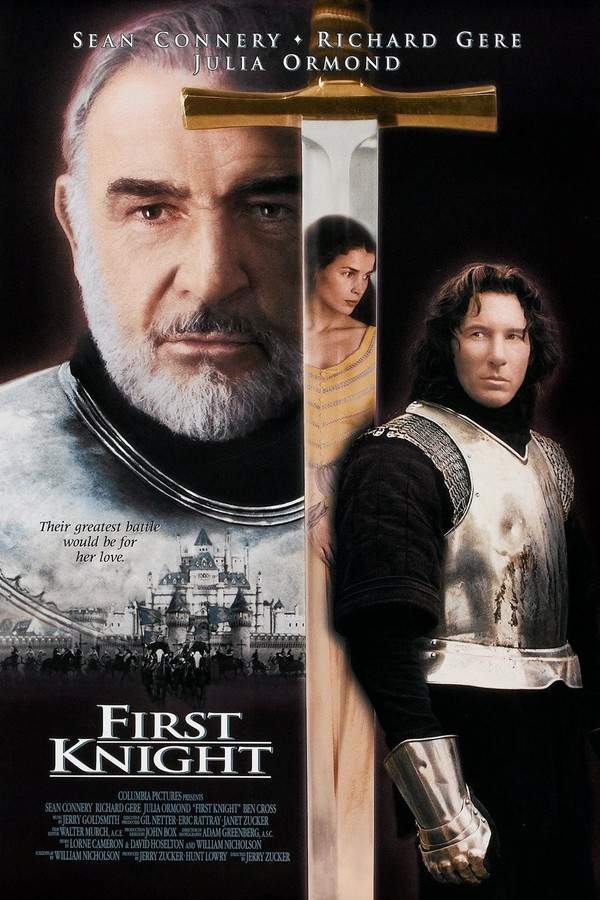
First Knight (1995) Story Summary & Characters
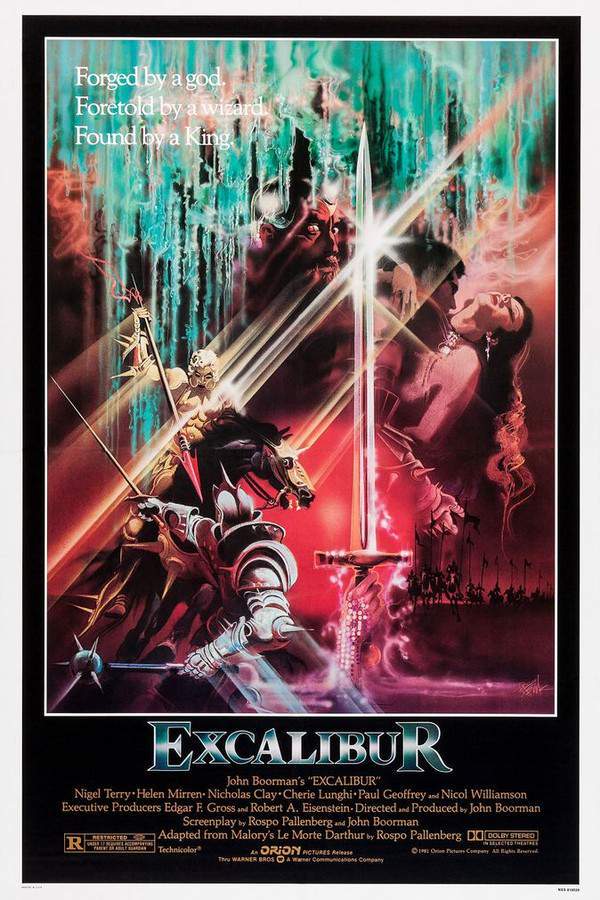
Excalibur (1981) Film Overview & Timeline
King Arthur (2004) Complete Plot Breakdown
Knights of the Round Table (1954) Movie Recap & Themes
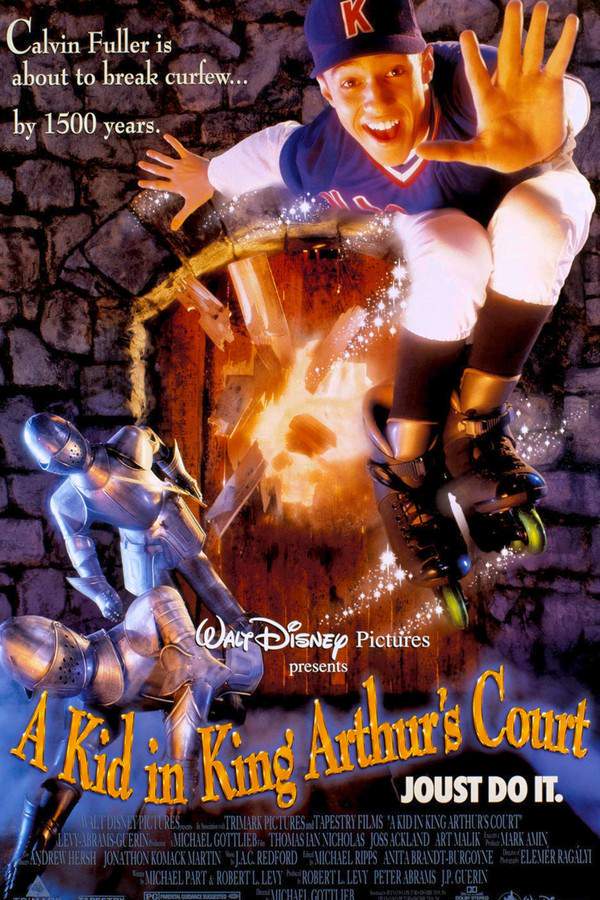
A Kid in King Arthur's Court (1995) Movie Recap & Themes
Merlin’s Apprentice (1000) Detailed Story Recap
Camelot (1982) Full Summary & Key Details
Arthur & Merlin: Knights of Camelot (2020) Ending Explained & Film Insights
Arthur the King (1985) Full Summary & Key Details
Sword of Camelot (1998) Movie Recap & Themes
Camelot (1998) Ending Explained & Film Insights
Lancelot: Guardian of Time (1997) Spoiler-Packed Plot Recap
Siege of the Saxons (1963) Movie Recap & Themes