Plot Explained Spoilers guaranteed!
Plot Explained

Browse by genre

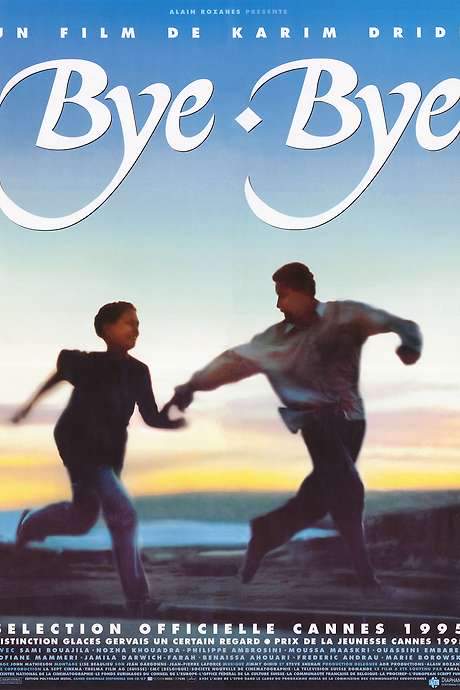
Bye Bye Africa (1999) movie poster

Characters & Themes

Bye Bye Africa (1999) Characters, Setting & Themes Explained

Release, runtime and language
1999 · 86 mins · French
Loading streaming availability…
Starring
Garba Issa, Issa Serge Coelo, Mahamat-Saleh Haroun, Khayar Oumar Defallah, Abakar Mahamat-Saleh, Aïcha Yelena

After his mother dies, a Chadian director living in France travels back to his homeland, only to confront the country’s dilapidated infrastructure and the collapse of its once‑vibrant film industry. Determined to honor his mother, he resolves to create a new movie that reflects both his grief and the state of Chad’s cinema.

On this page (8)
  1. 1 Where to watch
  2. 2 Characters explained (8)
  3. 3 Where & when it takes place
  4. 4 Themes & meaning (3)
  5. 5 Character & meaning questions
  6. 6 Movie threads
  7. 7 Movies like Bye Bye Africa
  8. 8 Every angle
Loading streaming availability…

8 main characters · contains spoilers

Bye Bye Africa Characters Explained: Who Is Who

The main characters of Bye Bye Africa (1999), heroes and villains: what drives them, how they change over the course of the story and what each of them reveals about the film's bigger ideas.

  • Haroun

    played by Mahamat-Saleh Haroun

    A Chadian film director who lives in France and returns home after his mother's death. He defends his craft, seeking to make a film dedicated to his mother, Bye Bye Africa, while confronting skepticism from his family and a collapsing cinema landscape. He tries to balance artistic integrity with the harsh realities of financing, and ultimately departs Chad leaving his camera to a young observer.

    • 🎬 Filmmaker
    • 🧭 Diaspora
    • 💔 Grief
    • 🗺 Cultural Identity
  • Garba

    played by Garba Issa

    A young boy who trails Haroun around with a self-made toy camera. He embodies the next generation's curiosity about cinema and serves as a living symbol of cinema's fragile future in Chad. His presence highlights the passing of film knowledge from a master to a new generation.

    • 👦 Child
    • 🎬 Film Enthusiast
    • 📷 Amateur Cameraman
  • Serge

    played by Issa Serge Coelo

    A fellow director from a neighboring country who is shooting his first film, Daresalam. He represents the regional cinema community facing shared obstacles, and his encounter with Haroun underscores the precarious state of African film and the possibility of collaboration.

    • 🎬 Director
    • 🌍 Regional cinema
    • 🤝 Collaboration
  • Le père

    played by Khayar Oumar Defallah

    Haroun's father, who expresses skepticism about his son's career in film. He personifies traditional expectations and the generational tension that frames the director's struggle to pursue art within a conservative family.

    • 👨 Father
    • 🧭 Tradition vs Modernity
    • 💬 Skepticism
  • Ali

    played by Abakar Mahamat-Saleh

    A family member who shares the family’s doubt about the director's vocation, adding to the domestic pressure that accompanies Haroun's international ambition.

    • 👨 Family
    • 🗣 Dialogue
    • 🧪 Tension
  • Isabelle

    played by Aïcha Yelena

    Haroun's old girlfriend who has been shunned by Chadians who couldn't distinguish between film and reality after appearing in one of his previous films as an HIV victim. Their reunion underscores the stigma surrounding art and memory.

    • 💔 Love
    • 🧭 Memory
    • 🗣 Stigma
  • Le producteur

    played by Abderamane Koulamallah

    A film producer who embodies the financing barriers that block Haroun's project. He reflects the practical pressures of getting a film funded in Africa and the challenges of turning artistic vision into reality.

    • 💼 Producer
    • 💸 Financing
    • 🧱 Obstacles
  • L'amante

    played by Sophie Barrand

    The lover figure in Haroun's life, representing personal relationships that intersect with his artistic obsession. The character's presence adds emotional complexity to the director's pursuit of cinema.

    • 💘 Lover
    • 🎭 Art & Life
    • 🕊 Entanglement

Last updated: February 17, 2026 at 18:01

Was this helpful?

Setting

Where and When Does Bye Bye Africa Take Place?

The setting of Bye Bye Africa (1999): the year and time period, the places and locations, and how they shape the characters, the mood and the tension of the story.

Time period

1990s

Set in the late 1990s, the film depicts a period when Africa's national cinemas struggle for survival. Cinemas in Chad have closed, and financing is nearly impossible to secure. The time frame also marks cross-border cultural exchange, with a director living in France who engages with neighboring film communities.

Location

Chad, France

Bye Bye Africa unfolds across Chad, the homeland that bears the scars of a decaying national cinema. It also threads through France, where Haroun builds his career and grapples with identity between two worlds. The setting contrasts urban French cinema with the challenges facing Chadian film culture at home.

  • 🌍 Chad
  • 🇫🇷 France

Last updated: February 17, 2026 at 18:01

Was this helpful?

3 major themes

Bye Bye Africa Meaning: Themes & Message Explained

What is Bye Bye Africa (1999) really about? The emotional, social and philosophical themes the film keeps returning to, its symbolism and the message beneath the surface.

  • Cinema & Memory

    Haroun defends the craft of filmmaking as a means to preserve memory, inspired by Jean-Luc Godard's idea that cinema creates memories. The plan to dedicate a film to his mother is a bid to fuse personal memory with national history. The story shows how cinema attempts to resist political and economic collapse by preserving stories and identities. The film also probes how audiences, places, and events become memory in a fragile cultural landscape.

  • Diaspora & Homecoming

    Haroun's life in France versus his return to Chad highlights the pull between diaspora success and homeland commitments. The director's return exposes family skepticism and the tension between artistic ambition and local realities. The encounter with regional film communities reveals both solidarity and competition. The narrative uses travel between two worlds to explore how identity is negotiated through cinema.

  • Loss & Struggle

    The death of Haroun's mother triggers personal grief that mirrors the broader collapse of African cinema. Financing obstacles and closed cinemas symbolize a system that's hostile to creative ambition. Leaving Chad and handing the camera to a young boy marks a tentative pass of the artistic torch amid despair. The film portrays how personal loss intensifies the struggle to sustain a cultural industry against overwhelming odds.

Last updated: February 17, 2026 at 18:01

Was this helpful?

Character & theme questions

Bye Bye Africa Characters & Meaning: Your Questions Answered

The questions people ask about Bye Bye Africa (1999): who the characters really are, their relationships, what the symbols mean, where it takes place and what the movie is really about. Each answer contains spoilers.

Q1

Where is Bye Bye Africa set?

The film takes place primarily in Chad, the director's homeland, with significant scenes in France where Haroun lives and works. This dual setting creates a contrast between the French film industry environment and the struggling cinematic landscape of Chad.

  • chad
  • france
  • setting
  • locations
  • dual setting
Q2

When is the film set?

The film is set in the late 1990s, a period when many African national cinemas were struggling for survival. This era is significant because cinemas in Chad had closed down and securing financing for film projects had become nearly impossible.

  • 1990s
  • time period
  • late 1990s
  • era
Q3

What was the state of Chadian cinema in the 1990s?

By the 1990s, Chadian cinema had collapsed to a dire state with nearly all cinemas closed and virtually no funding available for film production. The film portrays this decay as part of a broader crisis affecting African national cinemas during this period.

  • chadian cinema
  • film industry
  • closed cinemas
  • financing
Q4

What does the film say about cinema and memory?

The film argues that cinema serves as a means to preserve memory, drawing inspiration from Jean-Luc Godard's idea that cinema creates memories. Haroun's plan to dedicate a film to his mother represents an attempt to fuse personal memory with national history, using cinema to resist cultural collapse.

  • cinema
  • memory
  • godard
  • preservation
  • cultural memory
Q5

How does the film explore diaspora and homecoming?

The film examines Haroun's dual existence as a successful Chadian director living in France who returns to Chad after his mother's death. This journey highlights the tension between diaspora success and homeland commitments, showing how identity is negotiated through cinema across two worlds.

  • diaspora
  • homecoming
  • identity
  • france
  • chad
  • return
Q6

What role does loss and struggle play in the film?

The death of Haroun's mother triggers personal grief that mirrors the broader collapse of African cinema. The film shows how financing obstacles and closed cinemas symbolize a system hostile to creative ambition, with personal loss intensifying the struggle to sustain a cultural industry.

  • loss
  • grief
  • struggle
  • mother death
  • collapse
Q7

Who is Haroun and what is his story?

Haroun is a Chadian film director living in France who returns to Chad after his mother's death. He seeks to make a film dedicated to his mother while confronting skepticism from his family and the harsh realities of a collapsed cinema industry. His journey represents the broader struggle of African filmmakers.

  • haroun
  • director
  • protagonist
  • chadian filmmaker
Q8

Who is Garba and what does he represent?

Garba is a young boy who follows Haroun around with a self-made toy camera. He embodies the next generation's curiosity about cinema and represents the fragile future of film in Chad. His presence highlights the passing of cinematic knowledge from an established director to a new generation.

  • garba
  • young boy
  • toy camera
  • next generation
  • hope
Q9

What conflict does Haroun face with his family?

Haroun faces significant skepticism from his family, particularly his father who doubts his son's career choice in film. His family member Ali also shares these doubts, adding domestic pressure to Haroun's artistic ambitions. This tension reflects broader generational and cultural expectations around stable professions.

  • family
  • father
  • skepticism
  • traditional expectations
  • conflict
Q10

How does the film portray the regional African cinema community?

The film shows Haroun connecting with fellow directors from neighboring countries, particularly Serge, who is shooting his first film Daresalam. These encounters underscore the precarious state of African film and reveal both solidarity and competition among filmmakers facing shared obstacles.

  • serge
  • daressalam
  • regional cinema
  • african filmmakers
  • collaboration
Q11

What happened to Haroun's old girlfriend Isabelle?

Isabelle was shunned by Chadians who couldn't distinguish between film and reality after she appeared in one of Haroun's previous films playing an HIV victim. Their reunion in the film underscores the stigma surrounding art and memory in the community.

  • isabelle
  • stigma
  • film reality
  • old girlfriend
  • community
Q12

What challenges does the film depict for African filmmakers?

The film portrays multiple obstacles facing African filmmakers, including nearly impossible financing, closed cinemas, lack of infrastructure, and societal skepticism about cinema as a profession. The producer character embodies these financing barriers that block projects from becoming reality.

  • filmmaker challenges
  • financing
  • obstacles
  • producer
  • infrastructure

Movie threads

More Movies Like Bye Bye Africa, by Mood & Story

Curated lists built around what makes Bye Bye Africa tick: the same mood, the same kind of story or the same emotional payoff. Each list explains why these movies belong together.

Movies about diaspora artists returning home like Bye Bye Africa

Artists from the diaspora confront a changed homeland and their own fractured identity. If you liked the story of a filmmaker returning to his roots in Bye Bye Africa, you'll appreciate these other movies. This section features similar films exploring the emotional journey of artists reconnecting with their homeland, dealing with cultural change, and navigating their identity. Find more thought-provoking dramas about diaspora experiences and artistic struggle.

  • contemplative
  • nostalgic
  • disillusioned
  • grieving
  • melancholic
  • introspective
  • Tone: melancholic, reflective, bittersweet
  • Pacing: slow, observational
Why these movies?

The story pattern: The narrative follows an artist or intellectual who leaves their adopted home to return to their country of origin. Upon arrival, they are confronted with a sense of disillusionment as they observe the gap between their memories and the current reality. The story revolves around their internal conflict, their attempt to create or engage with the local culture, and their ultimate, often bittersweet, reckoning with their place in the world.

Why they belong together: These films are grouped together because they share a core narrative of return and cultural reassessment. They focus on a specific protagonist archetype—the diaspora artist—and use their perspective to explore themes of memory, loss, and the often-painful process of reconnecting with one's roots. The tone is consistently reflective and melancholic, with a pace that allows for deep observation.
Movies about cultural decay and fading arts like Bye Bye Africa

Stories that quietly observe the decline of art, industry, or a way of life. Fans of Bye Bye Africa's portrayal of a declining film industry will find similar themes here. This section gathers movies that thoughtfully explore the end of an era, whether it's the collapse of an industry, the disappearance of a tradition, or the slow death of a town. Discover more melancholic dramas that meditate on change and loss with a quiet, observational style.

  • melancholic
  • nostalgic
  • contemplative
  • hopeless
  • grieving
  • disillusioned
  • Tone: melancholic, bittersweet, contemplative
  • Pacing: slow, meditative
Why these movies?

The story pattern: The narrative is less about a traditional plot and more about capturing a state of being. A protagonist, often an observer or someone personally connected to the decaying subject, moves through a landscape of neglect. The conflict is internal and circumstantial, arising from the contrast between past glory and present reality. The story unfolds through vignettes and observations, leading to a poignant, reflective conclusion.

Why they belong together: These movies are connected by their shared focus on the theme of dissolution and their specific tonal approach. They prioritize mood and atmosphere over fast-paced action, creating a somber and reflective viewing experience. The similarity lies in the feeling they evoke—a gentle, pervasive sadness for something that is being lost, making them perfect for viewers seeking thoughtful, mood-driven cinema.

If you liked this

Movies Like Bye Bye Africa

Similar movies to Bye Bye Africa: the same genre, themes or kind of story. Each one comes with its own plot summary, timeline and ending explained.

Browse all movie summaries

Every angle

Bye Bye Africa (1999) Explained: Plot, Timeline & Characters

Everything about Bye Bye Africa in one place: what happens in the plot summary, the timeline in chronological order, the characters and meaning and a spoiler-free summary. What's After the Movie adds the cast, box office and post-credit scenes.

Coming soon on iOS and Android

The Plot Explained Movie Summary App

Plot summaries, endings explained and timelines on your phone. Catch up on any movie in minutes, save your favorites and never miss a twist again.

Be the first to know when we launch. Your email stays private, always.

Learn more about the app