Plot Explained Spoilers guaranteed!
Plot Explained

Browse by genre

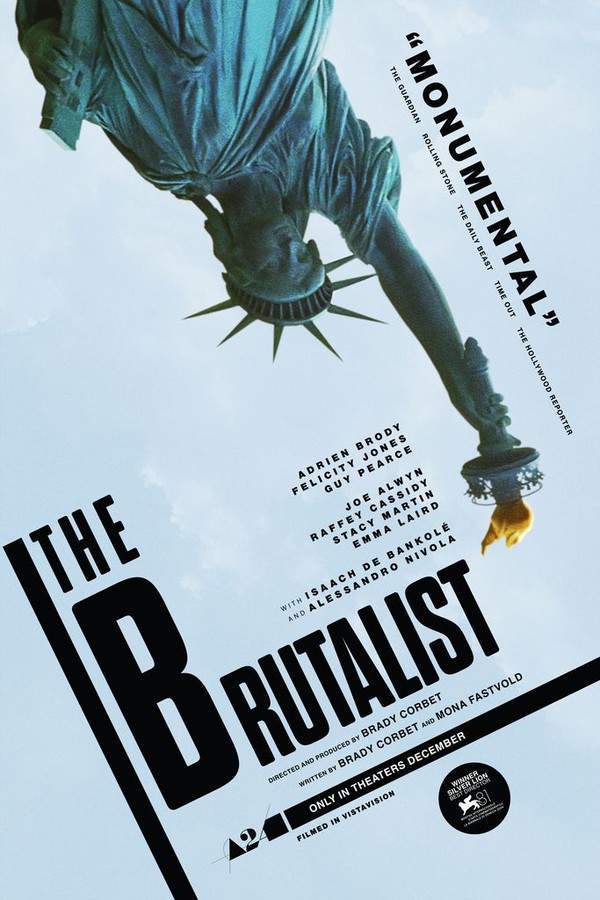
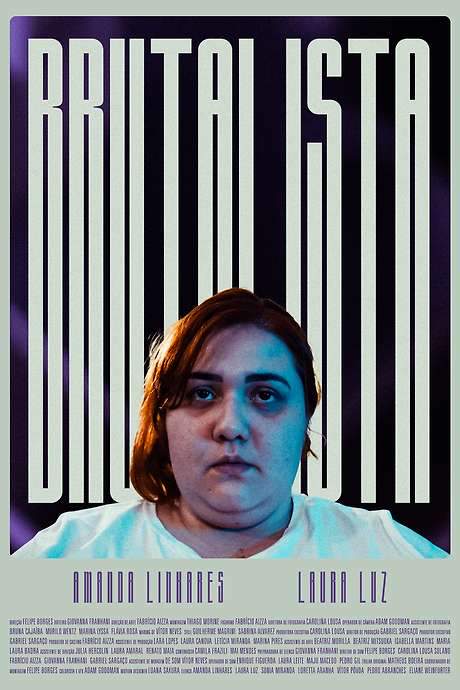
Brutalist (2024) movie poster

Timeline

Brutalist (2024) Timeline Explained – Every Event in Order

Release, runtime and language
2024 · 20 mins · Portuguese
Echo score 66
Loading streaming availability…
Directed by
Felipe Borges
Starring
Manoel Gomes, Amanda Linhares, Sônia Miranda, Eliane Weinfurter, Laura Luz, Pedro Abranches
Budget
$10M

Clara, a young woman struggling with the overwhelming nature of modern society and constantly feeling bombarded by stimuli, finds herself sinking into a deep state of apathy. A tragic event triggers a profound shift in her perception, revealing her growing detachment from the world and the people around her. The film explores themes of isolation and the struggle to find meaning in a chaotic world.

On this page (6)
  1. 1 Where to watch
  2. 2 Events in order (15)
  3. 3 Timeline questions answered
  4. 4 Movie threads
  5. 5 Movies like Brutalist
  6. 6 Every angle
Loading streaming availability…

15 events in order · contains spoilers

Brutalist Timeline: Events in Chronological Order

Every key event of Brutalist (2024) in order, scene by scene, with when and where it takes place. Use it to untangle flashbacks, time jumps and parallel storylines, to refresh your memory before the sequel or to find the exact scene you are thinking of.

  1. Arrival in New York Harbor

    Hungarian-Jewish Holocaust survivor and Bauhaus-trained architect László Tóth arrives in the United States after being forcibly separated from his wife Erzsébet and orphaned niece Zsófia. As his ship enters the harbor, László is greeted by the iconic sight of the Statue of Liberty.

    Where
    New York Harbor
  2. Staying with Cousin Attila

    In 1947, László travels to Philadelphia and moves in with his cousin Attila, discovering that his relative has fully assimilated into American life by anglicizing his name and converting to Catholicism. Attila offers László work at his furniture business.

    When
    1947
    Where
    Philadelphia
  3. News of Survival

    Attila reveals to a relieved László that his wife Erzsébet and niece Zsófia are still alive, though stuck in Europe. Despite their continued separation, the news gives László hope of one day reuniting with his family.

    Where
    Philadelphia
  4. The Van Buren Library Commission

    Harry Lee Van Buren approaches László and Attila's furniture business with a plan to renovate the library at his father's mansion as a surprise for the wealthy industrialist Harrison Lee Van Buren. The cousins take on the job at the Van Buren estate near Doylestown, Pennsylvania.

    Where
    Doylestown, Pennsylvania
  5. The Failed Renovation and Eviction

    At the mansion, Harrison is enraged by the surprise library renovation and fires both men, while Harry refuses to pay them. Tensions worsen after a drunken night of merriment in which Audrey, Attila's wife, voices her disdain for László and suggests he live elsewhere. Attila then blames László for the failed project, falsely accuses him of making a pass at Audrey, and demands he leave their home.

  6. Rock Bottom in Philadelphia

    Three years after the failed renovation, László has become a heroin addict working as a laborer loading coal. He lives in charity housing with his friend Gordon, an African-American single father, struggling to get by.

    When
    circa 1950
    Where
    Philadelphia
  7. The Van Buren Institute Commission

    Harrison turns up to tell László that the architectural community has lauded his modern library renovation and that he has discovered his accomplished past as an architect in Europe. After paying the money owed, Harrison invites László to a party, where he commissions a grand project in tribute to his late mother: the Van Buren Institute, a community center with a library, theater, gymnasium, and chapel. Work begins immediately, with László living on site and employing Gordon.

  8. Reunion with Erzsébet and Zsófia

    László's wife Erzsébet and niece Zsófia finally reunite with him in Philadelphia after Harrison's personal lawyer expedites their immigration. He discovers the toll of their wartime suffering: Erzsébet is now a full-time wheelchair user due to osteoporosis, and Zsófia is unable to speak.

    When
    1953
    Where
    Philadelphia
  9. Construction Clashes

    During construction, László clashes with contractors and consultants hired by Harrison, who depart from his design in an attempt to stay on budget, forcing László to agree to work unpaid to make up for additional costs. Meanwhile, Harry derides László as merely being 'tolerated' and makes lewd remarks about Zsófia.

  10. Derailment and Abandonment

    After a train carrying construction materials derails, the project becomes burdened with heavy legal costs. A furious Harrison abandons the Institute and fires the workers, leaving László's grand vision unfinished.

  11. A New Life in New York

    László and Erzsébet have moved to New York City, where he works as a draftsman at an architecture firm and she writes for a newspaper. Zsófia, having recovered her ability to speak, is expecting a child with her husband Binyamin, and the couple announces they are making Aliyah and moving to Jerusalem, much to the chagrin of László and Erzsébet.

    When
    1958
    Where
    New York City
  12. The Assault in Carrara

    Harrison restarts the stalled Institute project and rehires László to resume work. While visiting Carrara to purchase marble, Harrison rapes an intoxicated László, calling him a societal leech whose people invite their own persecution.

    Where
    Carrara, Italy
  13. László Unravels

    Deeply shaken by the assault, László becomes more belligerent and impulsively fires his friend Gordon during an argument back on site. Recalling the contempt he has received, he laments to Erzsébet that they are not welcome in America. After László nearly kills Erzsébet by giving her heroin to soothe her pain, she proposes they move to Jerusalem to live with Zsófia, and he agrees.

  14. Erzsébet Confronts Harrison

    Shortly after their decision, Erzsébet confronts Harrison at his home and calls him a rapist in front of his family and associates. An enraged Harry violently drags her out, before his sister Maggie intervenes and helps her leave. Unable to find his father in the aftermath, Harry organizes a search party and tries to locate Harrison within the Institute.

    Where
    Harrison's home
  15. Venice Biennale Retrospective

    In 1980, with Erzsébet having died, a retrospective of László's work is held at the first Venice Biennale of Architecture, showcasing projects built around the world, including the Van Buren Institute, finally completed in 1973. Zsófia, accompanied by her young adult daughter and the aging, incapacitated László, gives a revelatory speech asserting that László designed spaces in the structure to resemble the Buchenwald and Dachau concentration camps as a way of processing trauma. She ends with the phrase László used to tell her: 'No matter what the others try and sell you, it is the destination, not the journey.'

    When
    1980
    Where
    Venice, Italy

Last updated: October 28, 2026 at 07:13

Was this helpful?

Timeline questions answered

Brutalist Timeline Explained: Your Questions Answered

When does it happen, and why in that order? The questions people ask about the chronology of Brutalist (2024): time jumps, flashbacks, cause and effect between scenes and the correct order of events, each answered with spoilers.

Q1

Why did Harrison rape László in Italy?

Harrison rapes the intoxicated László as an act of domination, expressing the class and antisemitic contempt behind their unequal relationship. Harrison has restarted the Institute and rehired László, bringing him to Carrara to buy marble; László’s impaired state and dependence on his patron leave him vulnerable. Harrison’s claim that László’s people invite their own persecution makes the assault an ideological attack as well as a physical one.

Foreshadowing: Harrison’s earlier control over the Institute’s budget and employment establishes how readily he turns institutional power into personal violence.

  • harrison van buren
  • laszlo toth
  • italy assault
  • antisemitism
  • power abuse
Q2

Why did László nearly kill Erzsébet with heroin?

László nearly kills Erzsébet because his heroin addiction and the trauma of Harrison’s assault have shattered his judgment; he tries to ease her chronic pain with heroin, but the attempt becomes medically catastrophic. The episode shows how far his collapse has progressed: even a well-intended attempt to relieve pain becomes destructive. It also becomes the immediate trigger for Erzsébet’s proposal that they leave America for Jerusalem.

Foreshadowing: Years of heroin addiction are established before Italy, making his attempt to medicate Erzsébet an ominous extension of his dependency.

  • laszlo toth
  • erzsebet
  • heroin addiction
  • near death
  • marital collapse
Q3

Why does László’s architecture resemble concentration camps?

László deliberately shapes parts of the Van Buren Institute to recall Buchenwald and Dachau, turning architecture into a way to process Holocaust trauma. The project therefore has two purposes: officially, it is a community center and tribute to Harrison’s mother; more deeply, its design carries the physical memory of the camps. Zsófia’s 1980 speech reveals that László poured his history into the building rather than merely designing a monument to success.

Foreshadowing: László is introduced as both a Bauhaus-trained architect and a Holocaust survivor, preparing the link between his designs and the camps.

  • van buren institute
  • buchenwald
  • dachau
  • holocaust trauma
  • architecture
Q4

Why did Harrison hire László after firing him?

Harrison hires László again because the modern library renovation that looked like a failure impresses the architectural community, and Harrison learns that László is a Bauhaus-trained architect with an accomplished European past. That recognition lets him cast László as the public architect of the much larger Van Buren Institute. The reversal shows that László’s first failure came from anger, nonpayment, and prejudice, not from a lack of talent.

Foreshadowing: The library Harrison condemns becomes the work that brings László back to him, turning an apparent failure into the cause of his comeback.

  • laszlo toth
  • harrison van buren
  • architecture career
  • library renovation
  • van buren institute
Q5

Why did László and Erzsébet move to Jerusalem?

László agrees to move to Jerusalem because the near-fatal heroin episode makes remaining in America untenable, while Zsófia and Binyamin are already planning their own Aliyah. Erzsébet proposes the move after nearly being harmed by him, giving them a practical path to reunite with family and escape a society that has repeatedly rejected and exploited him. His decision is therefore both an act of self-exile and an attempt to return to family.

Foreshadowing: Zsófia and Binyamin’s earlier Aliyah announcement gives László and Erzsébet a possible destination before they decide to leave America.

  • jerusalem move
  • aliyah
  • zsofia toth
  • binyamin
  • erzsebet
Q6

Why did the Van Buren Institute take so long to finish?

The Institute stalls because Harrison’s consultants alter László’s design to cut costs, a train derailment creates heavy legal expenses, and Harrison ultimately abandons the site and fires the workers. László’s willingness to work unpaid keeps the project alive temporarily but does not solve those larger financial and legal pressures. Harrison later restarts the work and rehires László, and the building is finally completed in 1973, years before the 1980 retrospective.

  • van buren institute
  • construction delay
  • train derailment
  • legal costs
  • harrison van buren
Q7

Why did László become a heroin addict in Philadelphia?

After the failed Van Buren library job, László is falsely accused by Attila and forced out of his cousin’s home, leaving him without stable work or support. He spirals into heroin addiction while working as a coal laborer with Gordon, making the addiction part of a broader collapse after rejection. His later return to architecture shows that addiction did not erase his talent; exclusion and instability had already pushed him to the margins.

Foreshadowing: The failed library commission and Attila’s accusation precede László’s loss of housing and stable work.

  • laszlo toth
  • heroin addiction
  • philadelphia
  • gordon
  • attila toth
Q8

Why did Erzsébet confront Harrison publicly?

Erzsébet publicly calls Harrison a rapist because she refuses to let his abuse remain private or unacknowledged after the assault and after László nearly kills her through his addiction. Her confrontation reclaims agency and turns their departure from America into a moral break with Harrison. Maggie helps her leave, while Harry’s violent removal of her and subsequent search for his father show how deeply the confrontation destabilizes the Van Buren household.

Foreshadowing: László’s public humiliation on the project and his treatment in Italy make Erzsébet’s later accusation a delayed response to the pattern imposed on him.

  • erzsebet
  • harrison van buren
  • public confrontation
  • rape
  • maggie
Q9

Why did László fire Gordon after the trip to Italy?

László fires Gordon because the rape leaves him resentful, belligerent, and still addicted, so he lashes out at the friend who supported him through his earlier collapse. The dismissal is an impulsive expression of his damaged state rather than evidence that Gordon has betrayed him. It shows that the assault in Italy continues to damage László’s relationships even before he leaves the project.

Foreshadowing: László and Gordon’s bond is established during the Philadelphia addiction years, making Gordon’s dismissal a painful reversal of that earlier support.

  • laszlo toth
  • gordon
  • italy assault
  • friendship
  • emotional collapse
Q10

What does “the destination, not the journey” mean?

The line means that László valued the ultimate destination or chosen purpose over the rhetoric and promises used to persuade people along the way. In the ending, Zsófia uses his words to frame his life as a deliberate arrival at meaning despite exile, exploitation, and trauma. It is hopeful as a principle of perseverance, but Brutalist leaves open whether completing the Institute can undo the suffering that produced it.

  • destination not journey
  • laszlo toth
  • zsofia toth
  • venice biennale
  • architecture
Q11

What happened to Erzsébet and Zsófia during the war?

Erzsébet is left in a wheelchair by osteoporosis and the physical aftermath of the war, while Zsófia is so traumatized that she initially cannot speak. Their condition makes the 1953 reunion bittersweet: László gets his family back, but the people he lost cannot simply return to their prewar lives. Zsófia later regains her voice and starts a family of her own, while their earlier separation continues to shape László’s fear of losing one another again.

Foreshadowing: The first reunion image, Erzsébet in a wheelchair and Zsófia unable to speak, shows the permanent cost of their separation.

  • erzsebet
  • zsofia toth
  • osteoporosis
  • wartime trauma
  • family reunion
Q12

Does László get a happy ending?

László does not receive a conventional happy ending. The Van Buren Institute is completed, his architecture receives international recognition at the 1980 Venice Biennale, and Zsófia publicly explains the purpose embedded in his design, but Erzsébet has died and László remains aged and incapacitated with no clear resolution for his trauma. The ending validates his work without suggesting that success has healed him.

  • laszlo toth
  • ending explained
  • venice biennale
  • van buren institute
  • tragic ending
Q13

Why is the Statue of Liberty important in the opening?

The Statue of Liberty represents the promise of refuge and a new beginning that László believes America offers when he arrives as a Holocaust survivor. Brutalist immediately complicates that ideal by showing that physical arrival does not guarantee acceptance, belonging, or protection from antisemitism and abuse. The opening image therefore frames the central tension of László’s story: he crosses the Atlantic looking for safety but spends years being treated as an outsider.

Foreshadowing: Attila’s anglicized name and conversion immediately contrast with László’s refusal to erase where he comes from.

  • statue of liberty
  • laszlo toth
  • american dream
  • immigration
  • exile

Movie threads

More Movies Like Brutalist, by Mood & Story

Curated lists built around what makes Brutalist tick: the same mood, the same kind of story or the same emotional payoff. Each list explains why these movies belong together.

Movies like Brutalist: trauma, exile, and art as testimony

Exile and trauma become monumental testimony through art and architecture, reclaiming a fractured self. Find movies like Brutalist that pair postwar exile with monumental art, architecture, or other forms of testimony. These dark, complex dramas follow displaced artists and survivors as memory collides with institutional power, offering unresolved reflections on identity, violence, and the possibility of meaning.

  • oppressive
  • isolating
  • monumental
  • somber
  • melancholic
  • haunting
  • Tone: somber, oppressive, melancholic
  • Pacing: variable, contemplative with sudden bursts
Why these movies?

The story pattern: The pattern begins with displacement and a damaged relationship to the past, then follows a creative ambition that becomes entangled with bureaucracy, exploitation, addiction, and personal loss. As the central figure tries to build something lasting, old trauma resurfaces through relationships and institutional encounters. A retrospective revelation can give the final work the force of testimony while leaving suffering and moral responsibility unresolved.

Why they belong together: These films are grouped by the collision between monumental artistic ambition and intimate human damage. They share a dark, heavy atmosphere, historical displacement, long observational stretches, and endings that reframe the story without healing its characters. Architecture, design, and art function as emotional records, turning public achievement into a measure of private suffering.

Movies like Brutalist: isolation, violence, and psychological collapse

An overwhelmed outsider descends through apathy, exploitation, and violence as institutional pressure erodes every bond. Find movies like Brutalist with dark stories of isolation, apathy, and psychological collapse. These intense dramas use oppressive institutions, damaged relationships, and disturbing violence to examine what happens when a vulnerable character loses the ability to connect, resist, or rebuild their sense of self.

  • isolating
  • apathetic
  • bleak
  • oppressive
  • claustrophobic
  • psychologically intense
  • Tone: bleak, oppressive, psychologically tense
  • Pacing: variable, slow passages with sharp escalations
Why these movies?

The story pattern: Stories begin with a protagonist numbed by overstimulation and disconnected from ordinary relationships. A triggering event exposes the fracture, leading to isolation, damaging attachments, and institutional or intimate violence. Later episodes of recognition, reunion, or retrospective revelation reveal the full trajectory without restoring the person's former stability. The arc moves from paralysis through desperate engagement to damaged survival.

Why they belong together: The connection is the experience of watching someone become trapped by overwhelming surroundings while the narrative slowly exposes the forces shaping that entrapment. These movies share oppressive quietness, high emotional stakes, disturbing violence, and a character-centered structure. Their pacing alternates long stretches of watchful silence with concentrated bursts of crisis, making the final uncertainty feel earned.

If you liked this

Movies Like Brutalist

Similar movies to Brutalist: the same genre, themes or kind of story. Each one comes with its own plot summary, timeline and ending explained.

Browse all movie summaries

Every angle

Brutalist (2024) Explained: Plot, Timeline & Characters

Everything about Brutalist in one place: what happens in the plot summary, the timeline in chronological order, the characters and meaning and a spoiler-free summary. What's After the Movie adds the cast, box office and post-credit scenes.

Coming soon on iOS and Android

The Plot Explained Movie Summary App

Plot summaries, endings explained and timelines on your phone. Catch up on any movie in minutes, save your favorites and never miss a twist again.

Be the first to know when we launch. Your email stays private, always.

Learn more about the app