Plot Explained Spoilers guaranteed!
Plot Explained

Browse by genre

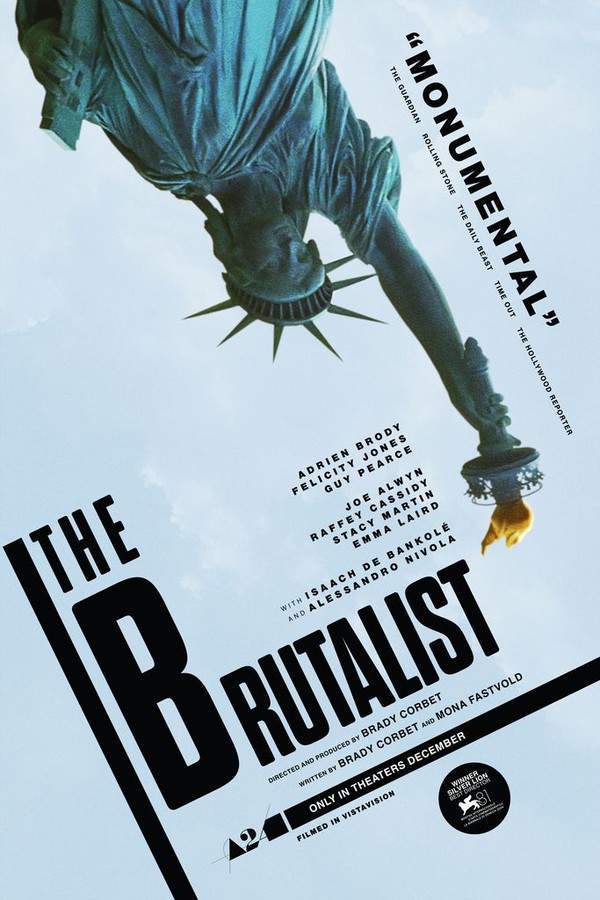
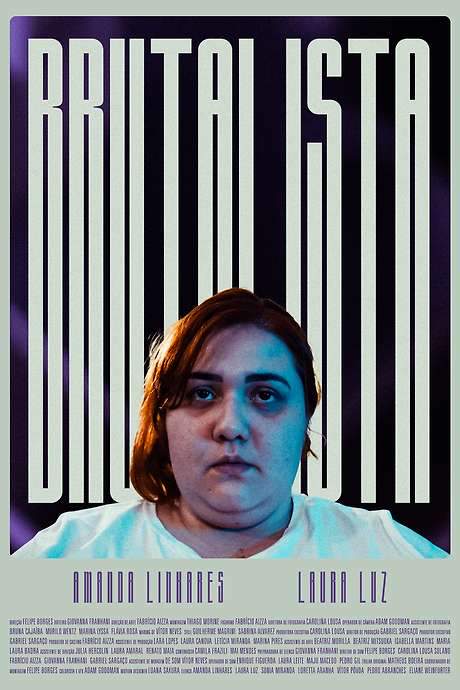
Brutalist (2024) movie poster

Plot Summary

Brutalist (2024) Plot Summary Explained

Release, runtime and language
2024 · 20 mins · Portuguese
Echo score 66
Loading streaming availability…
Directed by
Felipe Borges
Starring
Manoel Gomes, Amanda Linhares, Sônia Miranda, Eliane Weinfurter, Laura Luz, Pedro Abranches
Budget
$10M

Clara, a young woman struggling with the overwhelming nature of modern society and constantly feeling bombarded by stimuli, finds herself sinking into a deep state of apathy. A tragic event triggers a profound shift in her perception, revealing her growing detachment from the world and the people around her. The film explores themes of isolation and the struggle to find meaning in a chaotic world.

On this page (6)
  1. 1 Where to watch
  2. 2 What happens: full plot
  3. 3 Plot questions answered
  4. 4 Movie threads
  5. 5 Movies like Brutalist
  6. 6 Every angle
Loading streaming availability…

Full plot summary · contains spoilers

What Happens in Brutalist: Full Plot Summary

The whole story of Brutalist (2024) explained, from the opening scene to the final frame: every key event, every twist and what it all adds up to. Read it as a quick recap before the sequel, to check a scene you missed, or to finally understand what really happened.

László Tóth, a Bauhaus-trained architect and survivor of the Hungarian-Jewish Holocaust, arrives in the United States seeking a new beginning after being separated from his wife, Erzsébet, and niece, Zsófia. In 1947, he settles in Philadelphia with his cousin Attila, but the relationship quickly sours. After a failed library renovation for the wealthy industrialist Harrison Lee Van Buren and a false accusation of misconduct, László is cast out, eventually spiraling into heroin addiction while working as a laborer alongside his friend Gordon.

Years later, Harrison discovers László's true architectural pedigree and commissions him to design the Van Buren Institute, a grand community center. This project allows László to finally reunite with Erzsébet and Zsófia in 1953, though he discovers they are deeply scarred by the war; Erzsébet is confined to a wheelchair and Zsófia is initially mute. Despite the professional triumph, the project is plagued by budget disputes and the cruelty of Harrison's son, Harry.

The narrative takes a dark turn when Harrison rapes an intoxicated László during a trip to Italy, leaving the architect psychologically broken. Struggling with resentment and addiction, László nearly kills Erzsébet with drugs before agreeing to move to Jerusalem to be with Zsófia. Before leaving, Erzsébet publicly confronts Harrison about his crimes.

By 1980, at a retrospective of his work, it is revealed that the completed institute was more than a building. Zsófia reveals that László intentionally designed spaces within the structure to mirror the Buchenwald and Dachau concentration camps as a way to process his immense trauma. She concludes the tribute by recalling his words of encouragement:

> "No matter what the others try and sell you, it is the destination, not the journey."

Last updated: October 28, 2026 at 07:13

Was this helpful?

Plot questions answered

Brutalist Plot Explained: Your Questions Answered

The questions people ask most about Brutalist (2024): what happens in the confusing scenes, why the characters do what they do, the twists, hidden details and what the ending means. Each answer contains spoilers.

Q1

Why did Harrison rape László in Italy?

Harrison rapes the intoxicated László as an act of domination, expressing the class and antisemitic contempt behind their unequal relationship. Harrison has restarted the Institute and rehired László, bringing him to Carrara to buy marble; László’s impaired state and dependence on his patron leave him vulnerable. Harrison’s claim that László’s people invite their own persecution makes the assault an ideological attack as well as a physical one.

Foreshadowing: Harrison’s earlier control over the Institute’s budget and employment establishes how readily he turns institutional power into personal violence.

  • harrison van buren
  • laszlo toth
  • italy assault
  • antisemitism
  • power abuse
Q2

Why did László nearly kill Erzsébet with heroin?

László nearly kills Erzsébet because his heroin addiction and the trauma of Harrison’s assault have shattered his judgment; he tries to ease her chronic pain with heroin, but the attempt becomes medically catastrophic. The episode shows how far his collapse has progressed: even a well-intended attempt to relieve pain becomes destructive. It also becomes the immediate trigger for Erzsébet’s proposal that they leave America for Jerusalem.

Foreshadowing: Years of heroin addiction are established before Italy, making his attempt to medicate Erzsébet an ominous extension of his dependency.

  • laszlo toth
  • erzsebet
  • heroin addiction
  • near death
  • marital collapse
Q3

Why does László’s architecture resemble concentration camps?

László deliberately shapes parts of the Van Buren Institute to recall Buchenwald and Dachau, turning architecture into a way to process Holocaust trauma. The project therefore has two purposes: officially, it is a community center and tribute to Harrison’s mother; more deeply, its design carries the physical memory of the camps. Zsófia’s 1980 speech reveals that László poured his history into the building rather than merely designing a monument to success.

Foreshadowing: László is introduced as both a Bauhaus-trained architect and a Holocaust survivor, preparing the link between his designs and the camps.

  • van buren institute
  • buchenwald
  • dachau
  • holocaust trauma
  • architecture
Q4

Why did Harrison hire László after firing him?

Harrison hires László again because the modern library renovation that looked like a failure impresses the architectural community, and Harrison learns that László is a Bauhaus-trained architect with an accomplished European past. That recognition lets him cast László as the public architect of the much larger Van Buren Institute. The reversal shows that László’s first failure came from anger, nonpayment, and prejudice, not from a lack of talent.

Foreshadowing: The library Harrison condemns becomes the work that brings László back to him, turning an apparent failure into the cause of his comeback.

  • laszlo toth
  • harrison van buren
  • architecture career
  • library renovation
  • van buren institute
Q5

Why did László and Erzsébet move to Jerusalem?

László agrees to move to Jerusalem because the near-fatal heroin episode makes remaining in America untenable, while Zsófia and Binyamin are already planning their own Aliyah. Erzsébet proposes the move after nearly being harmed by him, giving them a practical path to reunite with family and escape a society that has repeatedly rejected and exploited him. His decision is therefore both an act of self-exile and an attempt to return to family.

Foreshadowing: Zsófia and Binyamin’s earlier Aliyah announcement gives László and Erzsébet a possible destination before they decide to leave America.

  • jerusalem move
  • aliyah
  • zsofia toth
  • binyamin
  • erzsebet
Q6

Why did the Van Buren Institute take so long to finish?

The Institute stalls because Harrison’s consultants alter László’s design to cut costs, a train derailment creates heavy legal expenses, and Harrison ultimately abandons the site and fires the workers. László’s willingness to work unpaid keeps the project alive temporarily but does not solve those larger financial and legal pressures. Harrison later restarts the work and rehires László, and the building is finally completed in 1973, years before the 1980 retrospective.

  • van buren institute
  • construction delay
  • train derailment
  • legal costs
  • harrison van buren
Q7

Why did László become a heroin addict in Philadelphia?

After the failed Van Buren library job, László is falsely accused by Attila and forced out of his cousin’s home, leaving him without stable work or support. He spirals into heroin addiction while working as a coal laborer with Gordon, making the addiction part of a broader collapse after rejection. His later return to architecture shows that addiction did not erase his talent; exclusion and instability had already pushed him to the margins.

Foreshadowing: The failed library commission and Attila’s accusation precede László’s loss of housing and stable work.

  • laszlo toth
  • heroin addiction
  • philadelphia
  • gordon
  • attila toth
Q8

Why did Erzsébet confront Harrison publicly?

Erzsébet publicly calls Harrison a rapist because she refuses to let his abuse remain private or unacknowledged after the assault and after László nearly kills her through his addiction. Her confrontation reclaims agency and turns their departure from America into a moral break with Harrison. Maggie helps her leave, while Harry’s violent removal of her and subsequent search for his father show how deeply the confrontation destabilizes the Van Buren household.

Foreshadowing: László’s public humiliation on the project and his treatment in Italy make Erzsébet’s later accusation a delayed response to the pattern imposed on him.

  • erzsebet
  • harrison van buren
  • public confrontation
  • rape
  • maggie
Q9

Why did László fire Gordon after the trip to Italy?

László fires Gordon because the rape leaves him resentful, belligerent, and still addicted, so he lashes out at the friend who supported him through his earlier collapse. The dismissal is an impulsive expression of his damaged state rather than evidence that Gordon has betrayed him. It shows that the assault in Italy continues to damage László’s relationships even before he leaves the project.

Foreshadowing: László and Gordon’s bond is established during the Philadelphia addiction years, making Gordon’s dismissal a painful reversal of that earlier support.

  • laszlo toth
  • gordon
  • italy assault
  • friendship
  • emotional collapse
Q10

What does “the destination, not the journey” mean?

The line means that László valued the ultimate destination or chosen purpose over the rhetoric and promises used to persuade people along the way. In the ending, Zsófia uses his words to frame his life as a deliberate arrival at meaning despite exile, exploitation, and trauma. It is hopeful as a principle of perseverance, but Brutalist leaves open whether completing the Institute can undo the suffering that produced it.

  • destination not journey
  • laszlo toth
  • zsofia toth
  • venice biennale
  • architecture
Q11

What happened to Erzsébet and Zsófia during the war?

Erzsébet is left in a wheelchair by osteoporosis and the physical aftermath of the war, while Zsófia is so traumatized that she initially cannot speak. Their condition makes the 1953 reunion bittersweet: László gets his family back, but the people he lost cannot simply return to their prewar lives. Zsófia later regains her voice and starts a family of her own, while their earlier separation continues to shape László’s fear of losing one another again.

Foreshadowing: The first reunion image, Erzsébet in a wheelchair and Zsófia unable to speak, shows the permanent cost of their separation.

  • erzsebet
  • zsofia toth
  • osteoporosis
  • wartime trauma
  • family reunion
Q12

Does László get a happy ending?

László does not receive a conventional happy ending. The Van Buren Institute is completed, his architecture receives international recognition at the 1980 Venice Biennale, and Zsófia publicly explains the purpose embedded in his design, but Erzsébet has died and László remains aged and incapacitated with no clear resolution for his trauma. The ending validates his work without suggesting that success has healed him.

  • laszlo toth
  • ending explained
  • venice biennale
  • van buren institute
  • tragic ending
Q13

Why is the Statue of Liberty important in the opening?

The Statue of Liberty represents the promise of refuge and a new beginning that László believes America offers when he arrives as a Holocaust survivor. Brutalist immediately complicates that ideal by showing that physical arrival does not guarantee acceptance, belonging, or protection from antisemitism and abuse. The opening image therefore frames the central tension of László’s story: he crosses the Atlantic looking for safety but spends years being treated as an outsider.

Foreshadowing: Attila’s anglicized name and conversion immediately contrast with László’s refusal to erase where he comes from.

  • statue of liberty
  • laszlo toth
  • american dream
  • immigration
  • exile

Movie threads

More Movies Like Brutalist, by Mood & Story

Curated lists built around what makes Brutalist tick: the same mood, the same kind of story or the same emotional payoff. Each list explains why these movies belong together.

Movies like Brutalist: trauma, exile, and art as testimony

Exile and trauma become monumental testimony through art and architecture, reclaiming a fractured self. Find movies like Brutalist that pair postwar exile with monumental art, architecture, or other forms of testimony. These dark, complex dramas follow displaced artists and survivors as memory collides with institutional power, offering unresolved reflections on identity, violence, and the possibility of meaning.

  • oppressive
  • isolating
  • monumental
  • somber
  • melancholic
  • haunting
  • Tone: somber, oppressive, melancholic
  • Pacing: variable, contemplative with sudden bursts
Why these movies?

The story pattern: The pattern begins with displacement and a damaged relationship to the past, then follows a creative ambition that becomes entangled with bureaucracy, exploitation, addiction, and personal loss. As the central figure tries to build something lasting, old trauma resurfaces through relationships and institutional encounters. A retrospective revelation can give the final work the force of testimony while leaving suffering and moral responsibility unresolved.

Why they belong together: These films are grouped by the collision between monumental artistic ambition and intimate human damage. They share a dark, heavy atmosphere, historical displacement, long observational stretches, and endings that reframe the story without healing its characters. Architecture, design, and art function as emotional records, turning public achievement into a measure of private suffering.
Movies like Brutalist: isolation, violence, and psychological collapse

An overwhelmed outsider descends through apathy, exploitation, and violence as institutional pressure erodes every bond. Find movies like Brutalist with dark stories of isolation, apathy, and psychological collapse. These intense dramas use oppressive institutions, damaged relationships, and disturbing violence to examine what happens when a vulnerable character loses the ability to connect, resist, or rebuild their sense of self.

  • isolating
  • apathetic
  • bleak
  • oppressive
  • claustrophobic
  • psychologically intense
  • Tone: bleak, oppressive, psychologically tense
  • Pacing: variable, slow passages with sharp escalations
Why these movies?

The story pattern: Stories begin with a protagonist numbed by overstimulation and disconnected from ordinary relationships. A triggering event exposes the fracture, leading to isolation, damaging attachments, and institutional or intimate violence. Later episodes of recognition, reunion, or retrospective revelation reveal the full trajectory without restoring the person's former stability. The arc moves from paralysis through desperate engagement to damaged survival.

Why they belong together: The connection is the experience of watching someone become trapped by overwhelming surroundings while the narrative slowly exposes the forces shaping that entrapment. These movies share oppressive quietness, high emotional stakes, disturbing violence, and a character-centered structure. Their pacing alternates long stretches of watchful silence with concentrated bursts of crisis, making the final uncertainty feel earned.

If you liked this

Movies Like Brutalist

Similar movies to Brutalist: the same genre, themes or kind of story. Each one comes with its own plot summary, timeline and ending explained.

Browse all movie summaries

Every angle

Brutalist (2024) Explained: Plot, Timeline & Characters

Everything about Brutalist in one place: what happens in the plot summary, the timeline in chronological order, the characters and meaning and a spoiler-free summary. What's After the Movie adds the cast, box office and post-credit scenes.

Coming soon on iOS and Android

The Plot Explained Movie Summary App

Plot summaries, endings explained and timelines on your phone. Catch up on any movie in minutes, save your favorites and never miss a twist again.

Be the first to know when we launch. Your email stays private, always.

Learn more about the app