

Plot Explained Spoilers guaranteed!
Plot Explained

Browse by genre

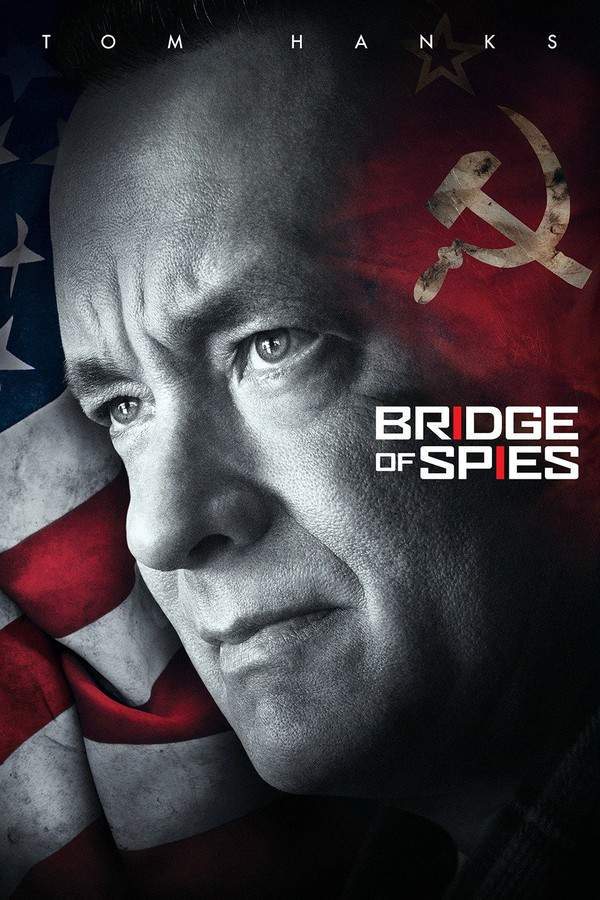
Bridge of Spies (2015) movie poster

Timeline

Bridge of Spies (2015) Timeline Explained – Every Event in Order

Release, runtime and language
2015 · 141 min · English
Directed by
Steven Spielberg
Starring
Tom Hanks, Mark Rylance, Amy Ryan, Alan Alda
Budget
$40M

During the height of the Cold War, American U-2 pilot Francis Gary Powers is captured in Soviet territory and sentenced to years of imprisonment. As tensions rise, lawyer James Donovan is tasked with an extraordinary mission: to negotiate Powers’ release through a complex prisoner exchange. Donovan must navigate dangerous political landscapes and personal risk to secure the pilot’s freedom, trading him for Rudolf Abel, a skilled Soviet spy already in American custody. The precarious situation demands careful maneuvering and unwavering resolve.

On this page (6)
  1. 1 Where to watch
  2. 2 Events in order (15)
  3. 3 Timeline questions answered
  4. 4 Movie threads
  5. 5 Movies like Bridge of Spies
  6. 6 Every angle

Where to watch

Where to Watch Bridge of Spies (2015)

Where can you watch Bridge of Spies? Stream, rent or buy it in the US, including on Apple TV Store: current JustWatch availability with up-to-date prices.

Streaming availability powered by JustWatch

15 events in order · contains spoilers

Bridge of Spies Timeline: Events in Chronological Order

Every key event of Bridge of Spies (2015) in order, scene by scene, with when and where it takes place. Use it to untangle flashbacks, time jumps and parallel storylines, to refresh your memory before the sequel or to find the exact scene you are thinking of.

  1. Rudolf Abel Charged with Espionage

    In the intense heat of summer 1957, Rudolf Abel was arrested and charged with espionage for the Soviet Union. This unexpected turn of events marked the beginning of a significant legal battle that would attract national attention.

    When
    Summer 1957
  2. James B. Donovan Steps In

    Amidst the turmoil, James B. Donovan, a former OSS general counsel, stepped up to represent Abel. His commitment to providing a robust defense showcased his belief in the importance of legal rights, even for those accused of serious crimes.

  3. Trial and Sentencing

    As the trial unfolded, Donovan fought valiantly for Abel's rights. Despite facing immense pressure, he succeeded in persuading the judge to impose a 30-year prison sentence instead of death, marking a pivotal moment in the case.

  4. Appeal to the Supreme Court

    Donovan's determination led him to appeal the conviction to the Supreme Court, arguing that the seizure of Abel's materials lacked a search warrant. His commitment to justice came at a personal cost, including harassment against him and his family.

  5. Supreme Court Upholds Conviction

    The Supreme Court upheld Abel's conviction by a narrow margin, emphasizing the legal limits surrounding espionage cases. Despite this setback, Donovan remained unfaltering in his pursuit of justice for his client.

  6. Francis Gary Powers Shot Down

    In 1960, CIA pilot Francis Gary Powers was shot down over Soviet territory, leading to his capture and a subsequent ten-year sentence. This incident underscored the escalating tensions of the Cold War and heightened Donovan's sense of urgency.

    When
    1960
    Where
    Soviet Union
  7. Letter from East Germany

    Donovan received a surprising letter purportedly from Abel's wife, thanking him for his efforts. The communication led him to reach out to their lawyer, Vogel, opening the door for potential negotiation opportunities.

    Where
    East Germany
  8. Negotiations Begin

    The CIA seized the moment, hinting at a possible exchange of Powers for Abel. Donovan was approached secretly for negotiations in Berlin, emphasizing the urgency amidst rising Cold War tensions.

    Where
    Berlin
  9. Meeting with KGB Officer

    Upon entering East Berlin, Donovan met with a KGB officer at the Soviet Embassy. The officer directed him to Vogel, who represented the Attorney General of East Germany, offering a proposal for an exchange.

    Where
    East Berlin
  10. The Attorney General's Proposal

    The proposal involved exchanging Abel for Frederic Pryor, an American student arrested in East Germany. This deal aimed to gain recognition and leverage from the United States, complicating Donovan's position.

  11. Donovan's Firm Stance

    Despite CIA pressure to focus solely on securing Powers' release, Donovan remained committed to freeing both men. He sent a powerful message, asserting that neither Pryor nor Powers alone would suffice for a successful deal.

  12. Tensions Rise

    As the deadline for the negotiations approached, tensions escalated. It became clear that Pryor's release was delayed, and the CIA grew anxious about securing Powers’ safety, pushing for a compromise.

  13. Confirmation of Pryor's Release

    In a climactic moment, confirmation arrived that Pryor had been released. This pivotal news set the stage for the much-anticipated exchange at Glienicke Bridge, highlighting Donovan's strategic negotiation skills.

    Where
    Glienicke Bridge
  14. Successful Exchange

    The long-awaited exchange took place at Glienicke Bridge, symbolizing a significant diplomatic achievement amidst Cold War hostilities. This event marked a triumphant moment for Donovan's relentless efforts to secure freedom for both men.

    Where
    Glienicke Bridge
  15. Recognition in the United States

    Following the exchange, the U.S. government publicly acknowledged Donovan’s crucial role in orchestrating the operation. This recognition transformed his public image, solidifying his reputation as a skilled mediator in international affairs.

    Where
    United States

Last updated: November 22, 2024 at 18:10

Was this helpful?

Timeline questions answered

Bridge of Spies Timeline Explained: Your Questions Answered

When does it happen, and why in that order? The questions people ask about the chronology of Bridge of Spies (2015): time jumps, flashbacks, cause and effect between scenes and the correct order of events, each answered with spoilers.

Q1

Why did James Donovan agree to defend Rudolf Abel?

Donovan, a former OSS general counsel, believed strongly in every person's right to a robust legal defense, regardless of the charges against them. He took the case knowing it would be controversial and personally dangerous, viewing it as a matter of constitutional principle rather than politics.

Foreshadowing: Earlier scenes establish Donovan's background in intelligence and his deep commitment to legal rights.

  • james donovan
  • rudolf abel
  • lawyer
  • defense
  • espionage case
Q2

Why did Rudolf Abel get 30 years instead of the death penalty?

Donovan convinced the judge that execution was unnecessary and unjust for an elderly spy who had not caused any American deaths. He argued successfully that a long prison sentence served justice better than execution, saving Abel from the death row.

Foreshadowing: Donovan's commitment to Abel's defense is evident from the moment he takes the case.

  • rudolf abel
  • sentence
  • death penalty
  • 30 years
  • courtroom
Q3

Why did Donovan appeal Abel's case to the Supreme Court?

Donovan challenged the legality of how authorities seized Abel's ciphers and photographic materials, specifically the absence of a search warrant. He believed the government's evidence was obtained illegally and wanted to establish a precedent protecting constitutional rights, even at personal cost to his family.

Foreshadowing: The CIA's pressure on Donovan to disclose his communications with Abel hints at the case's broader implications.

  • supreme court
  • appeal
  • search warrant
  • ciphers
  • constitutional rights
Q4

How did the prisoner exchange for Powers come about?

After Powers was shot down in 1960 and sentenced to prison, the CIA learned through a letter from East Germany, purportedly from Abel's wife, that the Soviets might consider an exchange. They secretly approached Donovan to negotiate in Berlin, leveraging his relationship with Abel's legal team.

Foreshadowing: The unexpected letter from East Germany arrives shortly after Powers' capture, creating the opportunity.

  • prisoner exchange
  • powers
  • abel
  • CIA
  • negotiation
  • berlin
Q5

Why did Donovan insist on freeing both Powers and Pryor?

Donovan refused to leave Frederic Pryor, an American student arrested in East Germany, behind. He believed a deal that released only Powers while leaving Pryor imprisoned would be incomplete. He sent a firm message that neither prisoner alone would suffice for a deal, demonstrating his commitment to freeing all Americans held captive.

Foreshadowing: Donovan's earlier principled stand in defending Abel foreshadows his unwavering approach to negotiations.

  • frederic pryor
  • powers
  • both prisoners
  • negotiation
  • exchange
Q6

What was the significance of the exchange at Glienicke Bridge?

The Glienicke Bridge, connecting West Berlin to East Germany, became the symbolic location for the historic exchange, Abel for Powers, with Pryor also freed. It represented a rare Cold War diplomatic success where both sides achieved their objectives without further conflict.

Foreshadowing: The bridge had been mentioned earlier as the proposed exchange location, building tension until the final moment.

  • glienicke bridge
  • exchange location
  • cold war
  • berlin
Q7

Why did the CIA choose Donovan for the negotiations?

The CIA specifically needed Donovan because of his existing relationship with Rudolf Abel and his reputation as a skilled, trustworthy lawyer who had already proven himself committed to his client's interests. His involvement gave the negotiations credibility with the Soviet side.

Foreshadowing: Donovan's earlier work defending Abel established the connection the CIA later exploited.

  • CIA
  • negotiations
  • donovan
  • selected
  • trust
Q8

Why did Donovan's family face harassment during the case?

Donovan's decision to defend a Soviet spy and appeal to the Supreme Court made him a target. His family received threatening phone calls and had shots fired at their home, reflecting the intense public hostility toward anyone perceived as sympathetic to an enemy of the state.

Foreshadowing: The harassment escalates after Donovan announces his intention to appeal to the Supreme Court.

  • family
  • harassment
  • threats
  • home
  • danger
Q9

How did the construction of the Berlin Wall affect the negotiations?

The Berlin Wall's construction in 1961 heightened Cold War tensions and made the prisoner exchange more urgent and complicated. Donovan had to navigate the newly divided city, meeting with Soviet and East German officials in East Berlin while tensions remained extremely high.

Foreshadowing: The wall appears under construction as Donovan enters East Berlin for negotiations.

  • berlin wall
  • construction
  • tensions
  • 1961
  • divided city
Q10

Why did the Supreme Court uphold Abel's conviction despite the illegal search?

The Supreme Court ruled narrowly to uphold the conviction, finding that the Fourth Amendment protections did not apply as firmly in espionage cases involving national security. The court recognized the unusual circumstances of spy investigations, though the decision was contentious.

Foreshadowing: Donovan's appeal was always a long shot given the political climate around Cold War espionage.

  • supreme court
  • conviction upheld
  • fourth amendment
  • national security
  • 5-4
Q11

Was the letter from East Germany actually from Abel's wife?

The summary presents the letter as purportedly from Abel's wife, though it was actually used by the CIA as a convenient opening for negotiations. The letter's authenticity was less important than its usefulness in establishing a diplomatic channel between the Americans and Soviets.

Foreshadowing: The letter arrives at a convenient moment, prompting suspicion from the beginning.

  • letter
  • east germany
  • abel's wife
  • CIA
  • negotiation
Q12

What recognition did Donovan receive after the successful exchange?

The day following the exchange at Glienicke Bridge, the U.S. government publicly acknowledged Donovan's crucial role in orchestrating the operation. This recognition transformed his public image from a controversial figure defending a spy to a celebrated hero and skilled international negotiator.

Foreshadowing: Donovan's earlier criticism and the harassment he faced set up this dramatic reversal of public opinion.

  • recognition
  • government
  • hero
  • public image
  • celebrated

Movie threads

More Movies Like Bridge of Spies, by Mood & Story

Curated lists built around what makes Bridge of Spies tick: the same mood, the same kind of story or the same emotional payoff. Each list explains why these movies belong together.

Cold War Negotiation Thrillers like Bridge of Spies

High-stakes diplomacy and spy swaps in the shadow of global conflict. If you enjoyed the tense diplomacy of Bridge of Spies, explore more movies like it focused on Cold War spy swaps and high-stakes negotiations. These similar historical dramas and thrillers capture the moral complexity and urgent, methodical pacing of international brinkmanship.

  • tense
  • methodical
  • suspenseful
  • serious
  • morally complex
  • claustrophobic
  • Tone: tense, serious
  • Pacing: steady, methodical
Why these movies?

The story pattern: These stories typically follow a single protagonist—often a lawyer, diplomat, or intelligence officer—navigating a delicate and dangerous negotiation between adversarial nations. The plot unfolds like a strategic game, building suspense through careful dialogue, political maneuvering, and the constant threat of failure, rather than through action or violence.

Why they belong together: Movies in this thread are grouped by their shared setting of the Cold War, their focus on negotiation as the primary driver of conflict, and their tense, serious tone. They all explore the theme of individuals operating under immense pressure to prevent a global confrontation.

Movies about Moral Integrity like Bridge of Spies

Stories of individuals upholding principle against overwhelming political pressure. Fans of James Donovan's principled stand in Bridge of Spies will appreciate these other movies about moral courage. Discover similar dramas and thrillers where a single character's unwavering integrity becomes a beacon against corruption, cynicism, and overwhelming political pressure.

  • morally complex
  • serious
  • tense
  • thought-provoking
  • principled
  • dramatic
  • Tone: tense, morally complex
  • Pacing: steady, deliberate
Why these movies?

The story pattern: The narrative follows a character who is tasked with a difficult, often unpopular duty. They face skepticism from allies and threats from enemies, but their journey is defined by a dogged persistence to do what is 'right' according to a higher law or personal ethic, rather than what is easy or politically expedient. The endings are often bittersweet, acknowledging the cost of their stance.

Why they belong together: These movies are connected by a core theme of moral courage and the protagonist's arc of standing firm on principle. They share a heavy emotional weight, a tense tone, and a focus on the psychological toll of maintaining integrity in a system designed to break it.

If you liked this

Movies Like Bridge of Spies

Similar movies to Bridge of Spies: the same genre, themes or kind of story. Each one comes with its own plot summary, timeline and ending explained.

Browse all movie summaries

Every angle

Bridge of Spies (2015) Explained: Plot, Ending, Timeline & Characters

Everything about Bridge of Spies in one place: what happens in the plot summary, the timeline in chronological order, the characters and meaning, the ending explained and a spoiler-free summary. What's After the Movie adds the cast, box office and post-credit scenes.

Coming soon on iOS and Android

The Plot Explained Movie Summary App

Plot summaries, endings explained and timelines on your phone. Catch up on any movie in minutes, save your favorites and never miss a twist again.

Be the first to know when we launch. Your email stays private, always.

Learn more about the app