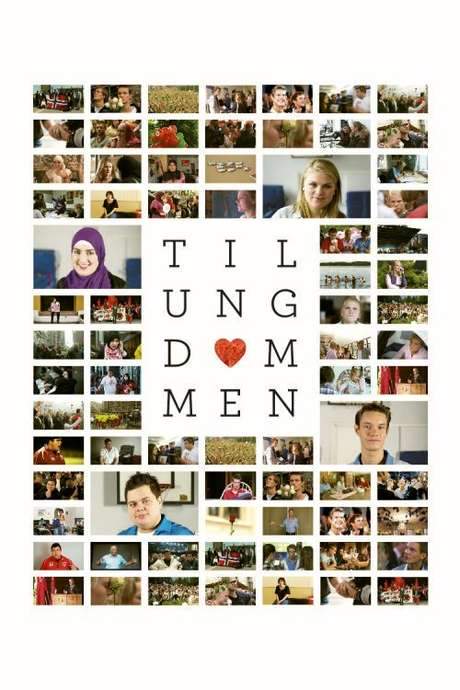
Year: 2012
Runtime: 108 mins
Language: Norwegian
Director: Kari Anne Moe
A documentary about youth politicians changes radically on July 22nd 2011, when a right-wing extremist murders 69 people at a summer camp run by the Workers Youth Party.
Warning: spoilers below!
Haven’t seen Bravehearts yet? This summary contains major spoilers. Bookmark the page, watch the movie, and come back for the full breakdown. If you're ready, scroll on and relive the story!
Explore the full timeline and setting of Bravehearts (2012). Follow every major event in chronological order and see how the environment shapes the story, characters, and dramatic tension.
Last updated: October 03, 2025 at 10:17
Meet the key characters of Bravehearts (2012), with detailed profiles, motivations, and roles in the plot. Understand their emotional journeys and what they reveal about the film’s deeper themes.
Last updated: October 03, 2025 at 10:17
Explore the central themes of Bravehearts (2012), from psychological, social, and emotional dimensions to philosophical messages. Understand what the film is really saying beneath the surface.
Last updated: October 03, 2025 at 10:17
Browse frequently asked questions about Bravehearts (2012) focused on characters, relationships, themes, symbols, setting, and story context. This movie info FAQ gives spoiler-aware explanations for character arcs, world details, and thematic interpretation so readers can better understand what the film is really about.
The documentary centers on events in Norway, specifically the July 22, 2011 attacks at a summer camp on Utøya island, which is located in Norway. The film also covers the broader Norwegian context surrounding these tragic events.
The documentary focuses on events from July 22, 2011, when the attacks occurred. It examines the immediate aftermath and the period following this date, exploring how Norway responded to the tragedy.
The documentary follows youth politicians associated with the Workers' Youth Party (AUF), the political organization that ran the summer camp. It explores their experiences before, during, and after the attack, showing how the tragedy affected young political activists in Norway.
The documentary gives voice to survivors and those affected by the attacks, examining how young people who were targeted because of their political involvement coped with trauma and continued their activism.
The July 22, 2011 attacks killed 69 people, mostly young people at a summer camp, making it one of the deadliest peacetime attacks in Norwegian history. The documentary examines the profound impact this had on Norwegian society and its political landscape.
The film explores how political engagement became directly tied to violence, examining the consequences for Norway's political culture and the resilience of democratic values in the face of extremism.
The title Bravehearts likely refers to the courage and resilience shown by the young victims and survivors of the attacks. The term connects to themes of bravery in the face of political violence.
The documentary takes a serious, reflective approach, examining both the tragedy and the human resilience that emerged. It balances personal stories with broader questions about society, politics, and national identity.
Discover curated groups of movies connected by mood, themes, and story style. Browse collections built around emotion, atmosphere, and narrative focus to easily find films that match what you feel like watching right now.
Stories of movements and individuals facing violent oppression in the political arena.Find more documentaries and dramas like Bravehearts that explore real-world political struggles, acts of defiance, and the impact of violence on social movements. If you were gripped by the story of a political youth movement facing tragedy, you'll find similar films about resistance and historical upheaval here.
Movies in this thread typically follow a pattern of a political ideal or movement being challenged by a sudden, violent act. The story then unfolds as a chronicle of response, resilience, and the high-stakes conflict between ideology and oppression, often leading to profound loss but also enduring legacy.
These films are grouped together because they share a core focus on political conflict, a dark and oppressive tone, and a high-intensity, fast-paced viewing experience. They are united by themes of struggle against tyranny, the emotional weight of real-world tragedy, and a narrative driven by defiance in the face of brutal opposition.
Narratives where profound loss ultimately sparks a legacy of hope or change.Discover films with emotional arcs similar to Bravehearts, where a story of profound personal tragedy leads to a bittersweet conclusion of hope or legacy. If you appreciated the mix of deep sorrow and inspirational resolve, these movies explore how sacrifice can pave the way for future change.
The narrative pattern involves a catastrophic event that shatters the protagonist's world, triggering a journey of response. The story builds towards an ending where the immediate outcome is a personal defeat or loss, but the actions of the characters sow the seeds for a larger, hopeful future, creating a powerful emotional paradox.
These films are connected by their shared emotional structure: they deliver a heavy, tragic core experience but resolve with a bittersweet feeling. They balance high sadness with a undercurrent of hope or inspiration, creating a complex and resonant viewing experience defined by the weight of loss and the light of legacy.
Don't stop at just watching - explore Bravehearts in full detail. From the complete plot summary and scene-by-scene timeline to character breakdowns, thematic analysis, and a deep dive into the ending - every page helps you truly understand what Bravehearts is all about. Plus, discover what's next after the movie.
Read a complete plot summary of Bravehearts, including all key story points, character arcs, and turning points. This in-depth recap is ideal for understanding the narrative structure or reviewing what happened in the movie.
Track the full timeline of Bravehearts with every major event arranged chronologically. Perfect for decoding non-linear storytelling, flashbacks, or parallel narratives with a clear scene-by-scene breakdown.