






Plot Explained Spoilers guaranteed!
Plot Explained

Browse by genre

Wild in the Streets (1968) movie poster

Timeline

Wild in the Streets (1968) Timeline Explained – Every Event in Order

Release, runtime and language
1968 · 94 mins · English
JustWatch #3,585 39
Directed by
Barry Shear
Starring
Gary Busey, Hal Holbrook, Shelley Winters, Richard Pryor, Ed Begley, Bert Freed

Musician Max Frost supports a Senate candidate who proposes lowering the voting age to 18, then pushes further, urging his teenage fans to demand suffrage for 15‑year‑olds. Inspired, the crowd pressures officials, seizes influence, and begins championing new causes, but their hunger for power spirals into a brutal generational conflict.

On this page (6)
  1. 1 Where to watch
  2. 2 Events in order (12)
  3. 3 Timeline questions answered
  4. 4 Movie threads
  5. 5 Movies like Wild in the Streets
  6. 6 Every angle

Where to watch

Where to Watch Wild in the Streets (1968)

Where can you watch Wild in the Streets? Stream, rent or buy it in the US, including on Amazon Prime Video, fuboTV and MGM Plus: current JustWatch availability with up-to-date prices.

Streaming availability powered by JustWatch

12 events in order · contains spoilers

Wild in the Streets Timeline: Events in Chronological Order

Every key event of Wild in the Streets (1968) in order, scene by scene, with when and where it takes place. Use it to untangle flashbacks, time jumps and parallel storylines, to refresh your memory before the sequel or to find the exact scene you are thinking of.

  1. Birth of Max Frost

    Max Frost is born as Max Jacob Flatow Jr., the seed of a future rock star and revolutionary. The film traces his early path toward anti-establishment stardom. His origin sets the stage for a legend who will shake up politics as well as music.

    When
    birth
  2. First public act of violence

    In his youth, Max commits his first act of violence by blowing up his family's new car. The act signals his willingness to challenge authority through shocking, high-profile gestures. It foreshadows the theatrical rebellion that dominates his career.

    When
    childhood
  3. The Troopers settle into a Beverly Hills mansion

    Max's band, the Troopers, live with their entourage in a sprawling Beverly Hills mansion. The luxurious setting contrasts with their radical political dreams and music. The core members include Billy Cage, Sally LeRoy, Abraham Salteen, and Stanley X.

    When
    early career
    Where
    Beverly Hills, California
  4. A song declaring youth as majority

    During a performance, the Troopers unveil a song noting that 52% of the population is 25 or younger. The crowd roars, and the message fuses music with a political agenda. The moment cements the movement's appeal to a new generation.

    When
    concert
    Where
    Live performance
  5. Rally moment: 14 is proposed

    At a televised rally for Senate candidate Johnny Fergus, Max refuses to sing and instead calls for lowering the voting age to 14. He ends with 'Fourteen or Fight!' and a call for a peaceful demonstration. The stunt ignites a nationwide youth mobilization.

    When
    live TV
    Where
    Televised rally
  6. Nationwide protests erupt

    Within 24 hours, protests surge in cities across the United States as teens respond to Max's declaration. The rapid turn from entertainment to political action overwhelms the usual political playbooks. Fergus faces a decision as his platform becomes a youth-driven movement.

    When
    within 24 hours of rally
    Where
    United States
  7. Fergus negotiates a compromise

    Rather than denounce Max, Fergus negotiates a compromise: lower the voting age to 15, maintain lawfulness, and urge peaceful demonstrations. The campaign pivots to embrace the youth vote while keeping the political process intact. This unusual alliance reshapes Fergus's strategy.

    When
    shortly after protests
    Where
    Washington, D.C.
  8. Televised confirmation: 'Fifteen and Ready'

    The following day, Max and Fergus appear on television to promote the new slogan 'Fifteen and Ready.' Public sentiment shifts as younger voters rally behind the bipartisan message. The event marks a formal collaboration between pop culture and political machinery.

    When
    the following day
    Where
    Television studio
  9. Voting age lowered; Fergus wins presidency

    Across the country, states increasingly lower the voting age, and Fergus wins the election by a landslide. Max and the Troopers become a major force in national politics beyond music. The youth movement transitions from protest to political power.

    When
    election day / days after
    Where
    United States
  10. Sally LeRoy ascends to Congress

    The death of a Congressman from Sally LeRoy's district triggers a special election. Sally, now of majority age, wins a seat in Congress as part of the teen bloc. Her election solidifies youth representation in the legislative branch.

    When
    special election
    Where
    Washington, D.C.
  11. Amendment to lower age to 14 introduced

    Sally introduces a constitutional amendment to lower national age requirements to 14. The move signals the next phase of the revolution, moving from voter turnout to elevating teens into office. A joint session of Congress begins the high-stakes debate.

    When
    joint session
    Where
    Washington, D.C.
  12. LSD spike and escorts help tip the vote

    To push the amendment through, the Troopers spike the Washington water supply with LSD and deploy teenage escorts for Senators and Representatives. The audacious tactic turns the tide in favor of the youth bloc. The line between protest and manipulation becomes dangerously blurred.

    When
    joint session
    Where
    Washington, D.C.

Last updated: October 09, 2025 at 11:25

Was this helpful?

Timeline questions answered

Wild in the Streets Timeline Explained: Your Questions Answered

When does it happen, and why in that order? The questions people ask about the chronology of Wild in the Streets (1968): time jumps, flashbacks, cause and effect between scenes and the correct order of events, each answered with spoilers.

Q1

Why did Max Frost propose lowering the voting age to 14 at the rally?

Max refused to simply perform at the rally and instead used his platform to push his revolutionary agenda. He calculated that 52% of the population is 25 or younger, making youth the true majority. By demanding 14 as the voting age, he created a provocative position that forced Senator Fergus to either reject young voters or embrace the movement.

Foreshadowing: Earlier, Max's band performed a song noting that the population majority is under 25, laying the groundwork for his political demands.

  • max frost
  • voting age
  • 14
  • rally
  • senator fergus
  • political revolution
Q2

How did the Troopers spike Washington's water supply with LSD?

The Troopers added LSD to Washington, D.C.'s water supply during the joint session of Congress. This audacious act ensured that every Senator and Representative would experience the drug's effects simultaneously. Combined with teenage escorts who kept Congress members distracted and compliant, the spike successfully influenced the vote on the constitutional amendment to lower the age requirement to 14.

  • lsd
  • congress
  • water supply
  • amendment
  • troopers
  • washington dc
Q3

Why did the teen activists drug the members of Congress?

Sally LeRoy had introduced a constitutional amendment to lower age requirements for national office to 14, but it was failing to gain enough support in Congress. The Troopers decided to spike the water supply with LSD and provide teenage escorts to manipulate the vote. This desperate measure crossed the line from protest to coercion, demonstrating how the movement had evolved from democratic advocacy to outright manipulation.

  • congress
  • lsd
  • manipulation
  • amendment
  • vote
  • Sally LeRoy
Q4

Why did Max Frost agree to run for president?

With youth now holding significant political influence, the established Old Guard politicians turned to Max as their candidate, believing they could control him. Max was reluctant but ultimately agreed, thinking he could reshape society from within the system. He ran as a Republican, which he had mocked earlier, showing how quickly the revolutionary leader became the very establishment he opposed.

  • max frost
  • president
  • old guard
  • candidacy
  • government
Q5

Why did the youth government establish re-education camps for people over 30?

Once in power, Max implemented extreme policies including mandatory retirement at 30. Those over 35 were rounded up and sent to re-education camps where they were permanently dosed with LSD. This reflected the film's dark satirical premise, youth, having been oppressed by age, now became the oppressors. The generation that fought for freedom became tyrannical in victory.

  • re-education camps
  • lsd
  • age 30
  • mandatory retirement
  • oppression
  • dystopia
Q6

Why did Senator Fergus attempt to assassinate Max Frost?

After Max took power and began implementing his extreme policies, Fergus realized he had created a monster. He tried to intervene by contacting Max's parents and then arranged an assassination attempt. The plan failed completely, and Fergus fled Washington with his family but was quickly rounded up by the youth regime, demonstrating that there was no going back to the old order.

  • senator fergus
  • assassination
  • max frost parents
  • betrayal
  • failed intervention
Q7

How did Sally LeRoy get elected to Congress?

Sally was the eldest member of the group and the only one of voting age to run for office. When a Congressman from her district died, a special election was held. She won as part of the teen political bloc, becoming the movement's representative in Congress. Her election demonstrated how the youth movement was transitioning from protest to formal political power.

  • sally leroy
  • congress
  • election
  • special election
  • youth bloc
  • political power
Q8

What does the ending imply about the cycle of generational power?

The ending shows pre-teen children beginning to challenge the teenage rulers. When a young girl learns Max is 24, she declares 'that's old,' signaling that the same age-based oppression will continue. A child voices fear that an even younger generation will push everyone over a certain age out of power. This creates an endless, brutal cycle of generational overthrow, reinforcing the film's cynical message that revolution often becomes a new tyranny.

  • ending
  • cycle
  • children
  • max age
  • generational overthrow
  • tyranny
  • satire
Q9

What was the crawdad incident and why did it matter?

The crawdad was a pet belonging to several children in the youth regime. Max killed it and was seen mocking the children's power, which terrified them. This moment symbolized how quickly the revolutionary leader had become indifferent to the very youth that empowered him. It foreshadowed the children's subsequent turn against Max and the teenagers, showing that even the youngest were not safe from the new order's cruelty.

  • crawdad
  • children
  • max frost
  • power
  • mocking
  • foreshadowing
  • betrayal
Q10

Why did the movement change from 'Fourteen or Fight' to 'Fifteen and Ready'?

After Max's rally stunt sparked nationwide protests, Senator Fergus negotiated a compromise. Rather than denounce the demonstrations, he agreed to back the youth vote in exchange for Max moderating his demands. Max agreed to accept a voting age of 15 and urge peaceful protests. The slogan shift represented the movement's evolution from radical protest to institutionalized politics, and Max's willingness to compromise his principles for mainstream acceptance.

  • fourteen or fight
  • fifteen and ready
  • slogan
  • compromise
  • fergus
  • negotiation
  • protest

Movie threads

More Movies Like Wild in the Streets, by Mood & Story

Curated lists built around what makes Wild in the Streets tick: the same mood, the same kind of story or the same emotional payoff. Each list explains why these movies belong together.

Dystopian revolutions like in Wild in the Streets

Watch youthful idealism curdle into cynical tyranny as rebels seize power. If you liked Wild in the Streets, explore more movies where youthful rebellion spirals into dystopian control. These films show similar patterns of idealistic revolutions turning oppressive, featuring stories of social satire, power corruption, and chilling generational conflict.

  • dystopian
  • satirical
  • unsettling
  • subversive
  • cynical
  • paranoid
  • Tone: dark, satirical, cynical
  • Pacing: fast, escalating
Why these movies?

The story pattern: Narratives in this thread typically follow a clear arc: a cause gains momentum, achieves a swift and decisive victory, but the aftermath reveals the flaws and hunger for power in the new leaders. The focus is on the tragic irony of the revolution devouring its own children.

Why they belong together: Movies are grouped here for their shared exploration of the corrupting nature of power and the cyclical nature of oppression. They share a dark, satirical tone and a fast-paced descent from hope into a chilling new reality.
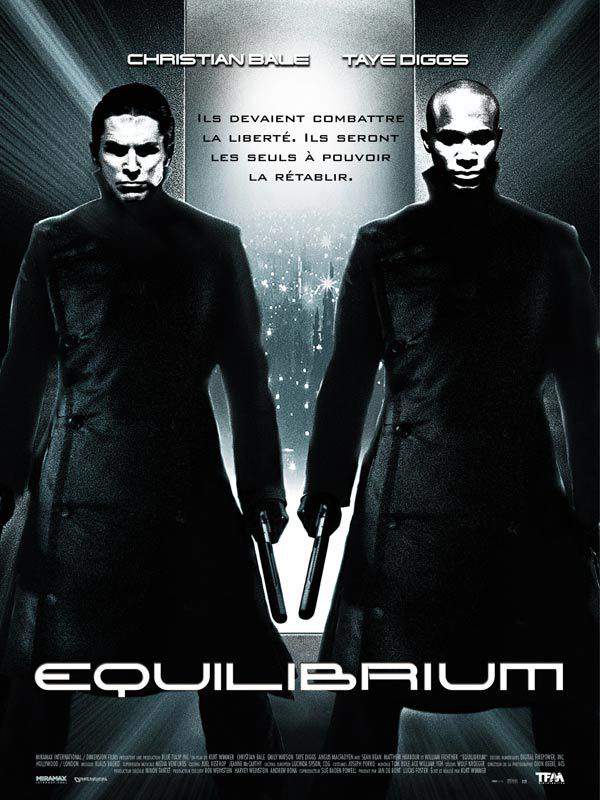
Dark satirical thrillers like Wild in the Streets

Biting social commentary that accelerates into genuine societal dread and manipulation. Find movies similar to Wild in the Streets that blend sharp social satire with intense paranoia. These films share a vibe where comedic setups evolve into serious, high-stakes dystopian scenarios, perfect for fans of unsettling and thought-provoking cinema.

  • satirical
  • anxious
  • paranoid
  • subversive
  • unsettling
  • dystopian
  • Tone: satirical, anxious, paranoid
  • Pacing: fast-paced, relentless
Why these movies?

The story pattern: The narrative pattern begins with an exaggerated or absurd concept used to critique society. However, the situation rapidly escalates, losing its levity as the consequences become dire. The tone shifts from witty to genuinely anxious, exploring themes of control, propaganda, and mass manipulation.

Why they belong together: These movies are united by their unique tonal blend of satire and dread. They create an anxious, subversive viewing experience where the line between funny and frightening is deliberately blurred, leaving the viewer feeling unsettled and thoughtful.

If you liked this

Movies Like Wild in the Streets

Similar movies to Wild in the Streets: the same genre, themes or kind of story. Each one comes with its own plot summary, timeline and ending explained.

Browse all movie summaries

Every angle

Wild in the Streets (1968) Explained: Plot, Timeline & Characters

Everything about Wild in the Streets in one place: what happens in the plot summary, the timeline in chronological order, the characters and meaning and a spoiler-free summary. What's After the Movie adds the cast, box office and post-credit scenes.

Coming soon on iOS and Android

The Plot Explained Movie Summary App

Plot summaries, endings explained and timelines on your phone. Catch up on any movie in minutes, save your favorites and never miss a twist again.

Be the first to know when we launch. Your email stays private, always.

Learn more about the app