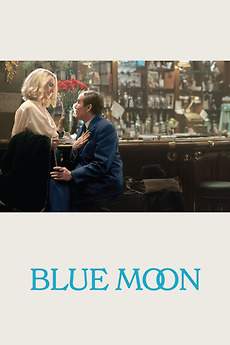










On the evening of March 31, 1943, legendary lyricist Lorenz Hart sits in the famed Sardi’s bar, wrestling with a shattered self‑confidence while his former partner Richard Rodgers is reveling in the opening‑night celebration of his groundbreaking musical “Oklahoma!”. The contrast between Hart’s inner turmoil and Rodgers’ public triumph underscores the bittersweet atmosphere of that historic night.
Warning: spoilers below!
Haven’t seen Blue Moon yet? This summary contains major spoilers. Bookmark the page, watch the movie, and come back for the full breakdown. If you're ready, scroll on and relive the story!
Still thinking about how Blue Moon (2025) ended? Here’s a full breakdown of the ending, key final moments, major twists, and the deeper meaning behind the film’s conclusion.
At the end of Blue Moon the night of Oklahoma!’s opening swells into a quiet, desperate tableau for Lorenz Hart. After walking out of the theater, he lingers in the neighboring bar, surrounded only by the bartender Eddie and the piano‑player Morty. Their conversation circles around the triumph of Rodgers and Hammerstein, yet Hart can’t hide his bitterness—the musical feels safe and unchallenging, a reminder that his own fire has faded. He clings to the idea that a new collaboration—perhaps a play about Marco Polo—might restore his relevance, and he dreams that Elizabeth, the bright‑eyed Yale student who has become his muse, will finally arrive at his modest after‑party and validate his worth.
The party never materialises. The bar closes, most of the guests have drifted to Rodgers’ celebration, and Hart’s attempts to invite anyone— even a delivery boy—feel hollow. When Morty begins to play “Blue Moon,” the very song Hart once dismissed, the simple hum of the melody brushes away the crushing silence. Eddie, sensing Hart’s isolation, pours another drink and sits with him, sharing a brief moment of companionship. Hart tells the small, attentive audience the story of how the song’s title was originally different, a quiet act of storytelling that seems to give him a fleeting sense of purpose.
The film then jumps forward. A month after the night of Oklahoma!, Hart’s mother dies, leaving him even more adrift. In November 1943, weakened by years of alcohol and a lingering pneumonia, he is found collapsed on the sidewalk outside the same Manhattan bar. He is taken to a hospital, where, four days later, he quietly passes away. The final lyric of “Blue Moon”—“You saw me standing alone, without a dream in my heart, without a love of my own”—echoes over his death, underscoring the tragic irony that the song he once dismissed perfectly captures the solitude that defined his final years.
The ending ties together Hart’s lingering hope for artistic redemption (the successful revival of A Connecticut Yankee becomes his last credited work), his unreciprocated love for Elizabeth, and his enduring need to be heard. By closing on the gentle hum of “Blue Moon” and Hart’s solitary narration, the film leaves the viewer with a bittersweet portrait of a genius whose brilliance was forever eclipsed by his own yearning for connection.
Last Updated: December 10, 2025 at 15:52
Discover curated groups of movies connected by mood, themes, and story style. Browse collections built around emotion, atmosphere, and narrative focus to easily find films that match what you feel like watching right now.
Intimate character studies exploring the personal demons of brilliant, flawed artists.If you were fascinated by the portrait of Lorenz Hart in Blue Moon, explore these other movies about brilliant but troubled artists. This collection features similar biographical dramas and character studies that delve into the personal demons, addictions, and emotional turmoil of iconic creative figures.
These stories often focus on a pivotal moment or period of decline in an artist's life, using flashbacks and introspection to contrast their public achievements with private struggles. The central conflict is usually internal, pitting creative brilliance against self-destructive tendencies or societal pressures.
Movies are grouped here for their shared focus on the 'tortured artist' archetype. They share a melancholic tone, a steady, character-driven pace, and a deep exploration of the psychological cost of creativity, making them compelling for viewers interested in the person behind the art.
Stories compressed into one evening, where characters confront past choices and regrets.Fans of the single-night structure of Blue Moon will enjoy these other movies that take place over one evening. Discover similar films with a steady pace where characters reflect on their lives, confront past failures, and experience bittersweet realizations in a compressed, intimate setting.
The narrative structure is defined by its temporal constraint, using a single location and a short timeline to heighten emotional impact. The plot is driven by conversation, memory, and internal reckoning rather than external action, leading to a climax of personal realization, often with a sad or bittersweet conclusion.
This thread groups movies based on their unique pacing and structure—a steady, real-time unfolding over one night—combined with a dominant mood of melancholy and regret. They offer a similar vibe of intimate, conversational drama focused on life's 'what if' moments.
Don't stop at just watching — explore Blue Moon in full detail. From the complete plot summary and scene-by-scene timeline to character breakdowns, thematic analysis, and a deep dive into the ending — every page helps you truly understand what Blue Moon is all about. Plus, discover what's next after the movie.
Read a complete plot summary of Blue Moon, including all key story points, character arcs, and turning points. This in-depth recap is ideal for understanding the narrative structure or reviewing what happened in the movie.
Track the full timeline of Blue Moon with every major event arranged chronologically. Perfect for decoding non-linear storytelling, flashbacks, or parallel narratives with a clear scene-by-scene breakdown.
Discover the characters, locations, and core themes that shape Blue Moon. Get insights into symbolic elements, setting significance, and deeper narrative meaning — ideal for thematic analysis and movie breakdowns.
Get a quick, spoiler-free overview of Blue Moon that covers the main plot points and key details without revealing any major twists or spoilers. Perfect for those who want to know what to expect before diving in.
Visit What's After the Movie to explore more about Blue Moon: box office results, cast and crew info, production details, post-credit scenes, and external links — all in one place for movie fans and researchers.
Discover movies like Blue Moon that share similar genres, themes, and storytelling elements. Whether you’re drawn to the atmosphere, character arcs, or plot structure, these curated recommendations will help you explore more films you’ll love.
Blue Moon (2025) Plot Summary & Movie Recap
Blue Moon (2025) Scene-by-Scene Movie Timeline
Blue Moon (2025) Movie Characters, Themes & Settings
Blue Moon (2025) Spoiler-Free Summary & Key Flow
Movies Like Blue Moon – Similar Titles You’ll Enjoy
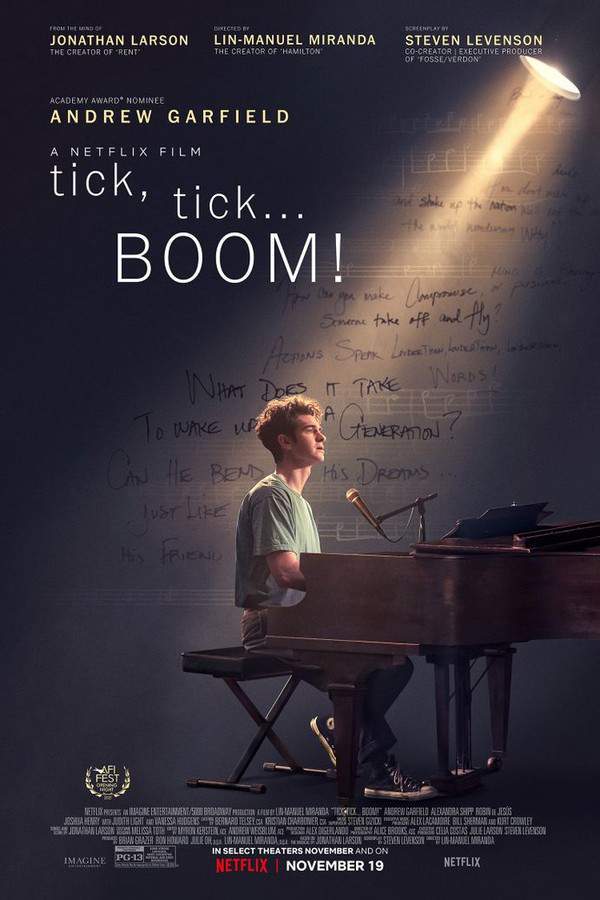
tick, tick...Boom! (2021) Full Movie Breakdown
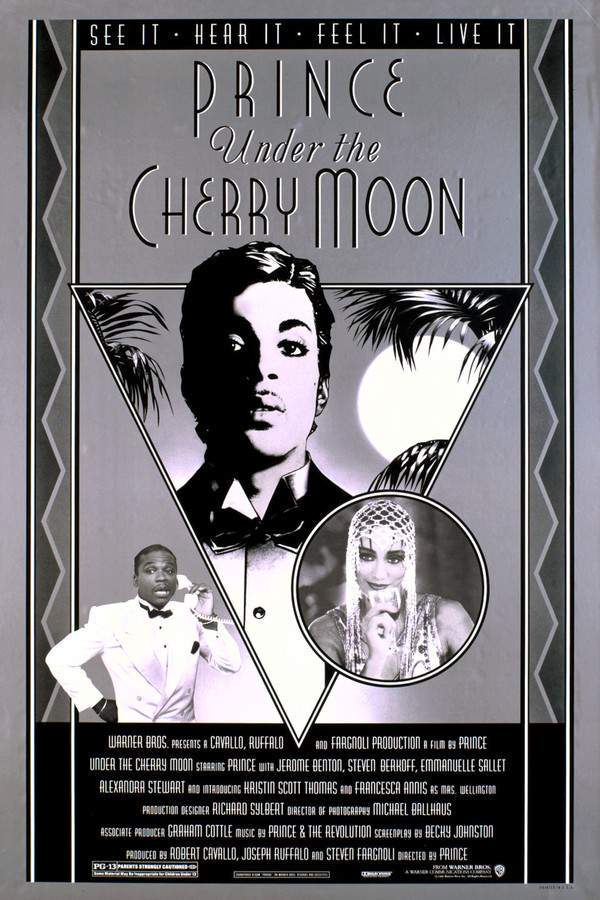
Under the Cherry Moon (1986) Plot Summary & Ending Explained
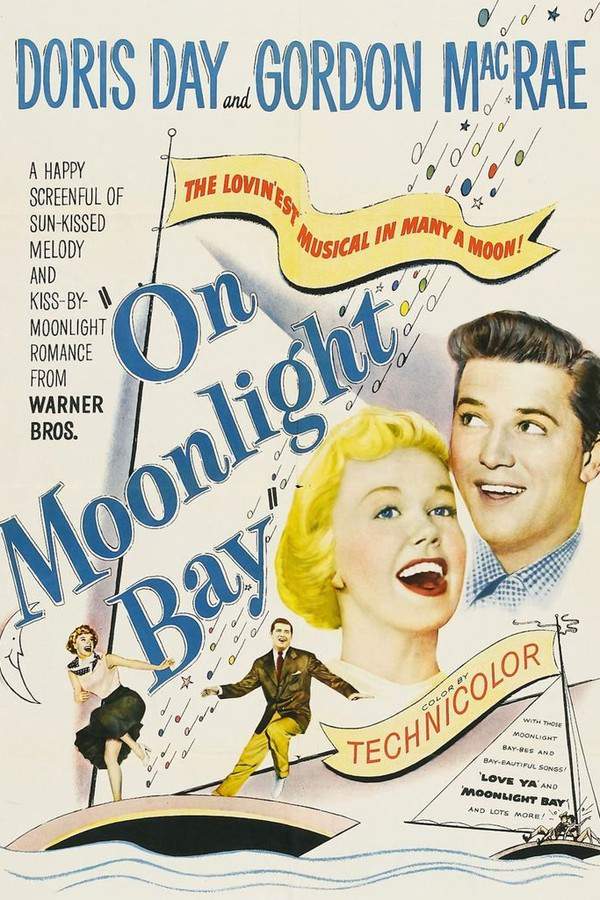
On Moonlight Bay (1951) Movie Recap & Themes
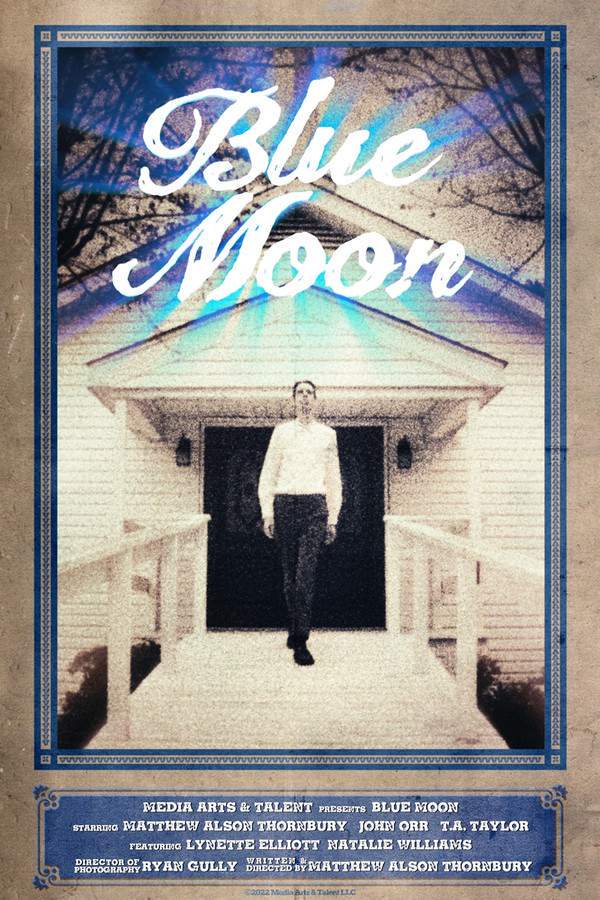
Blue Moon (2000) Spoiler-Packed Plot Recap
’Round Midnight (1986) Full Summary & Key Details
Full Moon in Blue Water (1988) Film Overview & Timeline
As Long As I’m Famous (2020) Story Summary & Characters
Blue Lights (2024) Full Movie Breakdown
Shine on Harvest Moon (1944) Film Overview & Timeline
Blues in the Night (1941) Movie Recap & Themes
The Moon Is Blue (1953) Movie Recap & Themes
Let’s Sing a Song About the Moonlight (1948) Full Summary & Key Details
Blue Skies (1946) Story Summary & Characters
Night and Day (1946) Story Summary & Characters
Words and Music (1948) Detailed Story Recap