Plot Explained Spoilers guaranteed!
Plot Explained

Browse by genre

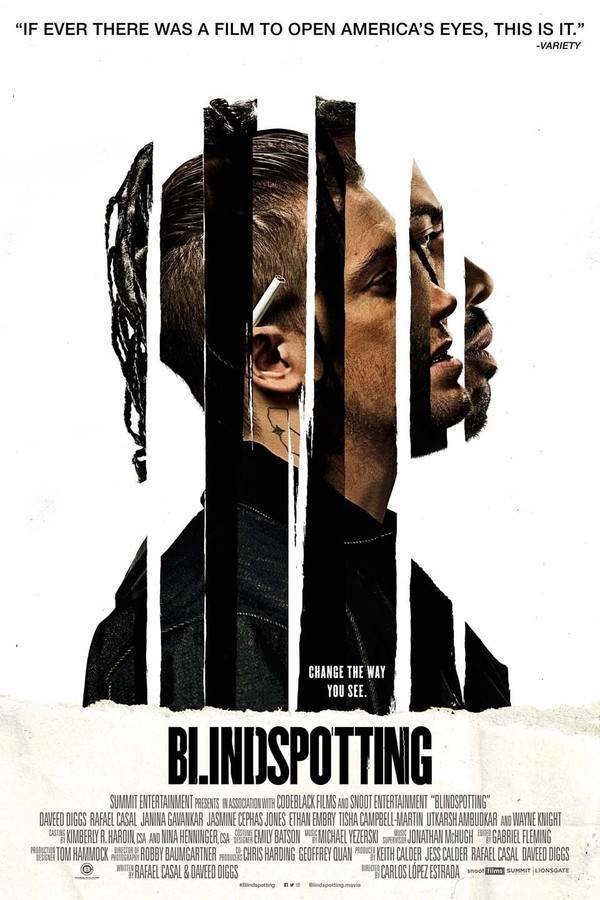
Blindspotting (2018) movie poster

Plot Summary

Blindspotting (2018) Plot Summary Explained

Release, runtime and language
2018 · 95 min · English
Echo score 90
Loading streaming availability…
Directed by
Carlos López Estrada
Starring
Daveed Diggs, Utkarsh Ambudkar, Jasmine Cephas Jones, Ethan Embry, Wayne Knight, Kevin Carroll

Collin is serving the final days of his probation when a tragic shooting occurs, forcing him to confront the complexities of his Oakland neighborhood. Along with his best friend Miles, he grapples with the changing landscape of their community due to gentrification and the impact it has on their shared past. The incident forces them to examine their identities and the challenges of navigating a rapidly changing world.

On this page (6)
  1. 1 Where to watch
  2. 2 What happens: full plot
  3. 3 Plot questions answered
  4. 4 Movie threads
  5. 5 Movies like Blindspotting
  6. 6 Every angle
Loading streaming availability…

Full plot summary · contains spoilers

What Happens in Blindspotting: Full Plot Summary

The whole story of Blindspotting (2018) explained, from the opening scene to the final frame: every key event, every twist and what it all adds up to. Read it as a quick recap before the sequel, to check a scene you missed, or to finally understand what really happened.

Collin Hoskins, portrayed by Daveed Diggs, grapples with the final three days of his probation after being released from prison. He and his hot-headed best friend, Rafael Casal as Miles Turner, navigate their lives working at a moving company in Oakland, California. One fateful night, while waiting at a red light, Collin witnesses a shocking incident where a white police officer, Ethan Embry, gunning down a black man. This traumatic event haunts him, manifesting in vivid nightmares and distressing hallucinations that blur his reality.

Simultaneously, Miles struggles with the gentrification of their beloved Oakland, feeling an overwhelming loss of identity and connection to their community. In a desperate attempt to feel safe, he decides to purchase a gun, a move that Collin vehemently opposes. As Miles' behavior becomes increasingly erratic, Collin's ex-girlfriend, Janina Gavankar as Val, expresses concern that their friendship could lead to dire consequences.

Their lives take a turn for the worse when a dinner at Miles’ home goes awry, and his gun falls into the hands of his young son, Sean, played by Ziggy Baitinger. This incident prompts Sean's mother, Jasmine Cephas Jones as Ashley, to demand both men leave her house in fear and outrage.

At a party later that night, an altercation erupts when an irritated Miles confronts a fellow guest over perceived cultural appropriation, igniting violence. In the heat of the moment, he brandishes his gun to intimidate the crowd, forcing Collin to step in and diffuse the situation. During a heated exchange, Collin confronts Miles about his reckless actions and the chaos they continually invite into their lives.

As Collin's probation period concludes, the psychological toll from the murder he witnessed lingers. In a twist of fate, while finishing a moving job, they arrive at the residence of Officer Molina— the same officer from the fateful night. Collin confronts the officer at gunpoint, voicing his outrage at the systemic issues plaguing the relationship between law enforcement and the black community, yet ultimately chooses to spare his life. In an emotional moment of clarity, Collin and Miles mend their friendship as they depart for their next job, ready to face whatever comes next together.

Last updated: November 03, 2024 at 12:15

Was this helpful?

Plot questions answered

Blindspotting Plot Explained: Your Questions Answered

The questions people ask most about Blindspotting (2018): what happens in the confusing scenes, why the characters do what they do, the twists, hidden details and what the ending means. Each answer contains spoilers.

Q1

Why does Collin have nightmares and hallucinations?

Collin is haunted by the traumatic police shooting he witnessed during the final days of his probation. The vivid nightmares and disturbing hallucinations represent his psychological struggle to process what he saw, a black man shot by a white officer, which stays with him throughout the three-day period and eventually drives his confrontation with Officer Molina.

Foreshadowing: The nightmares begin immediately after Collin witnesses the shooting, establishing the psychological toll that will build throughout the film.

  • nightmares
  • hallucinations
  • ptsd
  • trauma
  • police shooting
  • witnessing violence
Q2

Why does Miles decide to buy a gun?

Miles purchases a gun because he feels increasingly unsafe in his own neighborhood due to gentrification. He sees his beloved Oakland community being transformed around him and experiences a deep loss of identity and belonging. The gun represents his desperate attempt to regain a sense of security and control in a world that feels like it's slipping away from him.

Foreshadowing: Miles' struggle with gentrification is introduced early, showing his growing anxiety about losing his community before he takes the drastic step of buying a weapon.

  • gun
  • gentrification
  • oakland
  • fear
  • safety
  • community
Q3

What happens at dinner that causes Ashley to kick Collin and Miles out?

During a tense dinner at Miles' home, his gun accidentally falls out of his pocket and into the hands of his young son Sean. This terrifying moment, watching a child handle a loaded weapon, prompts Sean's mother Ashley to demand that both Collin and Miles leave immediately, fearing for her son's safety.

Foreshadowing: Earlier concerns from Val about the friendship leading to dire consequences foreshadow this dangerous incident involving a child.

  • gun
  • dinner
  • ashley
  • sean
  • child
  • miles son
  • safety
Q4

Why does Miles confront the guest at the party about cultural appropriation?

Miles confronts a fellow party guest over what he perceives as cultural appropriation, fueled by his deeper frustrations about losing ownership of his cultural identity due to gentrification. The confrontation becomes violent when Miles pulls his gun to intimidate the crowd, revealing how his accumulated stress and feelings of displacement have made him volatile.

Foreshadowing: Miles' earlier struggle with gentrification and feeling displaced from his community builds to this explosive moment at the party.

  • cultural appropriation
  • party
  • confrontation
  • gentrification
  • oakland identity
Q5

Why does Collin confront Officer Molina at the end?

Collin discovers that his moving job takes him to the house of Officer Molina, the same officer who shot the black man Collin witnessed. This shocking coincidence forces him to confront the officer directly, using the gun to express his rage at systemic racial injustice and the psychological trauma he's been carrying.

Foreshadowing: The traumatic shooting that Collin witnessed at the beginning directly leads to this confrontation at the end, completing his psychological arc.

  • officer molina
  • confrontation
  • racial injustice
  • police shooting
  • gunpoint
  • systemic issues
Q6

Why does Collin choose not to kill Officer Molina?

Despite having the officer at gunpoint and being fueled by anger over systemic racial injustice, Collin ultimately chooses non-violence. This decision represents his rejection of vengeance as a solution and his commitment to not let the trauma consume him. It also signifies personal growth and a conscious choice to break the cycle of violence.

Foreshadowing: Collin's consistent opposition to Miles' gun throughout the film foreshadows his eventual choice to spare the officer's life.

  • non-violence
  • choice
  • forgiveness
  • police brutality
  • racial justice
  • personal growth
Q7

How do Collin and Miles reconcile at the end?

After Collin's intense confrontation with Officer Molina, he and Miles have an emotional conversation that helps mend their friendship. They come to a deeper understanding of each other's struggles, Collin with his trauma and Miles with his displacement, reaffirming their bond as they prepare to face life's challenges together.

Foreshadowing: Their earlier confrontation at the party, where Collin tells Miles about the chaos they continually invite, plant the seeds for this reconciliation.

  • friendship
  • reconciliation
  • miles
  • collin
  • bond
  • understanding
Q8

What does the ending of Blindspotting mean?

The ending is bittersweet, Collin achieves personal victory by choosing non-violence and reconciling with Miles, but the systemic issues of police brutality and gentrification remain unresolved. The final scene shows them moving on to the next job, suggesting their friendship will help them navigate life's difficulties, though the broader societal problems persist.

Foreshadowing: The title "Blindspotting" itself suggests the systemic blind spots around racial injustice that the film illuminates but doesn't resolve.

  • ending
  • bittersweet
  • systemic issues
  • police brutality
  • gentrification
  • friendship future
Q9

Why is Collin's probation period significant to the story?

Collin's final three days of probation create urgent tension, he must avoid any trouble that could send him back to prison. This precarious position makes him the voice of caution throughout the film, particularly regarding Miles' reckless behavior, and heightens the stakes of every decision he makes.

Foreshadowing: Collin's careful navigation of his probation is established in the opening scenes, explaining why he opposes Miles' dangerous choices throughout.

  • probation
  • prison
  • release
  • three days
  • collin struggle
  • reintegration

Movie threads

More Movies Like Blindspotting, by Mood & Story

Curated lists built around what makes Blindspotting tick: the same mood, the same kind of story or the same emotional payoff. Each list explains why these movies belong together.

Urgent Social Realism like in Blindspotting

Character-driven stories where personal crises collide with systemic injustice. A collection of movies like Blindspotting that explore social issues through a personal, urgent lens. If you liked the way Blindspotting wove themes of gentrification and police brutality into a tense character drama, you'll find similar impactful stories that confront systemic injustice here.

  • urgent
  • gritty
  • confrontational
  • streetwise
  • unsettled
  • reflective
  • Tone: tense, confrontational, reflective
  • Pacing: steady, urgent
Why these movies?

The story pattern: Stories in this thread typically follow a protagonist facing a countdown or a pivotal event that forces them to confront a broader societal ill. The plot is driven by the friction between personal survival and a growing awareness of an unfair system, often leading to a climax that is more about a personal moral choice than a systemic victory.

Why they belong together: Movies are grouped here for their shared commitment to using tense, character-focused narratives to explore heavy, relevant social themes. They share a gritty, confrontational mood and prioritize emotional authenticity over escapism, resulting in a viewing experience that is both compelling and thought-provoking.

Movies about Fractured Friendships like in Blindspotting

Stories where a traumatic event pushes a volatile friendship to its breaking point. Discover films similar to Blindspotting that center on a complex friendship tested by trauma. If you were captivated by the tense dynamic between Collin and Miles as they grappled with a police shooting, this thread collects stories about volatile bonds facing extreme pressure.

  • tense
  • volatile
  • fraught
  • loyalty
  • betrayal
  • emotional
  • Tone: tense, heavy, bittersweet
  • Pacing: steady, character-driven
Why these movies?

The story pattern: The narrative pattern involves two friends with a deep but complicated history. A sudden, shocking incident acts as a catalyst, forcing both characters to re-evaluate their lives, their choices, and their relationship with each other. The story arc is defined by whether the friendship will fracture under the weight of new truths or find a bittersweet, evolved form of survival.

Why they belong together: These films are grouped by their intense focus on a central, strained friendship as the primary relationship dynamic. They share a high-tension atmosphere, heavy emotional weight, and often a bittersweet resolution that acknowledges the scars left by the ordeal, making the friendship itself the central drama.

If you liked this

Movies Like Blindspotting

Similar movies to Blindspotting: the same genre, themes or kind of story. Each one comes with its own plot summary, timeline and ending explained.

Browse all movie summaries

Every angle

Blindspotting (2018) Explained: Plot, Timeline & Characters

Everything about Blindspotting in one place: what happens in the plot summary, the timeline in chronological order, the characters and meaning and a spoiler-free summary. What's After the Movie adds the cast, box office and post-credit scenes.

Coming soon on iOS and Android

The Plot Explained Movie Summary App

Plot summaries, endings explained and timelines on your phone. Catch up on any movie in minutes, save your favorites and never miss a twist again.

Be the first to know when we launch. Your email stays private, always.

Learn more about the app