Plot Explained Spoilers guaranteed!
Plot Explained

Browse by genre

Bleed Out (2018) movie poster

Plot Summary

Bleed Out (2018) Plot Summary Explained

Release, runtime and language
2018 · 87 mins · English
Echo score 70
Loading streaming availability…
Starring
Stephen Burrows, Judith Burrows

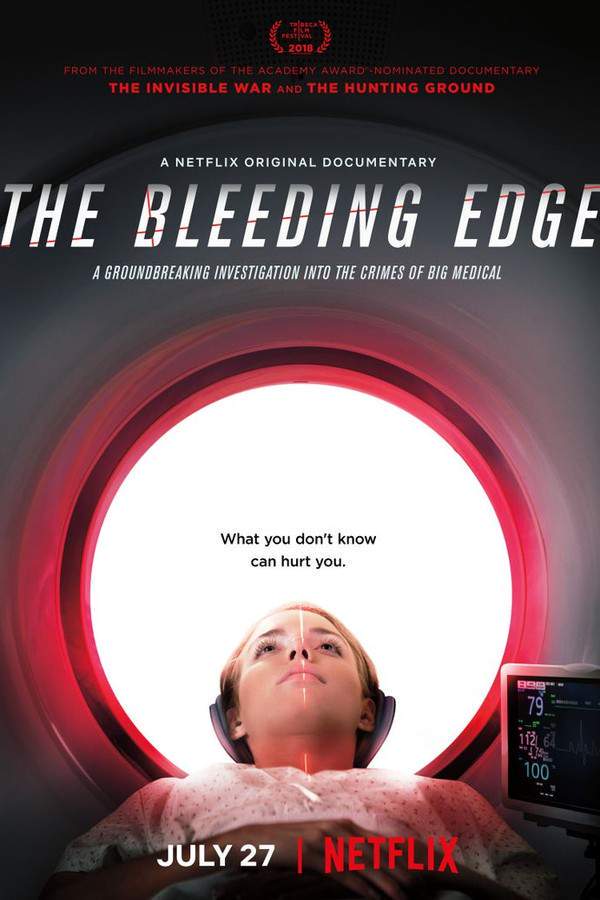
Following a routine hip replacement operation that leaves his mother in a coma with permanent brain damage, a filmmaker begins documenting his experiences. What starts as a personal video diary evolves into a broader investigation of the American healthcare system and its potential flaws. Through his journey, he seeks to understand the complexities of medical care and its impact on individuals and families.

On this page (6)
  1. 1 Where to watch
  2. 2 What happens: full plot
  3. 3 Plot questions answered
  4. 4 Movie threads
  5. 5 Movies like Bleed Out
  6. 6 Every angle
Loading streaming availability…

Full plot summary · contains spoilers

What Happens in Bleed Out: Full Plot Summary

The whole story of Bleed Out (2018) explained, from the opening scene to the final frame: every key event, every twist and what it all adds up to. Read it as a quick recap before the sequel, to check a scene you missed, or to finally understand what really happened.

Bleed Out opens by introducing Judith Burrows, the mother of the comedy director Stephen Burrows, portrayed as an independent, globe-trotting, retired schoolteacher who loved to travel. The film then shifts to June 2009, when Judith is rushed to a hospital in Milwaukee, Wisconsin after a fall from her bike leaves her with a hip fracture. She undergoes hip surgery and a period of rehabilitation, returning home only to endure a slow, grueling recovery despite physical therapy.

Five months later, Jud Judith falls again and is rushed back to the hospital. She spends eight days in the hospital, stabilized with painkillers as doctors try to pinpoint the source of her pain. After a week, doctors determine that she has fractured her hip once more and requires a rapid partial hip replacement. Steve Burrows explains that his mother had been taking Plavix, a blood thinner, and that patients are usually advised to stop such medication a few days before surgery. Despite the blood thinner, Jud Judith is cleared for the operation, but the procedure leaves her with a dramatic loss of blood—about half of her body's volume.

Judith endures the surgery and is placed in the hospital’s intensive care unit (ICU). The first night on the unit, the floor has no on-site ICU physicians; instead, Judith is in an electronic intensive care unit, or eICU, monitored by a team of doctors who watch through cameras from an airport facility. The eICU team can hear alarms, see patient monitors, and view details via microphones and video feeds. Within an hour, Judith’s blood pressure plummets to dangerous levels, and she falls into a coma without anyone noticing. Two days later, a neurologist evaluates her and confirms that she is in a coma. She remains unresponsive for nearly two weeks before waking, only to be diagnosed with severe cognitive and physical disabilities due to oxygen deprivation to the brain.

The documentary rails against the broader issue of medical errors, tracing a Johns Hopkins study that labels medical errors as the third leading cause of death in the United States. Dr. Marty Makary, a surgeon from Johns Hopkins, is featured to explain why he sees medical errors as a “silent epidemic” and why they appear to be increasing.

As the family reviews Jud Judith’s care, they uncover troubling inconsistencies in the anesthesiology records from her second surgery, noting they appear overly clean and flawless for a case with substantial blood loss. This fuels a desire to seek accountability, and Jud Judith’s uncle, Dr. Ted Payne, persuades Stephen Burrows to investigate further and consider a medical malpractice lawsuit. Steve consults with a malpractice attorney, Lynn Laufenberg, who explains that Wisconsin has a strong legal landscape for doctors and that patients win only a small fraction of malpractice cases. Undeterred, Steve begins recording his mother’s experiences as potential evidence.

While pursuing legal avenues, Stephen Burrows also battles the practical burdens: mounting medical bills, Medicare limitations, and the reality that Jud Judith’s long-term care may not be fully covered. He eventually secures a malpractice attorney, Mike End, who lays out the obstacles posed by Wisconsin law, including a provision he cites as a barrier to testimony among physicians. End warns that the case could take three years or more to reach trial.

Judith’s condition gradually improves, but she survives with spastic paraplegia and can only walk with a walker. Her cognitive function does not recover, and a neuropsychologist deems her incompetent with the cognitive ability of an eight-year-old. Steve tries to communicate with his mother about her prognosis, but Judith resists acknowledging how serious her condition is and insists on returning home. The family ultimately moves Jud Judith to a rehabilitation center. Four years after the incident, Judith transitions from Medicare to Medicaid as her savings—approximately $200,000—are exhausted by ongoing care and bills. Steve continues to navigate a maze of insurance rules, hospital practices, and medical bills.

Steve’s investigations lead him to meet with people connected to Jud Judith’s care, including Bauer, the hospital’s surgeon, and a risk manager from Aurora West Allis Medical Center. He records these conversations with spy cameras. Bauer voices concern about why the ICU lacks on-site physicians and calls the eICU “sloppy medicine.” Bauer ultimately suggests that Steve speak with Aurora Health Care, and Steve meets with a risk manager who implies the hospital would offer financial help if they felt they had erred.

The narrative then shifts again to a phone call that reveals Judith has been rushed to the hospital after a stroke, later treated for what is described as a seizure. She is diagnosed with permanent brain damage, unable to speak, and connected to a catheter. The film then returns to Makary’s critique, emphasizing that the medical community still has much to learn from its mistakes.

Jumping ahead to 2013, depositions begin in the lawsuit. Thirty depositions are taken, but each participant assigns blame to others for Judith’s brain injury. A deposition from an ICU nurse named Emily notes that cameras in the ICU are not always on to respect patient privacy. Another deposition from the eICU manager reveals that cameras are often off in patient rooms and that an eICU physician cannot replace a physical ICU physician, given that eICU physicians may oversee hundreds of patients per day.

After these proceedings, Steve consults with Charles M. Harper Jr., a Mayo Clinic neurologist, who discusses how medicine and patient care could benefit from prioritizing quality and health outcomes over financial incentives.

The film then leaps to 2016, when the case finally goes to trial. The courtroom focuses on whether there is solid evidence of medical negligence, weighing the conduct of the hospital and its staff against the devastating consequences Judith endured.


Last updated: February 25, 2026 at 08:11

Was this helpful?

Plot questions answered

Bleed Out Plot Explained: Your Questions Answered

The questions people ask most about Bleed Out (2018): what happens in the confusing scenes, why the characters do what they do, the twists, hidden details and what the ending means. Each answer contains spoilers.

Q1

Why was Judith cleared for hip surgery while on blood thinners?

Judith was taking Plavix, a blood thinner, and patients are typically advised to stop such medication several days before surgery. Despite this known risk, doctors cleared her for the rapid partial hip replacement procedure, which resulted in her losing about half her body's blood volume during the operation.

  • plavix
  • blood thinner
  • hip surgery
  • medical error
  • surgery complications
Q2

What is an eICU and why did it fail to detect Judith's condition?

An eICU is an electronic intensive care unit where doctors monitor patients remotely through cameras, microphones, and monitors from an off-site facility. On the night of Judith's surgery, the eICU team was watching through cameras from an airport facility, but her blood pressure plummeted to dangerous levels without anyone noticing, causing her to fall into a coma.

  • eICU
  • remote monitoring
  • intensive care
  • coma
  • blood pressure
Q3

Why did Stephen Burrows decide to pursue a malpractice lawsuit?

After reviewing his mother's care, the family discovered troubling inconsistencies in the anesthesiology records from her second surgery. The records appeared overly clean and flawless for a case with substantial blood loss, prompting Judith's uncle Dr. Ted Payne to encourage Stephen to investigate further and consider legal action.

  • malpractice
  • lawsuit
  • Stephen Burrows
  • anesthesiology records
  • medical negligence
Q4

What cognitive and physical impairments did Judith sustain?

Judith woke from her coma nearly two weeks later but was diagnosed with severe cognitive and physical disabilities due to oxygen deprivation to the brain. She developed spastic paraplegia and could only walk with a walker. A neuropsychologist determined she had the cognitive ability of an eight-year-old and was deemed incompetent.

  • brain damage
  • cognitive impairment
  • spastic paraplegia
  • coma
  • oxygen deprivation
Q5

Why did the malpractice case take so long to reach trial?

Wisconsin law posed significant barriers to medical malpractice cases, including provisions that discouraged physician testimony against colleagues. The family's attorney warned the case could take three years or more, and depositions did not begin until 2013, with the trial finally starting in 2016, seven years after the incident.

  • Wisconsin malpractice law
  • deposition
  • trial delay
  • medical negligence case
Q6

What did depositions reveal about the eICU cameras?

Depositions taken in 2013 revealed that cameras in the ICU were not always on to respect patient privacy. The eICU manager testified that cameras were often off in patient rooms, and that an eICU physician cannot replace a physical on-site ICU physician, as they may oversee hundreds of patients per day.

  • ICU cameras
  • privacy
  • eICU manager
  • patient monitoring
  • depositions
Q7

What does the documentary say about medical errors in the US?

The film cites a Johns Hopkins study that labels medical errors as the third leading cause of death in the United States. Dr. Marty Makary from Johns Hopkins is featured explaining why he considers medical errors a silent epidemic that appears to be increasing.

  • medical errors
  • Johns Hopkins
  • third leading cause of death
  • Marty Makary
  • silent epidemic
Q8

How did Judith's care affect the family's finances?

Judith's long-term care proved extremely costly, depleting approximately $200,000 in savings. Four years after the incident, she transitioned from Medicare to Medicaid as her savings were exhausted by ongoing care and medical bills. Steve also faced mounting medical bills and navigated complex insurance limitations.

  • Medicare
  • Medicaid
  • medical bills
  • financial burden
  • long-term care
Q9

What did the hospital risk manager imply about compensation?

During a recorded meeting, a risk manager from Aurora West Allis Medical Center implied the hospital would offer financial help if they felt they had erred. This guarded response reflected the hospital's position rather than an acknowledgment of fault.

  • risk manager
  • hospital
  • settlement
  • Aurora Health Care
  • medical liability
Q10

What happened when Judith had a stroke?

The documentary reveals that Judith was later rushed to the hospital after suffering a stroke, which was treated as a seizure. This additional medical event resulted in permanent brain damage, leaving her unable to speak and connected to a catheter.

  • stroke
  • seizure
  • permanent brain damage
  • Judith Burrows
  • hospital
Q11

What did the Mayo Clinic neurologist say about healthcare?

Steve consulted with Charles M. Harper Jr., a neurologist at the Mayo Clinic, who discussed how medicine and patient care could benefit from prioritizing quality and health outcomes over financial incentives. His comments underscored tensions between profit-driven healthcare and patient wellbeing.

  • Mayo Clinic
  • Charles Harper
  • healthcare reform
  • financial incentives
  • patient care quality
Q12

What did the surgeon say about the eICU system?

During Steve's investigation, surgeon Bauer expressed concern about why the ICU lacked on-site physicians and called the eICU system sloppy medicine. He acknowledged the monitoring setup was inadequate for patient safety.

  • surgeon Bauer
  • eICU
  • sloppy medicine
  • ICU physician
  • patient safety

Movie threads

More Movies Like Bleed Out, by Mood & Story

Curated lists built around what makes Bleed Out tick: the same mood, the same kind of story or the same emotional payoff. Each list explains why these movies belong together.

Documentaries Exposing Systemic Flaws like Bleed Out

Individual stories that expose deep-rooted failures within powerful institutions. Find movies like Bleed Out where a personal tragedy leads to a broader investigation. This collection features similar documentary investigations into healthcare, justice, and corporate systems, focusing on emotional journeys and determined fights for accountability.

  • investigative
  • urgent
  • frustrated
  • determined
  • sorrowful
  • methodical
  • Tone: tense, urgent, determined
  • Pacing: steady, methodical
Why these movies?

The story pattern: These narratives typically begin with a devastating personal event—a medical error, a legal injustice, a corporate cover-up. The protagonist's initial shock and grief gradually evolve into a dogged investigation. The story structure follows their journey of gathering evidence, confronting institutions, and revealing how individual tragedies are symptomatic of larger, systemic problems.

Why they belong together: Movies in this thread are grouped by their shared focus on the intersection of personal loss and institutional critique. They share a heavy emotional weight, a tense and urgent tone, and a steady, investigative pacing that builds from a specific incident to a broader societal critique.

Gripping Real-Life Procedurals Similar to Bleed Out

Tense, methodical journeys through real-world legal and ethical battles. If you liked the investigative process in Bleed Out, explore these movies. Discover other tense documentaries and dramas centered on real-life legal battles, medical malpractice cases, and complex investigations into institutional failures.

  • tense
  • methodical
  • anxious
  • gripping
  • frustrated
  • determined
  • Tone: tense, anxious, heavy
  • Pacing: steady, deliberate
Why these movies?

The story pattern: The narrative follows a procedural structure, tracking the painstaking steps of an investigation or legal case. The central conflict is often an individual or small group against a formidable institution. The pacing is steady and deliberate, focusing on the accumulation of details and the emotional toll of a prolonged battle, often leading to an ambiguous or bittersweet conclusion.

Why they belong together: These films are united by their focus on the process of investigation itself. They share a tense atmosphere, high emotional stakes, and a steady, methodical pace that immerses the viewer in the complexities of uncovering truth. The viewer's engagement comes from following the procedural details and feeling the weight of the outcome.

If you liked this

Movies Like Bleed Out

Similar movies to Bleed Out: the same genre, themes or kind of story. Each one comes with its own plot summary, timeline and ending explained.

Browse all movie summaries

Every angle

Bleed Out (2018) Explained: Plot, Timeline & Characters

Everything about Bleed Out in one place: what happens in the plot summary, the timeline in chronological order, the characters and meaning and a spoiler-free summary. What's After the Movie adds the cast, box office and post-credit scenes.

Coming soon on iOS and Android

The Plot Explained Movie Summary App

Plot summaries, endings explained and timelines on your phone. Catch up on any movie in minutes, save your favorites and never miss a twist again.

Be the first to know when we launch. Your email stays private, always.

Learn more about the app