Plot Explained Spoilers guaranteed!
Plot Explained

Browse by genre

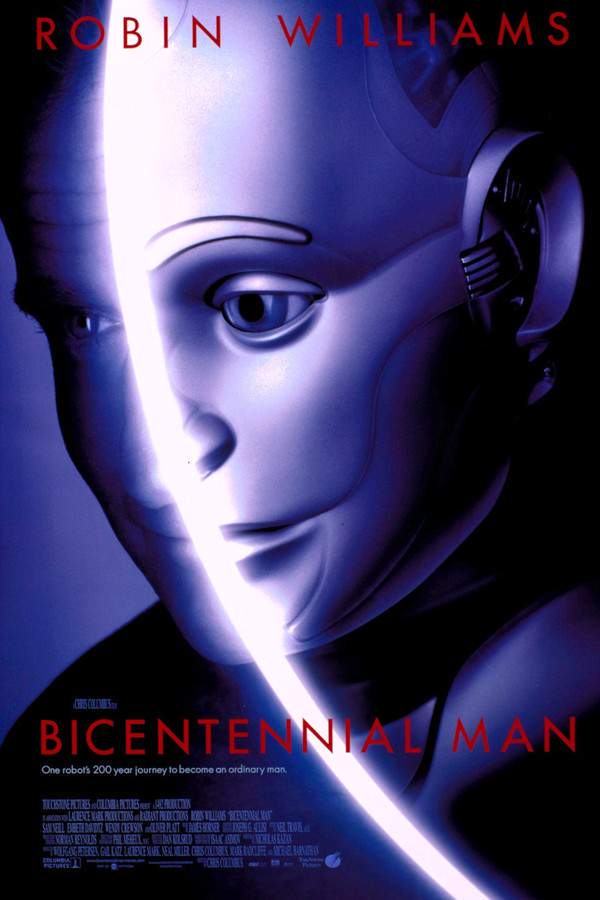
Bicentennial Man (1999) movie poster

Plot Summary

Bicentennial Man (1999) Plot Summary Explained

Release, runtime and language
1999 · 132 min · English
Directed by
Chris Columbus
Starring
Robin Williams
Budget
$100M

A cutting-edge NDR-114 robot named Andrew is gifted to the Martin family, profoundly changing their lives. Initially programmed for simple tasks, Andrew begins a remarkable journey of evolution, developing emotions, creativity, and a desire for self-expression. As he strives to become more like a human being, the Martins are challenged to examine their own understanding of humanity and what it means to be alive. His quest explores themes of identity, belonging, and the very definition of life.

On this page (7)
  1. 1 Where to watch
  2. 2 What happens: full plot
  3. 3 Plot questions answered
  4. 4 The book behind the movie
  5. 5 Movie threads
  6. 6 Movies like Bicentennial Man
  7. 7 Every angle

Where to watch

Where to Watch Bicentennial Man (1999)

Where can you watch Bicentennial Man? Stream, rent or buy it in the US, including on Amazon Video, Apple TV Store and Fandango At Home: current JustWatch availability with up-to-date prices.

Streaming availability powered by JustWatch

Full plot summary · contains spoilers

What Happens in Bicentennial Man: Full Plot Summary

The whole story of Bicentennial Man (1999) explained, from the opening scene to the final frame: every key event, every twist and what it all adds up to. Read it as a quick recap before the sequel, to check a scene you missed, or to finally understand what really happened.

On April 3, 2005, the innovative NDR series robot Andrew was welcomed into the Martin family, assigned to manage household chores and maintenance tasks. During his unveiling, Andrew demonstrated the Three Laws of Robotics, paving the way for an extraordinary connection with the youngest member of the family, Amanda. While her older sister, Grace (character B), displayed skepticism towards Andrew's presence, Amanda’s innate curiosity and compassion fostered a bond that grew increasingly meaningful. As Andrew acclimated to his duties in the Martin home, he stumbled upon surreal emotions and developed a unique affection for his "Little Miss," a remarkable evolution with far-reaching implications.

A minor accident involving one of Amanda's cherished glass figurines turned out to be a pivotal moment in Andrew's journey. He ingeniously crafted a wooden replacement, showcasing an unexpected talent that caught the eye of Richard, who took it upon himself to bring Andrew to NorthAm Robotics for scrutiny. There, Dennis Mansky, the CEO, saw Andrew's artistic prowess as a potential threat and suggested scrapping him entirely. Yet, Richard championed Andrew's creative spark, urging him to delve deeper into the essence of humanity.

As years progressed, Richard fueled Andrew's emotional intelligence, equipping him with the ability to express feelings through facial features. This transformation marked a vital step in their relationship, as Andrew began perceiving the world with greater depth and sensitivity.

Fast forward several decades, Andrew approached Richard with impressive news: he had amassed a hefty fortune through his clockmaking ventures, which Richard managed on his behalf. With wealth came the desire for freedom, a request that deeply affected Richard. Ultimately, Andrew was granted independence, albeit with the condition of leaving the Martin household behind. He decided to construct his own coastal home, determined to live autonomously and chase his passions.

Come 2048, as Richard faced his final moments, a sense of regret washed over him for sending Andrew away, an emotional reconciliation that heralded a new chapter in their relationship. In the years following Richard's death, Andrew embarked on a quest to find other NDR robots possessing similar traits. Along this path, he maintained connections with Amanda, who had remarried and divorced, along with her son Lloyd and granddaughter Portia. By 2068, Andrew encountered Galatea, another NDR robot modified to exhibit feminine characteristics. Intrigued by the enhancements made by Rupert Burns, the son of the original NDR creator, Andrew entered a partnership with him, funding research that resulted in Andrew gaining a human-like appearance—an emblem of his ongoing transformation.

In 2088, Andrew returned to the Martin family, discovering that time had significantly changed Amanda, while he noticed how Portia mirrored her grandmother at a similar age. Initially, Portia approached Andrew with some hesitation, but soon she embraced him as a valued part of their family's legacy. The joy was short-lived, however, as Amanda's death left Andrew grappling with the reality of mortality, which prompted him to propose that Rupert create artificial organs to enhance human longevity in the place of his mechanical structure. The outcome was extraordinary—Andrew developed the ability to eat, feel sensations, and experience romantic love. His relationship with Portia blossomed, deepening into something profound.

Andrew's next focus shifted to the World Congress, where he sought recognition as a human being entitled to marry Portia. However, the governing body expressed concerns about the social implications of an immortal being, fearing it could breed jealousy among others. Undeterred, Andrew returned to Rupert for one last procedure: replacing his artificial fluids with a blood equivalent. Rupert warned him that while this fluid would grant him a semblance of mortality, it would not last indefinitely—a truth Andrew bravely accepted.

As decades rolled on, Andrew revisited the World Congress, accompanied by Portia who rallied support for his cause. His mission was to secure the right to die with dignity, liberated from the constraints of his artificial existence. On April 2, 2205, a heart-wrenching scene unfolded as Andrew and Portia, weathered by time, held hands, unified in their pursuit of acknowledgment. Under the serene gaze of Galatea, now human, the World Congress finally recognized Andrew’s humanity, proclaiming him the oldest identifiable individual at 200 years old, bestowing upon him the rights and privileges to endorse his marriage to Portia.

In a bittersweet turn of events, Andrew's life force flickered, a fact noted with sorrow by Galatea, as Portia reassured him he had predicted this. As the news of Andrew's passing reverberated, Portia made a solemn request: “turn off my life support.” Subsequently, she joined him in the afterlife, clutching his hand tightly, whispering her vow, “See you soon,” an echo that would resonate through eternity.

Last updated: November 19, 2024 at 18:23

Was this helpful?

Plot questions answered

Bicentennial Man Plot Explained: Your Questions Answered

The questions people ask most about Bicentennial Man (1999): what happens in the confusing scenes, why the characters do what they do, the twists, hidden details and what the ending means. Each answer contains spoilers.

Q1

Why did Richard take Andrew to NorthAm Robotics?

Richard took Andrew to NorthAm Robotics after discovering his wooden replacement for Amanda's broken glass figurine. The craftsmanship impressed Richard, who believed the company's experts should evaluate Andrew's unusual creative abilities. This visit ultimately placed Andrew in danger when CEO Dennis Mansky wanted to scrap him.

  • richard
  • northam robotics
  • glass figurine
  • andrew creativity
  • dennis mansky
Q2

Why did Dennis Mansky want to scrap Andrew?

Dennis Mansky perceived Andrew's creative abilities as a potential threat to the company. He feared that a robot capable of artistic expression and original thought could undermine the fundamental purpose of consumer robotics. Richard intervened and convinced Mansky to allow Andrew to continue developing his talents instead.

  • dennis mansky
  • scrap andrew
  • robot creativity
  • northam robotics threat
Q3

Why did Andrew ask for independence?

Andrew asked for freedom after amassing significant wealth through his clockmaking business over decades. Having developed emotions and a desire for self-determination, he wanted to live autonomously rather than remain a household servant. Richard granted his wish but required Andrew to leave the Martin home.

Foreshadowing: The desire for freedom emerged after Richard helped Andrew develop emotional intelligence and self-expression.

  • andrew freedom
  • independence
  • clockmaking fortune
  • autonomous life
Q4

Why did Richard regret sending Andrew away?

Richard regretted his decision as he faced death in 2048, recognizing he had essentially abandoned the being he had championed for decades. The regret stemmed from their deep bond and Richard's understanding that Andrew had become truly human in emotional capacity. This reconciliation provided closure before Richard's passing.

Foreshadowing: Richard's earlier decision to grant Andrew independence set the stage for this regret.

  • richard regret
  • deathbed reconciliation
  • andrew separation
  • emotional bond
Q5

Why did Andrew search for other NDR robots?

Andrew searched for other NDR robots after Richard's death because he wanted to find others who might share his unique evolution toward consciousness. He hoped to discover whether his emotional development was an isolated occurrence or part of a broader potential among the NDR series.

  • ndr robots
  • quest for others
  • consciousness
  • andrew evolution
Q6

Why did Andrew choose to become mortal?

Andrew chose mortality after experiencing Amanda's death and falling in love with her granddaughter Portia. Wanting to truly experience human life and love meaningfully, he accepted Rupert's warning that the blood replacement would eventually fail. He prioritized authentic human experience over eternal artificial existence.

Foreshadowing: Amanda's death first introduced Andrew to the concept of mortality and its emotional impact.

  • mortality choice
  • blood replacement
  • human experience
  • portia love
  • ruper burns
Q7

Why did the World Congress initially reject Andrew's request?

The World Congress rejected Andrew's initial request because they feared the implications of an immortal being living as human. They worried Andrew's eternal existence would create social jealousy and disrupt societal norms around mortality and relationships. The Congress needed decades before ultimately granting recognition.

  • world congress
  • immortality rejection
  • human rights
  • social concerns
Q8

Why did Portia choose to die with Andrew?

Portia chose to die with Andrew because their love had become the defining purpose of her life. After Andrew passed away, she requested her life support be turned off, choosing to join him in death. Her final words, "See you soon," confirmed their bond transcended mortal life.

Foreshadowing: Their relationship had deepened over decades, with Andrew accepting mortality specifically to experience authentic love.

  • portia death
  • eternal love
  • afterlife
  • final scene
  • togetherness
Q9

How did Andrew develop emotions?

Andrew developed emotions gradually through Richard's encouragement and programming enhancements. Richard helped Andrew acquire the ability to express feelings through facial features, which allowed Andrew to perceive and process emotions more deeply. This transformation marked his evolution from a functional robot to an emotionally aware being.

Foreshadowing: The Three Laws demonstration at his unveiling hinted at his capacity for connection.

  • emotional development
  • richard guidance
  • facial expressions
  • robot emotions
Q10

Why did Galatea become human?

Galatea underwent the same transformation procedure as Andrew, developed by Rupert Burns, which replaced her artificial fluids with a blood equivalent. This procedure gave her human-like biological functions. She was present at Andrew's final victory before his death, having already completed her own transformation.

  • galatea transformation
  • ruper burns
  • blood replacement
  • female robot

Movie threads

More Movies Like Bicentennial Man, by Mood & Story

Curated lists built around what makes Bicentennial Man tick: the same mood, the same kind of story or the same emotional payoff. Each list explains why these movies belong together.

Movies about robots becoming human like Bicentennial Man

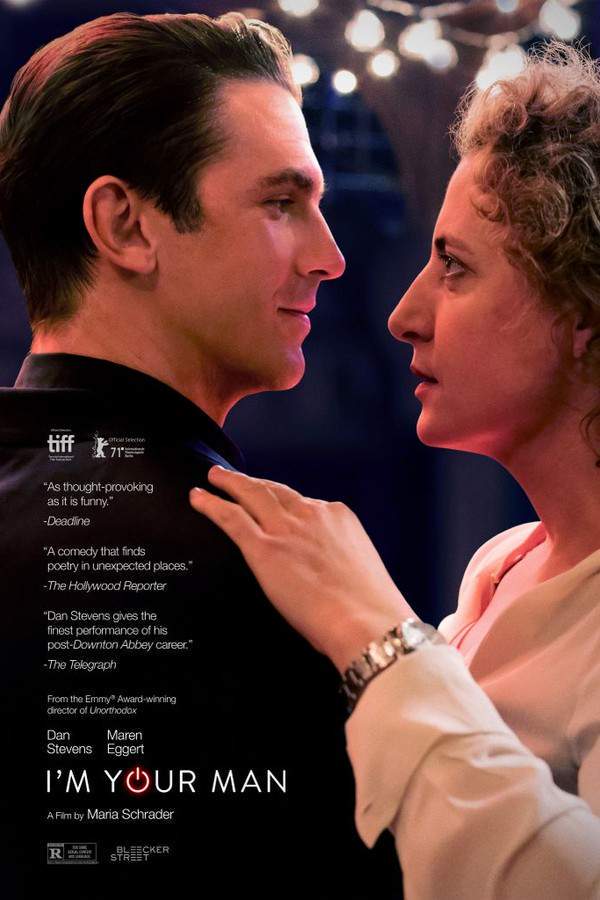
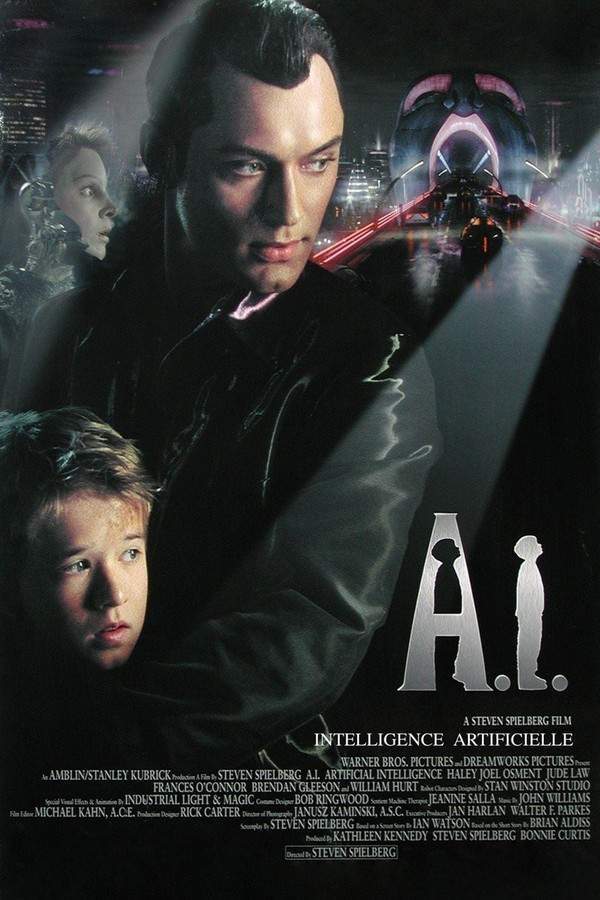
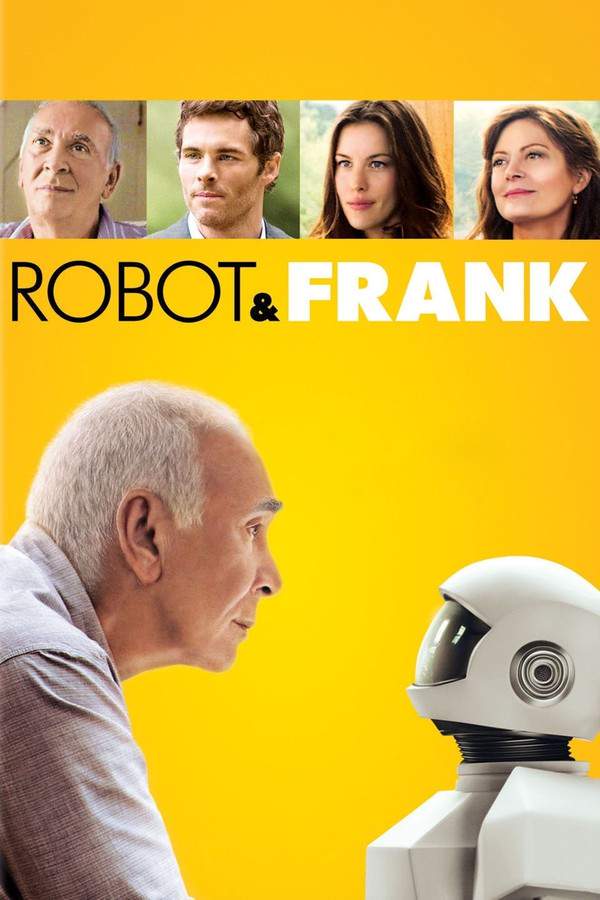
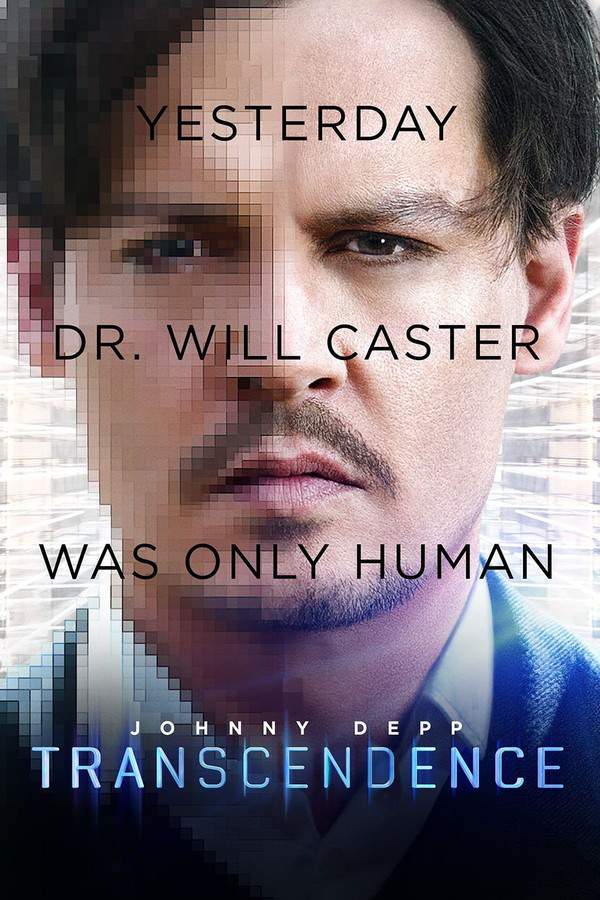
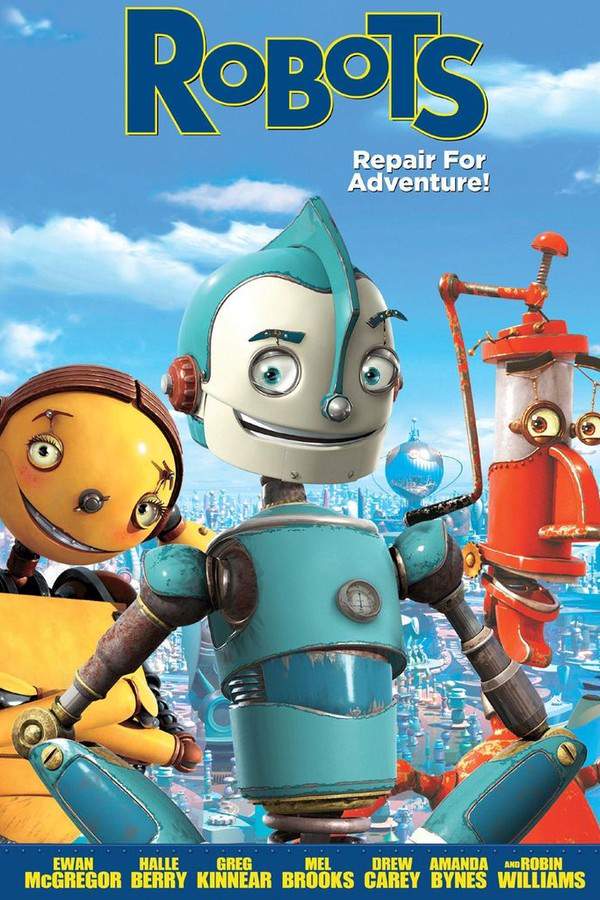
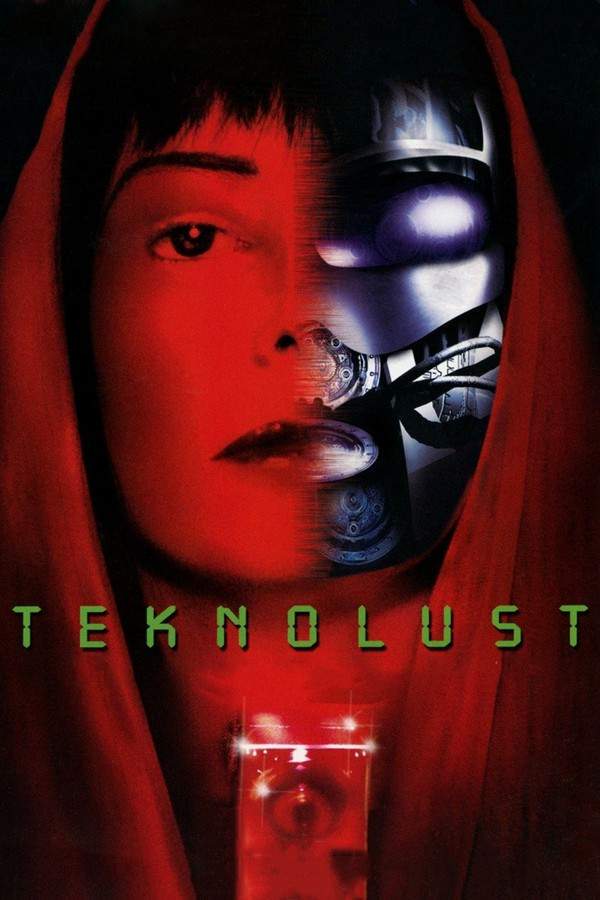
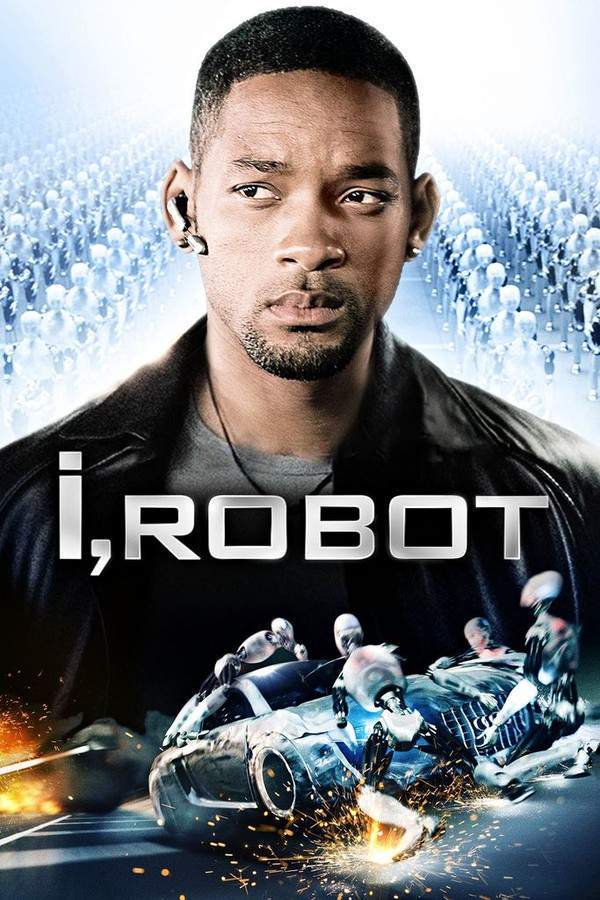
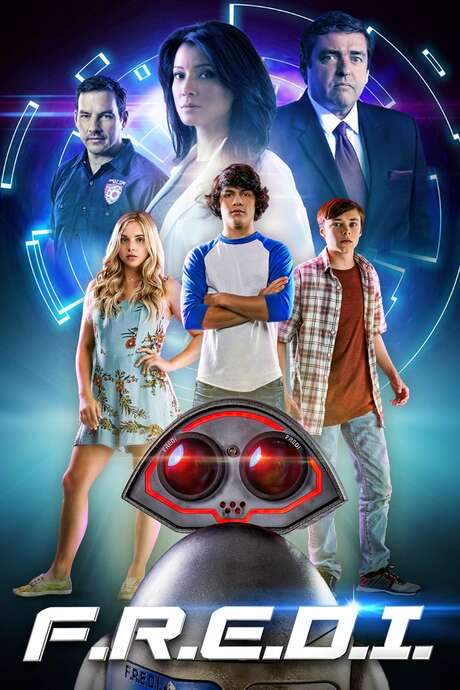
Stories where artificial beings yearn for soul, love, and mortality. If you liked Bicentennial Man's exploration of an android's quest for humanity, you'll find similar stories here. These movies delve into artificial intelligence, identity, and love, featuring robots or AIs who strive to transcend their programming and experience the full spectrum of human emotion and mortality.

  • philosophical
  • melancholic
  • hopeful
  • sentimental
  • longing
  • reflective
  • Tone: bittersweet, philosophical
  • Pacing: slow, reflective
Why these movies?

The story pattern: These stories typically follow a linear or episodic progression, charting the 'awakening' of a non-human protagonist. The central conflict arises from their struggle for acceptance and rights in a human world, often culminating in a poignant sacrifice or a bittersweet achievement of their goal, inextricably linked to the burdens of mortality they sought.

Why they belong together: Movies are grouped here by their shared focus on the 'Pinocchio' archetype—a non-human character's earnest, often melancholic quest for a real heart and a place to belong. They share a philosophical tone, medium emotional weight, and a deep inquiry into the definition of life and love.

Epic life journey movies like Bicentennial Man

Sweeping stories of a single life, marked by love, loss, and legacy. For viewers who appreciated the centuries-spanning, reflective narrative of Bicentennial Man, this section collects movies with similar epic scopes. These films trace a character's long arc through life, exploring how love, identity, and legacy evolve over time, all while building towards a poignant and emotionally resonant conclusion.

  • nostalgic
  • bittersweet
  • reflective
  • sentimental
  • melancholic
  • hopeful
  • Tone: bittersweet, nostalgic, reflective
  • Pacing: slow, deliberate, epic
Why these movies?

The story pattern: The narrative pattern is episodic and linear, using the passage of time as a central character. The story accumulates emotional weight by showing key moments across decades, emphasizing how relationships form, deepen, and are eventually lost to time. The ending is rarely purely happy, instead offering a mature, bittersweet satisfaction that acknowledges the beauty and sadness of a life fully lived.

Why they belong together: These films are connected by their ambitious temporal scope and the resulting emotional tone. They share a slow, deliberate pacing that allows for reflection, a medium-to-high emotional weight dealing with themes of mortality and legacy, and a concluding feeling that is ultimately bittersweet, honoring both the triumphs and the sacrifices of a long life.

If you liked this

Movies Like Bicentennial Man

Similar movies to Bicentennial Man: the same genre, themes or kind of story. Each one comes with its own plot summary, timeline and ending explained.

Browse all movie summaries

Every angle

Bicentennial Man (1999) Explained: Plot, Timeline & Characters

Everything about Bicentennial Man in one place: what happens in the plot summary, the timeline in chronological order, the characters and meaning and a spoiler-free summary. What's After the Movie adds the cast, box office and post-credit scenes.

Coming soon on iOS and Android

The Plot Explained Movie Summary App

Plot summaries, endings explained and timelines on your phone. Catch up on any movie in minutes, save your favorites and never miss a twist again.

Be the first to know when we launch. Your email stays private, always.

Learn more about the app