Plot Explained Spoilers guaranteed!
Plot Explained

Browse by genre

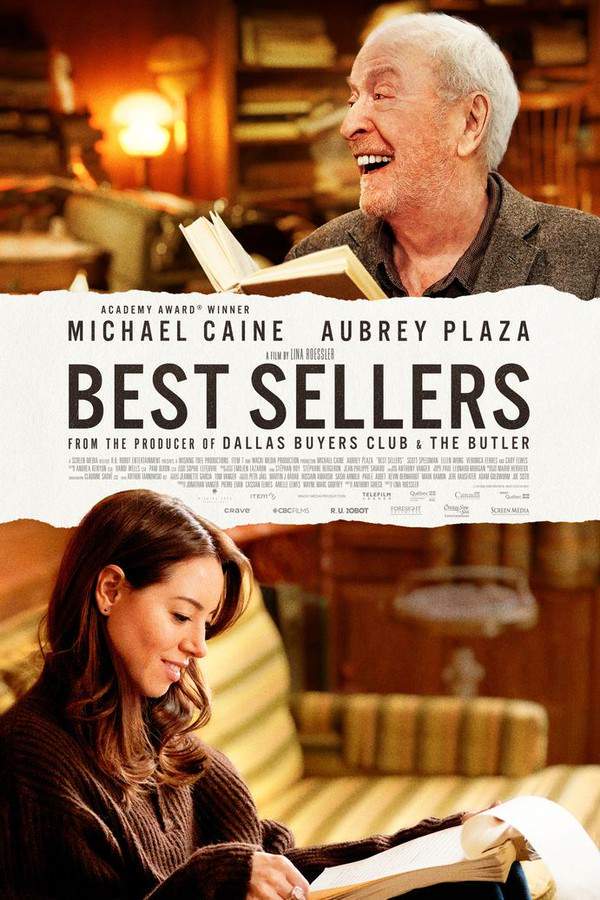
Best Sellers (2021) movie poster

Plot Summary

Best Sellers (2021) Plot Summary & Ending Explained

Release, runtime and language
2021 · 102 min · English
Echo score 64
Loading streaming availability…
Directed by
Lina Roessler
Starring
Michael Caine, Cary Elwes, Scott Speedman, Aubrey Plaza, Elana Dunkelman, Veronica Ferres

Ambitious editor Lucy Standbridge unexpectedly inherits her father's publishing house and is forced to deal with its complicated history. To save the company, she teams up with reclusive author Harris Shaw, leading to a chaotic and disastrous book tour. As they navigate the challenges together, Lucy and Harris experience unexpected changes and forge an unlikely connection amidst the unfolding mayhem.

On this page (7)
  1. 1 Where to watch
  2. 2 What happens: full plot
  3. 3 Plot questions answered
  4. 4 How it ends
  5. 5 Movie threads
  6. 6 Movies like Best Sellers
  7. 7 Every angle
Loading streaming availability…

Full plot summary · contains spoilers

What Happens in Best Sellers: Full Plot Summary

The whole story of Best Sellers (2021) explained, from the opening scene to the final frame: every key event, every twist and what it all adds up to. Read it as a quick recap before the sequel, to check a scene you missed, or to finally understand what really happened.

Nearly five decades after his acclaimed novel, Atomic Autumn, Harris Shaw, portrayed by Michael Caine, finds himself as a cantankerous old man living alone with his cat in Westchester, New York. Despite his attempts to pen another masterpiece on his typewriter, he struggles, discarding countless failed pages fueled by frustration. His solitude is punctuated by persistent phone calls, leading him to hurl his phone out the window in a fit of rage.

Meanwhile, Lucy Stanbridge, played by Aubrey Plaza, is grappling with the inherited publishing business from her late father, Joseph. The company is floundering, and a bad review by the New York Times only adds to her woes. Although Rachel, played by Ellen Wong, tries to bolster Lucy’s spirits with updates on a disgruntled young reader attacking one of their published books in an online video, Lucy remains unfazed by critics who don’t resonate with younger audiences. The desire to sell the business arises when Jack Sinclair, portrayed by Scott Speedman, a man who Joseph viewed as a surrogate son, expresses interest in acquiring the company but promises to maintain its original spirit—a commitment Lucy is reluctant to accept.

In a desperate bid to salvage the company, Lucy and Rachel ponder over their authors when they realize that Drew Davis, a current literary sensation, is not the only one they could bank on. Following their revelation that Harris has an outstanding obligation to deliver one more book, they embark on a snow-laden journey to his remote abode.

Upon their arrival, they confront a hesitant Harris who initially welcomes them with skepticism and a loaded gun. After some persuasions, they reveal the pressing need for his manuscript, but the aged writer is adamant about his inability to assist. However, in the solitude of his home, Harris concludes a manuscript titled The Future is X-Rated, a daring tale about humanity’s last survivors.

As Lucy prepares to hand over the business to Jack, a comical turn of events occurs: Harris struggles to cross a busy street with pedestrians angrily honking at him. This becomes a pivotal moment as he presents them with his manuscript, igniting Lucy’s hope. Under the terms of their contract, Harris must promote this book, and despite his disdain for public appearances and reluctance to modify his words, he begins his reluctant journey into the spotlight.

At their first promotional event, things spiral out of control when Harris confronts Halpern Nolan, the New York Times critic, resulting in his arrest and further damaging book sales. As the specter of failure looms over the company, Jack emerges with a lower offer for acquisition, raising the stakes for Lucy and Harris.

In the midst of this chaos, Lucy discovers a bar in Boston that Harris favors, leading to an unexpected success when he unintentionally charms the crowd with his audacious remarks. Although book sales remain tepid, merchandise, specifically t-shirts with his quotes, surprisingly becomes a hit.

Determined to elevate the book’s visibility, Lucy devises a plan to showcase ordinary people reading from Harris’ novel online. This innovative approach works wonders, and the duo soon travels from one low-cost motel to another, with Lucy’s friend Rachel managing the publishing operations back home. During their escapades, an amusing incident occurs at a motel featuring heart-shaped bathtubs, culminating in a heated argument between Lucy and Harris.

As he gains popularity and is booked for The Tonight Show, personal revelations unfold. During one poignant moment, Harris shares his painful backstory of loss and betrayal linked to his late wife, Elizabeth. However, their scheduled television debut is marred by unforeseen circumstances that lead them to visit the nursing home where Joseph resides, where past grievances are unearthed.

Despite the ups and downs, the company finds salvation, with Drew showing interest in joining the fold. Yet, as Harris walks alone in the rain, he faces his own demons, symbolically burning his past works. Lucy learns of his declining health, prompting her to take care of him along with Rachel, while they reflect on his tragic history.

With mounting pressures from creditors and dwindling options, Harris writes one last time on his typewriter. Following the sale of the company, an emotional reckoning occurs, and Lucy scatters Elizabeth’s ashes in a place of cherished memories. Though it remains ambiguous if Harris has passed, a poignant farewell is revealed through a letter that leads Lucy to a trunk filled with his unpublished writings, ensuring his legacy will continue even if he doesn’t.

Last updated: October 31, 2024 at 15:15

Was this helpful?

Plot questions answered

Best Sellers Plot Explained: Your Questions Answered

The questions people ask most about Best Sellers (2021): what happens in the confusing scenes, why the characters do what they do, the twists, hidden details and what the ending means. Each answer contains spoilers.

Q1

Why does Harris Shaw refuse to write a new book?

Harris Shaw refuses to write because he believes his creative abilities have dried up after nearly fifty years of failed attempts. Following the success of his acclaimed novel 'Atomic Autumn,' he spent decades trying to write another masterpiece but only produced countless discarded pages. His reclusive behavior and hostility toward the publishing world stem from deep personal trauma and a belief that he can never match his past achievement.

Foreshadowing: Earlier scenes show Harris throwing his phone out the window in frustration, establishing his isolation and anger at the world.

  • harris shaw
  • writer's block
  • reclusive author
  • atomic autumn
Q2

What is Harris Shaw's new book 'The Future is X-Rated' about?

Harris's manuscript 'The Future is X-Rated' is a daring story about humanity's last survivors. He completes it in solitude after Lucy and Rachel visit his home, finally finding inspiration despite his earlier claims of being unable to write. The title reflects his characteristic bold and provocative style that made 'Atomic Autumn' controversial decades earlier.

  • the future is x-rated
  • manuscript
  • harris shaw book
Q3

Why does Harris Shaw get arrested at the book event?

Harris gets arrested after confronting Halpern Nolan, the New York Times critic who gave his book a scathing review. During his first promotional event, Harris loses his temper and confronts the critic directly, resulting in his arrest. This incident further damages the book's sales and creates additional problems for Lucy's struggling publishing company.

Foreshadowing: The New York Times review was established earlier as a major source of stress for Lucy.

  • harris arrest
  • halpern nolan
  • book tour
  • critic
Q4

How does Lucy's online marketing strategy save the book?

Lucy devises a strategy showcasing ordinary people reading from Harris's novel online, creating authentic grassroots interest. This innovative approach generates viral engagement that significantly boosts visibility. Combined with merchandise like t-shirts featuring Harris's provocative quotes, the campaign transforms the book's fortunes despite initially tepid sales.

  • online marketing
  • viral campaign
  • book sales
  • merchandise
Q5

What happened between Harris Shaw and his wife Elizabeth?

Harris reveals a painful backstory about his wife Elizabeth during preparations for The Tonight Show. He experienced profound loss and betrayal related to Elizabeth, which contributed to his decades of isolation and writer's block. At the film's end, Lucy scatters Elizabeth's ashes in a place of cherished memories, symbolizing closure for Harris's unresolved grief.

Foreshadowing: Harris's reclusive lifestyle and bitter demeanor hint at deep personal loss throughout the film.

  • elizabeth
  • harris wife
  • loss
  • backstory
  • grief
Q6

Why does Lucy take Harris to visit her father Joseph at the nursing home?

Their scheduled television appearance on The Tonight Show is disrupted by unforeseen circumstances, leading Lucy and Harris to visit the nursing home where Joseph Stanbridge resides. This visit brings past family grievances to the surface and prompts reflection on legacy, responsibility, and the complicated history between Harris and the publishing house that Joseph founded.

Foreshadowing: Lucy's struggle with her father's legacy and the company's future was established early in the film.

  • joseph stanbridge
  • nursing home
  • father
  • legacy
  • family
Q7

Does Harris Shaw die at the end of the movie?

The film leaves Harris's fate ambiguous. While Lucy learns of his declining health and cares for him alongside Rachel, no explicit death is shown. After the company is sold, Lucy receives a poignant farewell letter from Harris, though it's unclear whether this is a final goodbye or simply a transition. The trunk of unpublished writings he leaves behind suggests he may have passed, but the film intentionally leaves this uncertain.

Foreshadowing: Harris's declining health and symbolic burning of his past works foreshadow his mortality.

  • harris fate
  • ending
  • death
  • letter
  • legacy
Q8

What happens to Harris Shaw's unpublished writings at the end?

Following Harris's departure, whether through death or simply moving on, Lucy discovers a trunk filled with his unpublished works. This ensures Harris's literary legacy will continue, providing the publishing company with valuable material for future releases. The discovery represents a bittersweet victory: the author's body of work is preserved even if he himself is gone.

Foreshadowing: The film establishes Harris as a prolific writer who discarded many pages over the decades.

  • unpublished works
  • trunk
  • legacy
  • manuscripts
  • harris shaw
Q9

Why does Jack Sinclair lower his offer for the publishing company?

After Harris's disastrous first promotional event results in his arrest and damages book sales, Jack Sinclair emerges with a lower offer for the company. The reduced offer reflects the heightened risk and uncertainty surrounding the business's viability during this crisis period, forcing Lucy to work harder to save the company through Harris's book.

Foreshadowing: Jack's initial interest was established as a potential solution to Lucy's financial troubles.

  • jack sinclair
  • company sale
  • offer
  • publishing business
Q10

Why does Harris Shaw burn his past books?

As Harris gains popularity and faces his own demons, he symbolically burns his past works in the rain. This act represents a cathartic release from the burden of his legacy and past success that has haunted him for decades. It signals his acceptance of moving forward, freed from the shadow of 'Atomic Autumn' that defined his entire career.

Foreshadowing: His frustration with trying to match his past achievement was shown throughout his failed writing attempts.

  • burning books
  • symbolism
  • legacy
  • harris shaw
  • atomic autumn
Q11

Why does the Boston bar event succeed where other promotions failed?

When Lucy discovers a bar in Boston that Harris frequents, the author unexpectedly charms the crowd with his audacious remarks. This authentic, unscripted interaction works because it showcases Harris's genuine personality rather than forcing him into uncomfortable traditional promotional roles. The success inspires Lucy to develop more grassroots, authentic marketing approaches.

  • boston bar
  • promotion
  • crowd
  • success
  • harris personality

Ending explained

What Happens at the End of Best Sellers?

How Best Sellers (2021) ends, in short: the final scene, the last twist and what it means for the characters. The full ending explained, with every spoiler, lives on its own page.

Read the full ending explained

The ending of "Best Sellers" reveals a bittersweet but ultimately hopeful note. Harris Shaw, the grumpy and eccentric author, dies peacefully in his sleep after passing on his life's work to Lucy Stanbridge, the young publisher. Prior to his death, Shaw leaves her a key and a note on his typewriter, guiding her to his attic, where he has stored all his unpublished manuscripts from the past four decades. This act signifies Shaw’s recognition of Lucy’s potential and his desire to pass the torch to someone who truly values his work. Throughout the film, Lucy transforms from a desperate publisher trying to revive her family’s legacy to someone who finds her own path and identity. She learns that her father’s reputation was not as heroic as she believed and ultimately makes the courageous decision to sell her company and leave behind the falsehood of her father’s supposed legacy. Instead, she chooses to pursue her own dreams, inspired by Shaw’s final gesture. The film concludes on a note of truth and self-discovery, much like the timeless ending of "The Great Gatsby," implying that genuine art and honest expression are what truly matter. Shaw’s final act of trust and sacrifice enables Lucy to finally realize her own potential as an editor and creator, carrying forward the genuine essence of art over false pretenses. It’s a powerful reminder that sometimes, letting go of illusions and embracing reality can lead to a more authentic and meaningful life.

Best Sellers ending explained in full

Movie threads

More Movies Like Best Sellers, by Mood & Story

Curated lists built around what makes Best Sellers tick: the same mood, the same kind of story or the same emotional payoff. Each list explains why these movies belong together.

Movies with Grumpy-Sunshine Duos like Best Sellers

Opposites forced together find unexpected common ground and mutual growth. Explore movies like Best Sellers that feature the classic 'grumpy and sunshine' character dynamic. These films pair a cynical, withdrawn character with a more hopeful one, leading to a journey of mutual growth, chaotic adventures, and a deeply rewarding, unlikely friendship.

  • unlikely friendship
  • grumpy
  • redemptive
  • quirky
  • character-driven
  • transformative
  • Tone: bittersweet, humorous
  • Pacing: steady, character-driven
Why these movies?

The story pattern: The narrative follows a pair of mismatched characters who are compelled to work together, often against their will. Their journey is marked by comedic conflict, gradual understanding, and a pivotal shift where they discover they need each other to overcome a shared challenge and heal personal wounds.

Why they belong together: Movies are grouped here based on the central dynamic of a transformative odd-couple partnership. They share a tone that balances curmudgeonly humor with heartfelt character development, resulting in a bittersweet but ultimately uplifting experience about connection.

Movies about Legacy and Inheritance like Best Sellers

Characters grappling with the past fight to secure a meaningful future. Find films similar to Best Sellers that explore themes of legacy, inheritance, and securing a place in the world. These stories often involve characters salvaging a family business, reviving a forgotten talent, or confronting grief to create something meaningful from the past.

  • legacy
  • redemptive
  • reflective
  • melancholic
  • hopeful
  • grief
  • Tone: melancholic, reflective, hopeful
  • Pacing: steady, methodical
Why these movies?

The story pattern: The plot is driven by a character's need to deal with an inherited situation, often a failing business or a dormant creative project. This external struggle mirrors an internal journey of confronting personal loss, regret, or creative block, culminating in a cathartic, if bittersweet, resolution.

Why they belong together: These movies share a focus on themes of legacy, grief, and late-in-life purpose. They blend melancholic reflection with a hopeful, redemptive arc, creating a specific bittersweet mood where saving something external leads to internal healing.

If you liked this

Movies Like Best Sellers

Similar movies to Best Sellers: the same genre, themes or kind of story. Each one comes with its own plot summary, timeline and ending explained.

Browse all movie summaries

Every angle

Best Sellers (2021) Explained: Plot, Ending, Timeline & Characters

Everything about Best Sellers in one place: what happens in the plot summary, the timeline in chronological order, the characters and meaning, the ending explained and a spoiler-free summary. What's After the Movie adds the cast, box office and post-credit scenes.

Coming soon on iOS and Android

The Plot Explained Movie Summary App

Plot summaries, endings explained and timelines on your phone. Catch up on any movie in minutes, save your favorites and never miss a twist again.

Be the first to know when we launch. Your email stays private, always.

Learn more about the app