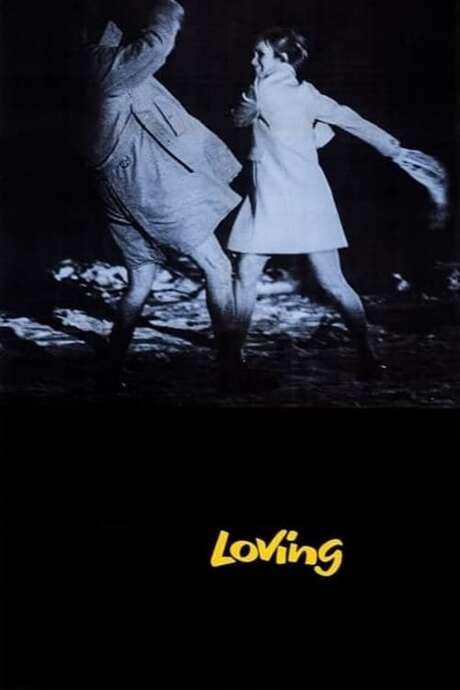
Sheilah Graham sails from England to the U.S.A. and meets with a newspaper editor, John Wheeler, sharing tales of royal lineage and far‑flung connections. He hires her to write a column, and as its blunt and gossipy voice grows more popular, she earns a wider audience and even a dedicated radio program. The career rise feels swift and thrilling, but it’s tied to the friction and fascination that her life in the spotlight creates.
At a house party hosted by the witty humorist Bob Carter, she encounters the celebrated author F. Scott Fitzgerald. An immediate attraction forms, even though Fitzgerald is still married to Zelda, who has been institutionalized in a psychiatric hospital. To make ends meet, Fitzgerald has taken a Hollywood job writing film scripts, bravely admitting that his novels may no longer command the same attention. His battle with heavy drinking colors his mood, his work, and the memories of a shared past that linger between him and Sheilah.
As Fitzgerald grapples with financial pressures and a deteriorating personal life, he learns that a Pasadena play is being produced based on one of his stories. He takes Sheilah to see the production, only to discover that it’s staged by high school students, some of whom don’t even know the writer is still alive. This revelation underscores Fitzgerald’s faded star status and his struggles to adapt to a changing world, a reality that weighs heavily on both of them.
Sheilah tries to help him navigate his downfall, but his escalating alcoholism strains their relationship. When Fitzgerald sends a goodbye note that hints at suicide, Sheilah reveals to him that her own past is not as pristine as she claimed: she was raised in the troubled streets of London and has hidden a truth that could alter how she’s seen in the world. She asks him to write another book, hoping to recapture something of their former magic, but the publishing world responds with rejection after he submits the first four chapters.
Meanwhile, Sheilah’s Chicago‑based radio show brings her into contact with new listeners and colleagues, and her professional path continues to unfold even as personal tensions rise. On a plane and in later conversations, Fitzgerald’s volatility surfaces as he becomes cruel and abusive toward those around him, including a fellow writer. He has already been fired by the studio, who finds his latest script work unacceptable, leaving his artistic ambitions unfulfilled and his health in decline.
Despite the mounting pain, Sheilah remains by his side for a time, driven by loyalty and the weight of their shared history. Yet the strain proves unbearable, and Fitzgerald’s physical and emotional collapse grows more pronounced. In the end, he dies, leaving behind a complicated legacy shaped by talent, fame, addiction, and a life lived under the relentless glare of the public eye.