
The Private Affairs of Bel Ami
Year: 1947
Runtime: 112 mins
Language: English
Director: Albert Lewin
All women take to men who have the appearance of wickedness A self-serving journalist uses influential women in late-1800s Paris and denies the one who truly loves him.
Warning: spoilers below!
Haven’t seen The Private Affairs of Bel Ami yet? This summary contains major spoilers. Bookmark the page, watch the movie, and come back for the full breakdown. If you're ready, scroll on and relive the story!
The Private Affairs of Bel Ami (1947) – Full Plot Summary & Ending Explained
Read the complete plot breakdown of The Private Affairs of Bel Ami (1947), including all key story events, major twists, and the ending explained in detail. Discover what really happened—and what it all means.
Georges Duroy, an ex-soldier turned underpaid clerk in 1880s Paris, edges into the glittering, ruthless world of journalism and influence. At a caf� table he shares with his old comrade, the frail journalist Charles Forestier, he encounters Rachel Michot, a dancer who has already rebuffed him once, and who then becomes a catalyst for Georges’s ambition. Charles bluntly insists that in Paris the quickest route to power is to charm the city’s women, and he even nudges Georges toward a vacancy at his newspaper, La Vie Française, despite Georges’s own lack of writing experience.
Georges soon meets the captivating widow Clotilde de Marelle at a dinner hosted by Charles and his wife. Clotilde longs to dance, but laments that no eligible man seems ready to take her out. Meanwhile, the publisher present asks Georges for a sample article the next day, a challenge Georges tries to meet with the help of his new allies. He is introduced to Madeleine, Madeleine Forestier, Charles’s wife, who agrees to coach him and even nudges him toward Clotilde. With Madeleine’s guidance, Georges lands the job, and Clotilde becomes a future possibility rather than a distant memory.
Georges begins courting Clotilde on nights out, where a singer belts out Bel Ami—a hint at the path he’s choosing. Clotilde playfully calls him Bel Ami, and he vows to live up to that name, for better or worse. A tense moment arises when Rachel spots the pair; Georges snubs her, triggering a scene that deepens the web of desire and jealousy around him. Later, Clotilde writes him a letter confessing that she loves him so much there is almost nothing she would not forgive.
At work, Charles reveals that he has trained Georges to be his heir, even as his health deteriorates. Georges admits to Madeleine that he has fallen somewhat in love with her, though she only wants friendship. He then pitches a bold idea: a gossip column, Echoes, built on innuendos and rumors that could sway politics and the stock market. Madeleine praises the concept, seeing its potential to shape power.
During a social gathering where Georges clashes with Laroche-Mathieu, he encounters the now-grown Suzanne Walter, a sixteen-year-old daughter who feels stifled by her parents. The ever-practical Madeleine becomes a more central figure as Georges’s professional ascent continues. Clotilde reveals that the wealthy, virtuous Jacques Rival has proposed to her, but she wants Georges in her life instead, declaring that he must either conquer Paris or be conquered.
When Charles dies, Georges proposes to Madeleine, and she accepts on the condition that they marry as equals. Echoes becomes a sensational success, and Madeleine quietly dominates the salon that accompanies his rise. Some colleagues note the uncanny similarity between Georges’s pieces and Charles’s voice, hinting that Madeleine may be the true writer behind the curtain. Yet Georges is delighted that his column has helped topple a cabinet and help Laroche-Mathieu become minister for foreign affairs.
Georges continues to juggle the affections of Madeleine and Clotilde, as well as the attention of Madame Walter, a married woman of reputation. Madeleine inherits a fortune from a male friend, a windfall Georges tries to turn to his favor by pressing her to sign over half the money and to declare the inheritance mutual. The Walters host a gathering to view a bold, vividly colored painting, where Suzanne—now a sought-after heiress—reappears, and the tension between Madeleine and Laroche-Mathieu’s flirtation gives Georges a new tactic: use the intrigue to keep power in his hands.
As the story twists, the law offers Georges a dangerous shortcut: assuming a noble name if there are no known surviving heirs. He succeeds in this sartorially cruel move, but Madame Walter quickly locates Philippe de Cantel, the last descendant, though too late to avert tragedy. Philippe, Philippe de Cantel, challenges Georges to a duel two weeks before his marriage. Before the duel, Georges confesses to Clotilde that there are only two people he loves—her and her young daughter. Clotilde races to the Walters’ home to halt the confrontation, but the two men still meet and fatally shoot each other. In his final moments, Georges laments that he never found true happiness with Clotilde, even as his ascent seems complete.
Last Updated: October 09, 2025 at 11:05

Explore Movie Threads
Discover curated groups of movies connected by mood, themes, and story style. Browse collections built around emotion, atmosphere, and narrative focus to easily find films that match what you feel like watching right now.
Movies about tragic ambition like The Private Affairs of Bel Ami
Stories of cynics who climb society's ladder, only to face a hollow victory.If you liked The Private Affairs of Bel Ami, explore more films about cynical, ambitious characters who use others for social climbing. These movies feature steady-paced narratives, dark tones, and heavy emotional weight, often culminating in a sad or tragic downfall that questions the cost of ambition.

Richard III
1956
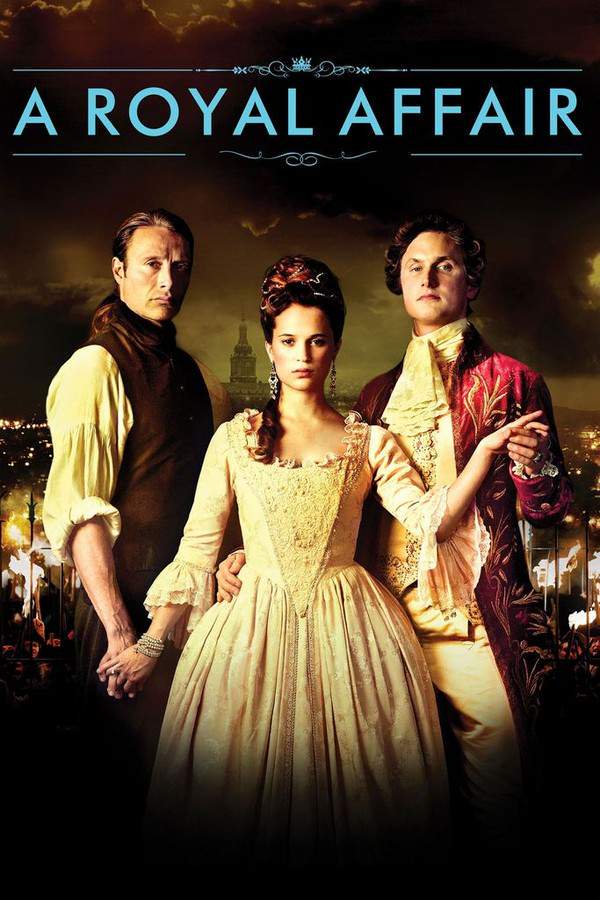
A Royal Affair
2012
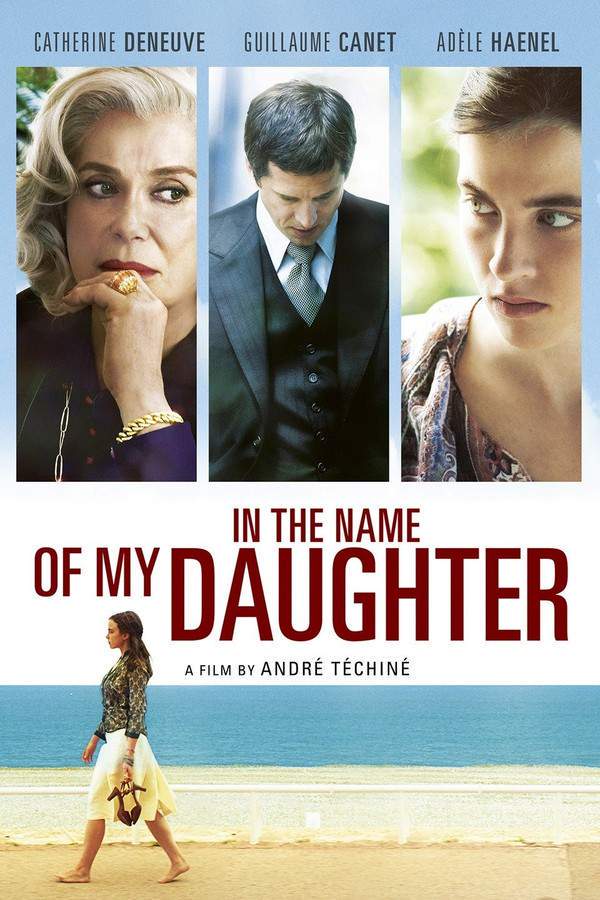
In the Name of My Daughter
2015

House of Gucci
2021

All the King's Men
2006
-dZ6se5IDUfrS6Q.jpg)
To Die (Or Not)
2000

The Picture of Dorian Gray
2007

The Mystery of Oberwald
1980

Desperate for Love
1989

The Picture of Dorian Gray
2021

Cast a Dark Shadow
1955
The Private Affairs of Bel Ami
1947

Appointment with Crime
1946

Crime of Passion
1956

Hollow Triumph
1948
Narrative Summary
The narrative follows a protagonist, often charismatic but deeply flawed, as they strategically navigate a specific social or professional hierarchy. Their ascent is built on deception and the exploitation of relationships, leading to a climax where their carefully constructed world collapses, resulting in profound loss or death.
Why These Movies?
These films are grouped by their shared exploration of dark ambition, a steady, character-driven pace, and a heavy emotional tone. They resonate with viewers interested in complex, anti-hero journeys and cautionary tales about the price of success.
Movies with romantic manipulation like The Private Affairs of Bel Ami
Where love is a transactional game and relationships are tools for advancement.Discover films similar to The Private Affairs of Bel Ami where charming but ruthless protagonists use romantic relationships as a means to an end. These dramas blend high romance scores with dark tones, exploring themes of emotional manipulation, power dynamics, and the tragic cost of viewing love as a transaction.
A Royal Affair
2012
In the Name of My Daughter
2015

Revenge
1990

Girls on Film
2023

A Widow's Game
2025

Acrimony
2018
The Mystery of Oberwald
1980
Desperate for Love
1989
Cast a Dark Shadow
1955
The Private Affairs of Bel Ami
1947

The Wicked Lady
1945

Casualties of Love: The Long Island Lolita Story
1993
Crime of Passion
1956

The Flame of Love
1930

A Frozen Flower
2008
Narrative Summary
The plot revolves around a central figure who serially engages in romantic relationships with influential partners, weaving a web of deceit for personal gain. The story exposes the emotional damage inflicted and often culminates in a moment of reckoning where the protagonist is undone by the very games they played.
Why These Movies?
These movies share a specific blend of high-stakes romance and dark psychological drama. They are united by themes of manipulation within relationships, a steady narrative pace focused on character interaction, and a somber mood that undercuts the surface charm.
Unlock the Full Story of The Private Affairs of Bel Ami
Don't stop at just watching — explore The Private Affairs of Bel Ami in full detail. From the complete plot summary and scene-by-scene timeline to character breakdowns, thematic analysis, and a deep dive into the ending — every page helps you truly understand what The Private Affairs of Bel Ami is all about. Plus, discover what's next after the movie.
The Private Affairs of Bel Ami Timeline
Track the full timeline of The Private Affairs of Bel Ami with every major event arranged chronologically. Perfect for decoding non-linear storytelling, flashbacks, or parallel narratives with a clear scene-by-scene breakdown.

Characters, Settings & Themes in The Private Affairs of Bel Ami
Discover the characters, locations, and core themes that shape The Private Affairs of Bel Ami. Get insights into symbolic elements, setting significance, and deeper narrative meaning — ideal for thematic analysis and movie breakdowns.



Similar Movies to The Private Affairs of Bel Ami
Discover movies like The Private Affairs of Bel Ami that share similar genres, themes, and storytelling elements. Whether you’re drawn to the atmosphere, character arcs, or plot structure, these curated recommendations will help you explore more films you’ll love.
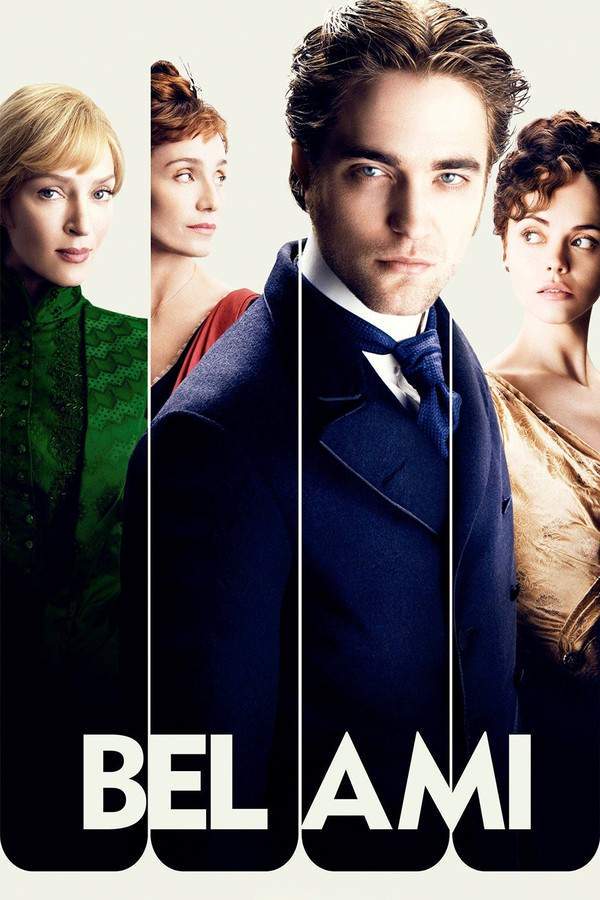
Bel Ami
2012

A Private Affair
2002

Bel ami
2005

Ambitious
2006

A Notorious Affair
1930

Lady with a Past
1932

A Woman of Affairs
1928

The Man Who Loved Women
1977

Friends and Lovers
1931

The Unfaithful Wife
1969

Her Private Affair
1929

Private Lives
1931

The Affairs of Anatol
1921

The Earrings of Madame de…
1953

Private Vices, Public Virtues
1976
Explore More About Movie The Private Affairs of Bel Ami
The Private Affairs of Bel Ami (1947) Scene-by-Scene Movie Timeline
The Private Affairs of Bel Ami (1947) Movie Characters, Themes & Settings
The Private Affairs of Bel Ami (1947) Spoiler-Free Summary & Key Flow
Movies Like The Private Affairs of Bel Ami – Similar Titles You’ll Enjoy
Bel Ami (2012) Film Overview & Timeline
A Private Affair (2002) Ending Explained & Film Insights
Bel ami (2005) Spoiler-Packed Plot Recap
Ambitious (2006) Full Movie Breakdown
A Notorious Affair (1930) Ending Explained & Film Insights
Lady with a Past (1932) Plot Summary & Ending Explained
A Woman of Affairs (1928) Movie Recap & Themes
The Man Who Loved Women (1977) Full Movie Breakdown
Friends and Lovers (1931) Complete Plot Breakdown
The Unfaithful Wife (1969) Film Overview & Timeline
Her Private Affair (1929) Spoiler-Packed Plot Recap
Private Lives (1931) Story Summary & Characters
The Affairs of Anatol (1921) Full Movie Breakdown
The Earrings of Madame de… (1953) Full Movie Breakdown
Private Vices, Public Virtues (1976) Detailed Story Recap